Bony fish · Perciformes · Percidae
Zander
Sander lucioperca
The species is abundant and widely distributed; it faces no significant short-term risk. See full glossary
It is the largest percid in Europe, looking like a cross between a perch and a pike. It has a reflective layer in the retina much like that of many nocturnal mammals, which gives it exceptional night vision.
Weight
1 kg – 20 kg
Size
50 cm – 1 m
Lifespan
14 years
Diet
Carnivore
Feeds mainly on other animals.
Activity
Nocturnal
Active mainly at night.
Social structure
Solitary
Lives and hunts alone, joining others only to breed.
Sighting difficulty
Easy
Fun facts
- It is the largest percid in Europe.
- The reflective layer in its retina gives it exceptional vision in murky water and at night.
- A large female can lay more than a million eggs in a single spawning.
Life cycle & biology
- Skeleton type
- Vertebrate - internal bony skeleton (fish)
- Habitat & environment
- Lakes, reservoirs and slow-flowing rivers of Europe and Asia, in temperate water of 6-22°C and down to 30 m
- Birth weight
- A tiny egg; a larva a few millimetres long on hatching
- Size at birth
- A larva a few millimetres long on hatching
- Sexual maturity
- Male: 1-2 years (26-37 cm) | Female: 1.5-3 years (26-46 cm)
- Gestation / incubation
- Roughly 2 weeks, depending on water temperature
- Litter / clutch size
- Tens of thousands to over a million eggs per clutch, depending on the female's size
Sources consulted: FishBase; ResearchGate (Portuguese river basins study); USGS NAS Species Profile; FWS Ecological Risk Screening; Animalia.bio; FFDB fair-fish database; AquaHoy
Where to find it
See its range on the interactive mapBest time: From April to May, during spawning, when the male builds and guards the nest; the rest of the year it is most active at dawn and dusk.
Where to watch it
Parques y spots de buceo donde se ha documentado esta especie — se muestran 14 de 75 documentados.
Related species
Other species in the catalogue with the most in common with Zander — same habitat, park, country, tags or family.
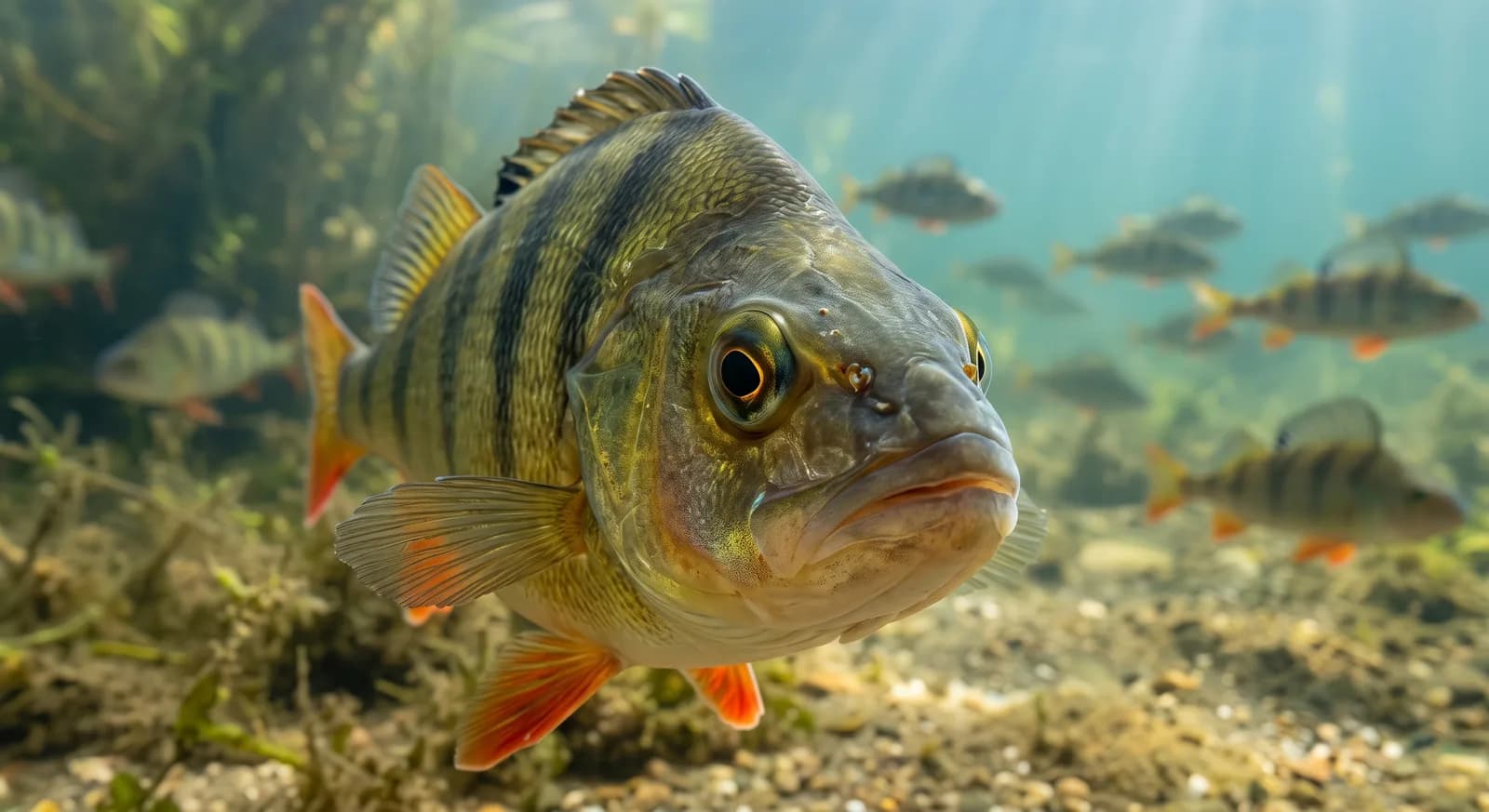 Least Concern
Perch
Perca fluviatilis
River Lamprey
Lampetra fluviatilis
Pike
Esox lucius
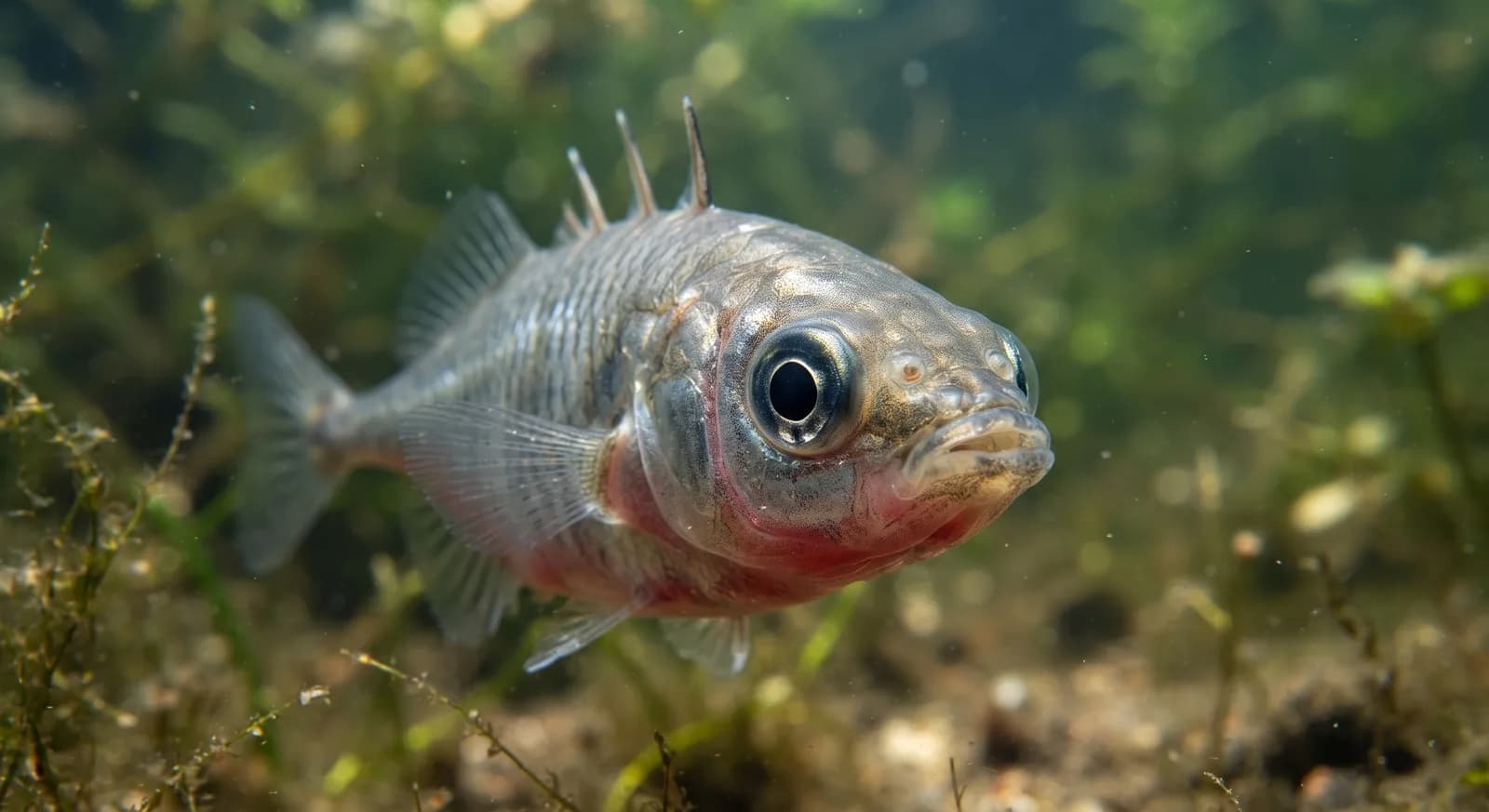 Least Concern
Three-spined Stickleback
Gasterosteus aculeatus
Beluga
Huso huso
Sea Bass
Dicentrarchus labrax
Keep exploring
Based on what we already know about zander.
Comments
Share an experience, a fun fact or a tip for seeing the zander.
Be the first to comment.