One of the 5 perch on WAnimals
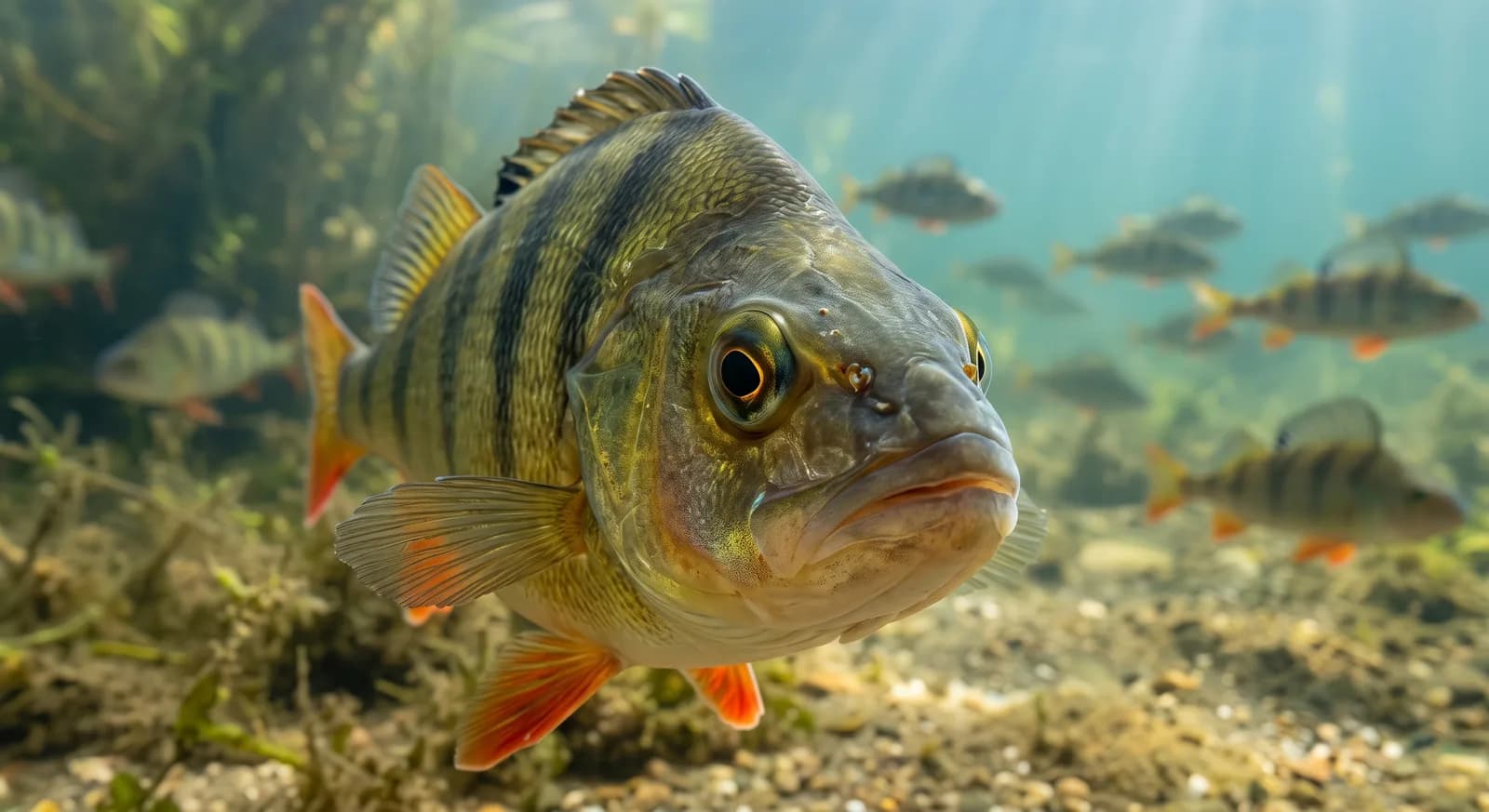
Bony fish · Perciformes · Percidae
Perch
Perca fluviatilis
The species is abundant and widely distributed; it faces no significant short-term risk. See full glossary
It lays its eggs in striking white gelatinous ribbons up to a metre long that cling to water plants and submerged objects.
Weight
up to 3 kg
Size
up to 60 cm
Lifespan
15 years
Diet
Carnivore
Feeds mainly on other animals.
Activity
Diurnal
Active mainly during the day.
Social structure
School
Gathers in coordinated schools, typical of fish.
Sighting difficulty
Easy
Fun facts
- It eats planktonic invertebrates as a juvenile and small fish as an adult.
- It lives in lakes, slow-flowing rivers and estuaries across Eurasia.
- It is considered invasive in Australia and other regions where it has been introduced.
Life cycle & biology
- Skeleton type
- Vertebrate - bony skeleton (fish)
- Habitat & environment
- Lakes, slow-flowing rivers and estuaries of Eurasia, from northern Scandinavia to the Mediterranean
- Birth weight
- ~5 mm long at hatching
- Size at birth
- 5 mm long at hatching
- Sexual maturity
- Male: 1-3 years | Female: 2-4 years
- Gestation / incubation
- 8-16 days of egg development
- Litter / clutch size
- 1,000 to 900,000 eggs per female, laid in long jelly ribbons up to a metre long
Sources consulted: FishBase; U.S. Fish & Wildlife Service (risk screening); Brickfields Park; Nattour; Wikipedia (European perch); Animalia.bio; All About Fishing; Springer (global review study)
Where to find it
See its range on the interactive mapBest time: From April to June, during spawning, when it lays gelatinous ribbons of eggs over branches and submerged vegetation.
Where to watch it
Parques y spots de buceo donde se ha documentado esta especie — se muestran 16 de 120 documentados.
Related species
Other species in the catalogue with the most in common with Perch — same habitat, park, country, tags or family.
Zander
Sander lucioperca
 Least Concern
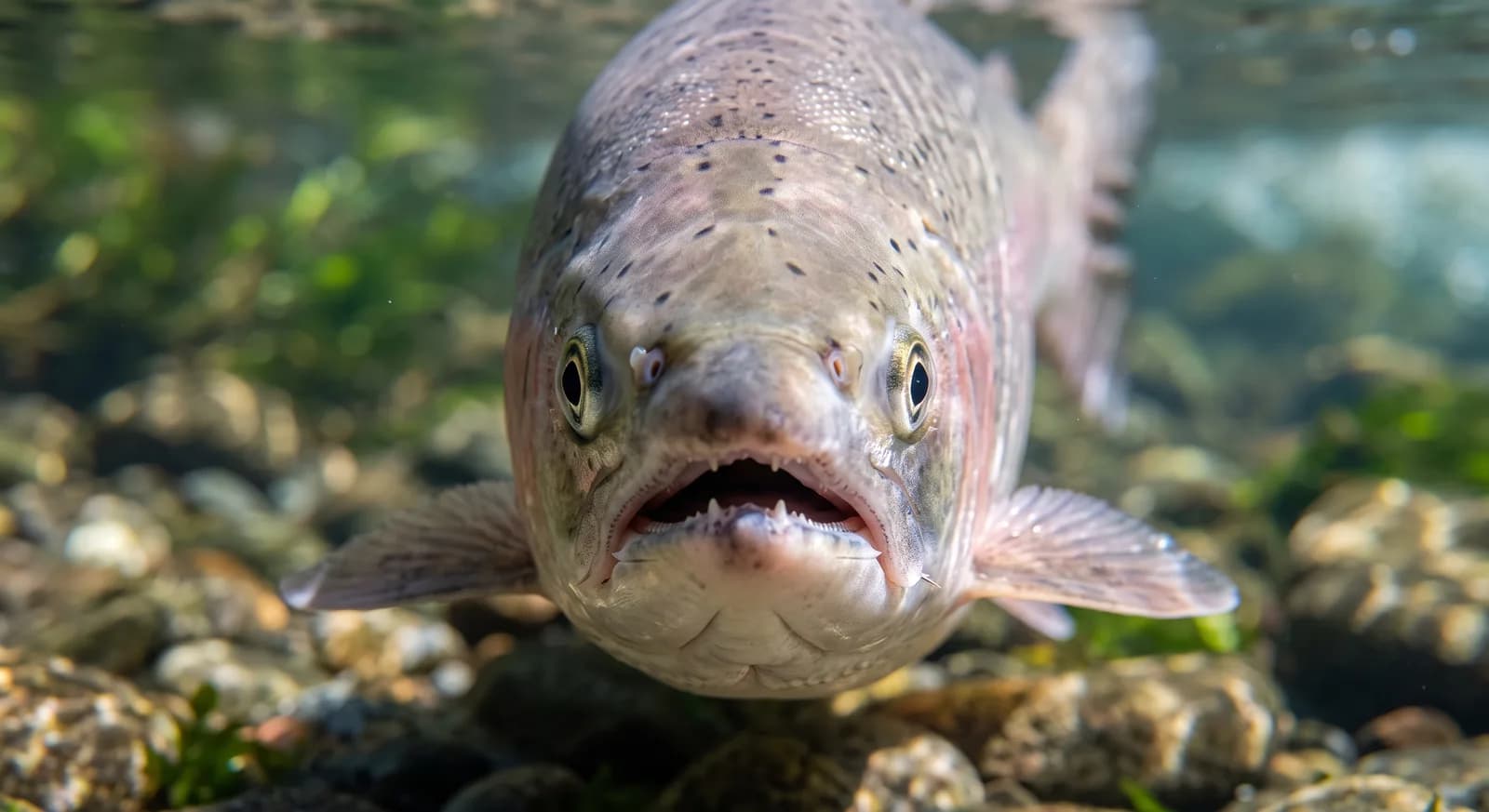
Salmon
Salmo salar
 Least Concern
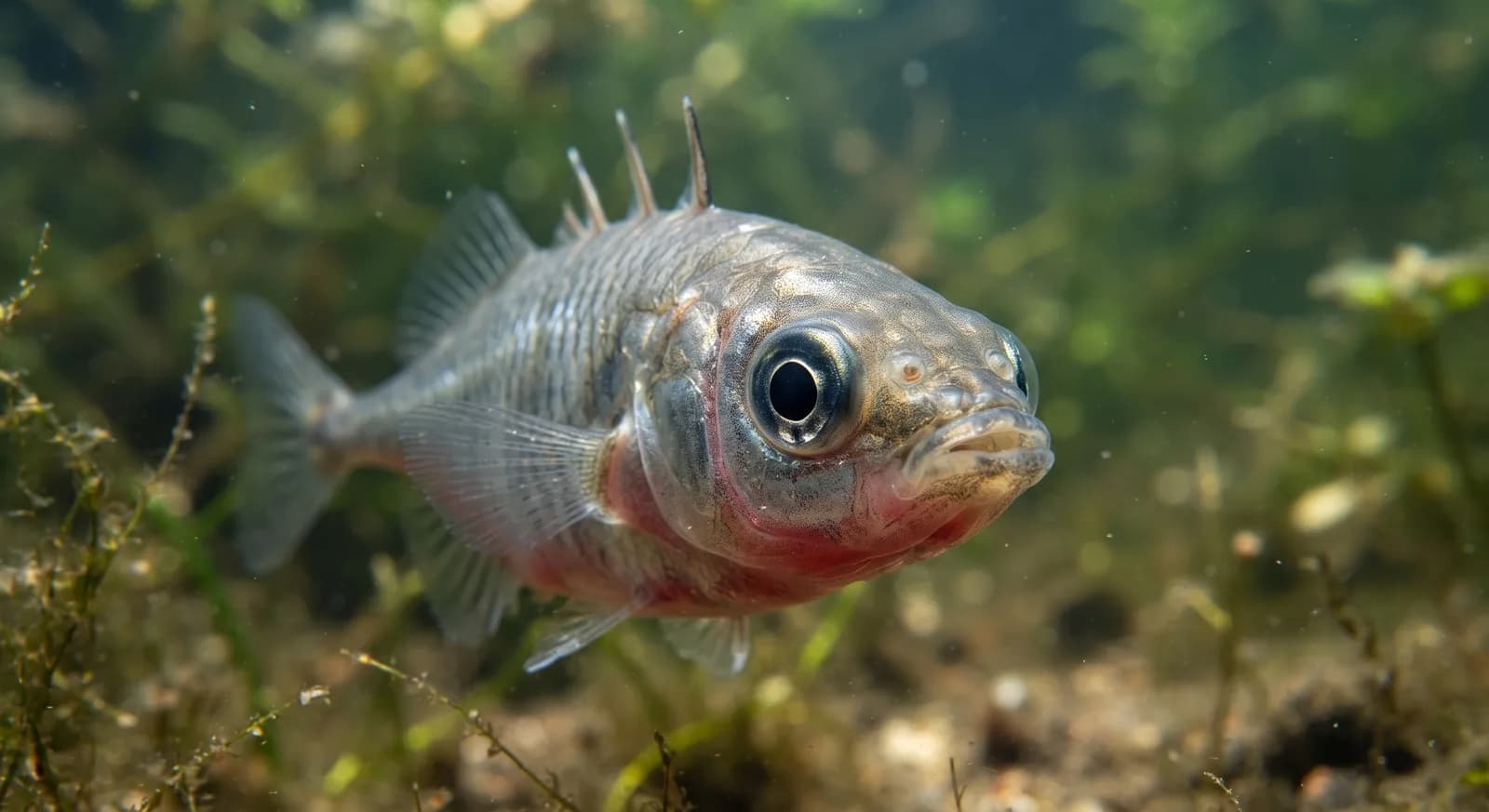
Three-spined Stickleback
Gasterosteus aculeatus
 Least Concern
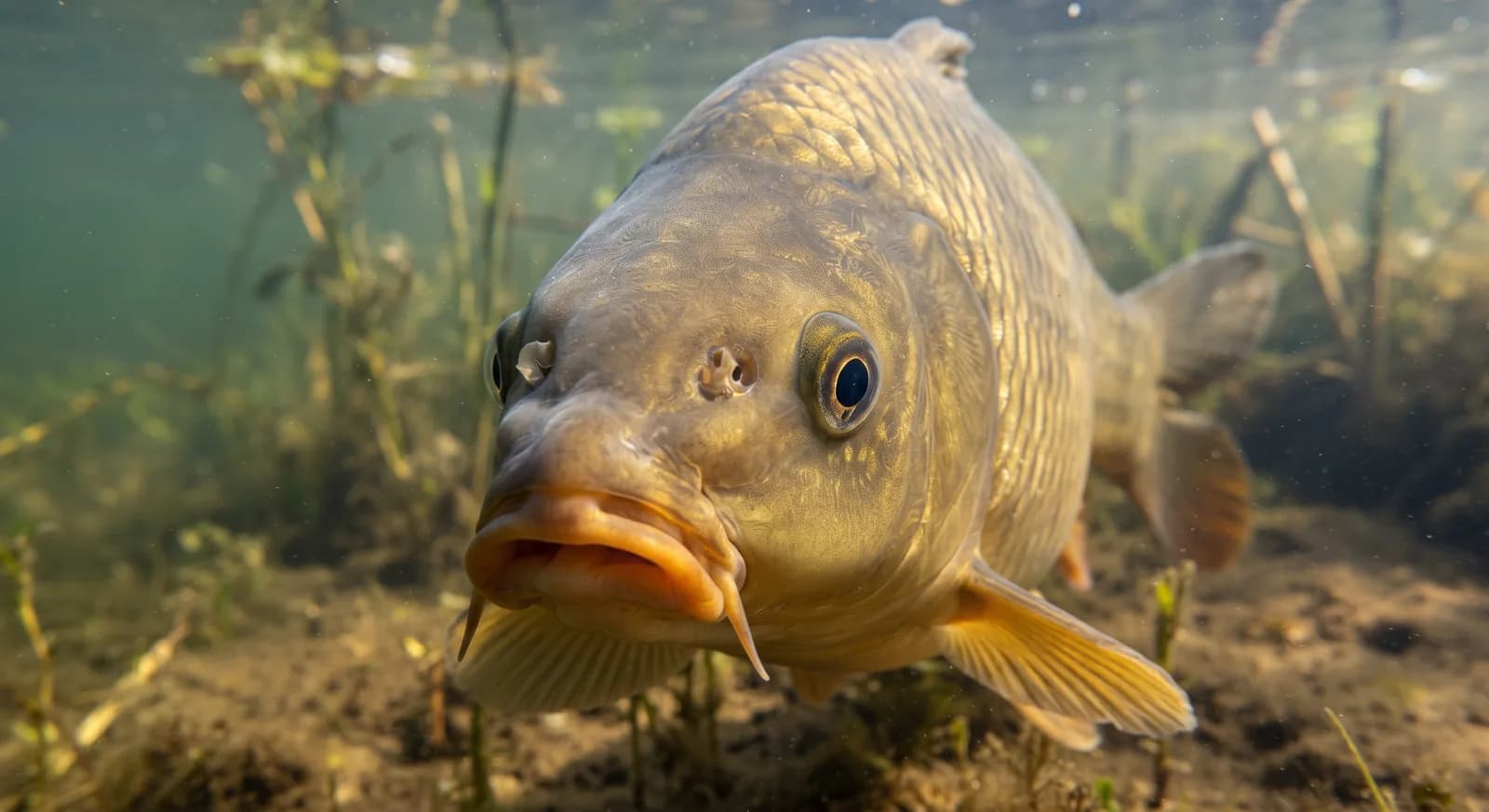
Common Carp
Cyprinus carpio
Pike
Esox lucius
Arctic Charr
Salvelinus alpinus
Keep exploring
Based on what we already know about perch.
Comments
Share an experience, a fun fact or a tip for seeing the perch.
Be the first to comment.