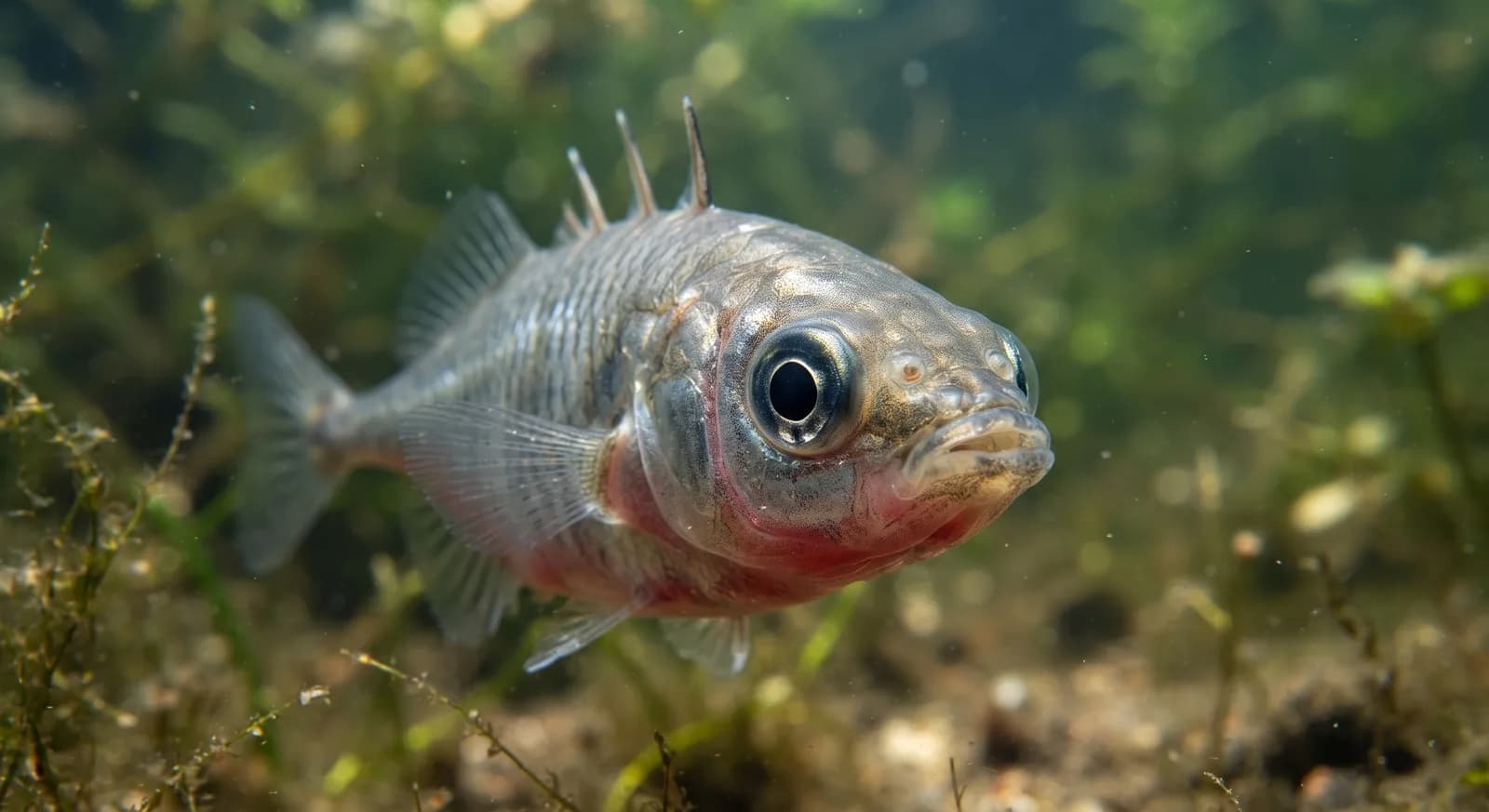
Bony fish · Gasterosteiformes · Gasterosteidae
Three-spined Stickleback
Gasterosteus aculeatus
The species is abundant and widely distributed; it faces no significant short-term risk. See full glossary
The male builds a nest of water plants bound together with 'spiggin', a sticky protein he secretes through his kidneys, and defends the nest and the young fiercely.
Weight
1 kg – 4 kg
Size
3 cm – 11 cm
Lifespan
2 years
Diet
Carnivore
Feeds mainly on other animals.
Activity
Diurnal
Active mainly during the day.
Social structure
Solitary
Lives and hunts alone, joining others only to breed.
Sighting difficulty
Easy
Fun facts
- It is a key model organism in evolutionary genetics.
- It eats small crustaceans, aquatic insect larvae and occasionally its own eggs and fry.
- It lives in coastal waters, estuaries, rivers and lakes of temperate circumpolar regions.
Life cycle & biology
- Skeleton type
- Vertebrate - internal bony skeleton (fish)
- Habitat & environment
- Coastal waters, estuaries, rivers and lakes of temperate circumpolar Europe, Asia and North America
- Birth weight
- Tiny larva at hatching
- Size at birth
- Tiny larva at hatching
- Sexual maturity
- 1-2 years
- Gestation / incubation
- 7-8 days at 18-20°C
- Litter / clutch size
- Up to 400 eggs per female, laid in a nest built by the male
Sources consulted: ADFG Alaska; PLOS One; FishBase; Animal Diversity Web; Wildlife Trusts; University of Puget Sound; Animalia.bio; Better Planet Education
Where to find it
See its range on the interactive mapBest time: From April to July, during the breeding season, when the male shows his red belly and fiercely guards the nest of vegetation he has built.
Where to watch it
Parques y spots de buceo donde se ha documentado esta especie — se muestran 20 de 160 documentados.
Related species
Other species in the catalogue with the most in common with Three-spined Stickleback — same habitat, park, country, tags or family.
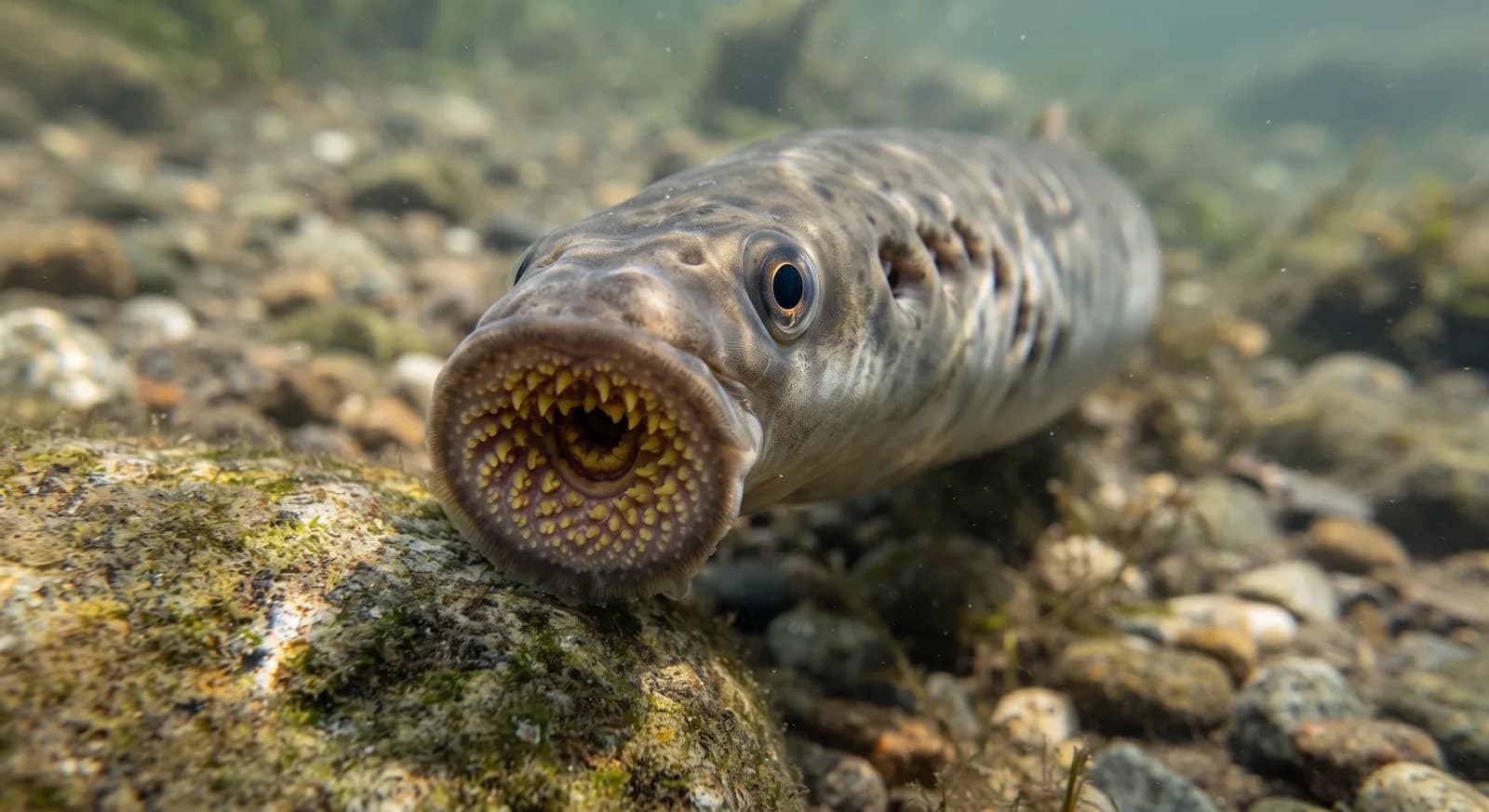 Least Concern
Sea Lamprey
Petromyzon marinus
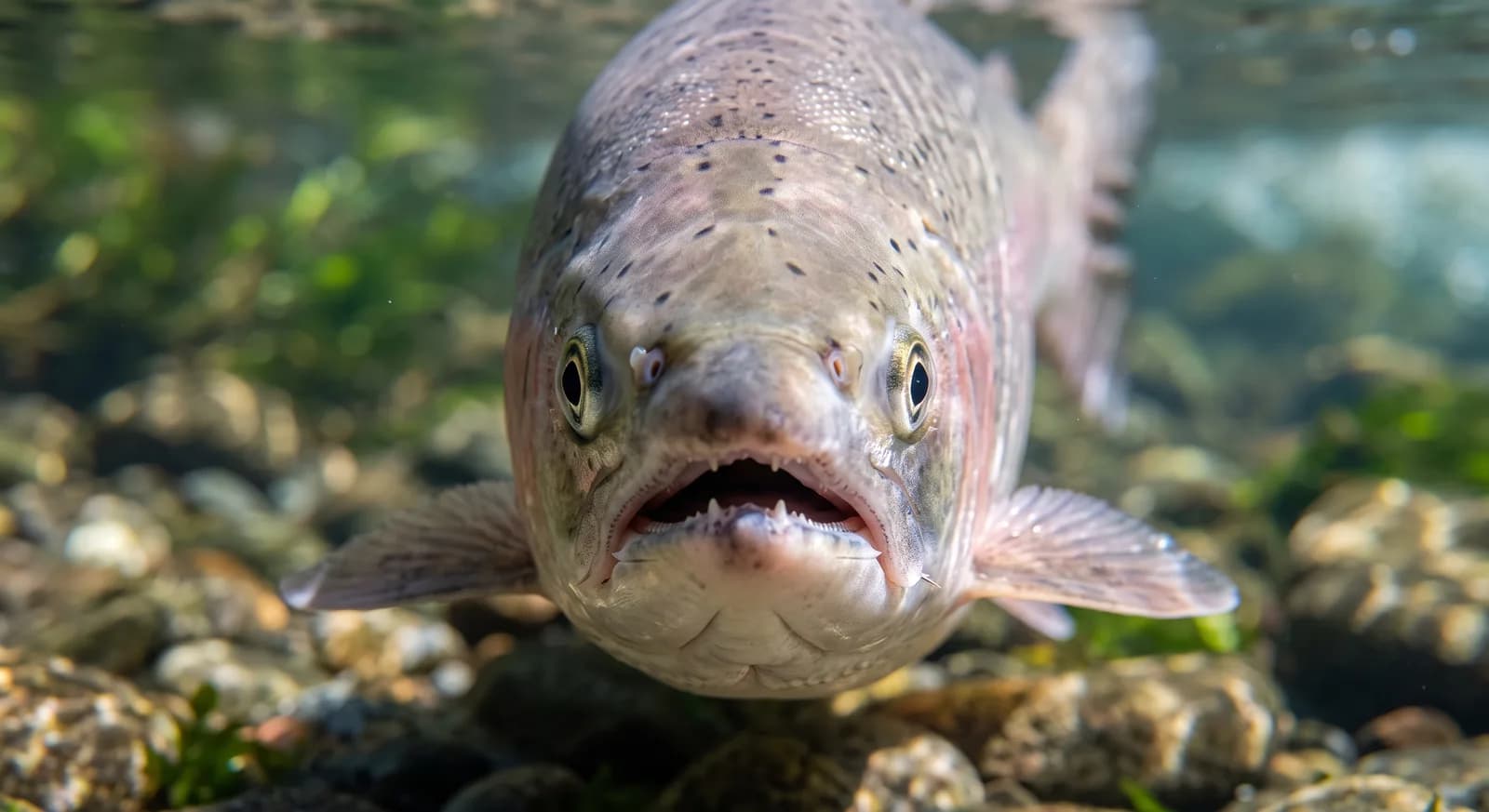 Least Concern
Salmon
Salmo salar
Pike
Esox lucius
European Hake
Merluccius merluccius
Angler
Lophius piscatorius
Greater Pipefish
Syngnathus acus
Keep exploring
Based on what we already know about three-spined stickleback.
Comments
Share an experience, a fun fact or a tip for seeing the three-spined stickleback.
Be the first to comment.