Bony fish · Gadiformes · Merlucciidae
European Hake
Merluccius merluccius
The species is abundant and widely distributed; it faces no significant short-term risk. See full glossary
Its maximum age was long a matter of scientific dispute, finally settled by bomb-radiocarbon dating, which confirmed ages of 22 to 25 years.
Weight
up to 15 kg
Size
up to 1.5 m
Lifespan
20 years
Diet
Carnivore
Feeds mainly on other animals.
Activity
Nocturnal
Active mainly at night.
Social structure
Solitary
Lives and hunts alone, joining others only to breed.
Sighting difficulty
Easy
Fun facts
- It eats small fish and crustaceans; the young feed on zooplankton.
- It lives in demersal waters of the north-eastern Atlantic and the Mediterranean.
- It supports a heavily exploited fishery in European waters.
- By day it stays close to the bottom, and by night it rises and spreads through the water column to hunt.
- It can be identified by the inside of its mouth and its gill cavity, which are completely black.
- From 30 cm onwards it feeds mainly on blue whiting, and on horse mackerel and small fish when younger; it is a key predator in the transfer of energy between trophic levels.
- Overfishing made it mature earlier and smaller: in the Bay of Biscay the size at first maturity fell by some 10 cm between 1996 and 2004, and on the Galician shelf by some 15 cm between 1980 and 1988. It is a measurable evolutionary response to fishing pressure.
- It spawns in batches over a long season, which runs from December to May in Iberian waters and comes later the further north you go.
- Its scientific name comes from the Latin mar and lucius, the pike: the pike of the sea.
Life cycle & biology
- Skeleton type
- Vertebrate - internal bony skeleton (fish)
- Habitat & environment
- Demersal waters of the north-eastern Atlantic and the Mediterranean, from the continental shelf into deep water
- Birth weight
- Pelagic larva after hatching from the egg
- Size at birth
- Pelagic larva at hatching
- Sexual maturity
- Male: 2.5-3 years | Female: 4-4.4 years
- Litter / clutch size
- ~300,000 eggs per female at each spawning
Sources consulted: FishBase; ScienceDirect; ResearchGate; Oxford Academic ICES; DOAJ
Where to find it
See its range on the interactive mapWhere to watch it
Parques y spots de buceo donde se ha documentado esta especie — se muestran 20 de 129 documentados.
Related species
Other species in the catalogue with the most in common with European Hake — same habitat, park, country, tags or family.
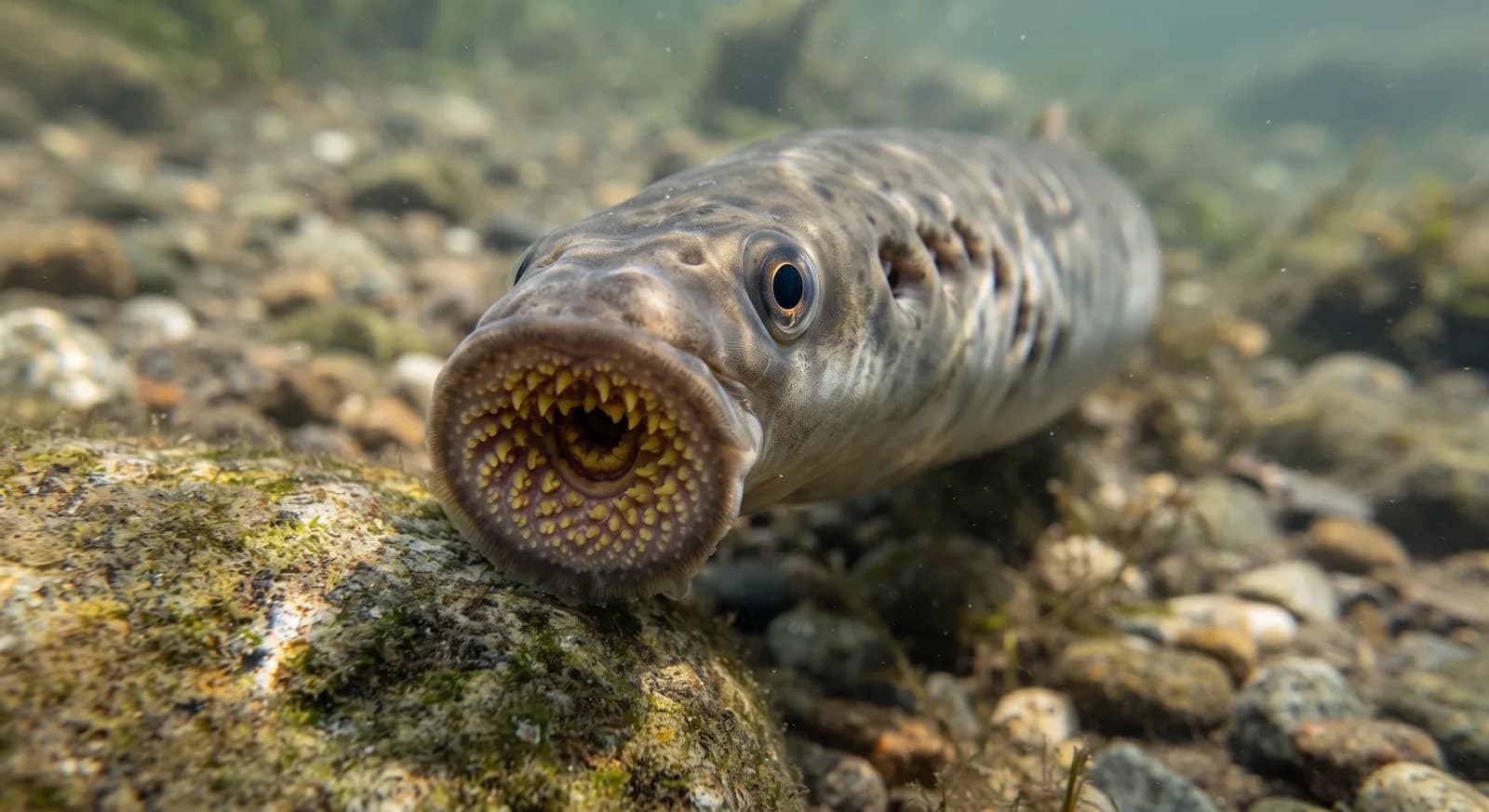 Least Concern
Sea Lamprey
Petromyzon marinus
Hagfish
Myxine glutinosa
Moray Eel
Muraena helena
Angler
Lophius piscatorius
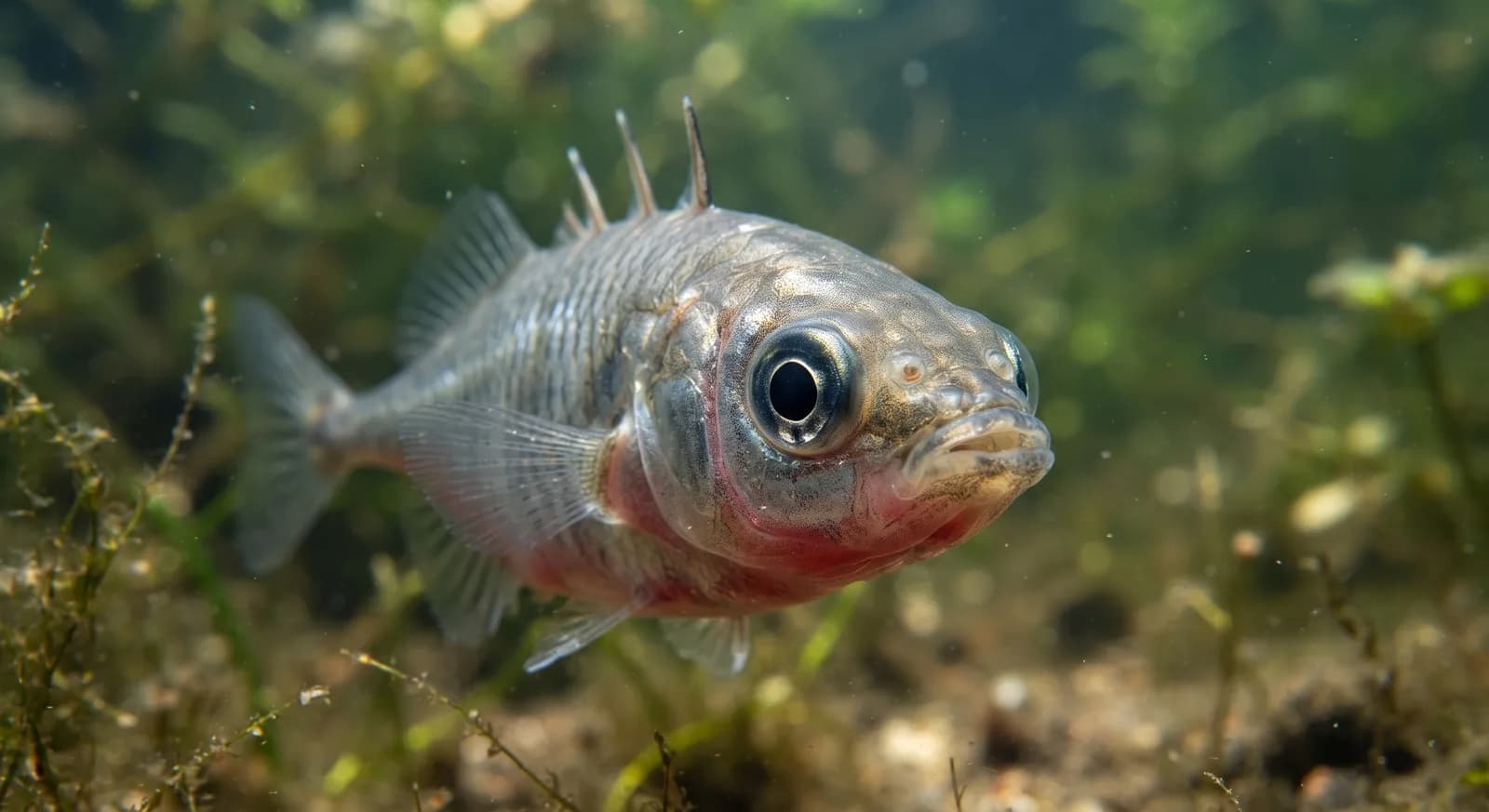 Least Concern
Three-spined Stickleback
Gasterosteus aculeatus
Greater Pipefish
Syngnathus acus
Keep exploring
Based on what we already know about european hake.
Comments
Share an experience, a fun fact or a tip for seeing the european hake.
Be the first to comment.