Bony fish · Cypriniformes · Leuciscidae
Common Bream
Abramis brama
The species is abundant and widely distributed; it faces no significant short-term risk. See full glossary
In the spawning season males grow distinctive small white tubercles on the head and upper body.
Weight
1 kg – 4 kg
Size
30 cm – 55 cm
Lifespan
15 years
Diet
Omnivore
Combines animal and plant food depending on availability.
Activity
Nocturnal
Active mainly at night.
Social structure
School
Gathers in coordinated schools, typical of fish.
Sighting difficulty
Easy
Fun facts
- The spawning migrations of some river populations can run to 100 km.
- It eats insect larvae, molluscs and plant matter sifted from the muddy bottom.
- It lives in slow-flowing rivers, lakes and nutrient-rich reservoirs across Europe and Asia.
Life cycle & biology
- Skeleton type
- Vertebrate - internal bony skeleton (fish)
- Habitat & environment
- Slow-flowing rivers, lakes and nutrient-rich reservoirs across much of Europe and western and Central Asia
- Birth weight
- Tiny larva at hatching
- Size at birth
- Tiny larva at hatching
- Sexual maturity
- 3-5 years (the female later, up to 6-7 years in some populations)
- Gestation / incubation
- The eggs hatch in 3-12 days depending on water temperature
- Litter / clutch size
- 90,000 to 300,000 eggs per kg of body weight, laid in 3-4 batches
Sources consulted: PMC (genome study); Farnham Angling Society; First Nature; Animalia.bio; Biology Insights; Grokipedia; AnAge; FishBase
Where to find it
See its range on the interactive mapBest time: From May to June, during spawning, when it moves into shallow weedy margins.
Where to watch it
Parques y spots de buceo donde se ha documentado esta especie — se muestran 14 de 72 documentados.
Related species
Other species in the catalogue with the most in common with Common Bream — same habitat, park, country, tags or family.
Rudd
Scardinius erythrophthalmus
 Least Concern
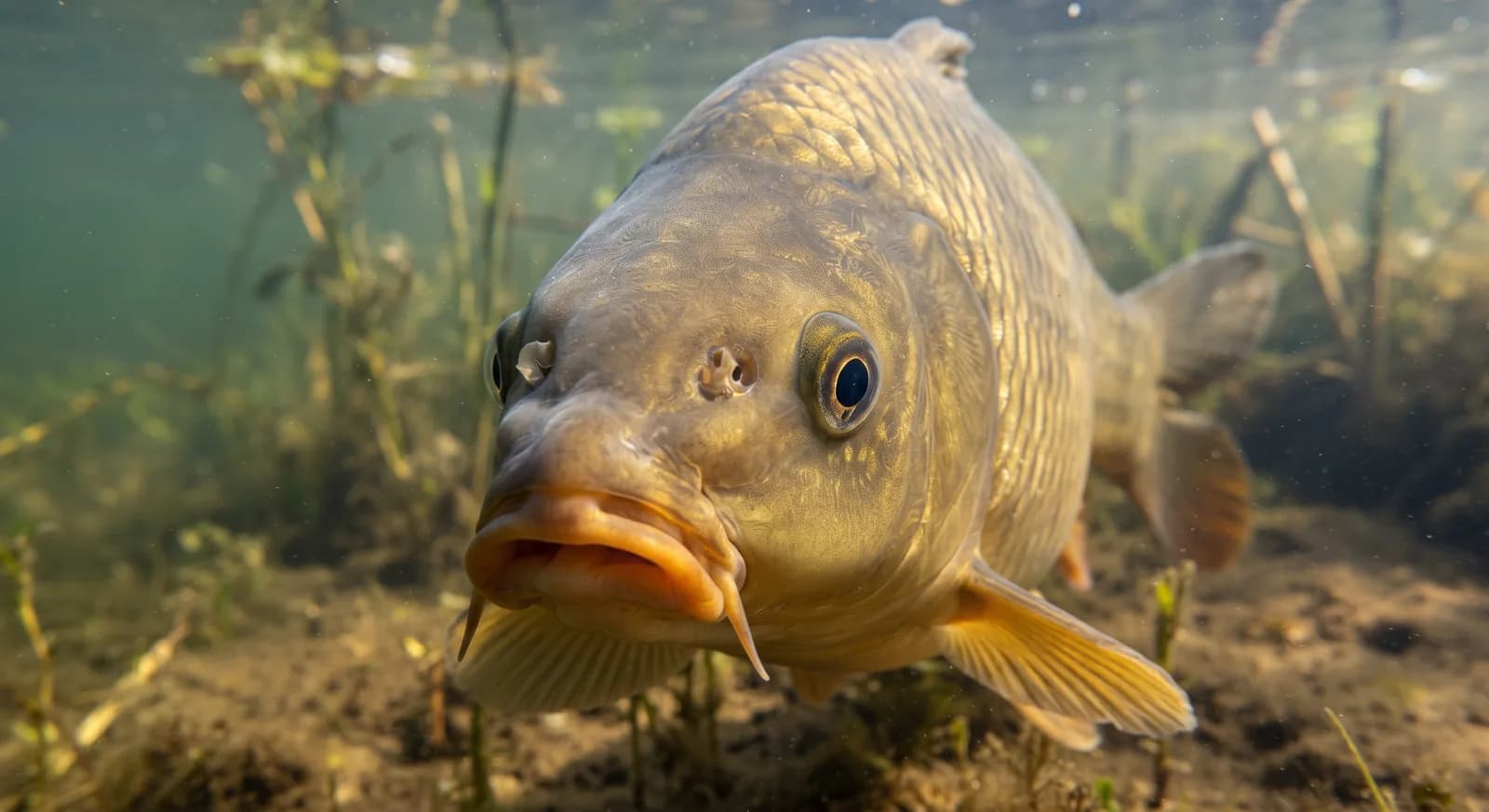
Common Carp
Cyprinus carpio
 Least Concern
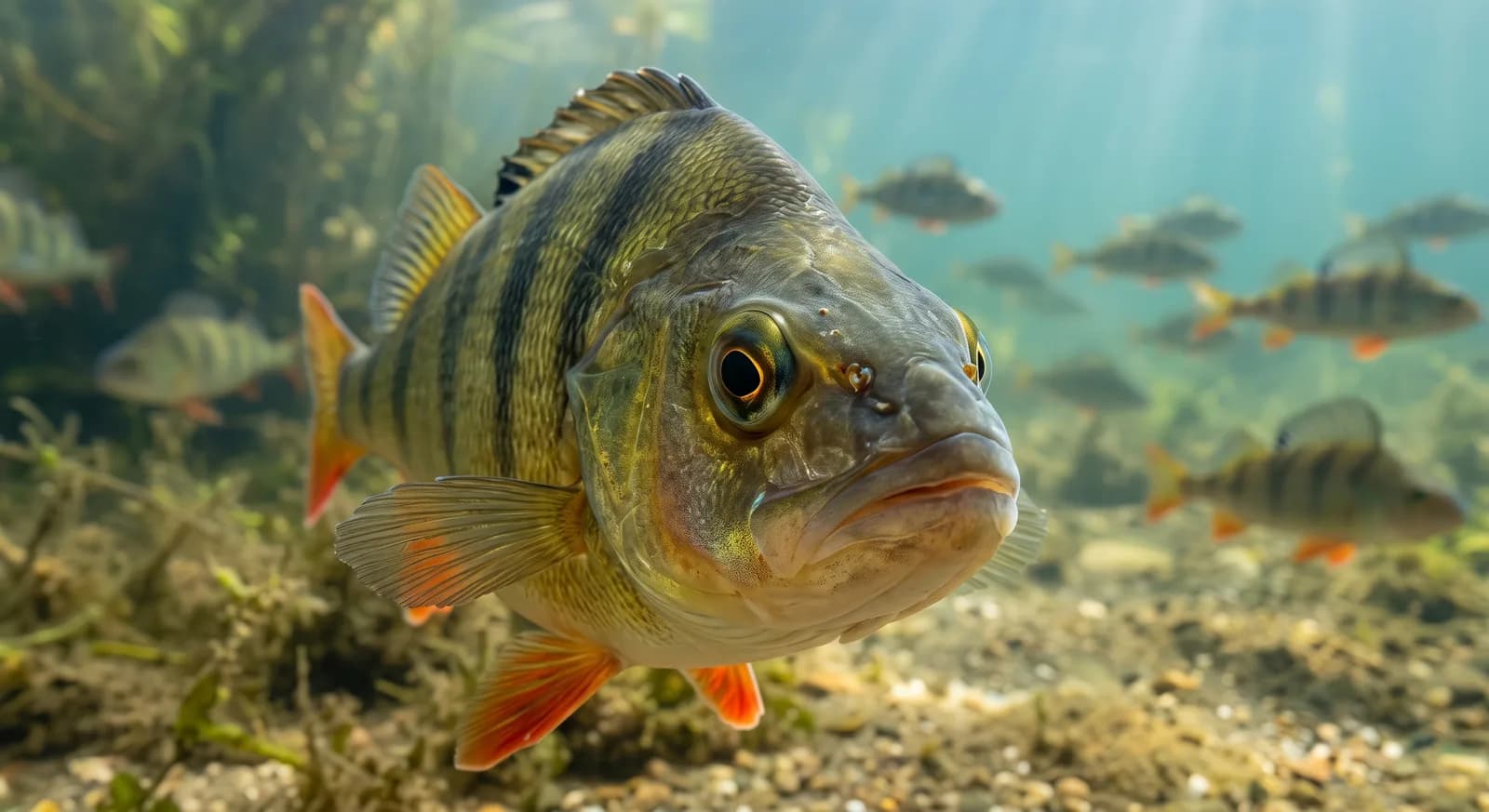
Perch
Perca fluviatilis
Zander
Sander lucioperca
River Lamprey
Lampetra fluviatilis
Atlantic Herring
Clupea harengus
Keep exploring
Based on what we already know about common bream.
Comments
Share an experience, a fun fact or a tip for seeing the common bream.
Be the first to comment.