Bony fish · Cypriniformes · Leuciscidae
Rudd
Scardinius erythrophthalmus
It has not yet been assessed against the IUCN criteria. See full glossary
It is easily told from the roach by its golden-yellow eyes and by its upturned mouth.
Weight
500 g – 2 kg
Size
15 cm – 30 cm
Lifespan
15 years
Diet
Omnivore
Combines animal and plant food depending on availability.
Activity
Diurnal
Active mainly during the day.
Social structure
School
Gathers in coordinated schools, typical of fish.
Sighting difficulty
Unknown
Fun facts
- It eats water plants, algae, invertebrates and insects taken at the surface.
- It lives in still, well-vegetated water across much of Europe and Central Asia.
- It is considered invasive in some regions outside its native range.
Life cycle & biology
- Skeleton type
- Vertebrate - internal bony skeleton (fish)
- Habitat & environment
- Still, well-vegetated water across much of Europe and Central Asia, absent from Iberia, Scotland and northern Scandinavia
- Birth weight
- A tiny larva on hatching, stuck to water plants
- Size at birth
- Tiny larva at hatching
- Sexual maturity
- 1-3 years
- Litter / clutch size
- 3,500 to 232,000 adhesive eggs laid among submerged vegetation
Sources consulted: FishBase; Billouttes.eu; IUCN GISD; Minnesota DNR; Animalia.bio; Fishipedia
Where to find it
See its range on the interactive mapWhere to watch it
Parques y spots de buceo donde se ha documentado esta especie — se muestran 13 de 82 documentados.
Related species
Other species in the catalogue with the most in common with Rudd — same habitat, park, country, tags or family.
Common Bream
Abramis brama
 Least Concern
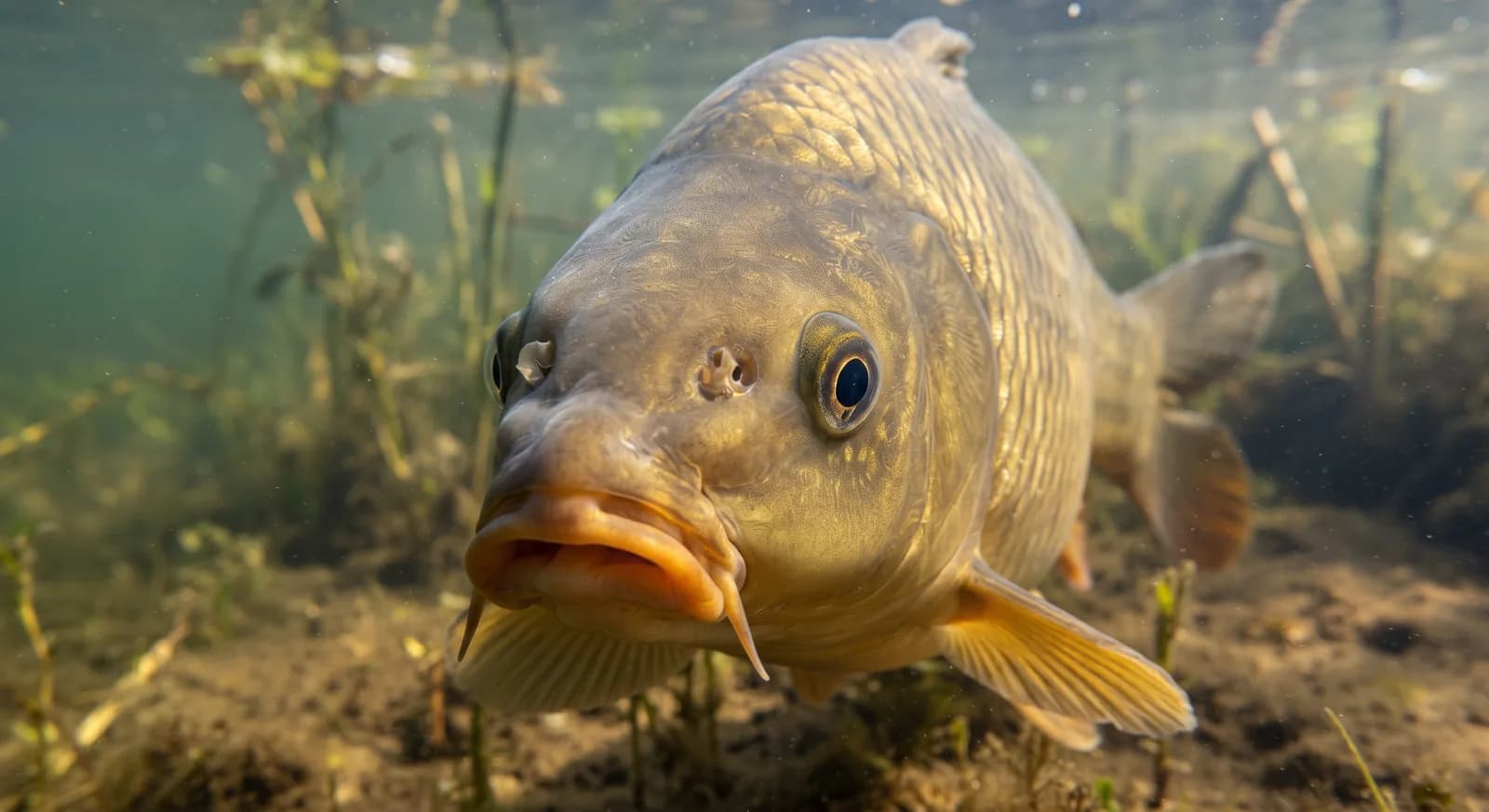
Common Carp
Cyprinus carpio
 Least Concern
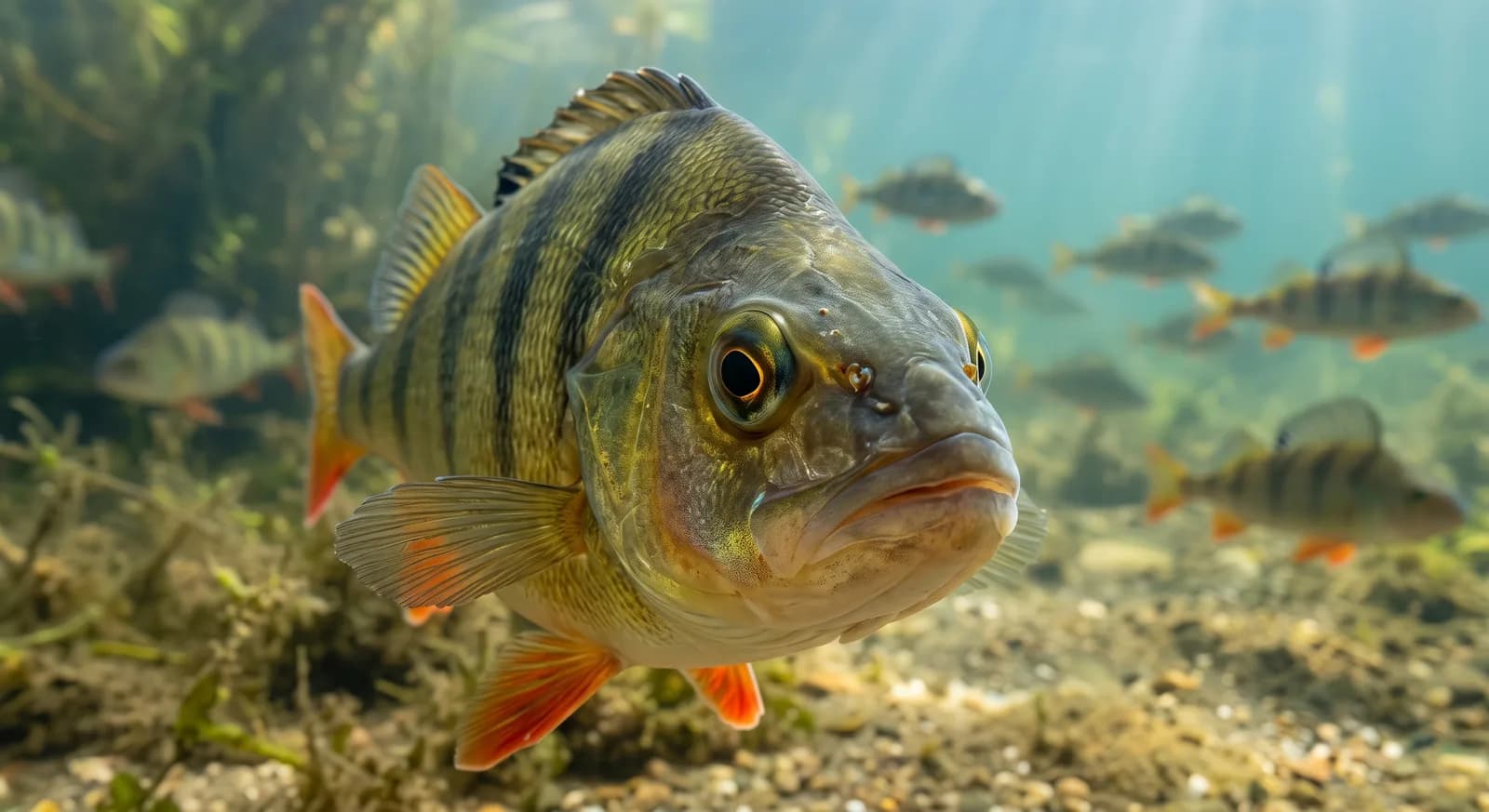
Perch
Perca fluviatilis
Powan
Coregonus lavaretus
 Least Concern
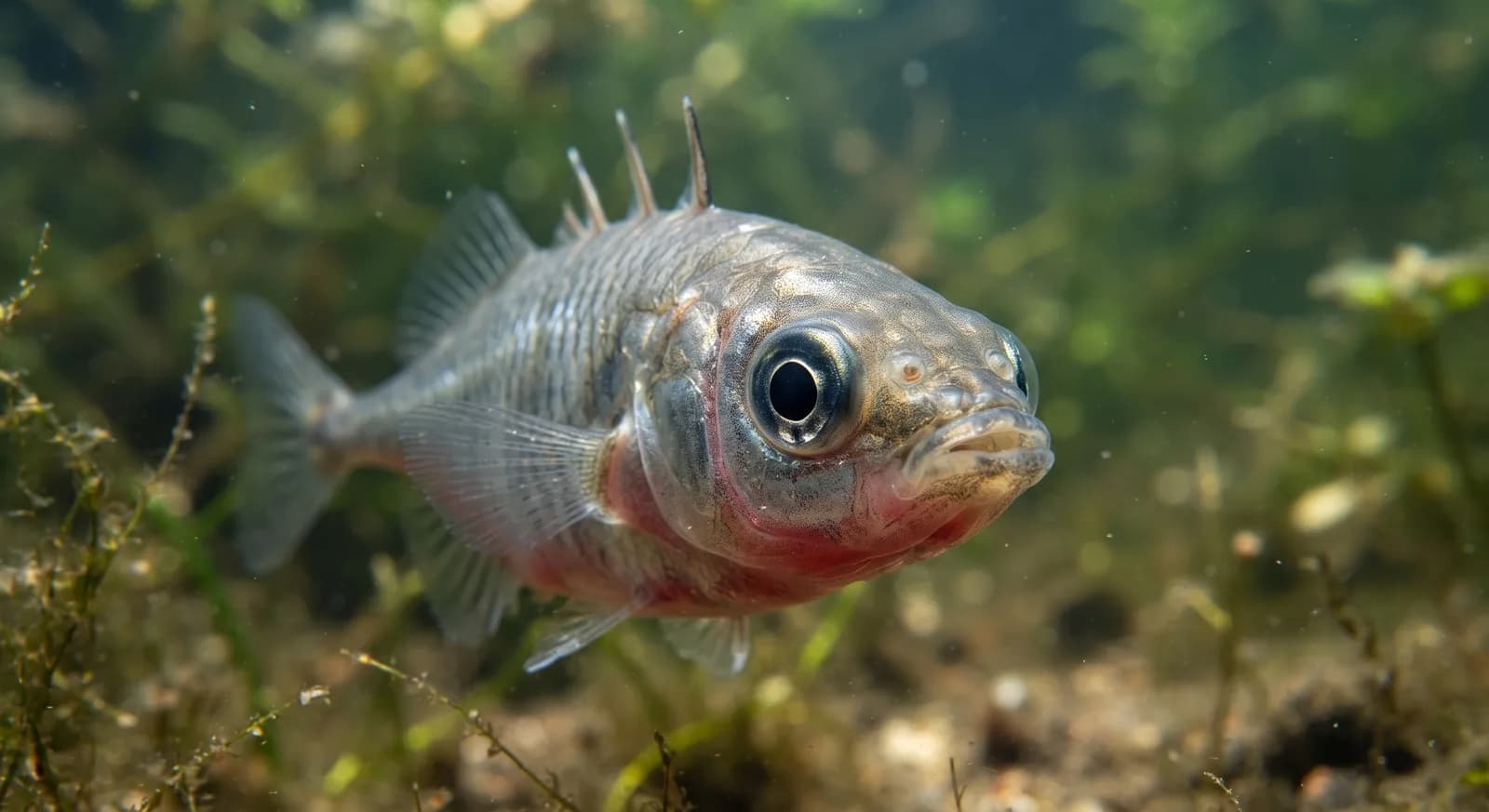
Three-spined Stickleback
Gasterosteus aculeatus
Iberian Straight-Mouth Nase
Pseudochondrostoma polylepis
Keep exploring
Based on what we already know about rudd.
Comments
Share an experience, a fun fact or a tip for seeing the rudd.
Be the first to comment.