Bony fish · Salmoniformes · Salmonidae
Powan
Coregonus lavaretus
It faces a high risk of extinction in the wild over the medium term. See full glossary
It is an extraordinarily polymorphic species, with several morphs adapted to different lake or anadromous habitats within the same species, each varying markedly in shape and diet.
Weight
1 kg – 10 kg
Size
30 cm – 73 cm
Lifespan
12 years
Diet
Carnivore
Feeds mainly on other animals.
Activity
Diurnal
Active mainly during the day.
Social structure
School
Gathers in coordinated schools, typical of fish.
Sighting difficulty
Moderate
Fun facts
- It has several distinct morphs adapted to lake or anadromous habitats within the same species.
- It lives mainly in deep, cold lakes, especially in the Alps and Great Britain.
- It has been maturing earlier over recent decades as water temperatures rise.
Life cycle & biology
- Skeleton type
- Vertebrate - internal bony skeleton (fish)
- Habitat & environment
- Deep, cold lakes of Europe, especially in the Alps and Great Britain, with some anadromous populations in the Baltic
- Birth weight
- Egg laid in gravel; a tiny larva on hatching
- Size at birth
- A tiny larva on hatching, after winter spawning in shallow gravel
- Sexual maturity
- Male: 1 year (in managed breeding populations) | Female: 2 years (in the wild, 2-5 years depending on the region)
- Gestation / incubation
- The egg develops through the winter months into spring
- Litter / clutch size
- 3,600 eggs per female at a first spawning; up to 8,000 at later ones
Sources consulted: Aquatic Living Resources (Baltic Sea maturity study); ResearchGate (Lake Gaładuś brood stock study); FishBase; AdriaticNature; Grokipedia
Where to find it
See its range on the interactive mapBest time: From November to January, during spawning, when it gathers over shallow gravel bottoms in Alpine and northern European lakes.
Where to watch it
Parques y spots de buceo donde se ha documentado esta especie — se muestran 17 de 84 documentados.
Related species
Other species in the catalogue with the most in common with Powan — same habitat, park, country, tags or family.
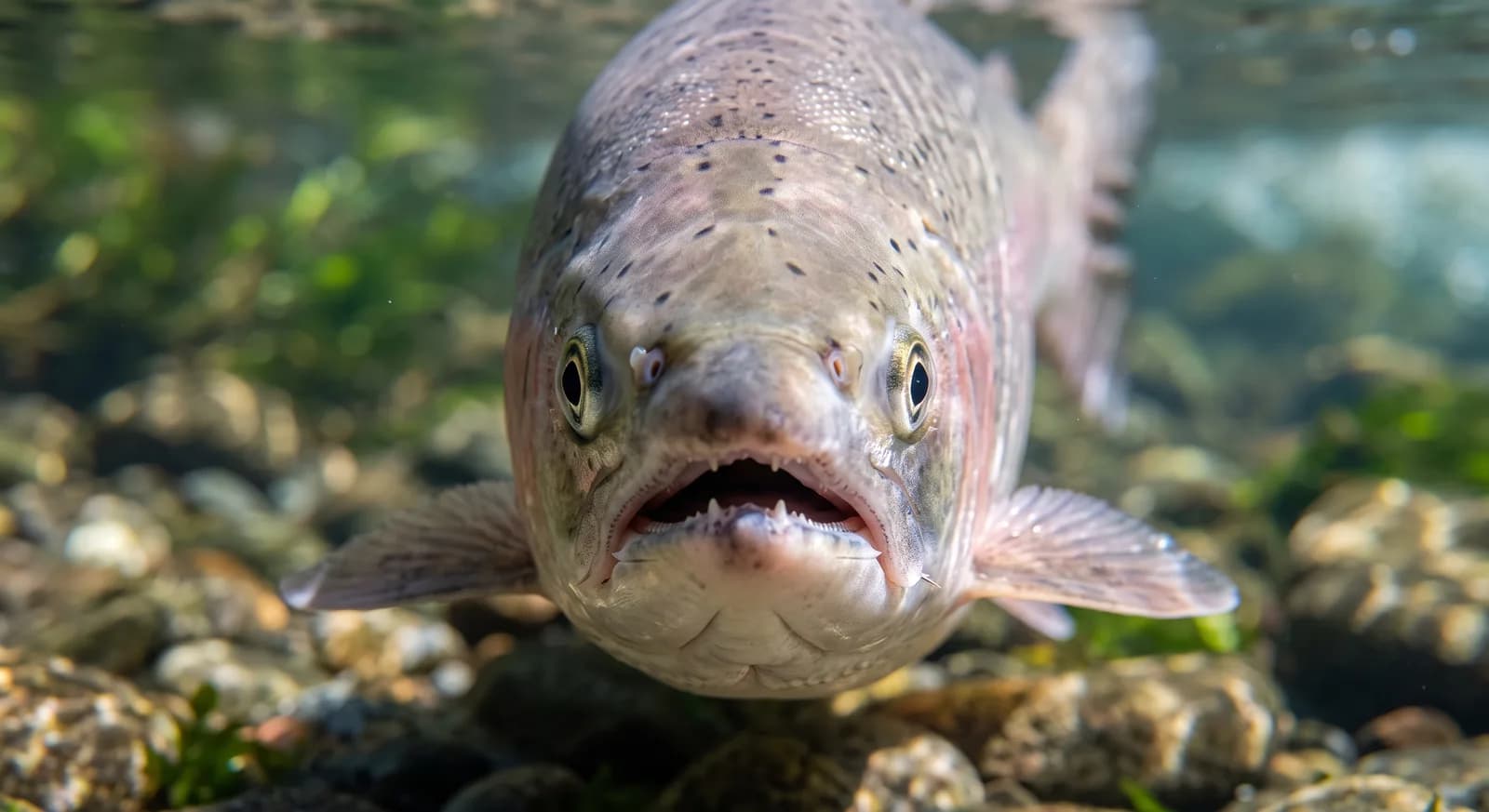
Arctic Charr
Salvelinus alpinus
 Not Evaluated
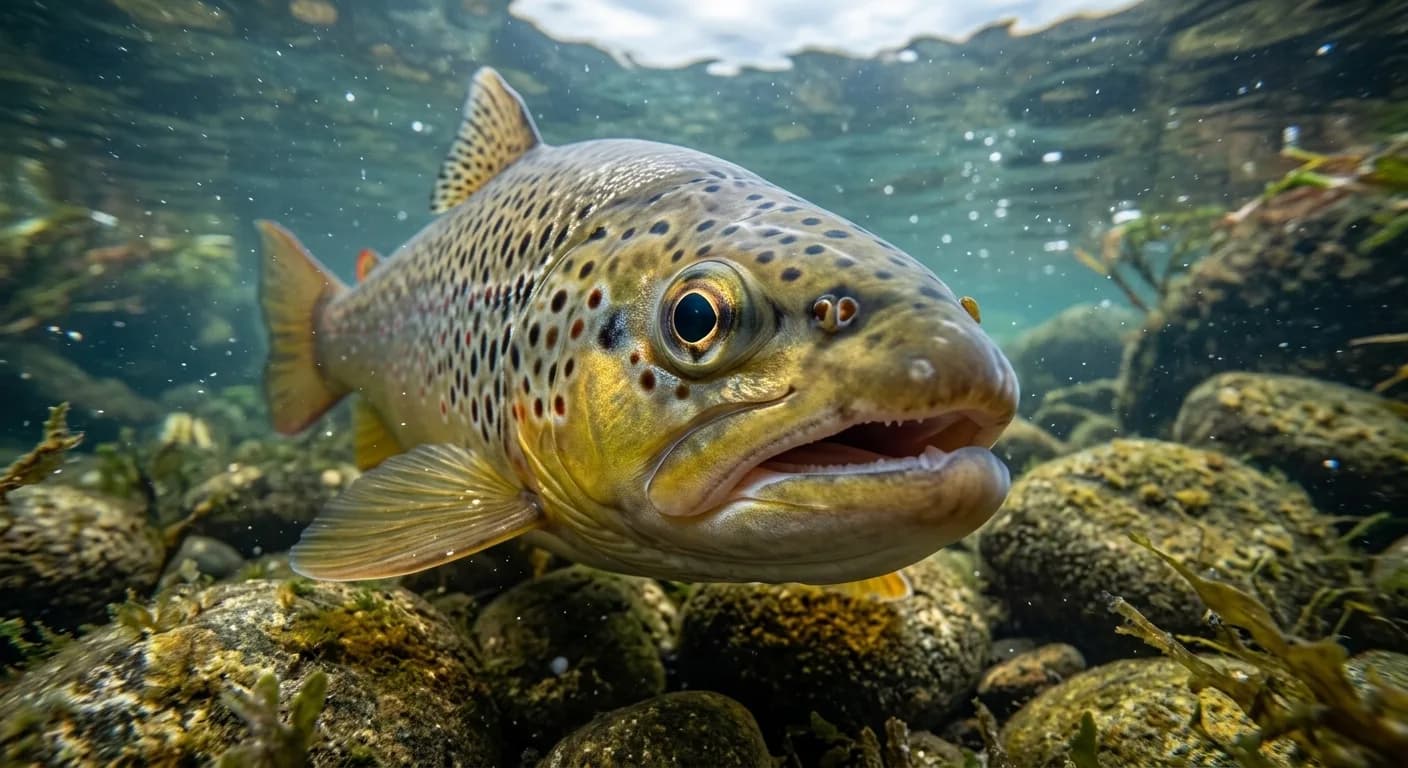
Brown Trout
Salmo trutta
 Least Concern
Salmon
Salmo salar
Spurdog
Squalus acanthias
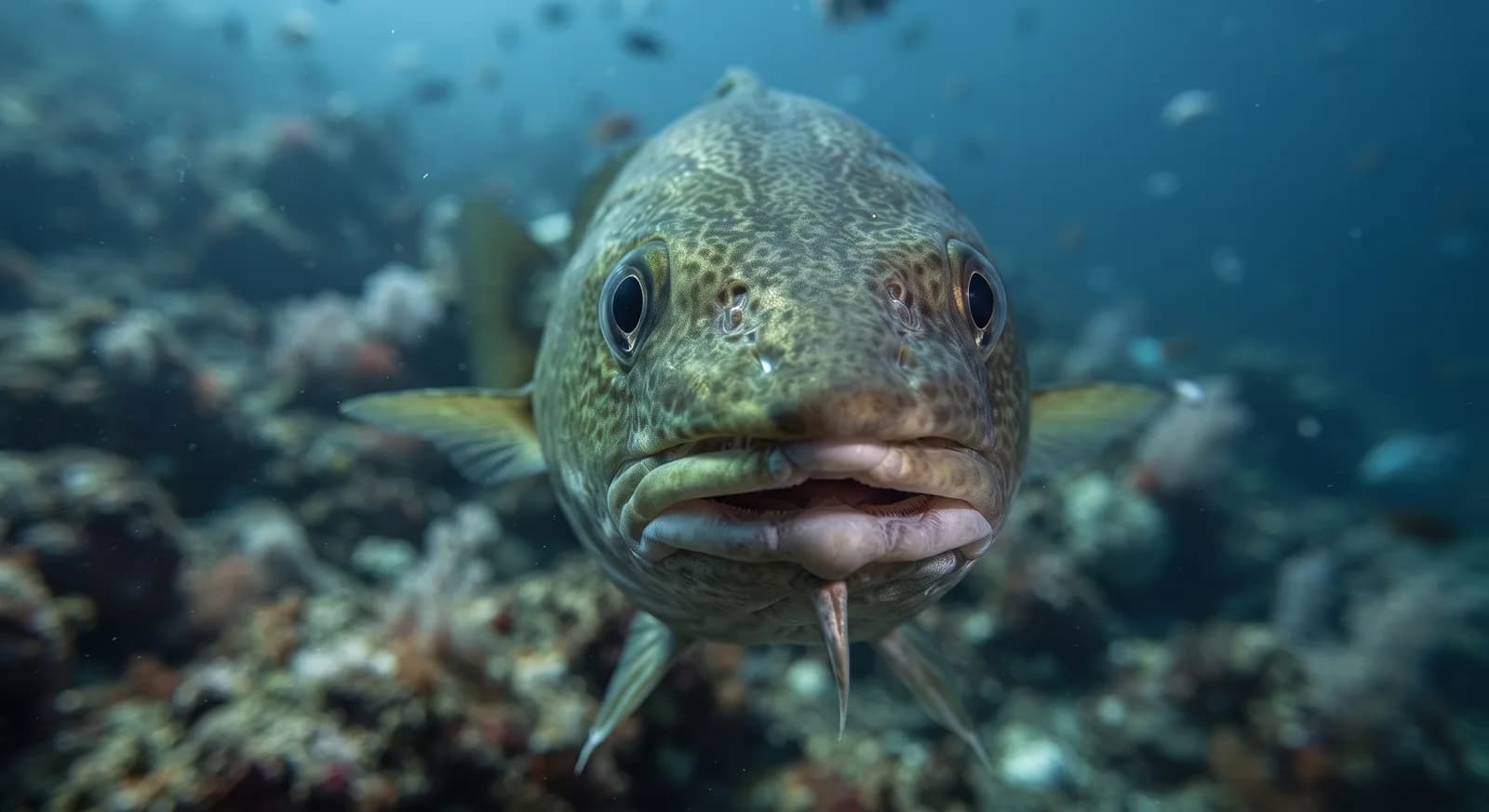 Vulnerable
Cod
Gadus morhua
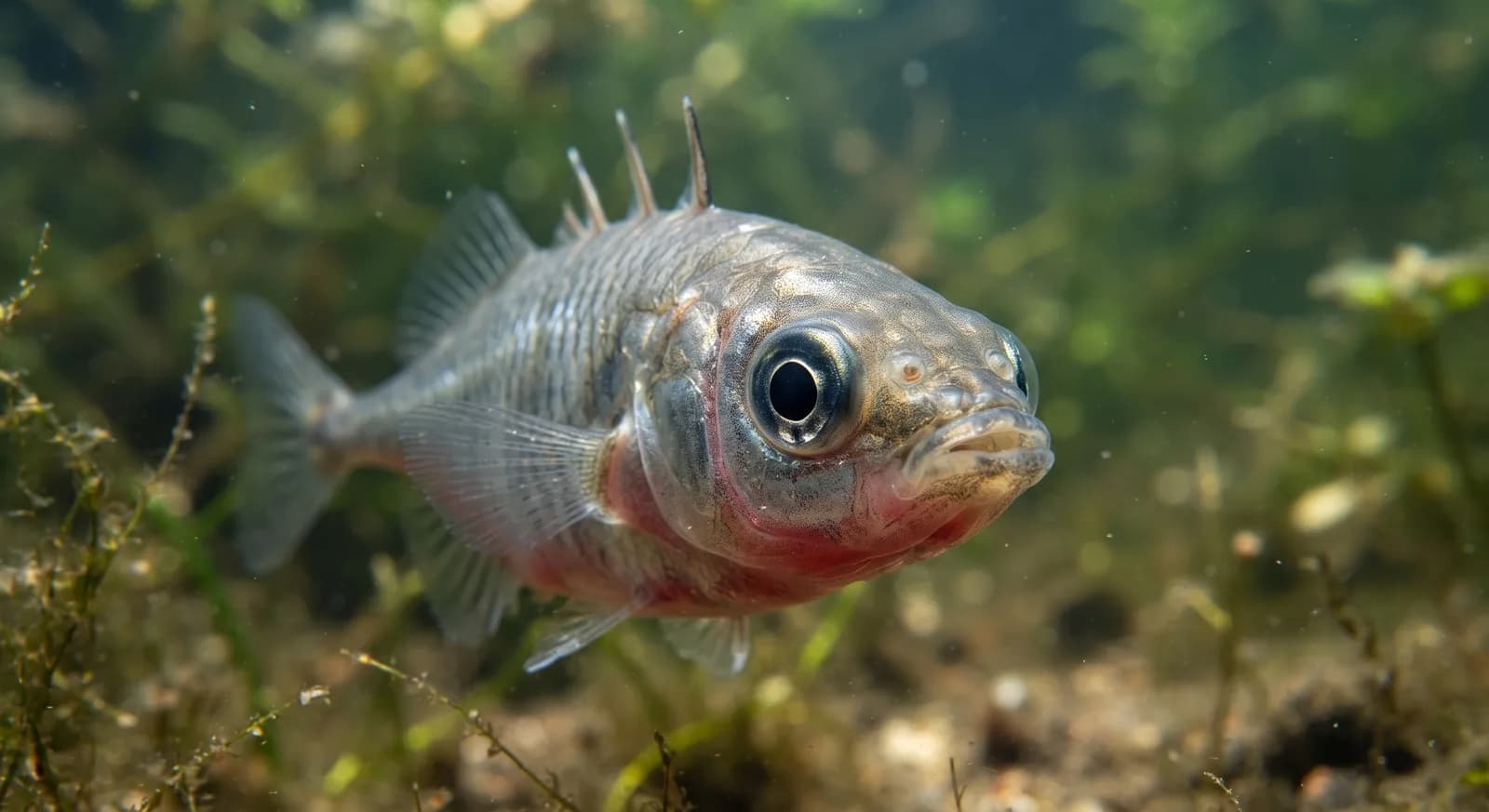 Least Concern
Three-spined Stickleback
Gasterosteus aculeatus
How to help
The powan is classified as vulnerable. Organizations such as UICN, WWF y Wildlife Conservation Society work specifically on its conservation and that of its habitat; looking into their programs is a good starting point if you want to get involved.
It's documented in 11 real protected areas — part of why protecting these places matters for its conservation.
Keep exploring
Based on what we already know about powan.
Comments
Share an experience, a fun fact or a tip for seeing the powan.
Be the first to comment.