Bony fish · Cypriniformes · Leuciscidae
Iberian Straight-Mouth Nase
Pseudochondrostoma polylepis
It could become endangered in the near future if current threats go unchecked. See full glossary
A cyprinid endemic to the Iberian Peninsula, native to the Tagus, the Douro and other rivers of the western half of the peninsula. It has a ventral mouth with a straight horny lip with which it scrapes the algae clinging to the stones of the riverbed. It forms large shoals in the middle reaches of rivers.
Size
20 cm – 50 cm
Diet
Herbivore
Feeds mainly on plants.
Social structure
Colony
Lives in large concentrations, often for breeding reasons.
Sighting difficulty
Moderate
Fun facts
- GeneralEndemic to Iberia; it scrapes algae off the stones with its mouth.
- Its lower lip is a sharp horny plate, almost a blade, adapted to scraping the algal biofilm from river cobbles.
- It makes migrations of tens of kilometres upstream to spawn over gravel, movements that are blocked by dams and weirs.
- It is an Iberian endemic: it lives only in the basins of the Tagus, the Douro, the Guadiana and a few smaller rivers of Portugal and Spain.
- It scrapes the algal biofilm off stones with a mouth whose lower lip is horny and sharp-edged, an adaptation it shares with the other Iberian nases.
- Its populations suffer from dams, which fragment the rivers and stop it running upstream to its spawning grounds, and from introduced species such as the wels catfish and the black bass.
- The Iberian freshwater fish fauna has an extremely high share of endemics, and this genus is a good example: each major basin has its own species of nase.
Life cycle & biology
- Skeleton type
- Vertebrate - internal bony skeleton (fish)
- Habitat & environment
- Rivers and streams of the Tagus, Duero and Guadiana basins
Sources consulted: https://es.wikipedia.org/wiki/Pseudochondrostoma_polylepis
Where to find it
See its range on the interactive mapBest time: Spring, during the upstream spawning migrations
Where to watch it
Parques y spots de buceo donde se ha documentado esta especie — se muestran 10 de 21 documentados.
Related species
Other species in the catalogue with the most in common with Iberian Straight-Mouth Nase — same habitat, park, country, tags or family.
Rudd
Scardinius erythrophthalmus
Sea Bass
Dicentrarchus labrax
Black-tailed Godwit
Limosa limosa
 Near Threatened
European Rabbit
Oryctolagus cuniculus
 Near Threatened
European Otter
Lutra lutra
 Near Threatened
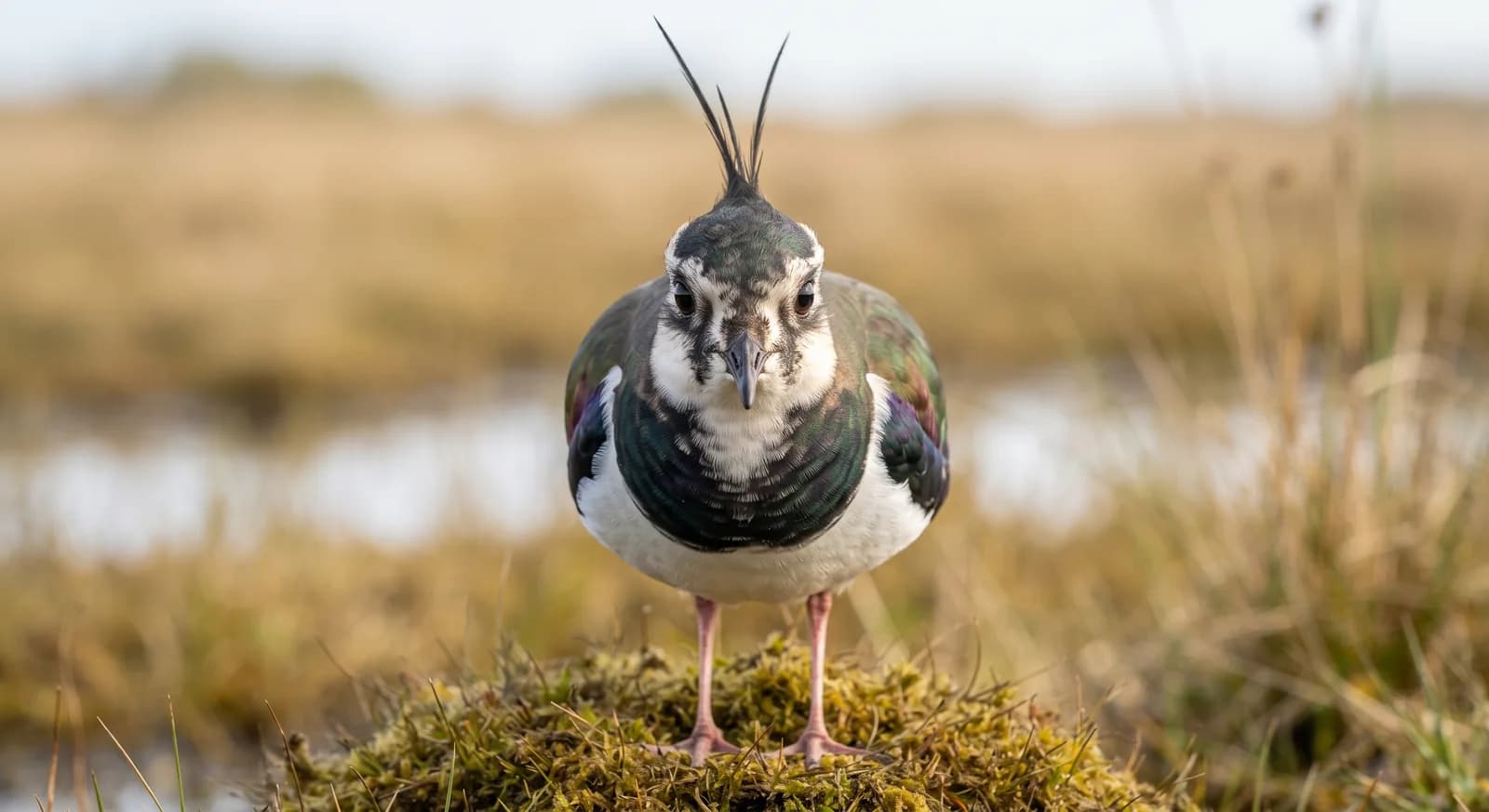
Northern Lapwing
Vanellus vanellus
Keep exploring
Based on what we already know about iberian straight-mouth nase.
Comments
Share an experience, a fun fact or a tip for seeing the iberian straight-mouth nase.
Be the first to comment.