One of the 8 pelicans on WAnimals
Birds · Pelecaniformes · Pelecanidae
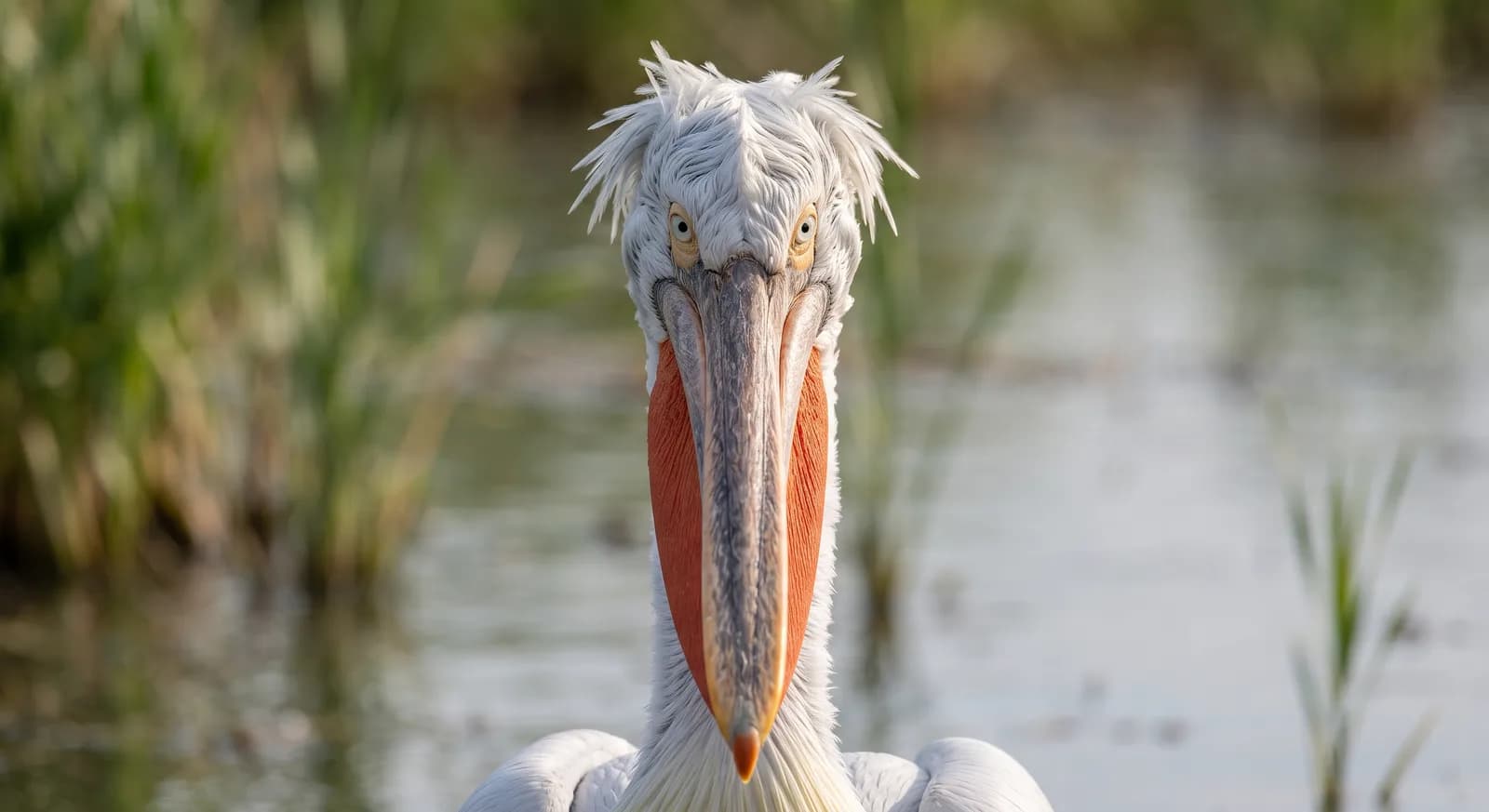
Dalmatian Pelican
Pelecanus crispus
It could become endangered in the near future if current threats go unchecked. See full glossary
The largest of all the pelicans and one of the heaviest flying birds in the world. Silvery white plumage with dark wingtips, curled nape feathers that give it a shaggy look, grey legs and a gular pouch of intense orange in the breeding season that turns yellow for the rest of the year. The iris is pale and the bill clean, without spotting.
Weight
15 kg on average
Size
1.8 m on average
Diet
Piscivore
Feeds mainly on fish.
Activity
Diurnal
Active mainly during the day.
Social structure
Colony
Lives in large concentrations, often for breeding reasons.
Sighting difficulty
Moderate
Estimated population
11,400-13,400 mature individuals
Fun facts
- It flies at around 75 km/h and the flocks move in synchrony, in very striking formations.
- It fishes in groups: the flocks cooperate in driving a shoal of fish into the shallows, then dip and fill the gular pouch with fish and water, which they empty by raising the head.
- Albania chose it for the 1 lek coin, minted in 1996, 2008 and 2013, because part of its wintering and migration range lies in the country.
Life cycle & biology
- Skeleton type
- Vertebrate - internal bony skeleton (bird)
- Habitat & environment
- Rivers, extensive wetlands and estuaries. It ranges from the eastern Mediterranean to the Taiwan Strait and from the Persian Gulf to Siberia, with short- and medium-distance migratory movements
- Sexual maturity
- Pairing takes place a week after arriving at the breeding grounds
- Litter / clutch size
- It nests in colonies in marshland. It is serially monogamous: it pairs by season, not for life, and starts courtship afresh each year
Sources consulted: IUCN Red List; Animalia.bio (ficha con datos IUCN); Wikipedia (Dalmatian pelican); eBird; Johnsgard 1993; Svensson 2023; Bruch 1832
Where to find it
See its range on the interactive mapBest time: All year round on rivers, large wetlands and estuaries, often in big flocks
Where to watch it
Parques y spots de buceo donde se ha documentado esta especie — se muestran 10 de 14 documentados.
Related species
Other species in the catalogue with the most in common with Dalmatian Pelican — same habitat, park, country, tags or family.
 Least Concern
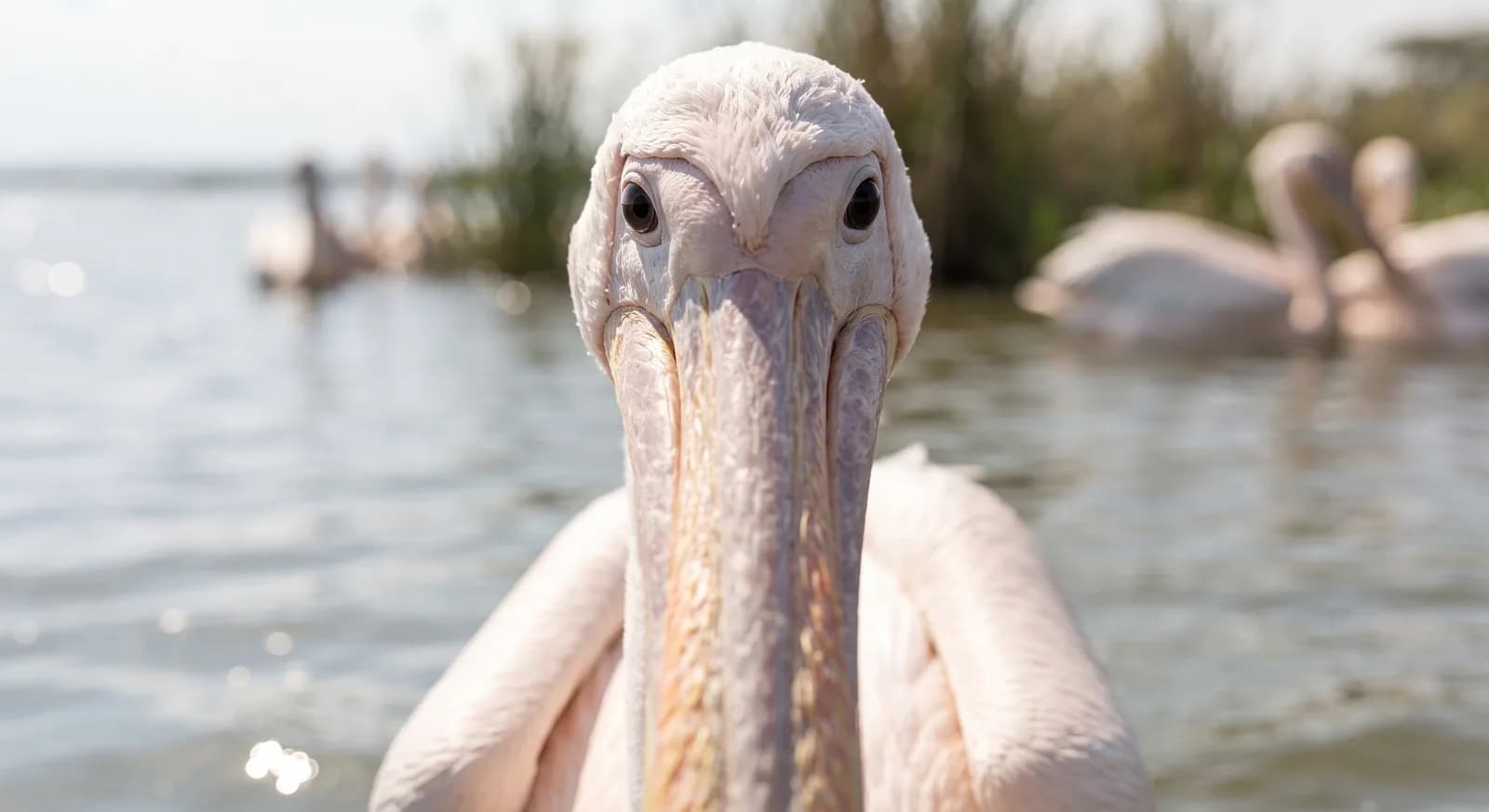
Great White Pelican
Pelecanus onocrotalus
 Least Concern
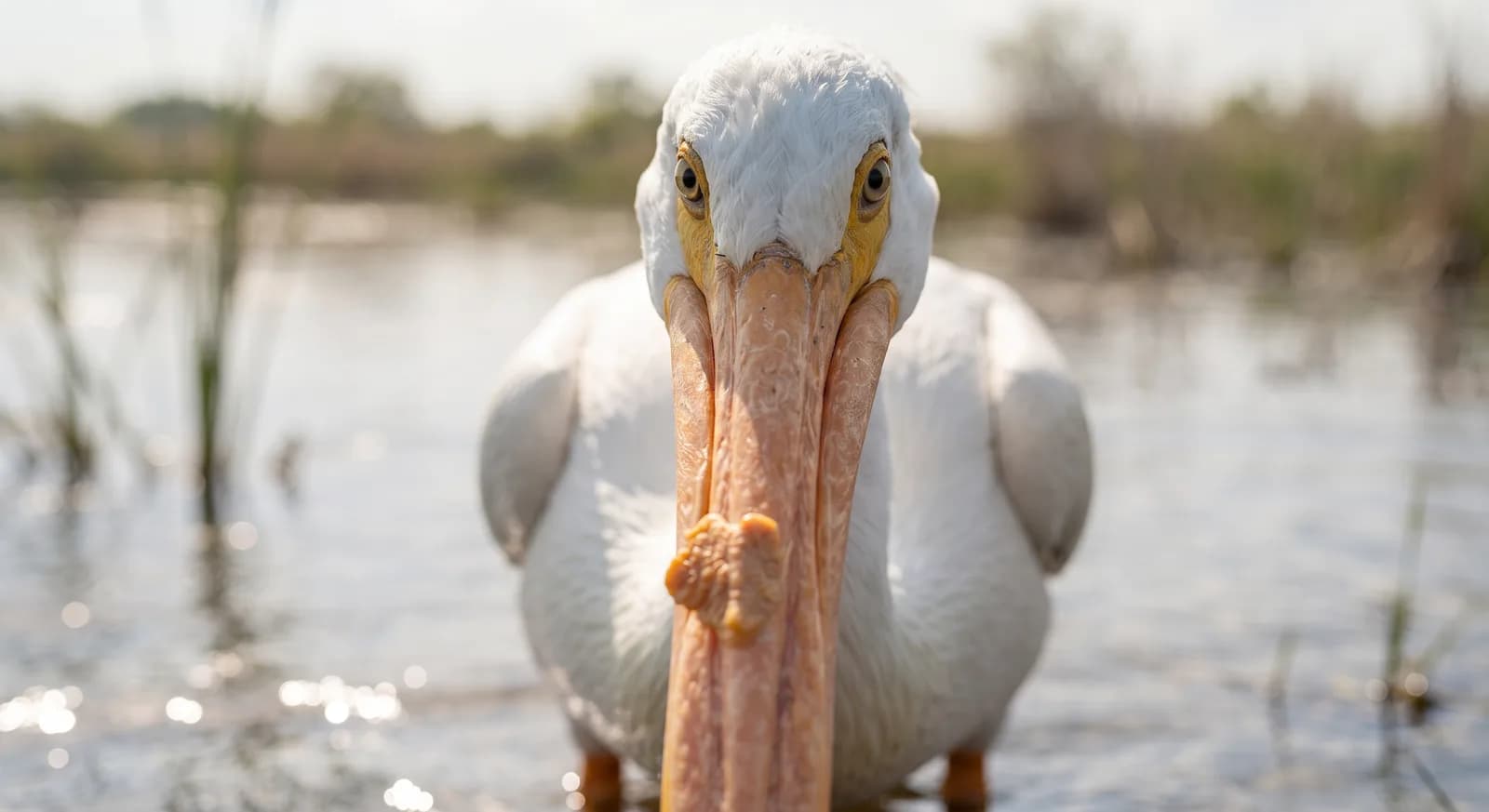
American White Pelican
Pelecanus erythrorhynchos
Black-tailed Godwit
Limosa limosa
Red-footed Falcon
Falco vespertinus
 Near Threatened
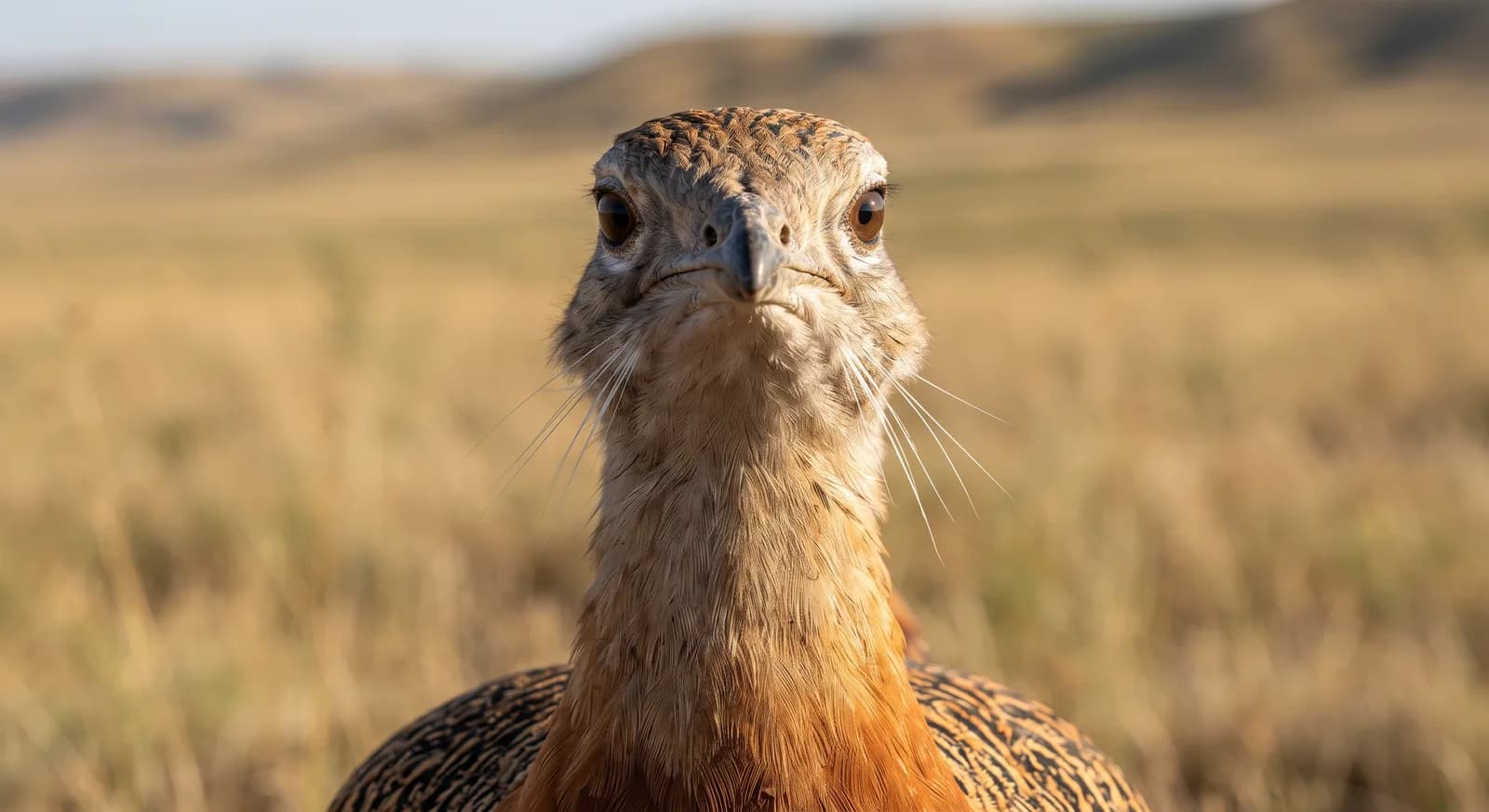
Great Bustard
Otis tarda
 Near Threatened
Northern Lapwing
Vanellus vanellus
Keep exploring
Based on what we already know about dalmatian pelican.
Comments
Share an experience, a fun fact or a tip for seeing the dalmatian pelican.
Be the first to comment.