One of the 8 pelicans on WAnimals
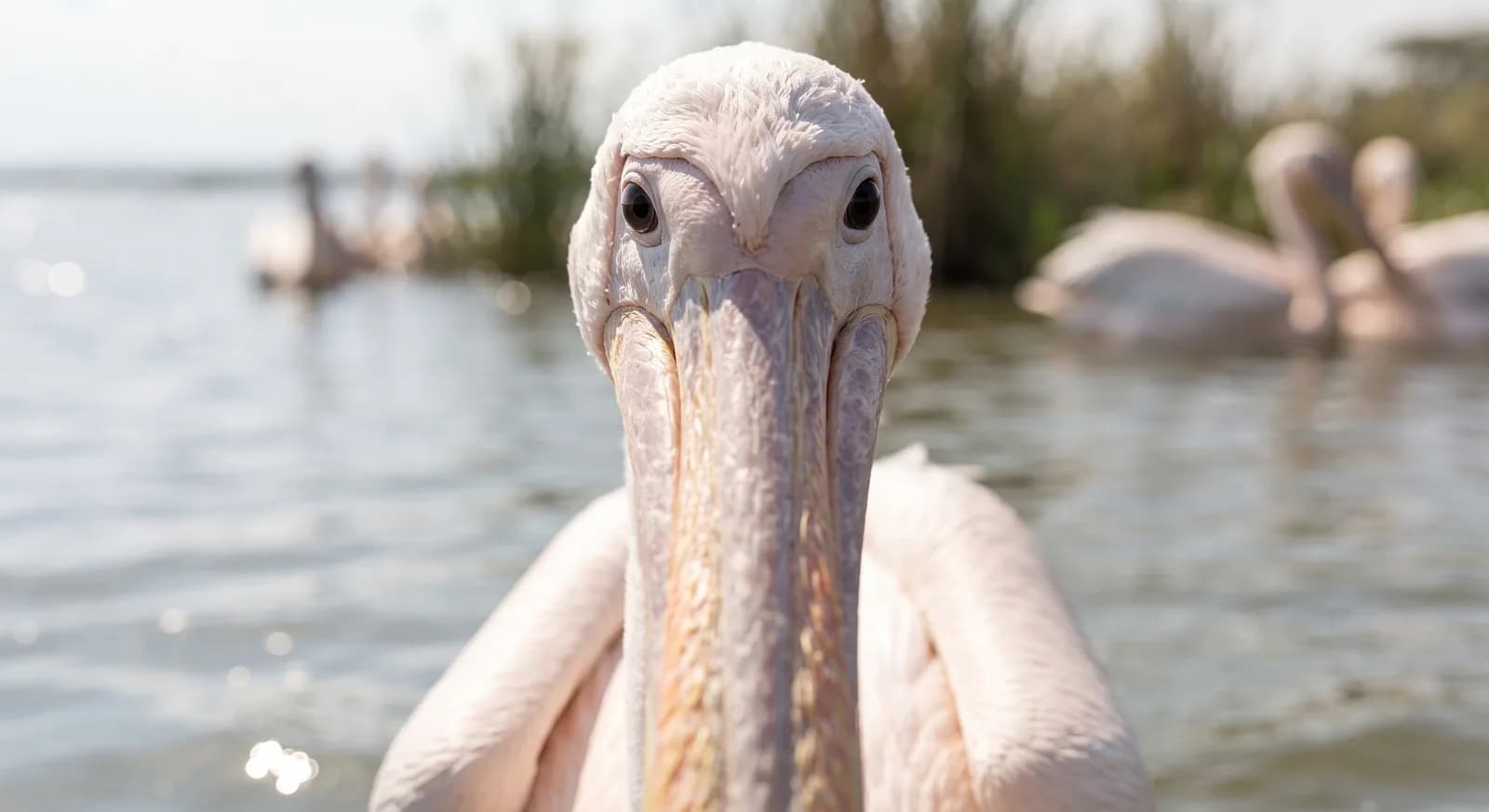
Birds · Pelecaniformes · Pelecanidae
Great White Pelican
Pelecanus onocrotalus
The species is abundant and widely distributed; it faces no significant short-term risk. See full glossary
A very large bird with white plumage, a long neck and bill and an extensible yellow gular pouch. The wings are broad, with black tips and trailing edge. It flies slowly, with its neck drawn back in an S like a heron's. There is no sexual dimorphism in the plumage.
Weight
10 kg – 20 kg
Size
1.4 m – 1.6 m
Diet
Piscivore
Feeds mainly on fish.
Activity
Diurnal
Active mainly during the day.
Social structure
Colony
Lives in large concentrations, often for breeding reasons.
Sighting difficulty
Easy
Fun facts
- anatomíaIt can hold several litres of water and fish in the elastic pouch of its lower bill, draining the water off before swallowing the catch.
- It is one of the widest-winged birds in the world, at up to 3.6 m from wingtip to wingtip.
- It is the type species of the genus Pelecanus, described by Linnaeus in 1758.
- It shares its habitat with the pink-backed pelican, from which it is told by being larger and white rather than greyish.
Life cycle & biology
- Skeleton type
- Vertebrate - internal bony skeleton (bird)
- Habitat & environment
- Large wetlands, lakes and deltas of Africa, south-eastern Europe and western Asia
- Sexual maturity
- 3.5 years
Sources consulted: IUCN Red List; Wikipedia (Pelecanus onocrotalus); Animalia.bio; Animal Diversity Web (Fawkes); Linnaeus 1758
Where to find it
See its range on the interactive mapBest time: All year round in the large wetlands of Africa and south-eastern Europe
Where to watch it
Parques y spots de buceo donde se ha documentado esta especie — se muestran 10 de 22 documentados.
Related species
Other species in the catalogue with the most in common with Great White Pelican — same habitat, park, country, tags or family.
Pink-Backed Pelican
Pelecanus rufescens
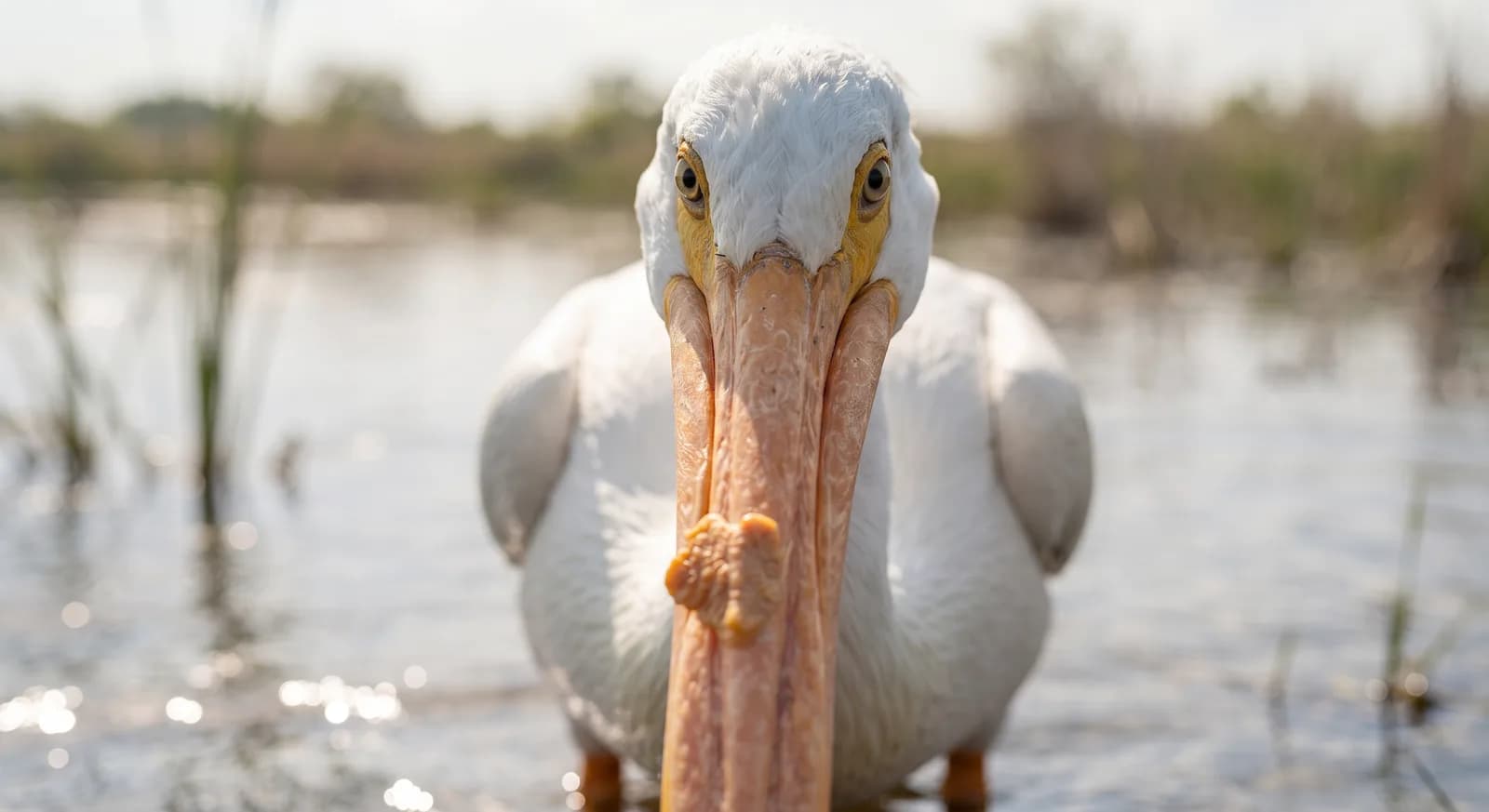 Least Concern
American White Pelican
Pelecanus erythrorhynchos
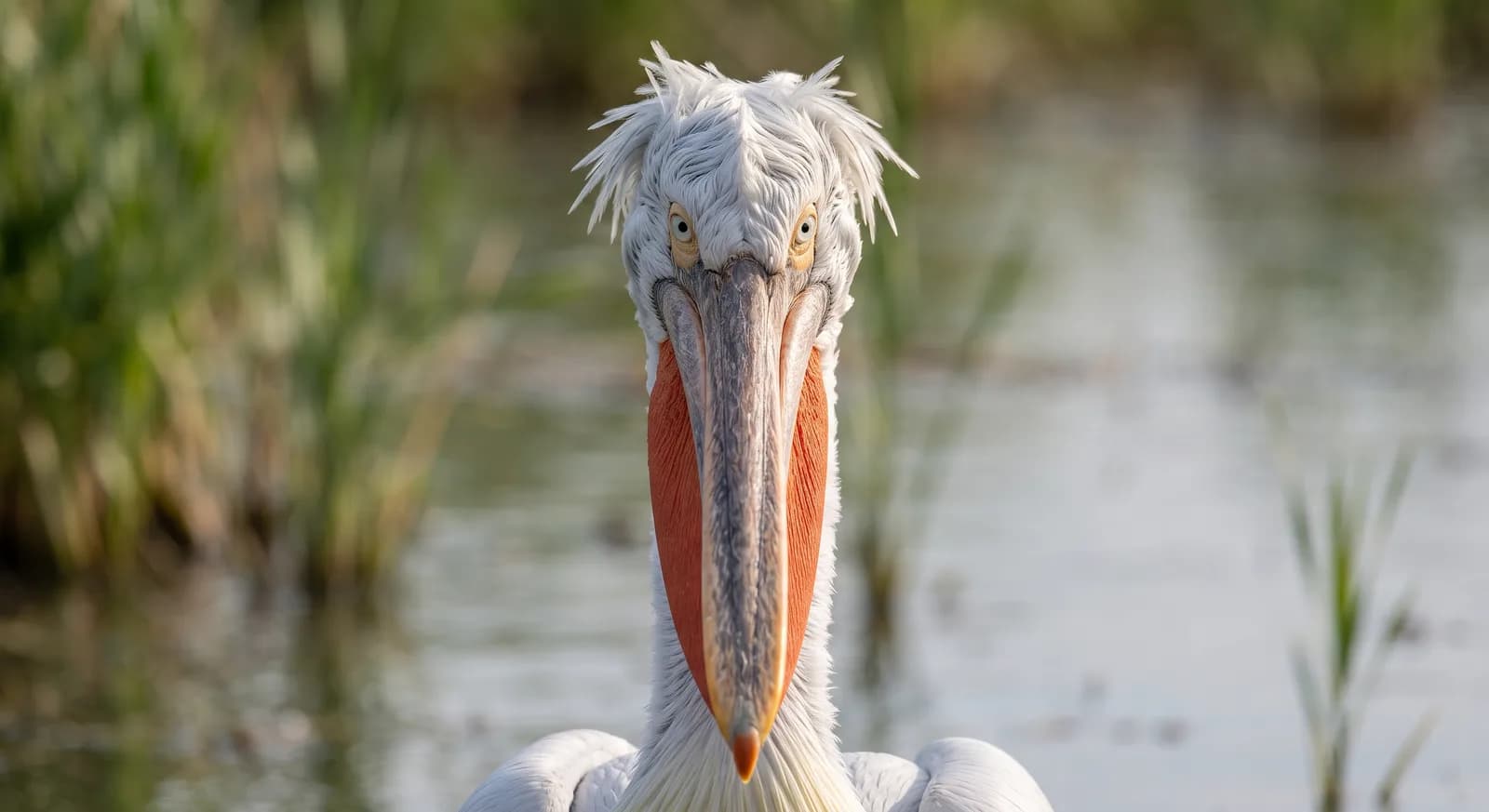 Near Threatened
Dalmatian Pelican
Pelecanus crispus
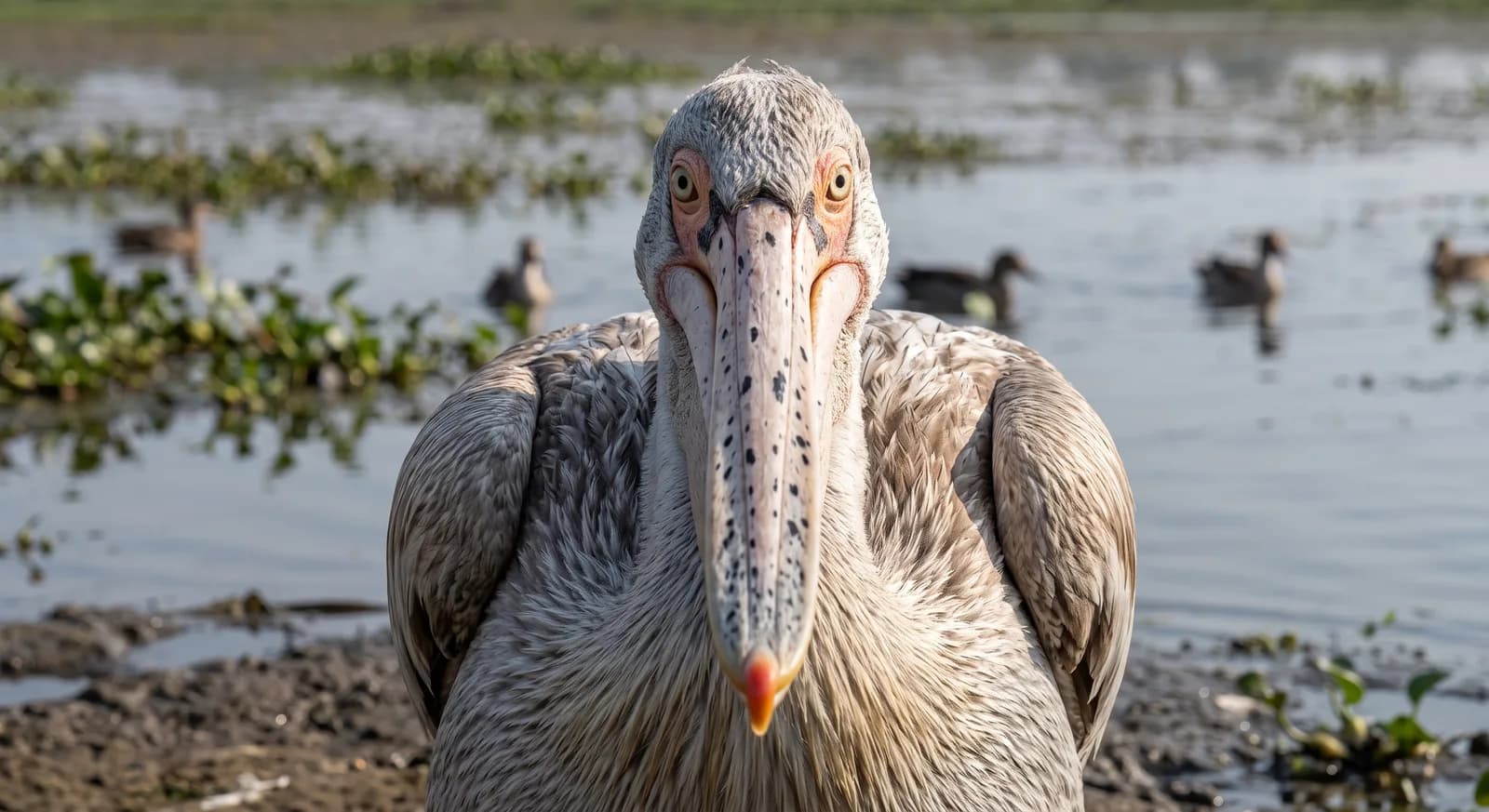 Near Threatened
Spot-billed Pelican
Pelecanus philippensis
 Least Concern
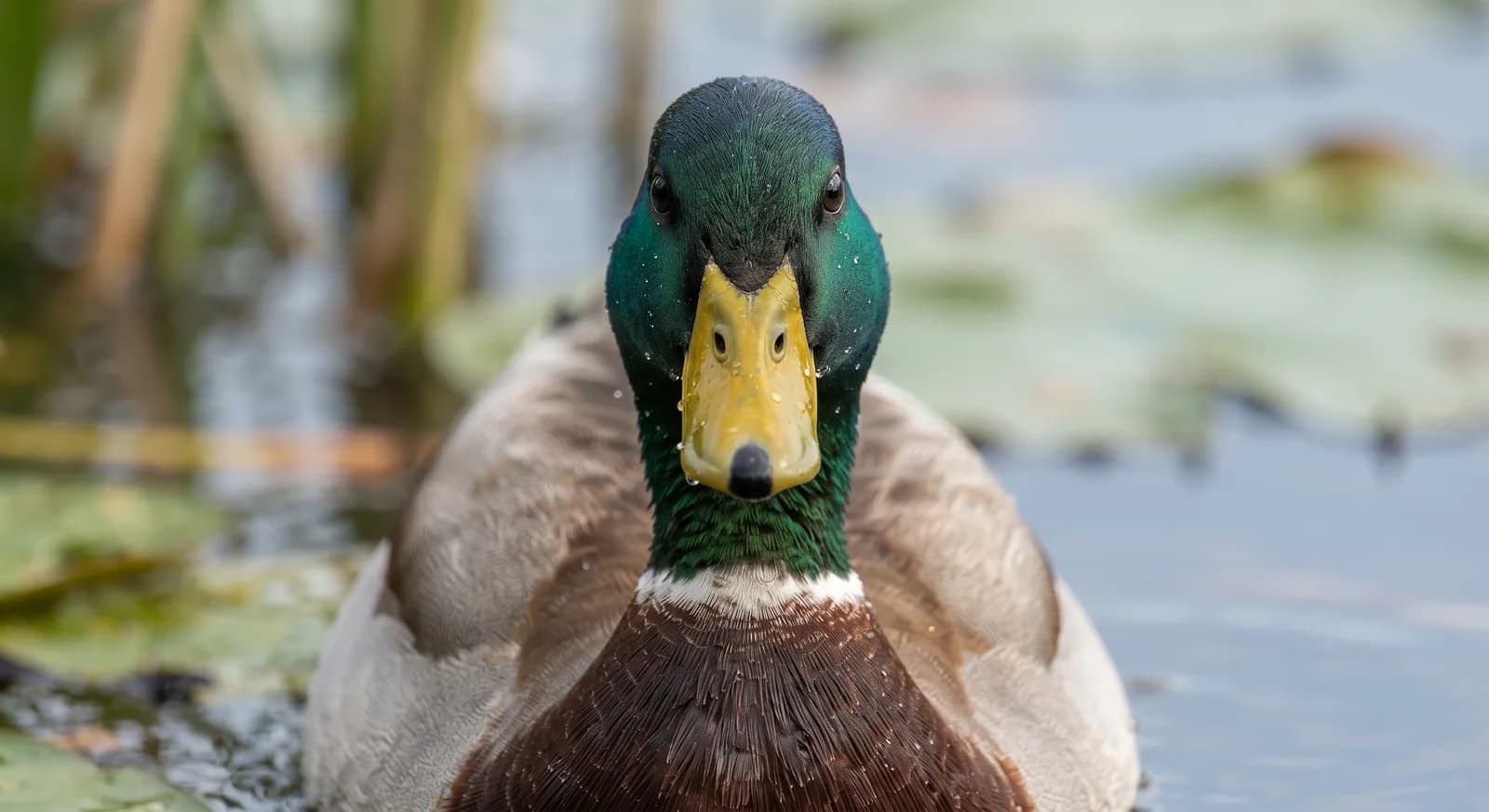
Mallard
Anas platyrhynchos
 Least Concern
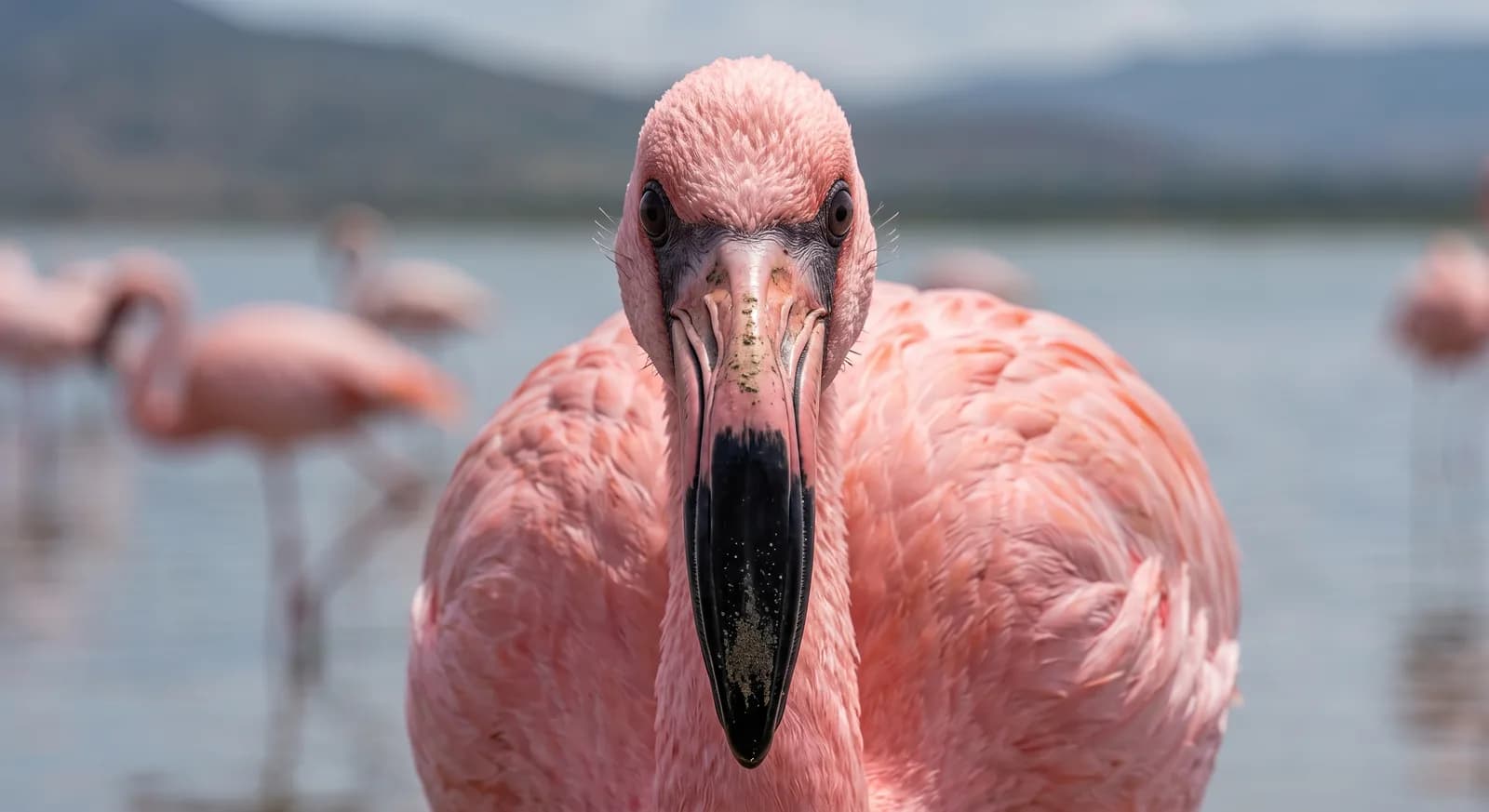
Greater Flamingo
Phoenicopterus roseus
Keep exploring
Based on what we already know about great white pelican.
Comments
Share an experience, a fun fact or a tip for seeing the great white pelican.
Be the first to comment.