One of the 8 pelicans on WAnimals
Birds · Pelecaniformes · Pelecanidae
Pink-Backed Pelican
Pelecanus rufescens
The species is abundant and widely distributed; it faces no significant short-term risk. See full glossary
A medium-sized pelican with brownish-grey plumage and a pink tinge on the back that gives it its name and that is most obvious in the breeding season. It is noticeably smaller than the great white pelican, with which it shares much of Africa.
Weight
4.9 kg – 6 kg
Size
1.3 m – 1.6 m
Lifespan
7 years
Diet
Piscivore
Feeds mainly on fish.
Activity
Diurnal
Active mainly during the day.
Social structure
Colony
Lives in large concentrations, often for breeding reasons.
Sighting difficulty
Easy
Fun facts
- It is one of only two pelicans that live in Africa, along with the great white pelican.
- It has been wiped out in Madagascar, where it used to breed.
- In southern Africa its breeding colonies are protected inside parks, but its feeding and dispersal areas are not, which worries researchers.
Life cycle & biology
- Skeleton type
- Vertebrate - internal bony skeleton (bird)
- Habitat & environment
- Swamps and shallow lakes of Africa and southern Arabia. It nests in trees. Its southernmost breeding colony in East Africa is in the Greater St Lucia Wetland Park, in KwaZulu-Natal (South Africa), where there is only a single breeding site
- Size at birth
- The chick is brick red at hatching, then becomes covered in white down, starts to feather at around twelve days and flies between 70 and 75
- Gestation / incubation
- 30 - 36 days
- Litter / clutch size
- 1-3 oval, white, rough-textured eggs, exceptionally up to 6. Incubation lasts 30-36 days. Hatching success in undisturbed pairs can reach 95%, but through sibling competition or cainism only one chick usually survives the first weeks in the wild; in this species the chicks survive longer than in the rest of the genus. Both parents feed them by regurgitation and, after a week, the chicks already put their heads into the adults' gular pouch to feed themselves
Sources consulted: IUCN Red List; BirdLife DataZone; Bowker y Downs 2006 (tesis M.Sc., Universidad de KwaZulu-Natal); Wikipedia (Pink-backed pelican); Gmelin 1789
Where to find it
See its range on the interactive mapBest time: All year round: it is a resident breeder in Africa
Where to watch it
Parques y spots de buceo donde se ha documentado esta especie — se muestran 10 de 57 documentados.
Related species
Other species in the catalogue with the most in common with Pink-Backed Pelican — same habitat, park, country, tags or family.
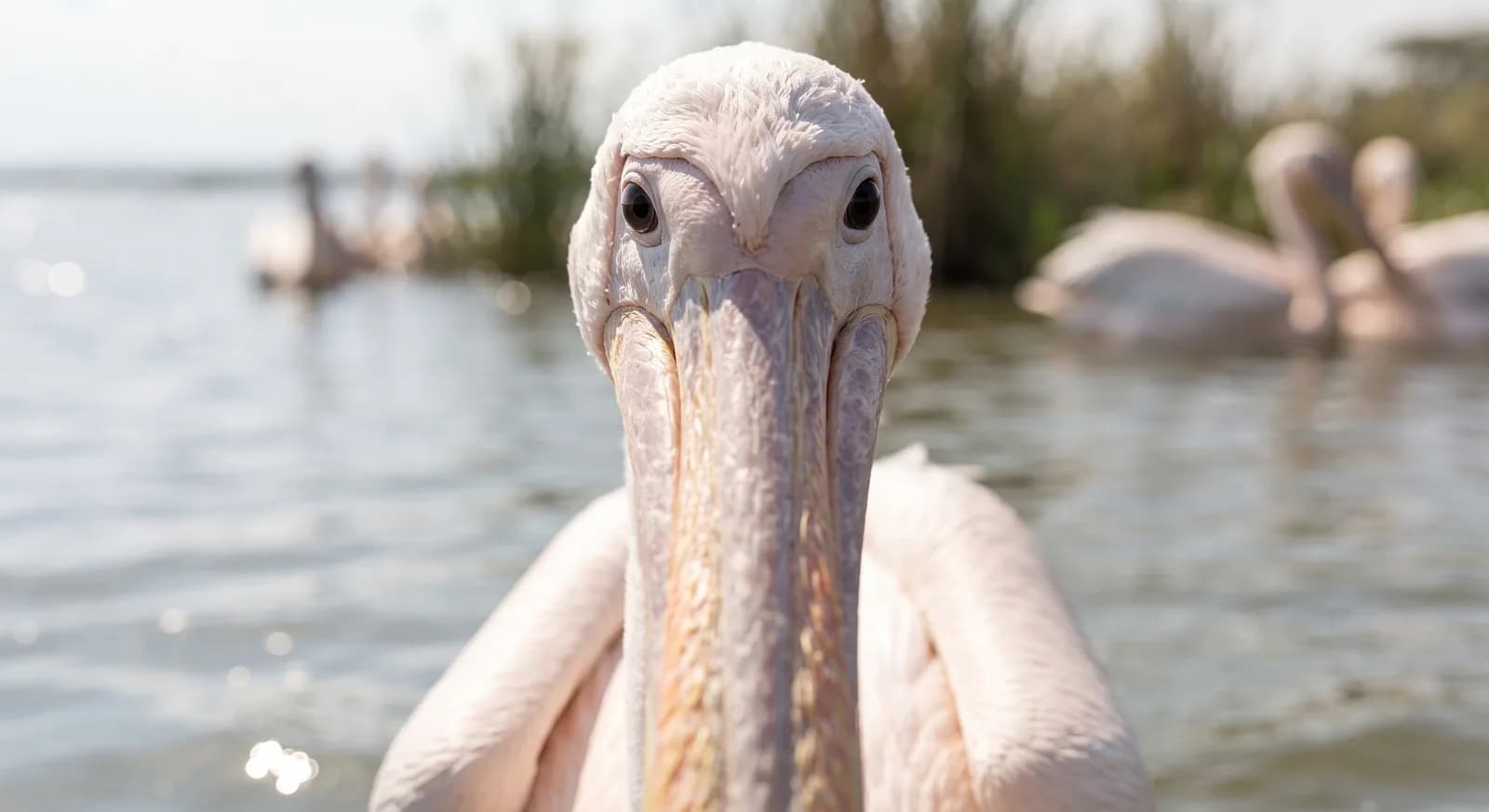 Least Concern
Great White Pelican
Pelecanus onocrotalus
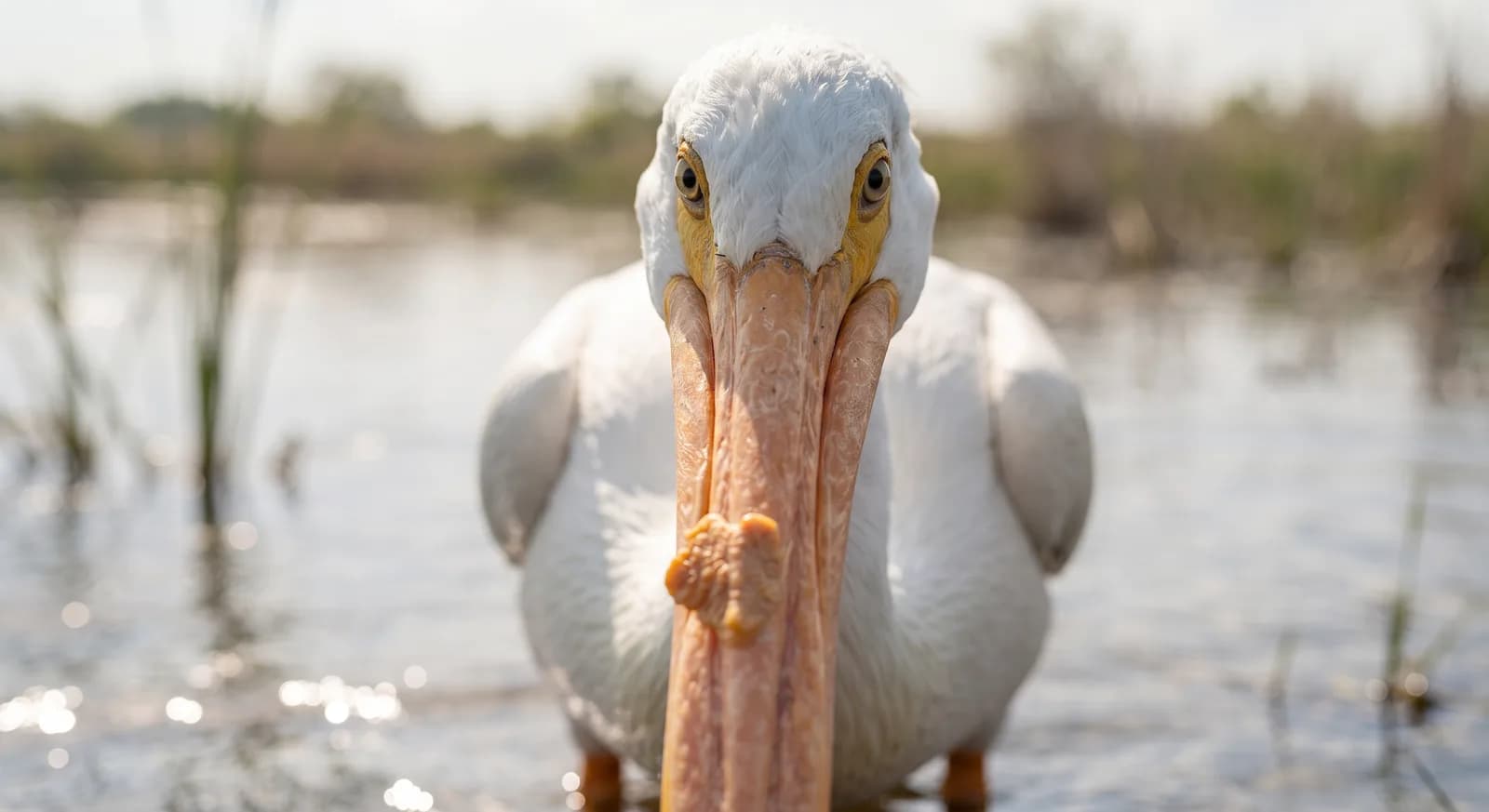 Least Concern
American White Pelican
Pelecanus erythrorhynchos
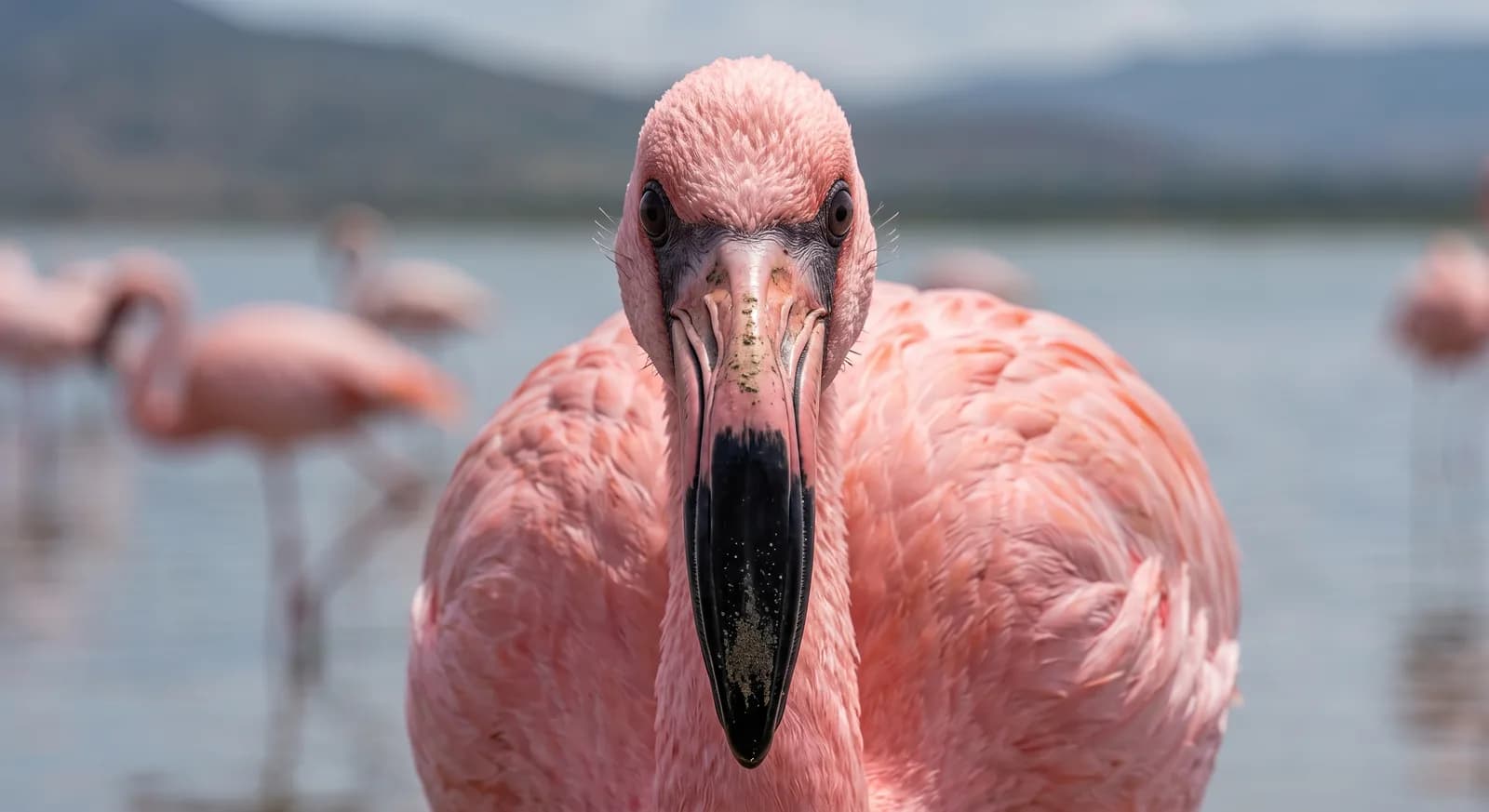 Least Concern
Greater Flamingo
Phoenicopterus roseus
Black-winged Stilt
Himantopus himantopus
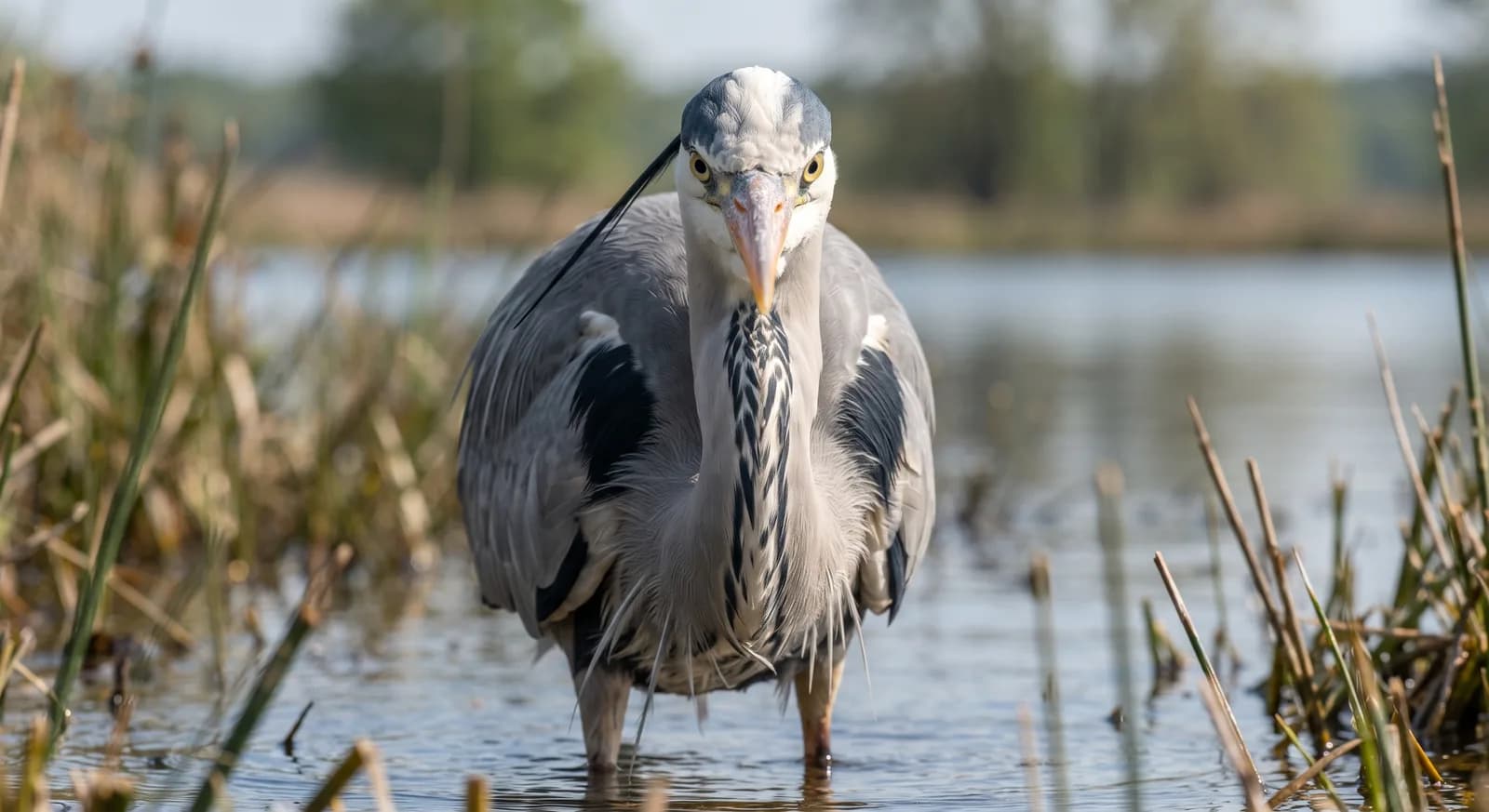 Least Concern
Grey Heron
Ardea cinerea
Little Egret
Egretta garzetta
Keep exploring
Based on what we already know about pink-backed pelican.
Comments
Share an experience, a fun fact or a tip for seeing the pink-backed pelican.
Be the first to comment.