Antigua and Barbuda
América del Norte
Antigua and Barbuda are two islands of very different character: Antigua, the more populated, is gently undulating, with dry forest, scrub and a coastline cut into dozens of bays and beaches; Barbuda, lower and flatter, is made of coral limestone, with an enormous inland lagoon separated from the sea by a bar of sand. That lagoon, Codrington, holds one of the largest frigatebird colonies in the Caribbean, with tens of thousands of birds nesting on the mangroves. Around both islands stretch reefs, seagrass meadows and sandbanks where green and hawksbill turtles feed. The uninhabited islets off the northeast of Antigua have become the setting for one of the most successful island restoration projects in the Caribbean.
The nature of Antigua and Barbuda
National animal: The European fallow deer, introduced and declared the national animal; the magnificent frigatebird is the emblematic bird
Did you know?
The Antiguan racer came to be regarded as the rarest snake in the world: in 1995 around fifty animals were left, confined to a minute islet, after rats and mongooses had exterminated it on the main island. The eradication of those predators on several neighbouring islets and the transfer of animals have multiplied its numbers more than twentyfold, in a recovery cited as a model of island restoration.
Biodiversity profile
Climate
- •Tropical con estacion seca (Aw/BSh), islas bajas y relativamente aridas para el estandar caribeño
Main biomes
- •Matorral seco tropical y bosque bajo caducifolio
- •Vegetacion costera sobre sustrato calizo (Barbuda, con sus famosas playas de arena rosa)
- •Bosque seco tropical
- •Laguna costera y manglar
- •Arrecife de coral
- •Pradera marina
- •Islote deshabitado
- •Caliza coralina
- •Playa de puesta de tortugas
Marine and coastal ecosystems
- •Arrecifes de coral extensos rodeando ambas islas
- •Lagunas costeras de Barbuda (importante colonia de fragatas)
Flagship wildlife
- •Fragata magnifica (gran colonia de cria en la laguna de Codrington, Barbuda)
- •Tortuga marina (anidacion en playas)
- •Iguana de Antigua (critica, restringida a Great Bird Island)
- •Culebra corredora de Antigua
- •Gamo europeo
- •Tortuga carey
- •Tortuga verde
- •Pelícano pardo
- •Rabijunco colirrojo
- •Colibrí caribeño
- •Iguana verde
- •Langosta espinosa
Notable endemic species
- •Iguana de Antigua (Iguana delicatissima, poblacion critica restringida principalmente a Great Bird Island tras la introduccion de depredadores en la isla principal)
- •Culebra corredora de Antigua
Notable threatened species
- •Iguana de Antigua (En Peligro Critico, una de las lagartijas mas amenazadas del mundo, poblacion de unos pocos cientos de individuos)
Notable protected areas
- •Parque Nacional Nelson's Dockyard
- •Parque Nacional Devil's Bridge
- •Parque Nacional Fort Barrington
- •Parque Nacional Green Castle Hill
- •Laguna de Codrington
- •Islas del Noreste de Antigua
- •Parque Nacional de Nelson's Dockyard
- •Isla Gran Pájaro
- •Reserva de Cades Bay
- •Isla Redonda
Main conservation threats
- •Especies invasoras (ratas, mangostas) como principal amenaza para la iguana de Antigua
- •Clima tropical seco que limita la extension de bosque humedo
- •Vulnerabilidad a huracanes (pais insular bajo)
Notable natural phenomena
- •Gran colonia reproductora de fragatas magnificas en la laguna de Codrington, Barbuda, una de las mayores del hemisferio occidental
Conservation
Redonda, an uninhabited rock, was restored after goats and rats were eradicated and has seen its vegetation and its lizard and seabird populations multiply within a few years. Hurricane Irma, in 2017, left Barbuda temporarily uninhabitable and severely damaged the frigatebird colony.
Where and when to watch wildlife
Codrington Lagoon between September and April for the frigatebird colony in display and breeding. The northeastern islands, with a guide, for the Antiguan racer. The Cades Bay reefs year-round.
Sources: Wikipedia - National parks of Antigua and Barbuda | Re:wild - Caribbean Endemics | endlesscaribbean.com - National Parks in the Caribbean
Diving and snorkelling
Países similares
¿A dónde más podría interesarme viajar?
Misma región: Centroamérica y Caribe
Misma región: Centroamérica y Caribe
Misma región: Centroamérica y Caribe
Misma región: Centroamérica y Caribe
Especies documentadas en Antigua and Barbuda
113 species found
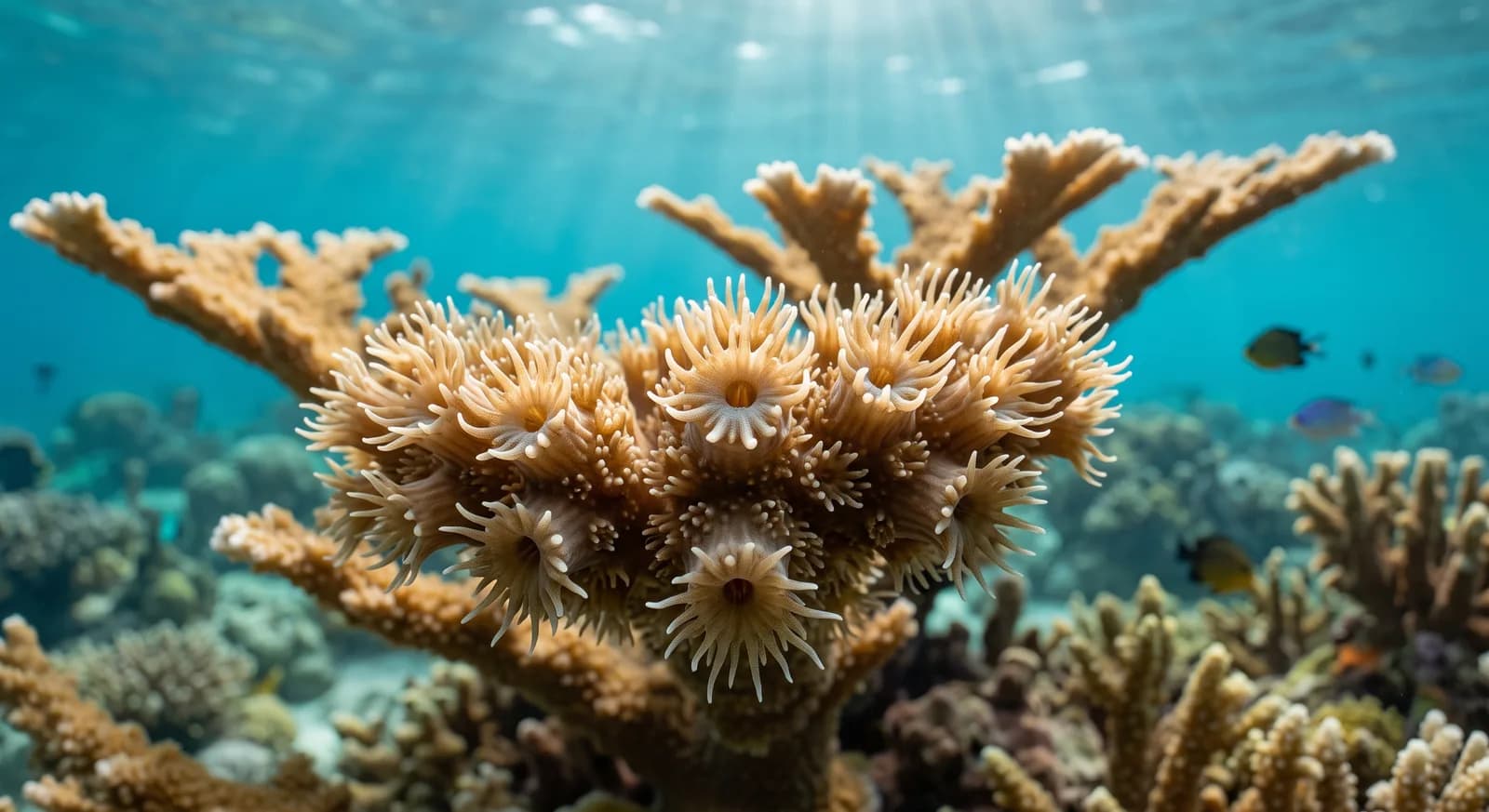 Critically Endangered
Elkhorn Coral
Acropora palmata
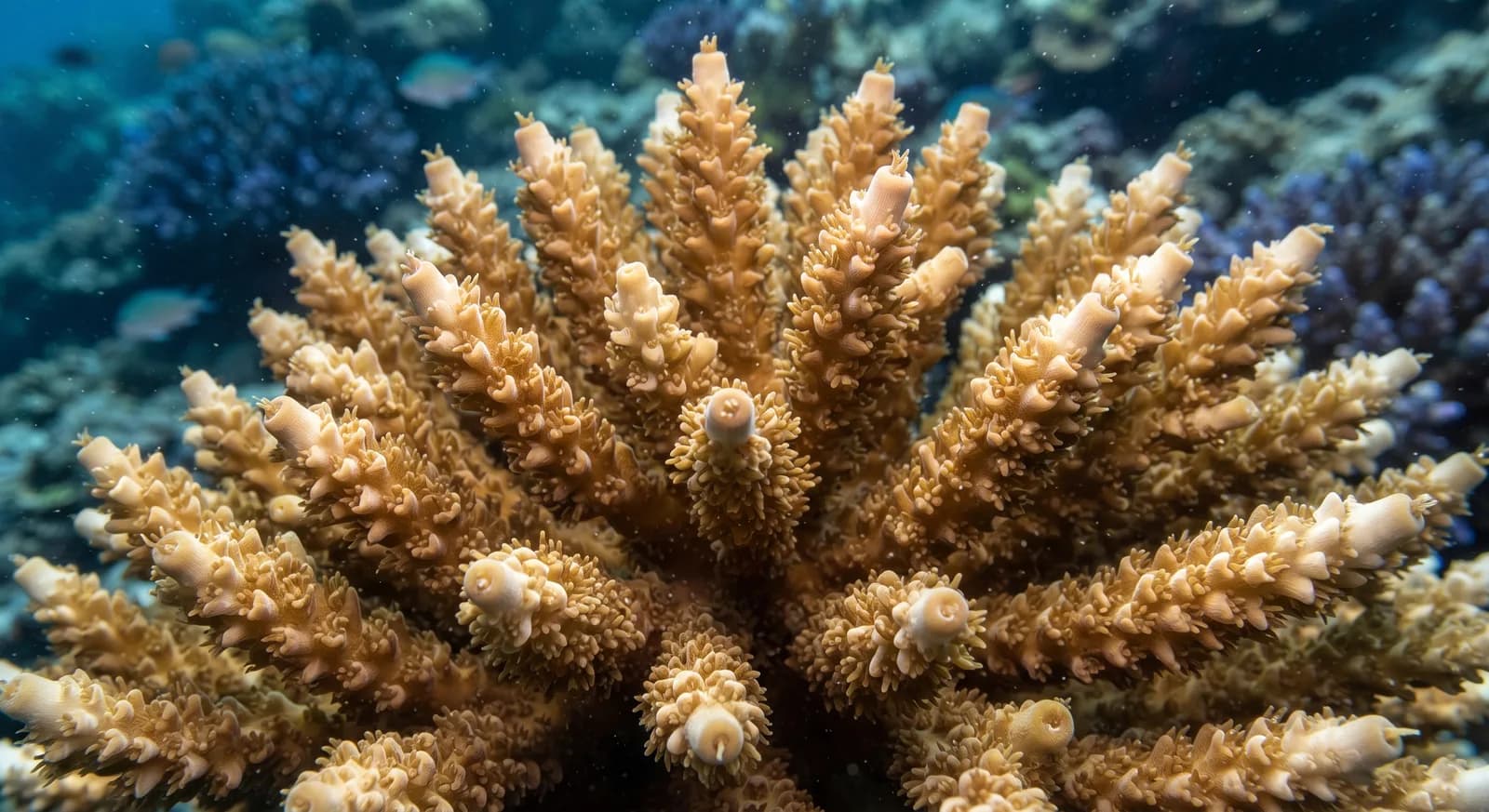 Critically Endangered
Staghorn Coral
Acropora cervicornis
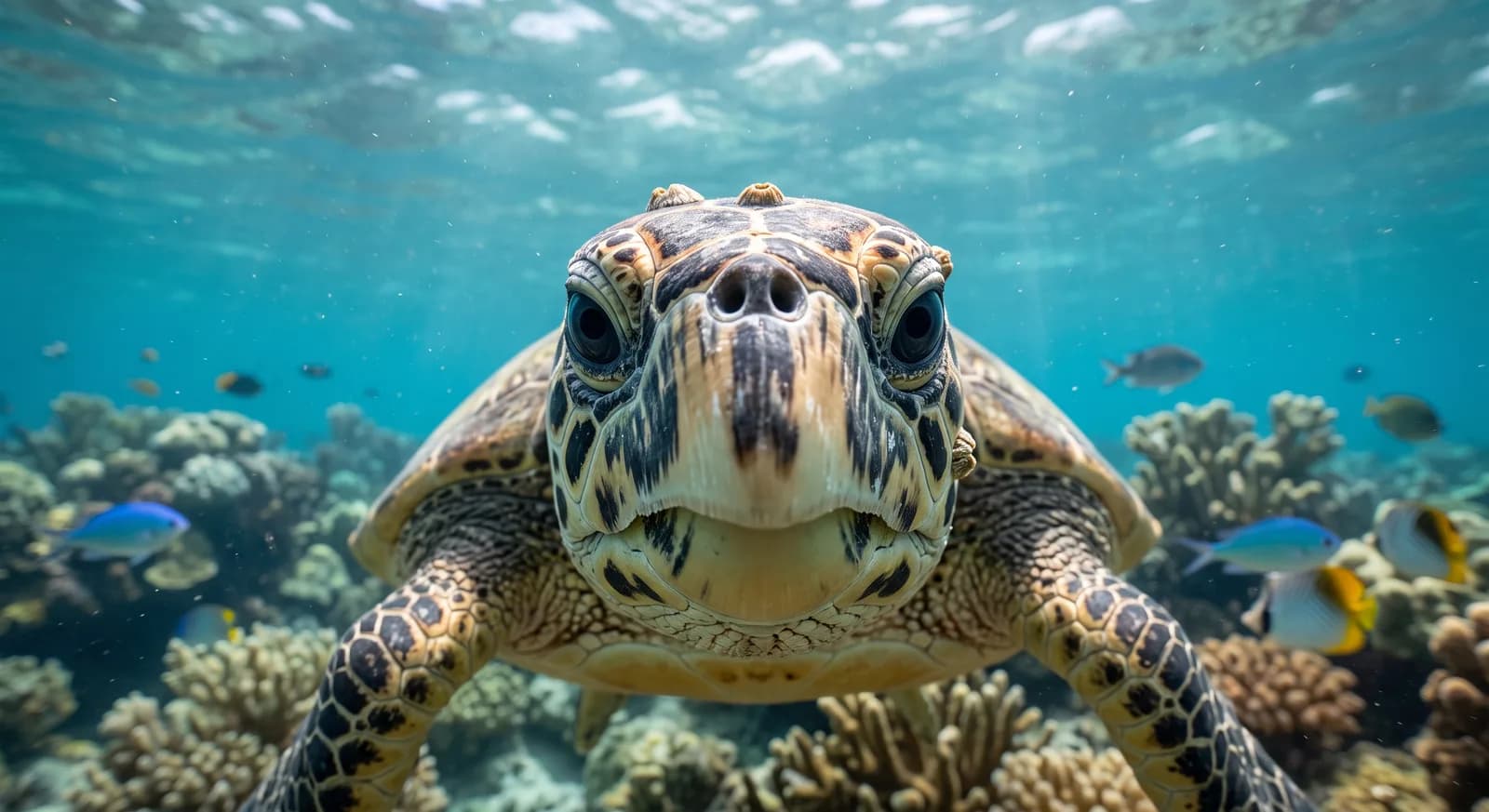 Critically Endangered
Hawksbill Turtle
Eretmochelys imbricata
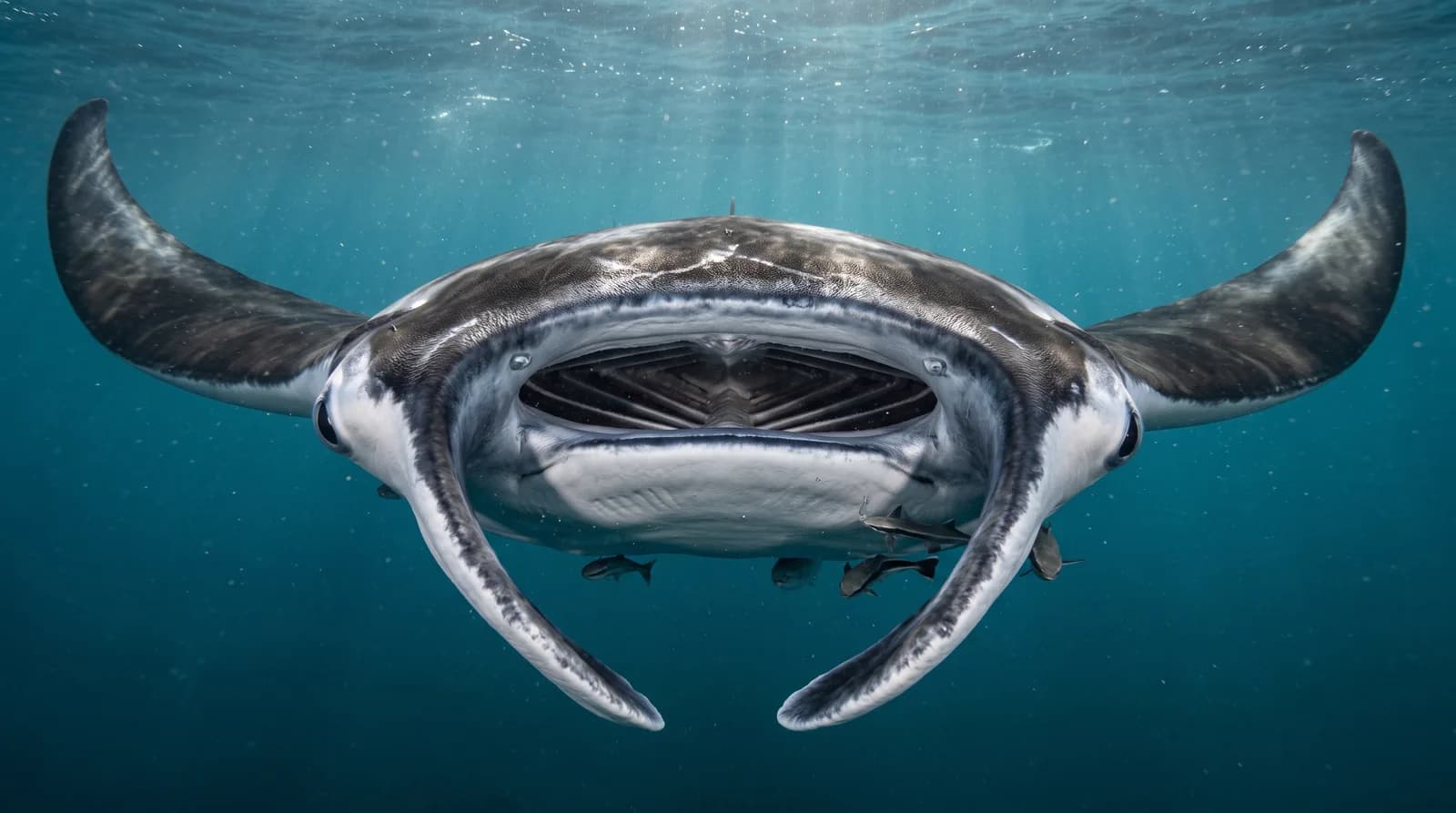 Endangered
Giant Manta
Mobula birostris
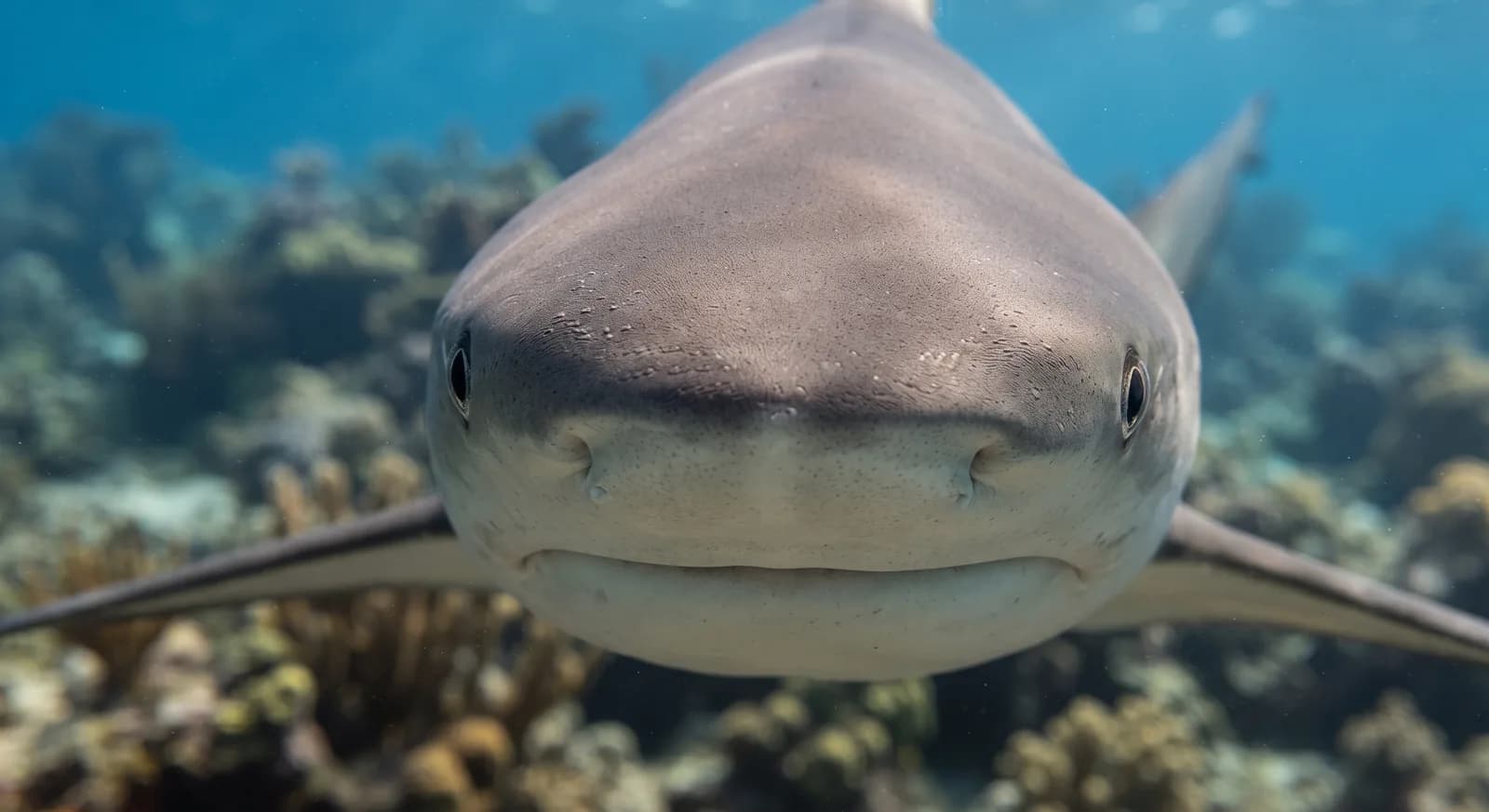 Endangered
Caribbean Reef Shark
Carcharhinus perezi
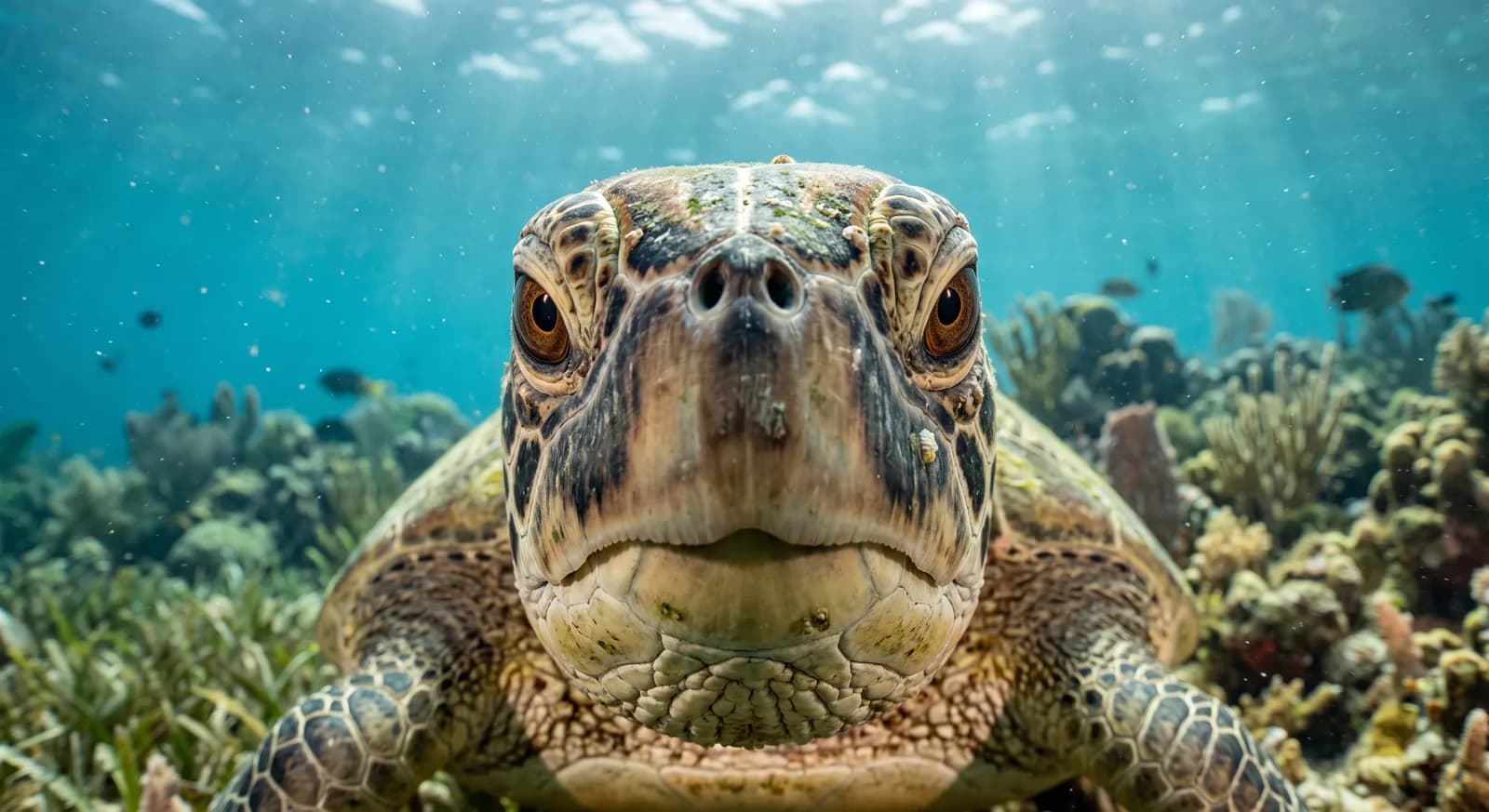 Endangered
Green Turtle
Chelonia mydas
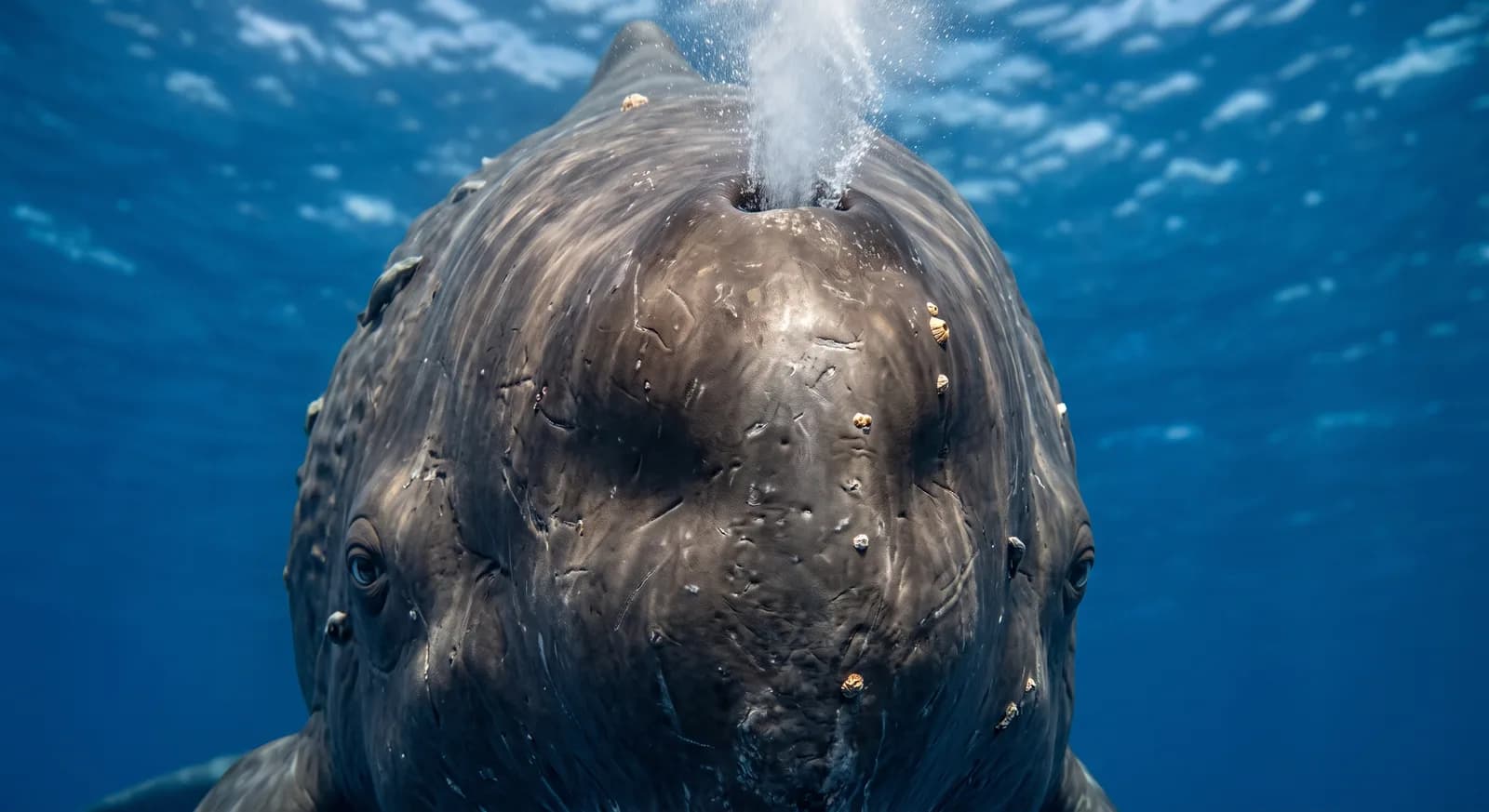 Vulnerable
Sperm Whale
Physeter macrocephalus
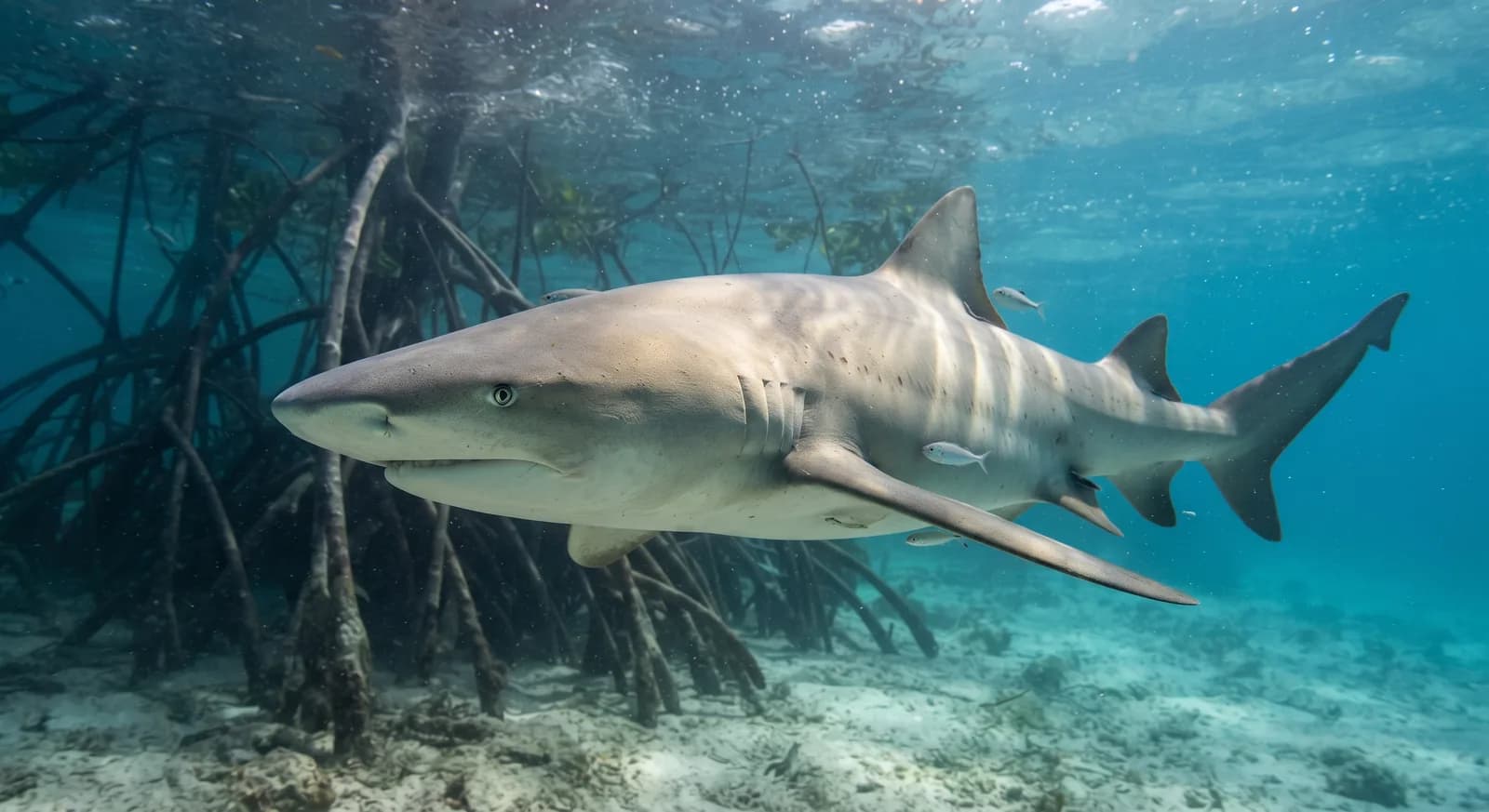 Vulnerable
Lemon Shark
Negaprion brevirostris
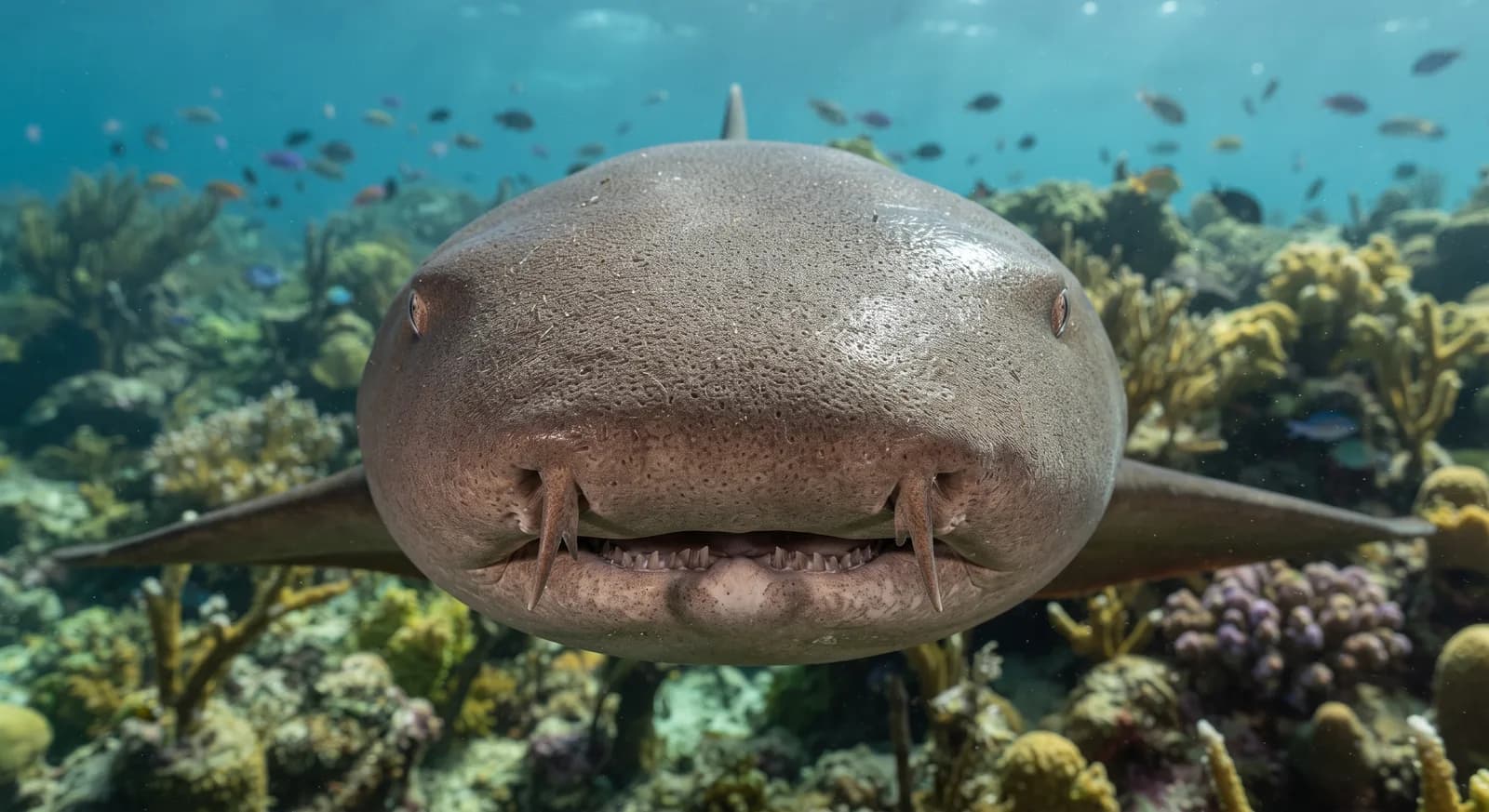 Vulnerable
Nurse Shark
Ginglymostoma cirratum
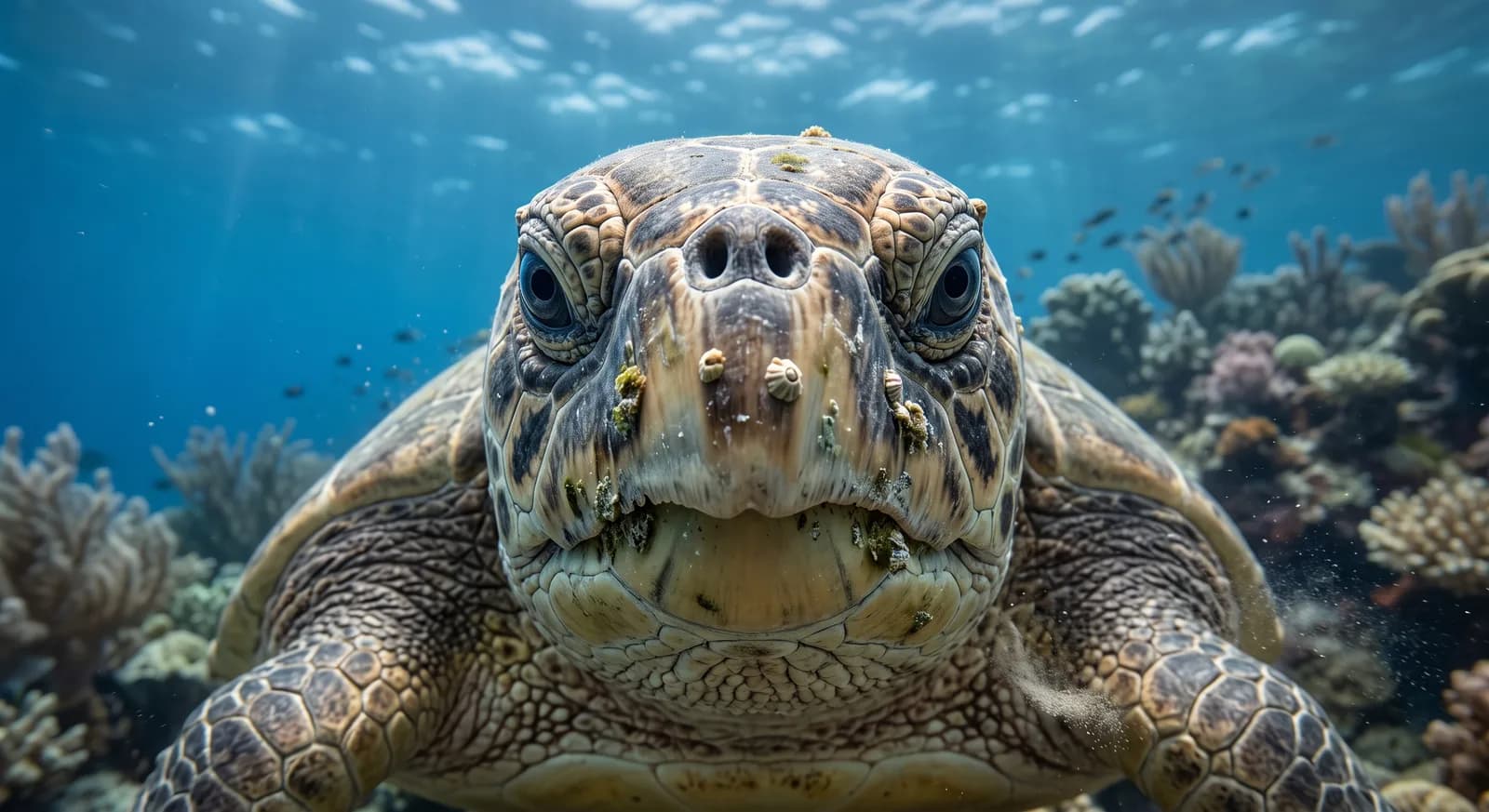 Vulnerable
Loggerhead Turtle
Caretta caretta
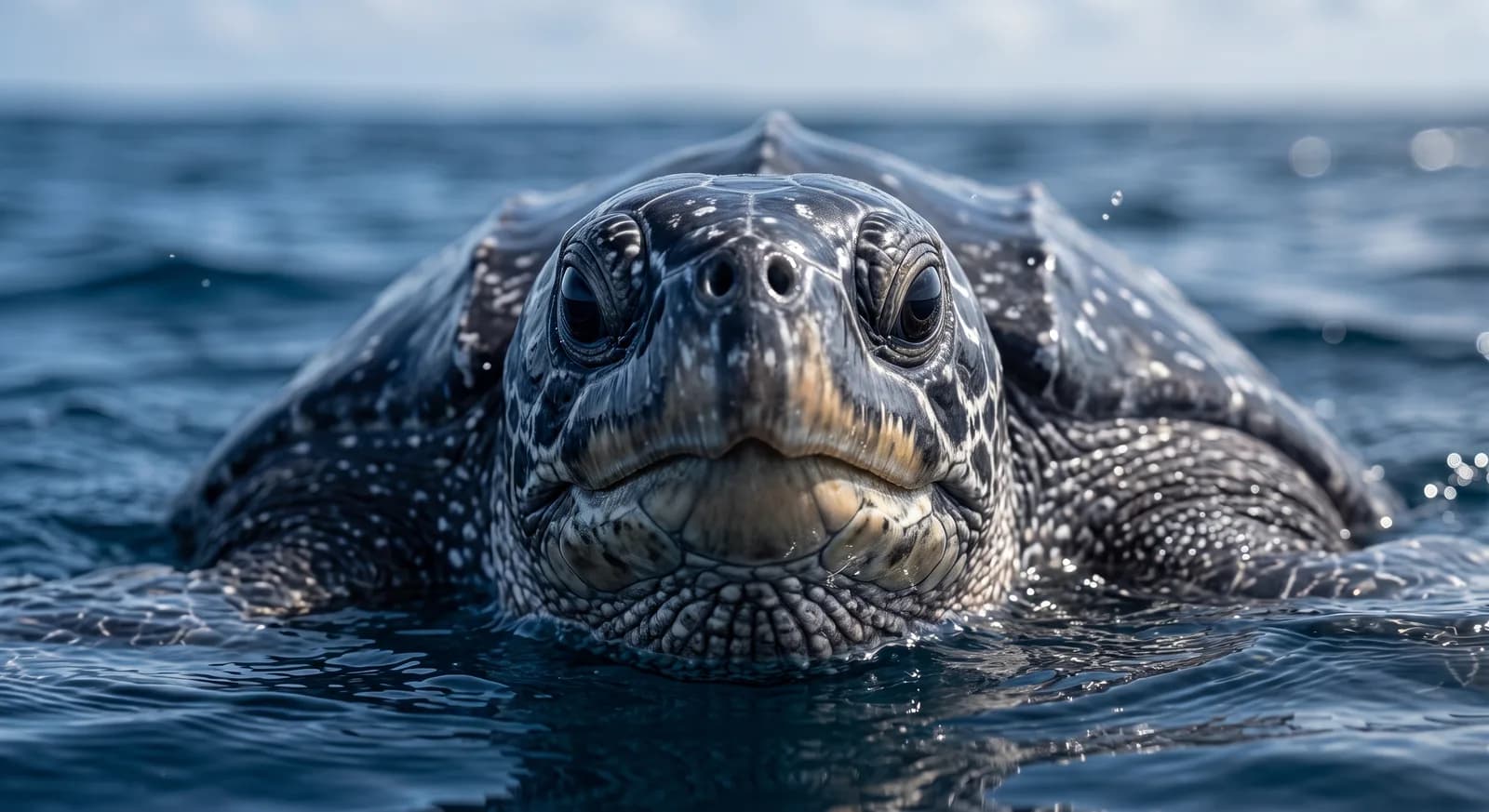 Vulnerable
Leatherback Sea Turtle
Dermochelys coriacea
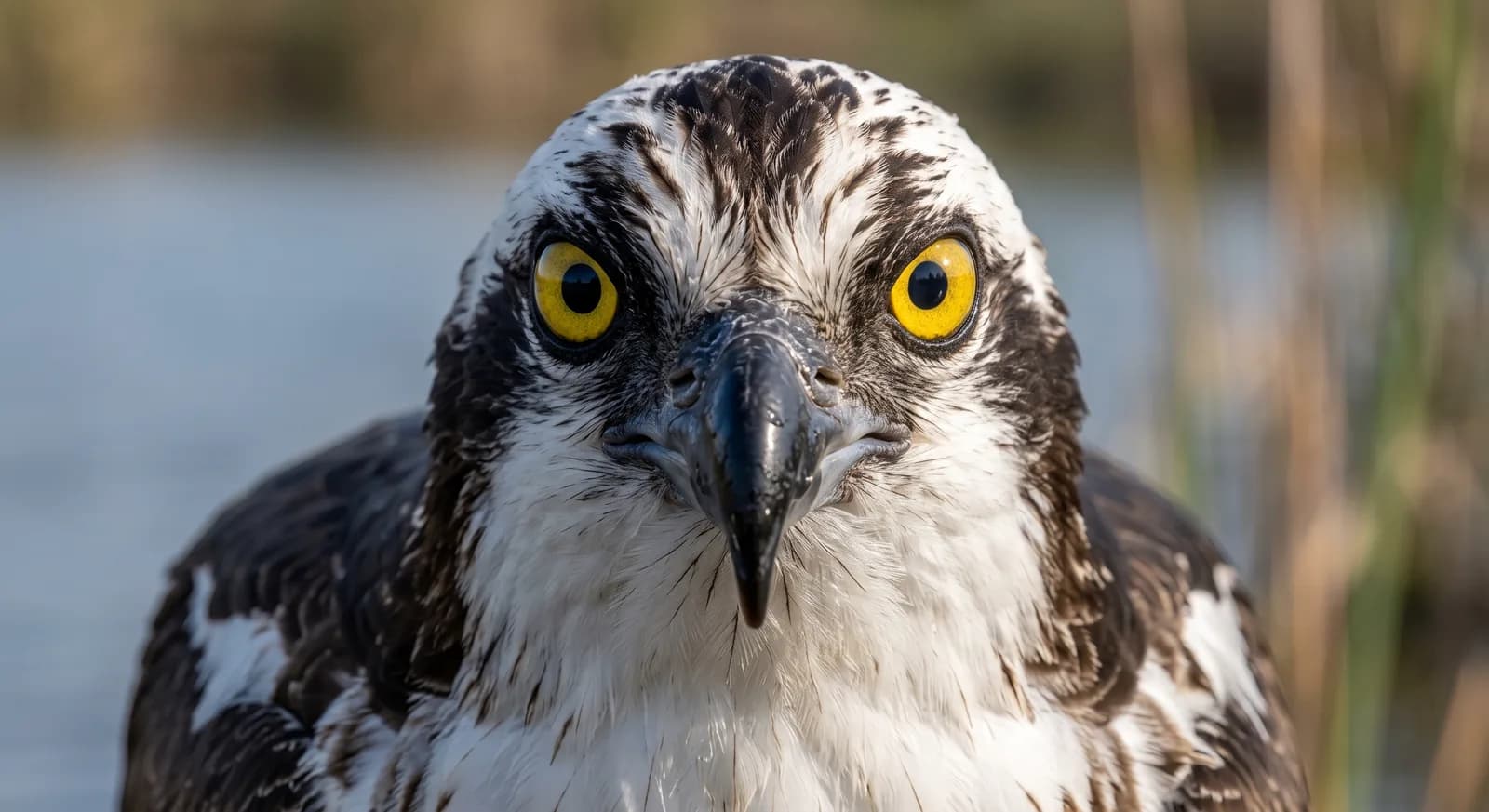 Least Concern
Osprey
Pandion haliaetus
Keep exploring
Based on what we already know about Antigua and Barbuda.