One of the 5 oystercatchers on WAnimals
Birds · Charadriiformes · Haematopodidae
Pied Oystercatcher
Haematopus longirostris
The species is abundant and widely distributed; it faces no significant short-term risk. See full glossary
An oystercatcher with contrasting black-and-white plumage and the long, straight, orange-red bill characteristic of the family, adapted to opening bivalves and probing the intertidal substrate.
Weight
566 g on average
Lifespan
33 years
Diet
Carnivore
Feeds mainly on other animals.
Activity
Diurnal
Active mainly during the day.
Social structure
In pairs
Usually lives in pairs, sometimes for life.
Sighting difficulty
Easy
Estimated population
In the order of 12,000-14,000 individuals and 4,000-5,000 breeding pairs in Australia in the first decade of the twenty-first century; the numbers in New Guinea and the Aru Islands are unknown
Fun facts
- In Australia it lives alongside the sooty oystercatcher (Haematopus fuliginosus), its dark-plumaged counterpart.
- Like all oystercatchers, it has a laterally compressed bill that works as a wedge for opening shells.
- In 2024 a coccidian parasite new to science, Eimeria haematopusi, was described from it, from a bird undergoing rehabilitation in Western Australia.
Life cycle & biology
- Skeleton type
- Vertebrate - internal bony skeleton (bird)
- Habitat & environment
- Sandy shores and intertidal flats of Australia
- Size at birth
- Precocial chicks, small and brown with stripes, which leave the nest within a few days and do not fly until 42-48
- Sexual maturity
- 4 years
- Gestation / incubation
- About 28 days of incubation, shared by both sexes; some sources widen the range to 28-32 days
- Litter / clutch size
- 2-3 eggs, laid in a simple scrape on sand, shell grit or gravel above the high-tide line
Sources consulted: IUCN Red List; iNaturalist; Austen et al. 2024, Systematic Parasitology (descripción de Eimeria haematopusi); Vieillot
Where to find it
See its range on the interactive mapBest time: All year round on the Australian coasts
Where to watch it
Parques y spots de buceo donde se ha documentado esta especie — se muestran 10 de 20 documentados.
Related species
Other species in the catalogue with the most in common with Pied Oystercatcher — same habitat, park, country, tags or family.
Ruddy Turnstone
Arenaria interpres
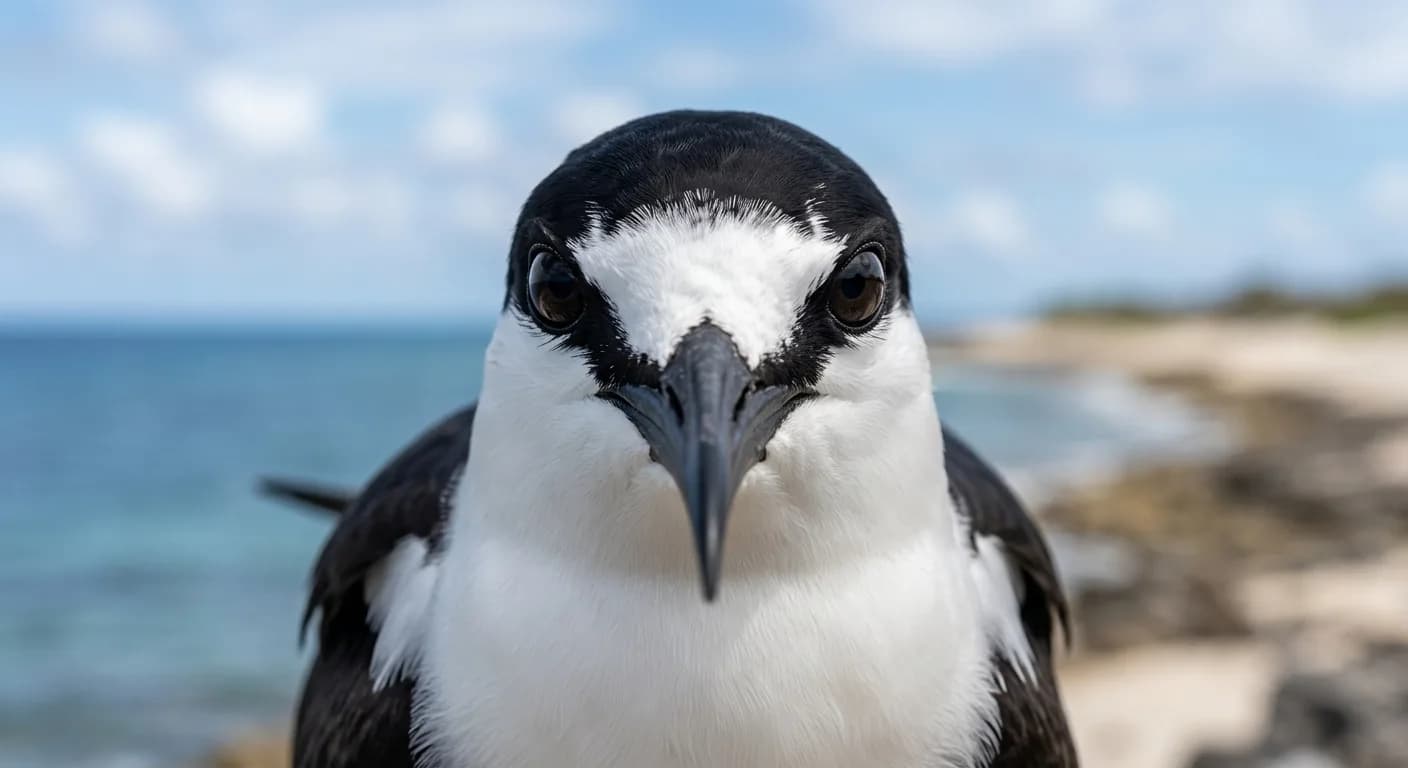 Least Concern
Sooty Tern
Onychoprion fuscatus
Great Pied Cormorant
Phalacrocorax varius
Red-footed Booby
Sula sula
Brown Noddy
Anous stolidus
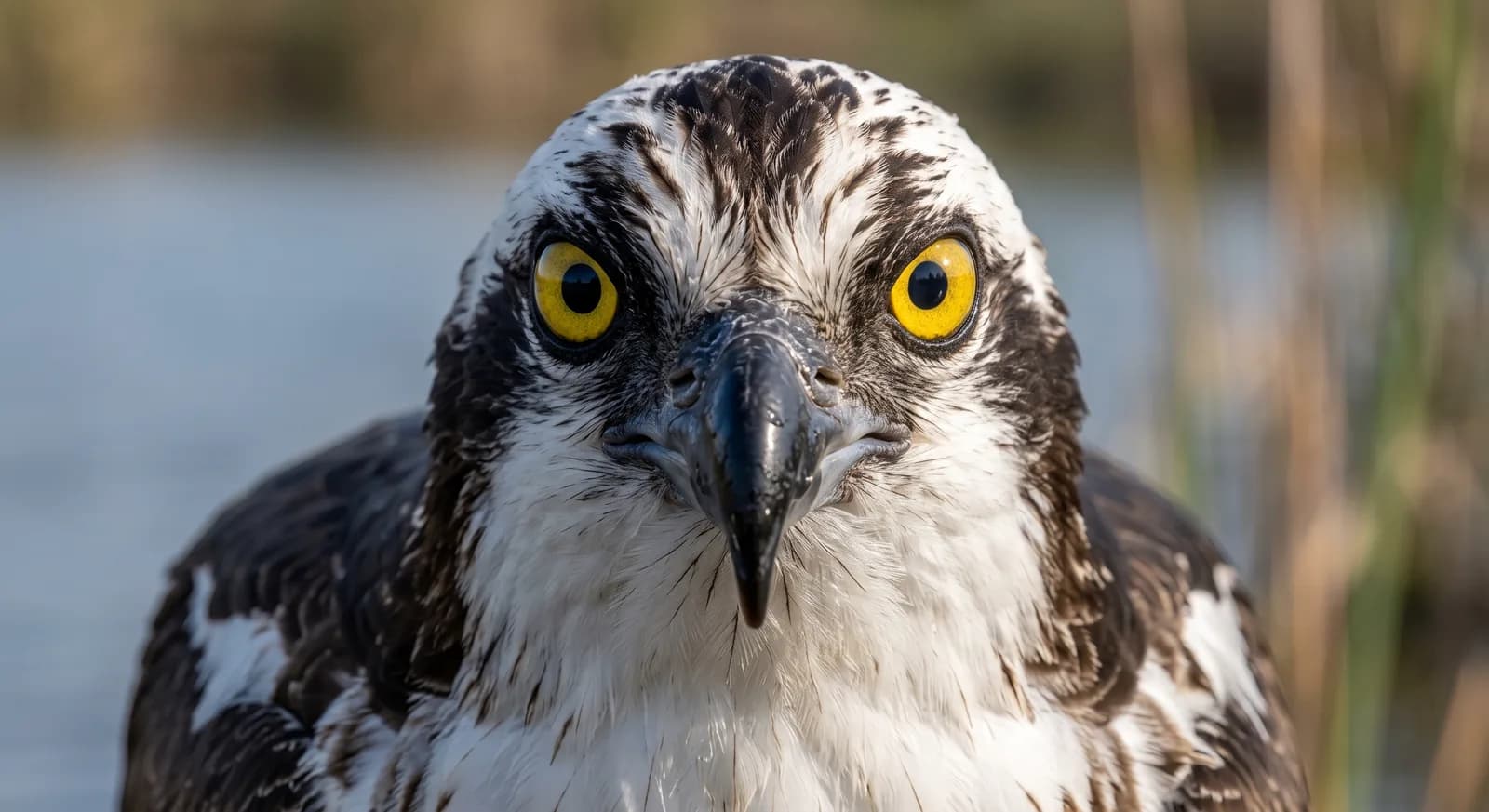 Least Concern
Osprey
Pandion haliaetus
Keep exploring
Based on what we already know about pied oystercatcher.
Comments
Share an experience, a fun fact or a tip for seeing the pied oystercatcher.
Be the first to comment.