One of the 5 oystercatchers on WAnimals
Birds · Charadriiformes · Haematopodidae
Magellanic Oystercatcher
Haematopus leucopodus
The species is abundant and widely distributed; it faces no significant short-term risk. See full glossary
A black-and-white oystercatcher with the head and mantle a glossy black rather than brown. Its diagnostic feature is the yellow eye surrounded by a ring of bare skin, also yellow, which no other oystercatcher has. It is also the only one in the New World with a black rather than brown back. In flight it shows a white band across the secondaries all the way to the tip.
Weight
600 g on average
Size
42 cm – 46 cm
Lifespan
10 years
Diet
Carnivore
Feeds mainly on other animals.
Activity
Diurnal
Active mainly during the day.
Social structure
In pairs
Usually lives in pairs, sometimes for life.
Sighting difficulty
Easy
Fun facts
- On the beaches of Santa Cruz, in Argentine Patagonia, all three Patagonian oystercatchers can be seen at once: the Magellanic, the American and the blackish.
- It is the only oystercatcher in the world that combines a yellow eye ring with secondaries white to the tip.
- It does not always live by the sea: it also breeds on inland lagoons a long way from the coast.
Life cycle & biology
- Skeleton type
- Vertebrate - internal bony skeleton (bird)
- Habitat & environment
- Rocky or shingle beaches, both on islands and sea coasts and on inland lagoons hundreds of kilometres from the sea. Southern Argentina, Tierra del Fuego, nearby islands and the Falkland Islands
- Birth weight
- Precocial: born covered in down and leaves the nest within a few hours
- Size at birth
- Precocial: born covered in down and leaves the nest within a few hours
- Sexual maturity
- 3-4 years
- Gestation / incubation
- 26-28 days of incubation
- Litter / clutch size
- 2-3 eggs per clutch
Sources consulted: IUCN Red List; Wikipedia (Haematopus leucopodus); SIB - Parques Nacionales de Argentina; del Hoyo et al., Handbook of the Birds of the World; Garnot 1826
Where to find it
See its range on the interactive mapBest time: All year round in the far south of South America
Where to watch it
Parques y spots de buceo donde se ha documentado esta especie — se muestran 10 de 12 documentados.
Related species
Other species in the catalogue with the most in common with Magellanic Oystercatcher — same habitat, park, country, tags or family.
American Oystercatcher
Haematopus palliatus
 Least Concern
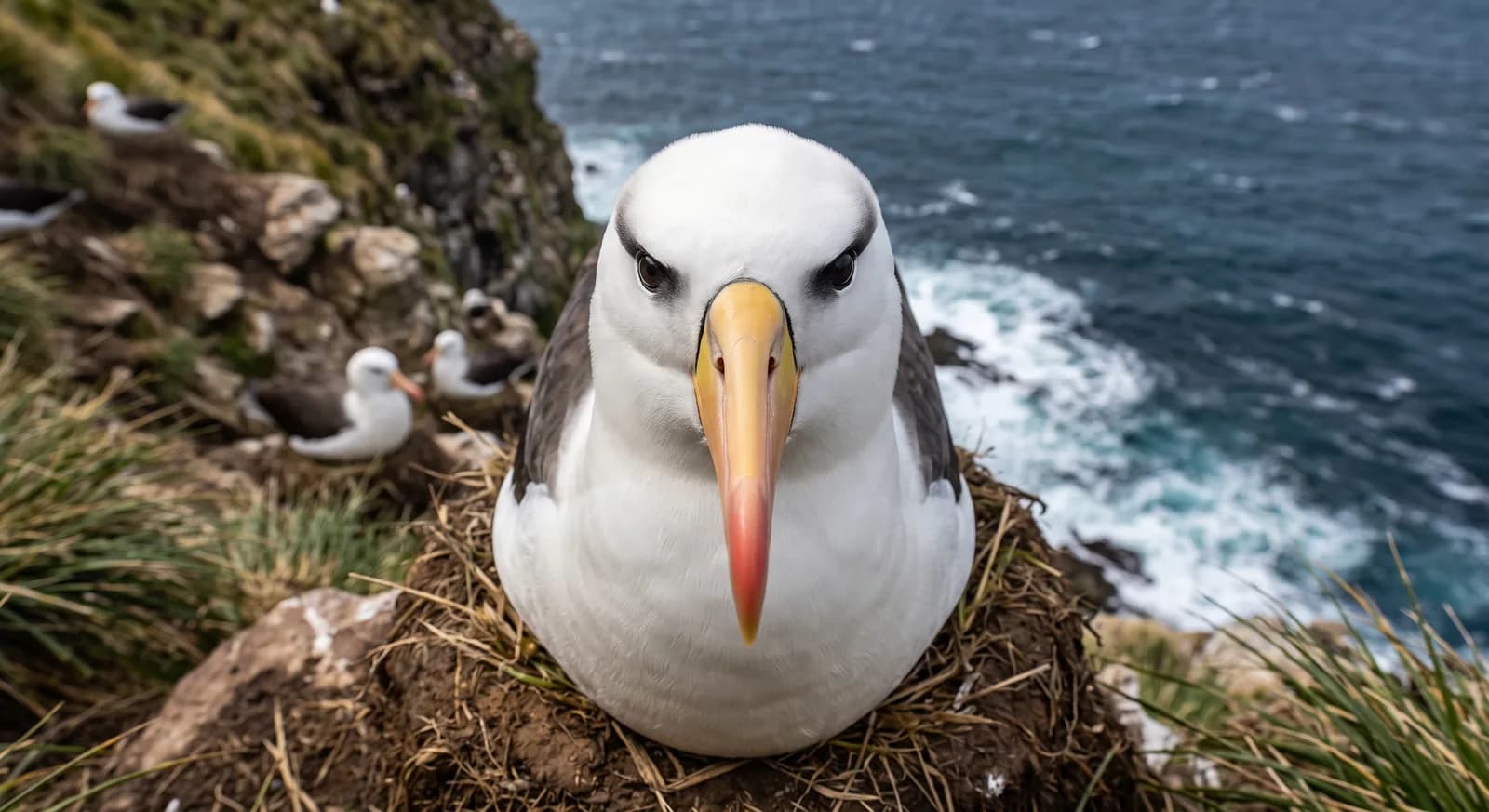
Black-browed Albatross
Thalassarche melanophris
 Least Concern
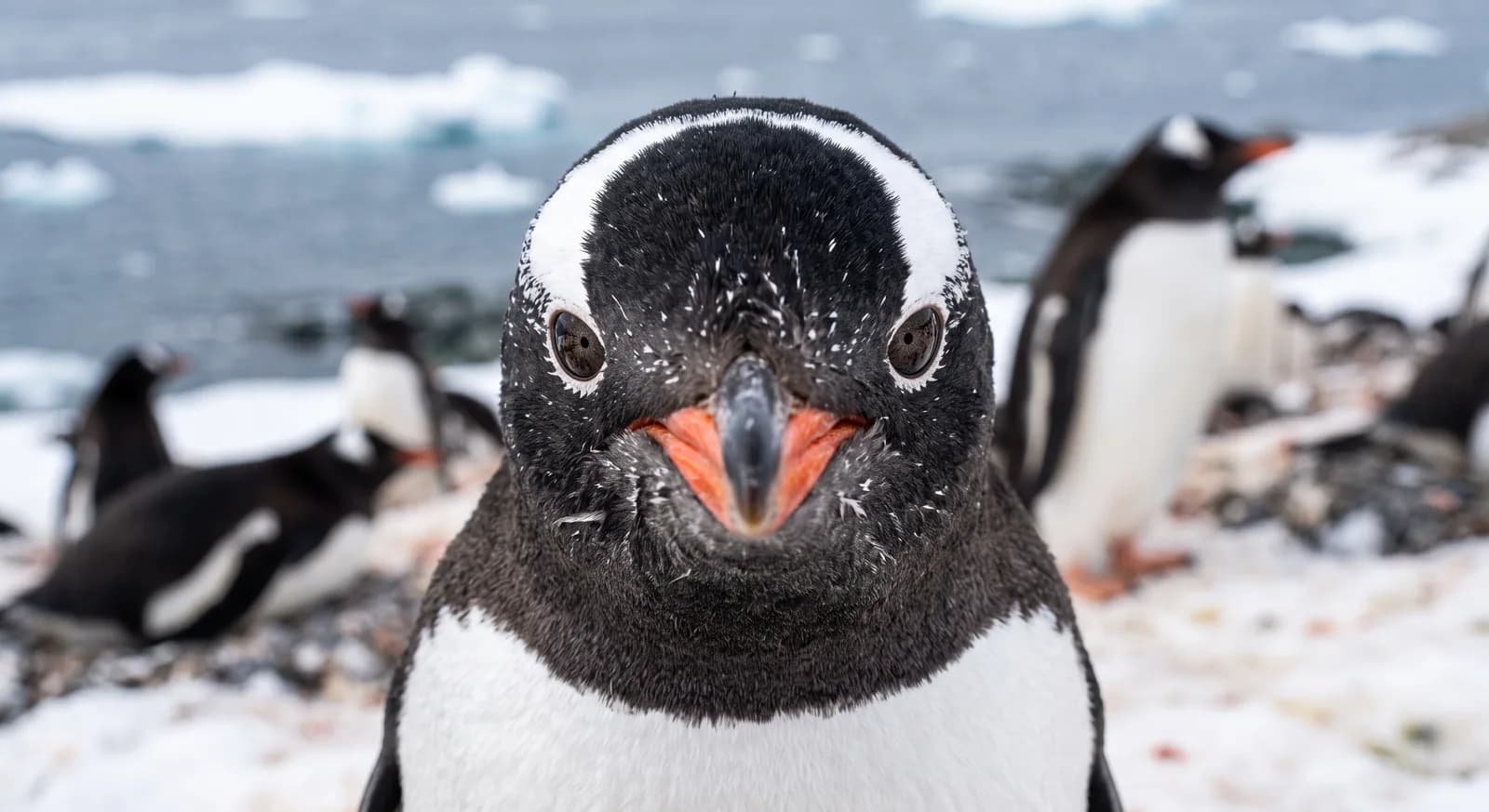
Gentoo Penguin
Pygoscelis papua
 Least Concern
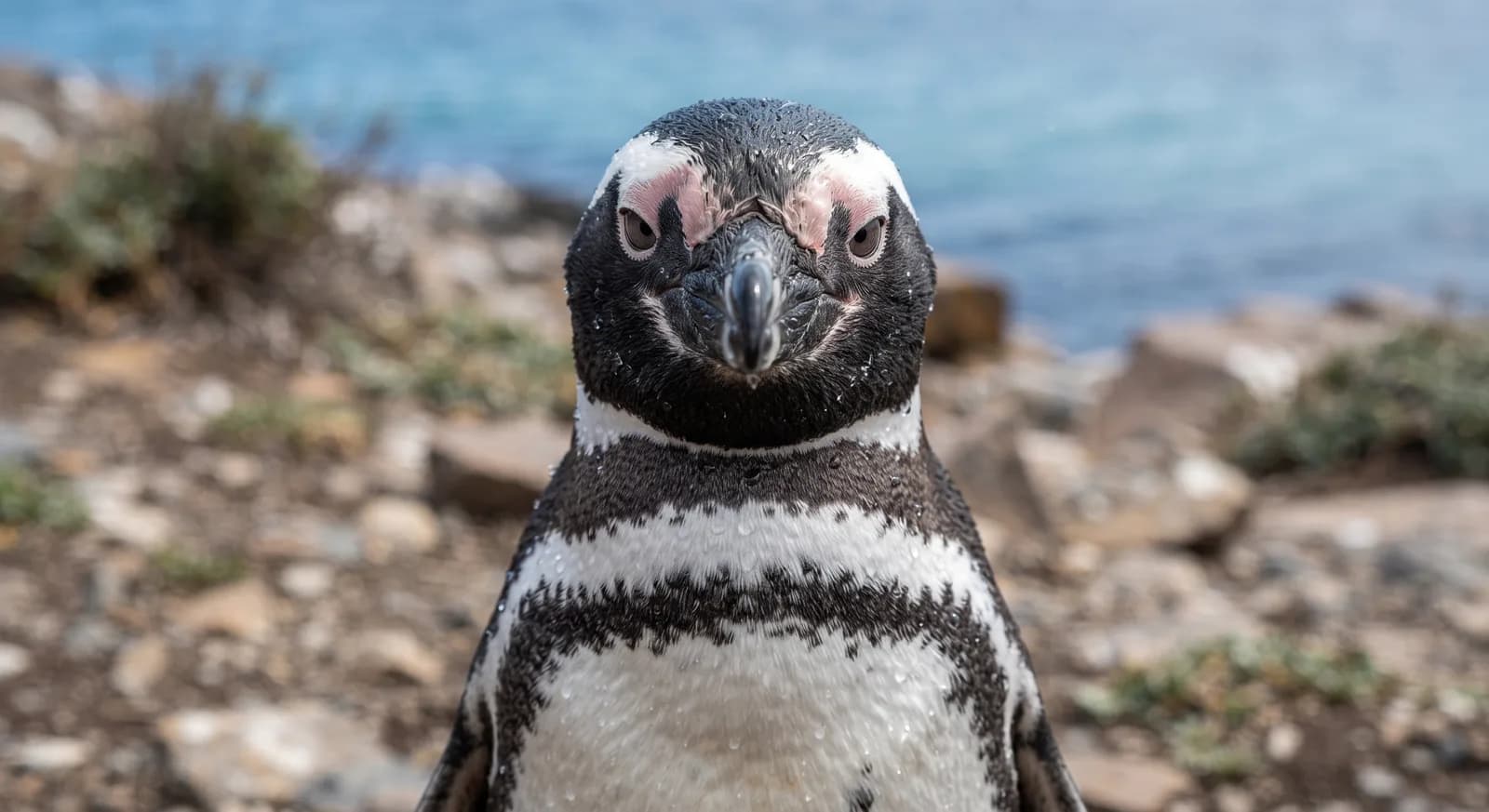
Magellanic Penguin
Spheniscus magellanicus
Southern Giant Petrel
Macronectes giganteus
 Least Concern
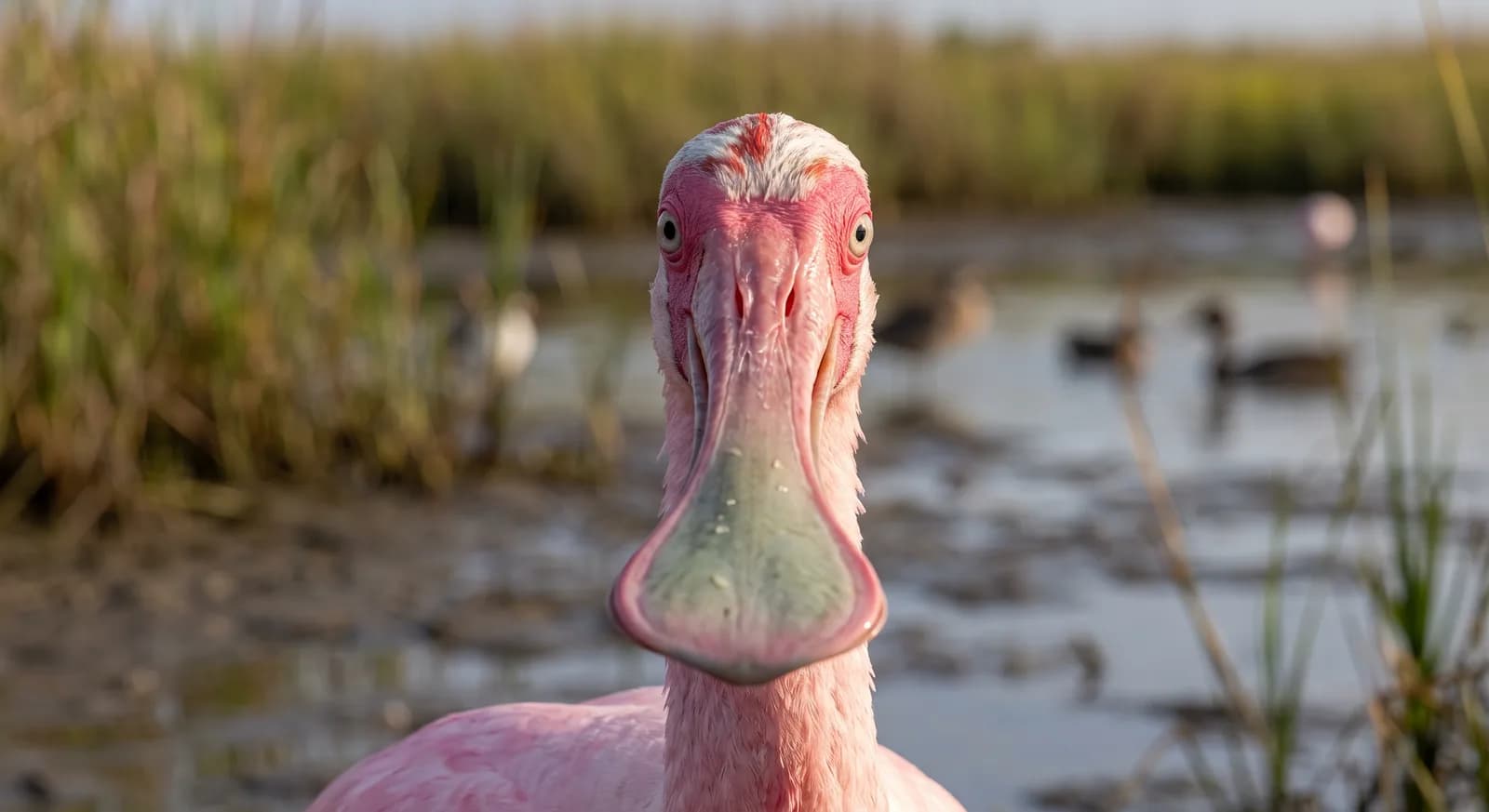
Roseate Spoonbill
Platalea ajaja
Keep exploring
Based on what we already know about magellanic oystercatcher.
Comments
Share an experience, a fun fact or a tip for seeing the magellanic oystercatcher.
Be the first to comment.