One of the 15 penguins on WAnimals
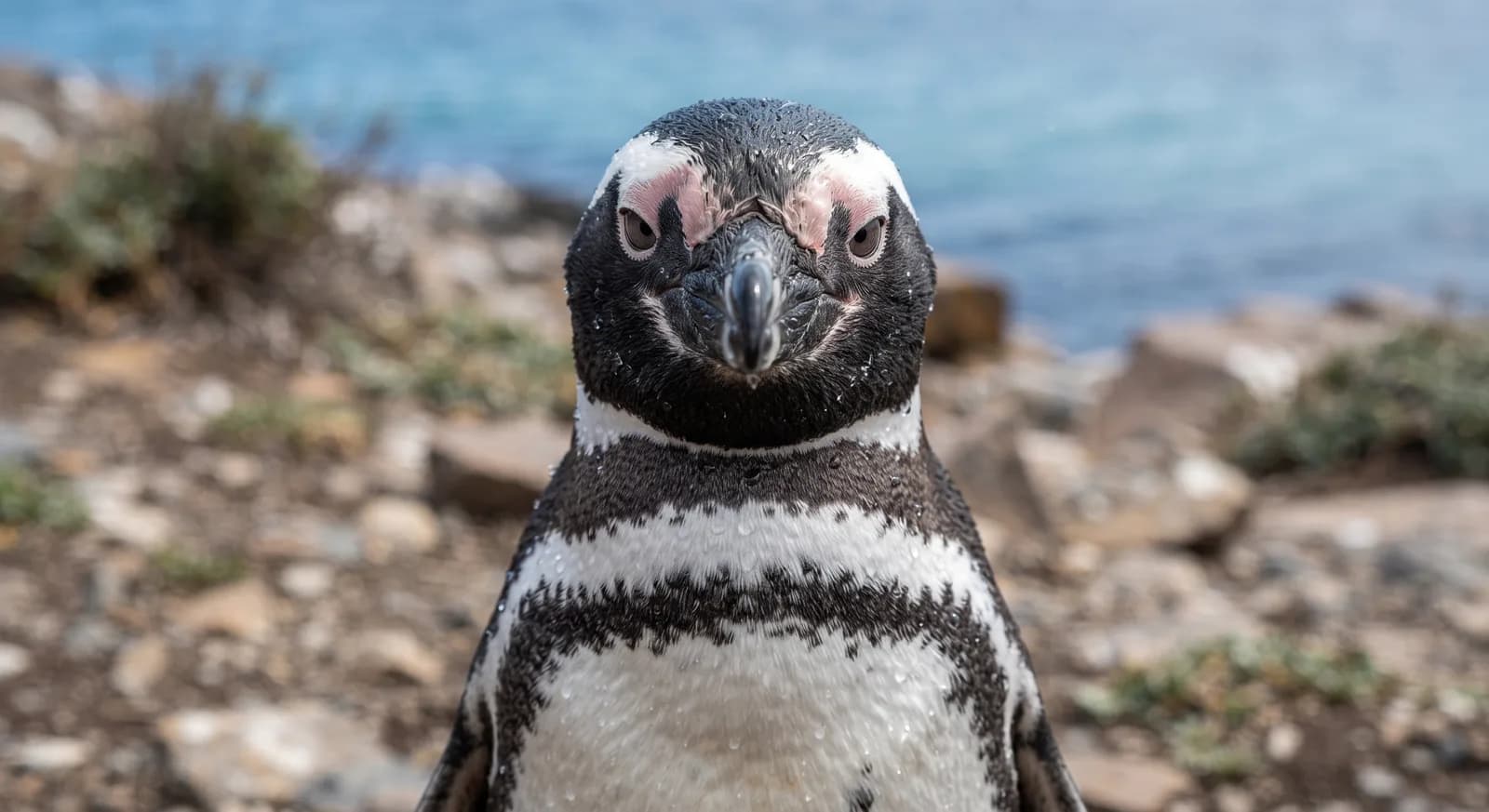
Birds · Sphenisciformes · Spheniscidae
Magellanic Penguin
Spheniscus magellanicus
The species is abundant and widely distributed; it faces no significant short-term risk. See full glossary
The Magellanic penguin, also called the Patagonian penguin, is a bird of the penguin family (Spheniscidae) that nests in the Falkland Islands and on the coasts and islands of Patagonia in Argentina and Chile, migrating north in winter and reaching the milder waters of Uruguay and south-eastern Brazil, and occurring as a vagrant in Australia, Peru, Colombia and other South Atlantic islands. It is the most numerous member of the genus Spheniscus. The other species in this genus are the African penguin, the Humboldt penguin and the Galápagos penguin.
Weight
3.8 kg – 4.5 kg
Size
61 cm – 76 cm
Lifespan
30 years
Diet
Carnivore
Feeds mainly on other animals.
Activity
Diurnal
Active mainly during the day.
Social structure
Colony
Lives in large concentrations, often for breeding reasons.
Sighting difficulty
Easy
Fun facts
- GeneralIt nests in burrows; the Punta Tombo colony holds some 200,000 pairs.
Life cycle & biology
- Skeleton type
- Vertebrate - internal bony skeleton (bird)
- Habitat & environment
- Coasts of Patagonia and the cold waters of the South Atlantic and South Pacific
- Sexual maturity
- 2.8 years
- Gestation / incubation
- 40 days
- Litter / clutch size
- 1
Sources consulted: https://es.wikipedia.org/wiki/Spheniscus_magellanicus
Where to find it
See its range on the interactive mapBest time: From October to February: laying takes place between mid-October and mid-November and the young fledge in February; by late April the colonies are deserted
Where to watch it
Parks and dive sites where this species has been documented.
Related species
Other species in the catalogue with the most in common with Magellanic Penguin — same habitat, park, country, tags or family.
South American Sea Lion
Otaria flavescens
 Least Concern
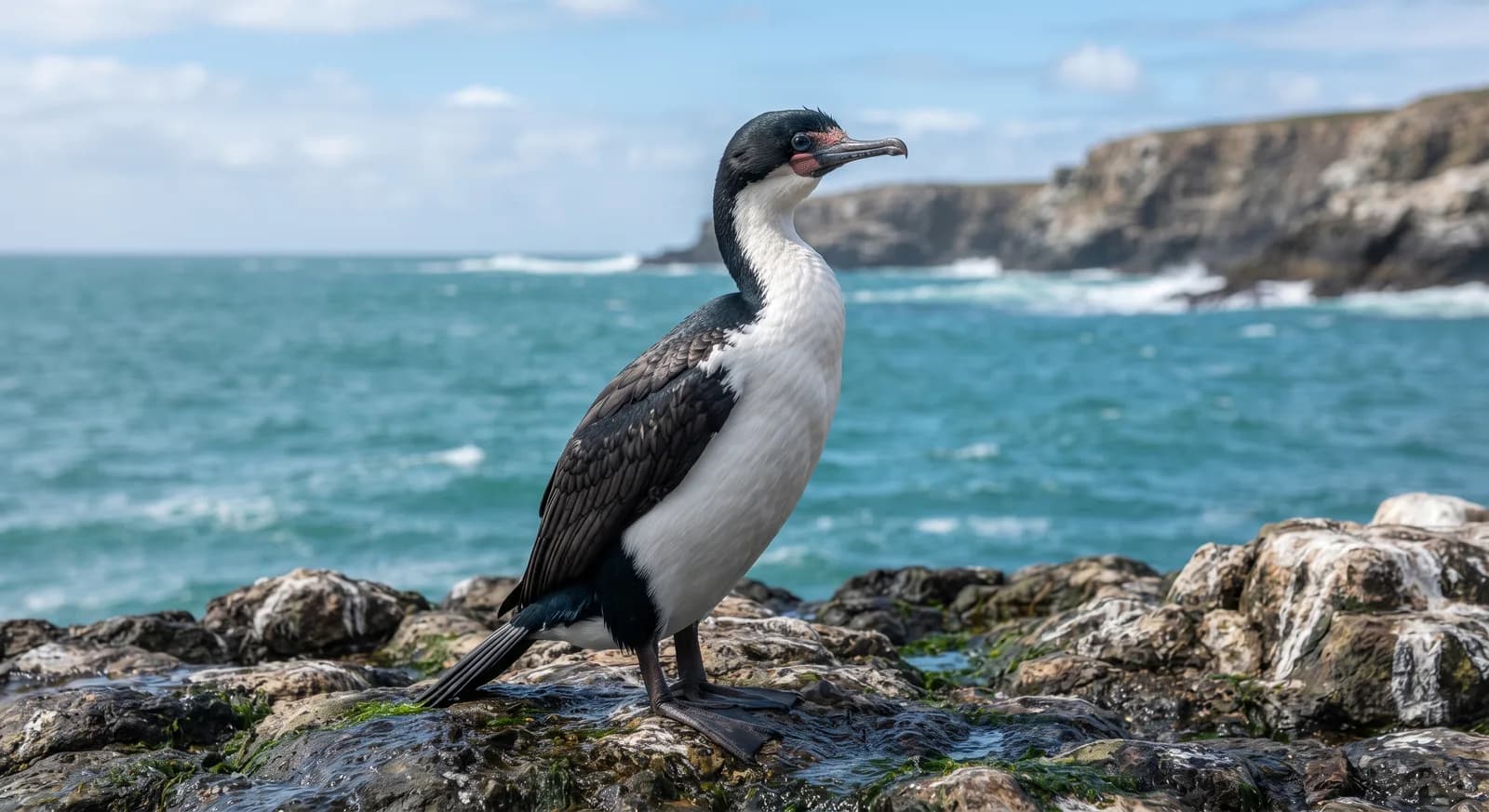
Imperial Shag
Leucocarbo atriceps
Rock Shag
Leucocarbo magellanicus
 Vulnerable
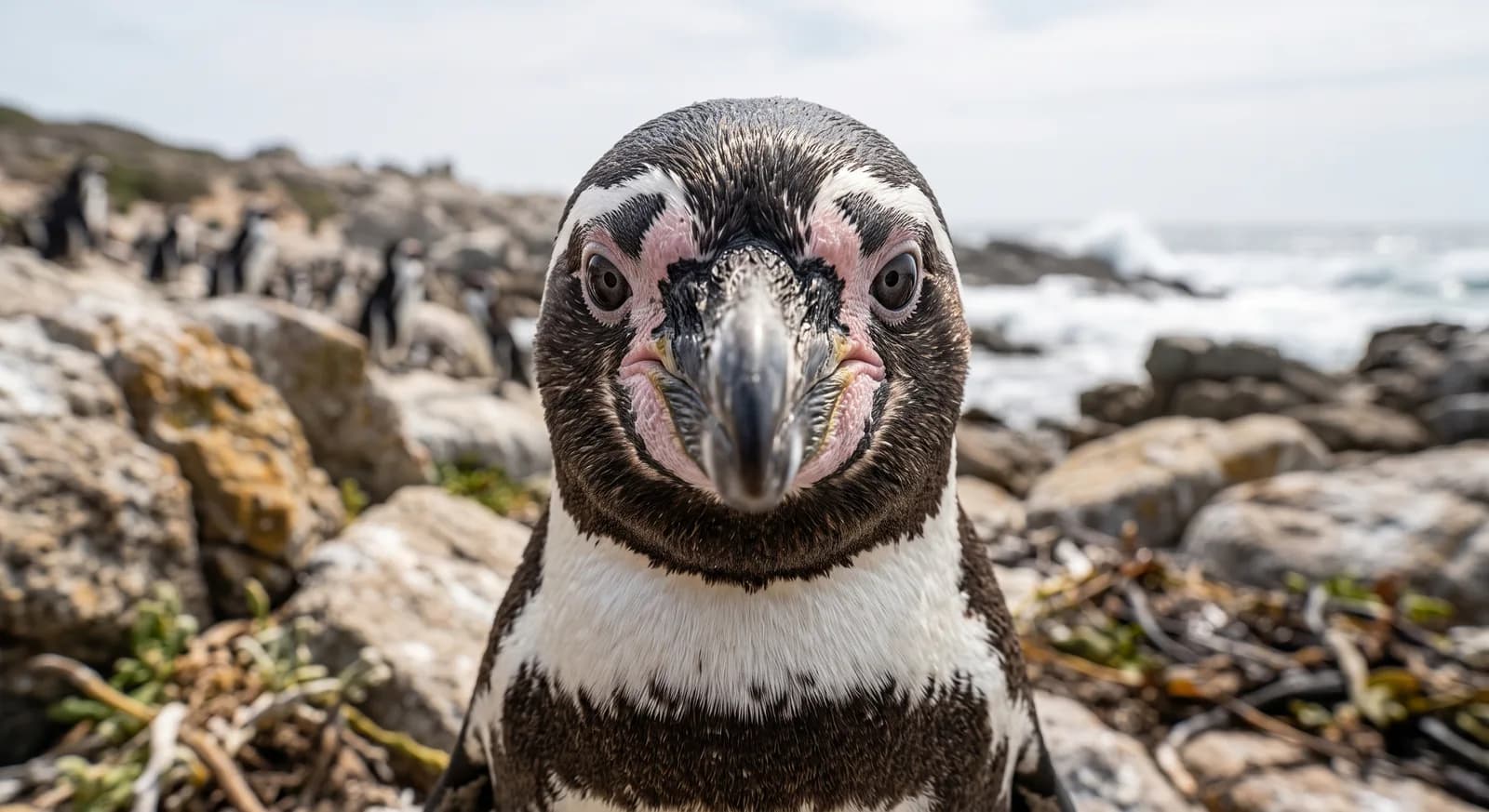
Humboldt Penguin
Spheniscus humboldti
Southern Rockhopper Penguin
Eudyptes chrysocome
South American Fur Seal
Arctocephalus australis
Keep exploring
Based on what we already know about magellanic penguin.
Comments
Share an experience, a fun fact or a tip for seeing the magellanic penguin.
Be the first to comment.