One of the 3 sea lions on WAnimals
Mammals · Carnivora · Otariidae
South American Sea Lion
Otaria flavescens
The species is abundant and widely distributed; it faces no significant short-term risk. See full glossary
The South American sea lion occupies the coasts of the Southern Cone, from Peru to Brazil around Cape Horn. The males, with a thick mane and an enormous neck, can weigh three times as much as the females and defend harems at the rookeries during the austral summer. It feeds on fish, squid and crustaceans, and in some areas it has learnt to make use of discards from the fishing fleet. Its highly concentrated breeding colonies make it sensitive to disturbance of the coast and to El Niño events.
Weight
100 kg – 350 kg
Size
1.8 m – 2.8 m
Lifespan
20 years
Diet
Carnivore
Feeds mainly on other animals.
Activity
Diurnal
Active mainly during the day.
Social structure
Colony
Lives in large concentrations, often for breeding reasons.
Sighting difficulty
Easy
Fun facts
- The sexual dimorphism is among the most marked of any pinniped: an adult bull can weigh 350 kilos and a cow barely 150.
- At Península Valdés, in Argentina, killer whales deliberately strand themselves on the beach to take sea lion pups, a hunting technique practised by only a few killer whale families in the world.
Life cycle & biology
- Skeleton type
- Vertebrate - internal bony skeleton (mammal)
- Habitat & environment
- Rocky and sandy coasts and inshore waters of the South American Pacific and Atlantic
- Sexual maturity
- 4 years
- Gestation / incubation
- 11.7 months
- Litter / clutch size
- 1
Sources consulted: https://es.wikipedia.org/wiki/Otaria_flavescens
Where to find it
See its range on the interactive mapWhere to watch it
Parques y spots de buceo donde se ha documentado esta especie — se muestran 16 de 19 documentados.
Related species
Other species in the catalogue with the most in common with South American Sea Lion — same habitat, park, country, tags or family.
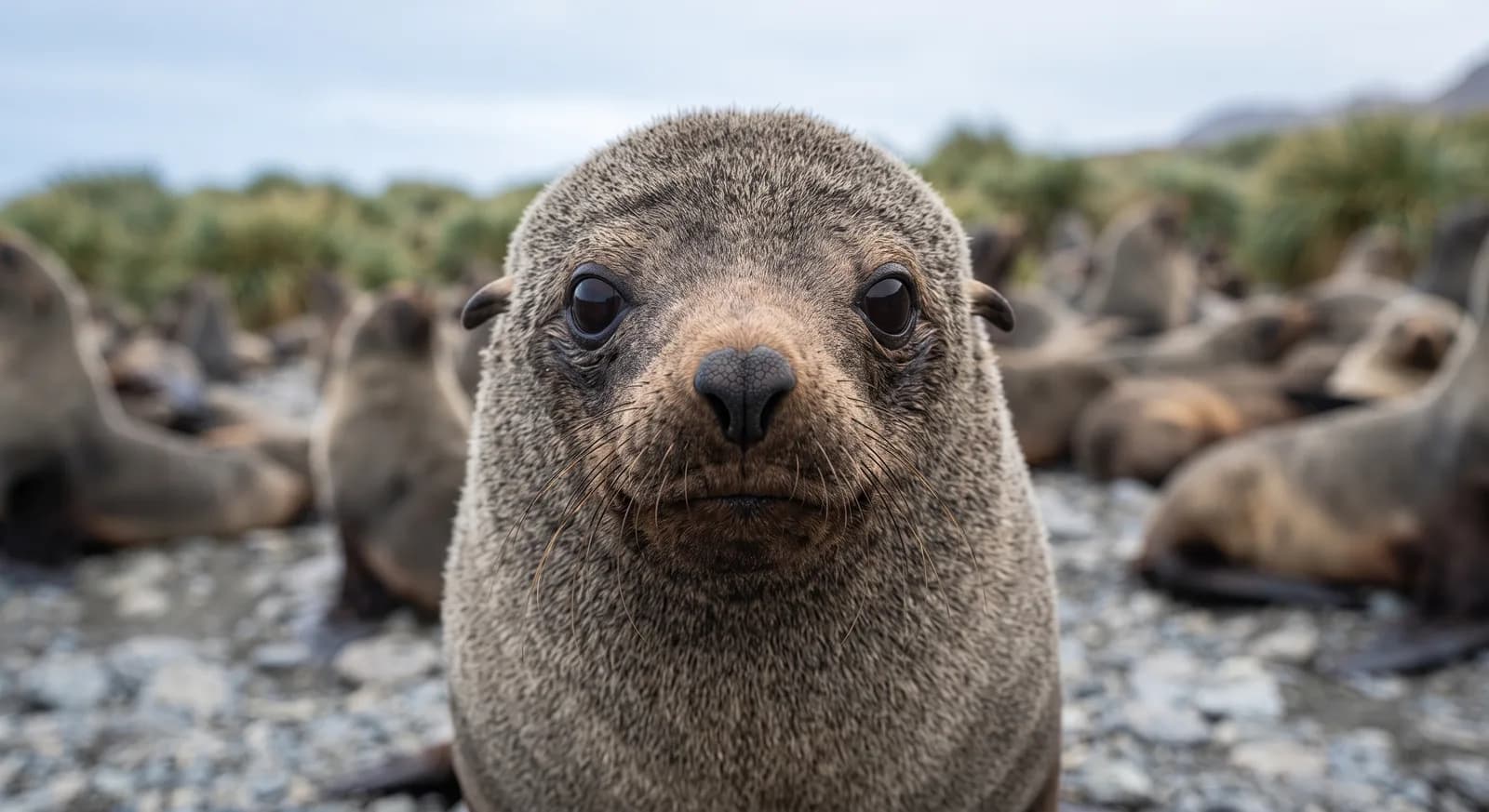
South American Fur Seal
Arctocephalus australis
 Least Concern
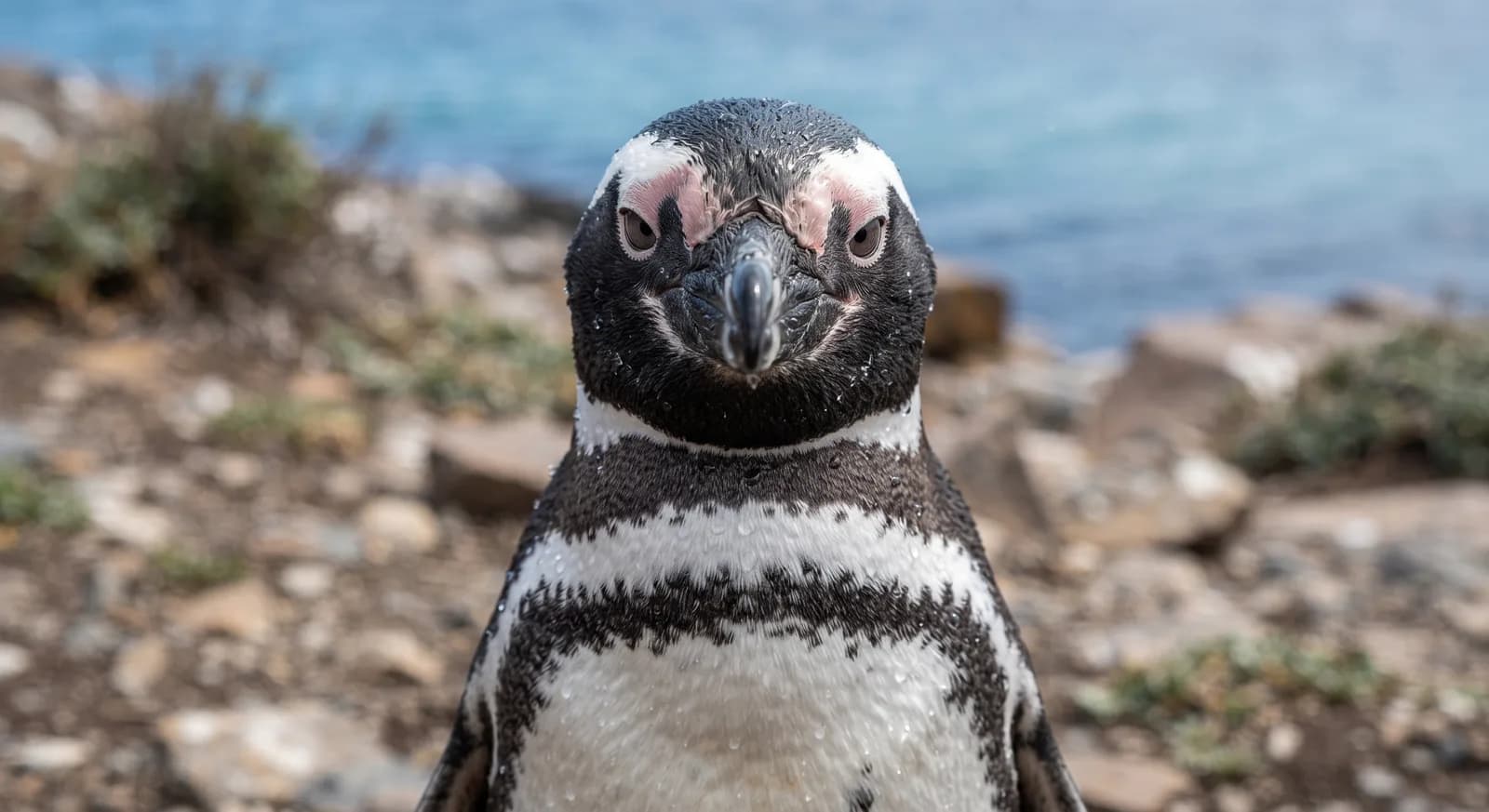
Magellanic Penguin
Spheniscus magellanicus
 Least Concern
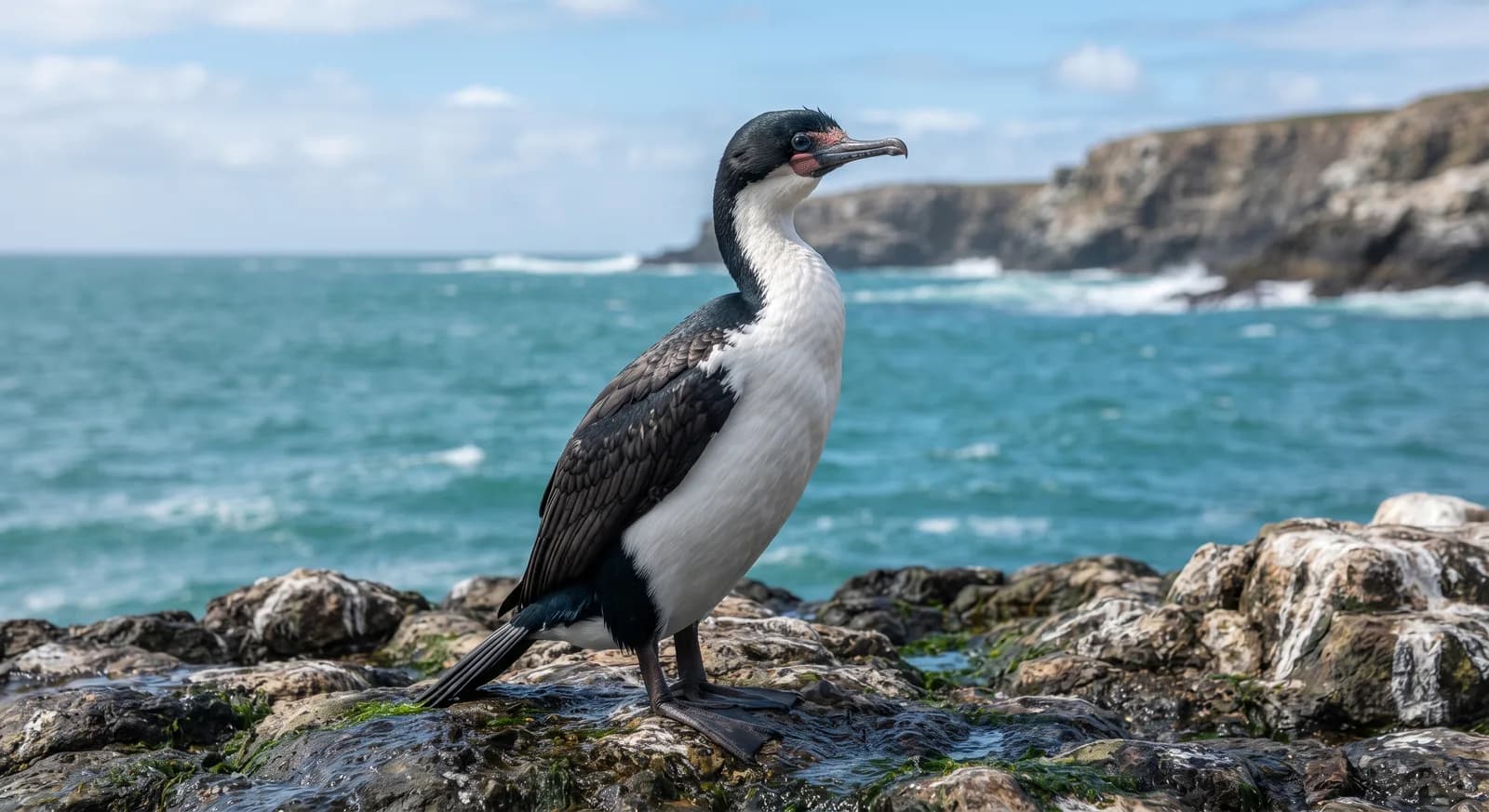
Imperial Shag
Leucocarbo atriceps
Rock Shag
Leucocarbo magellanicus
Peruvian Booby
Sula variegata
 Endangered
Antarctic Fur Seal
Arctocephalus gazella
Keep exploring
Based on what we already know about south american sea lion.
Comments
Share an experience, a fun fact or a tip for seeing the south american sea lion.
Be the first to comment.