Species group · Mammals
Sea Lions
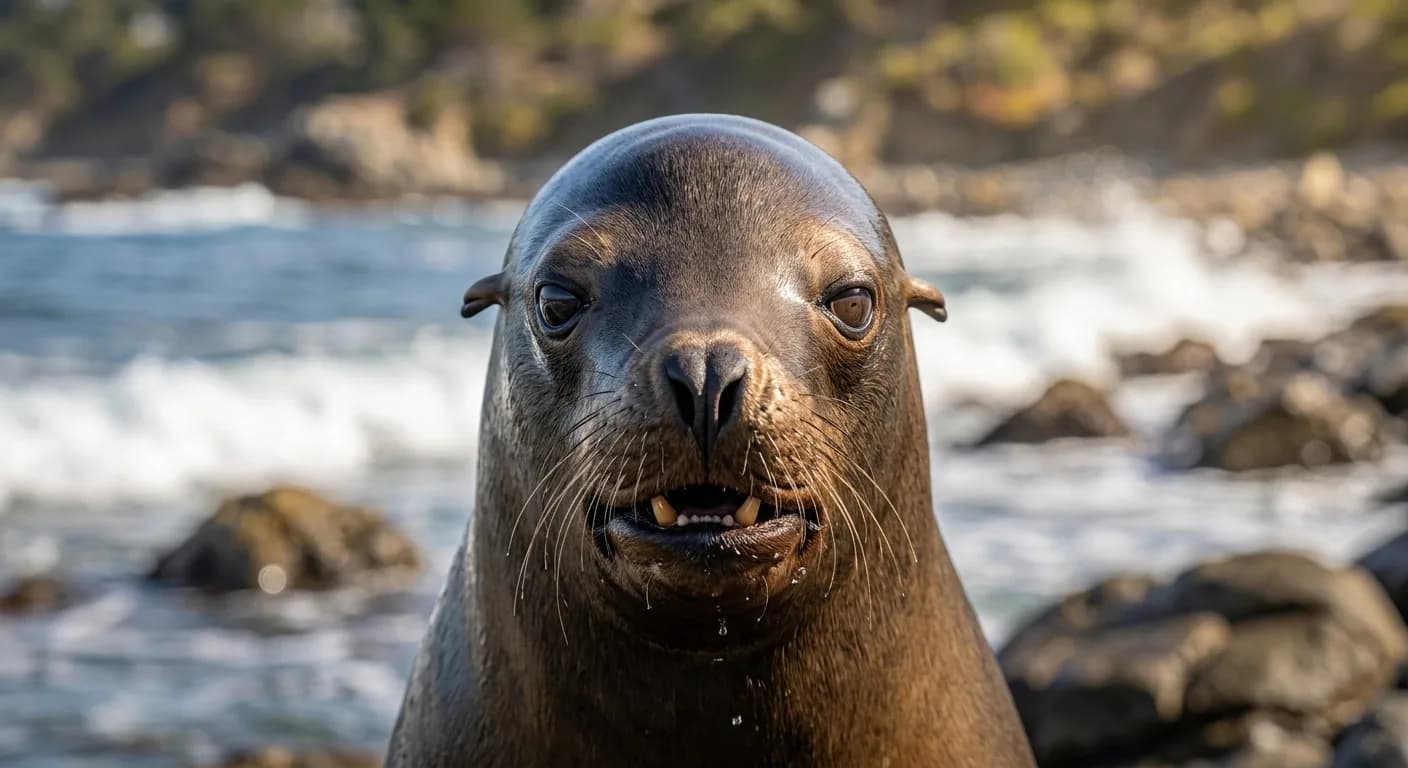
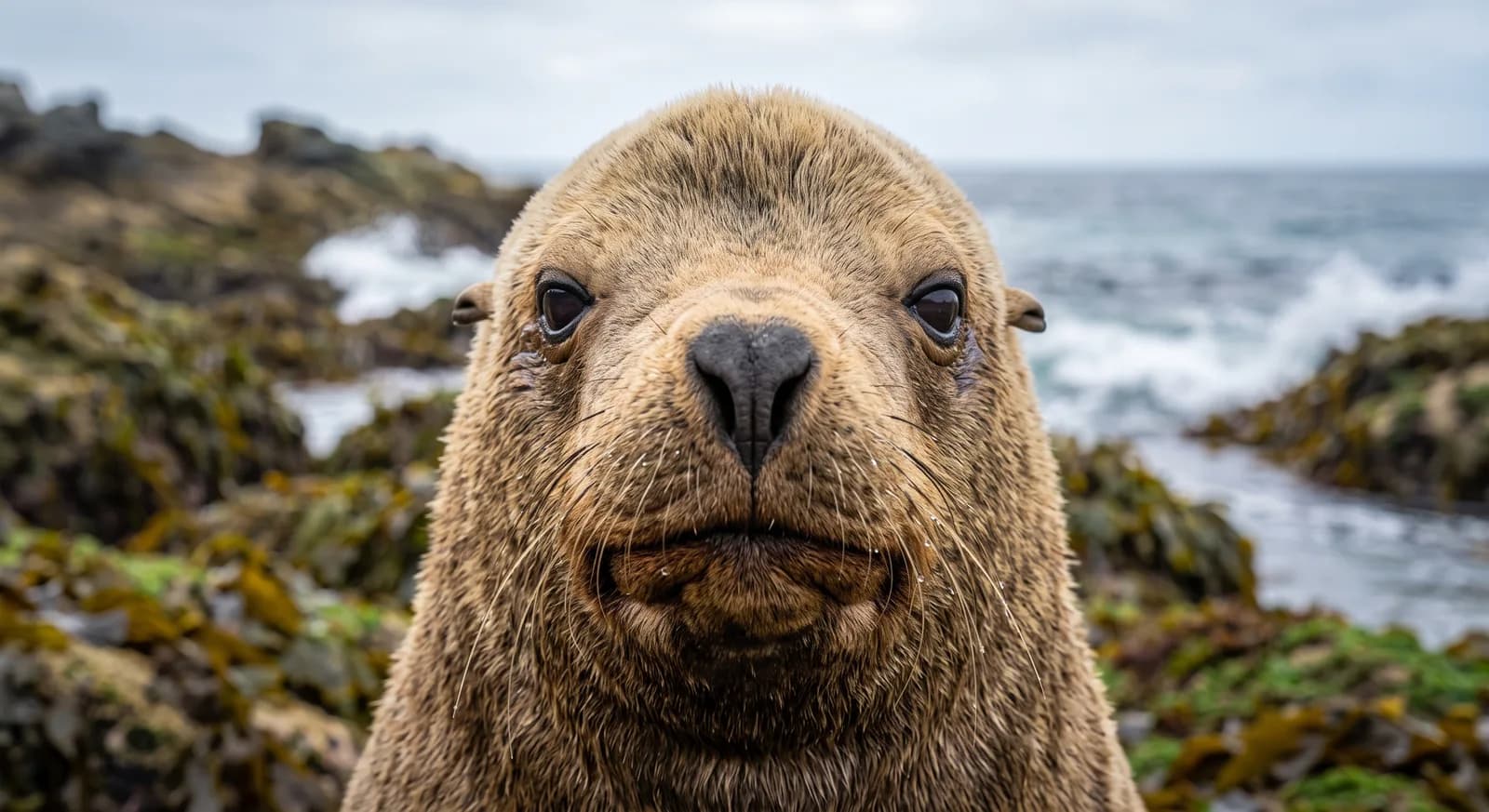
WAnimals has 3 species of sea lion, all in the family Otariidae.
- 3 species
- 1 family
- 14 countries
- 30 parks
- Weight
- 50 kg – 1.1 t
- Length
- 1.5 m – 3.3 m
- Lifespan
- 17 – 25 years
Ranges calculated from the entries that record the figure, not from all 3.
All 3 species of sea lions on WAnimals
Each one has its own full entry. This group does not replace them: it brings them together.
Conservation status
No species documented in this group is genuinely at risk according to the IUCN, with the data available today.
See the global conservation statusWhere they live
Recorded in 14 countries. The ones with the most species in the group:
Where to see them
- Gwaii Haanas2 species
- Olympic2 species
- Pacific Rim2 species
- Redwood2 species
- Alberto de Agostini1 species
- Archipielago de Revillagigedo1 species
- Bahía de Loreto1 species
- Bernardo O'Higgins1 species
- Cabo Polonio1 species
- Cabo Pulmo1 species
- Channel Islands1 species
- Chiloe1 species
- Monterey Bay (Point Lobos)diving
- Browning Pass (Isla de Vancouver)diving
- Cabo Pulmo National Parkdiving
- Catalina Island (Casino Point)diving
- Channel Islands National Parkdiving
- Farnsworth Bank (Catalina)diving
Did you know…
It is one of the most intelligent and trainable pinnipeds in the world.
From Californian Sea Lion
Males grow a prominent bony sagittal crest on the head when they reach sexual maturity.
From Californian Sea Lion
It is a regular subject of US naval research programmes on echolocation.
From Californian Sea Lion
It is the largest sea lion in the world: males can weigh over a tonne and are three times the size of females.
From Steller Sea Lion
It was described by Georg Wilhelm Steller in 1741, on the same Bering Sea expedition on which he documented the sea cow that also bears his name and that was extinct 27 years later.
From Steller Sea Lion
The sexual dimorphism is among the most marked of any pinniped: an adult bull can weigh 350 kilos and a cow barely 150.
At Península Valdés, in Argentina, killer whales deliberately strand themselves on the beach to take sea lion pups, a hunting technique practised by only a few killer whale families in the world.