One of the 3 sea lions on WAnimals
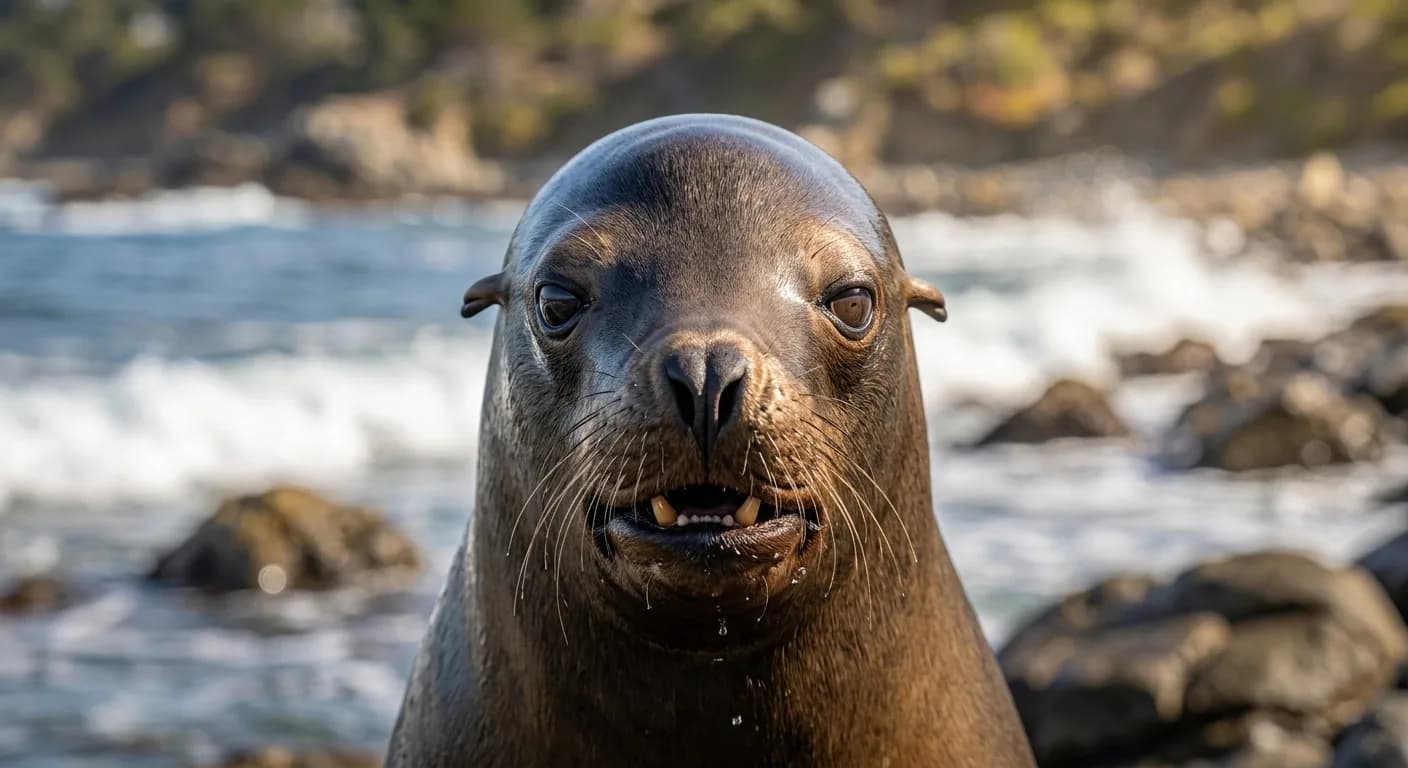
Mammals · Carnivora · Otariidae
Californian Sea Lion
Zalophus californianus
The species is abundant and widely distributed; it faces no significant short-term risk. See full glossary
It is one of the most intelligent and trainable pinnipeds, which is why it is a familiar sight in shows and in naval research programmes on echolocation.
Weight
50 kg – 400 kg
Size
1.5 m – 2.5 m
Lifespan
17 years
Diet
Carnivore
Feeds mainly on other animals.
Activity
Diurnal
Active mainly during the day.
Social structure
Hierarchical pack
Lives in an organised hierarchical group, typical of cooperative hunters.
Sighting difficulty
Easy
Fun facts
- It is one of the most intelligent and trainable pinnipeds in the world.
- Males grow a prominent bony sagittal crest on the head when they reach sexual maturity.
- It is a regular subject of US naval research programmes on echolocation.
Life cycle & biology
- Skeleton type
- Vertebrate - internal bony skeleton (mammal)
- Habitat & environment
- Coasts of the eastern Pacific from Canada to Mexico, favouring areas altered by people
- Birth weight
- 5-6 kg and ~75 cm long at birth
- Size at birth
- 5-6 kg and ~75 cm at birth
- Sexual maturity
- 4-5 years
- Gestation / incubation
- ~11-11.5 months, with ~3 months of delayed implantation
- Litter / clutch size
- 1 young per birth
- Lifespan in captivity
- Documented record of up to 35.7 years
Sources consulted: Animal Diversity Web; A-Z Animals (Grey Seal, comparative); AnAge (genomics.senescence.info); Ocean Connections; Wikipedia (Zalophus); Michigan State University Brain Museum
Where to watch it
Parques y spots de buceo donde se ha documentado esta especie — se muestran 20 de 25 documentados.
Related species
Other species in the catalogue with the most in common with Californian Sea Lion — same habitat, park, country, tags or family.
Juan Fernandez Fur Seal
Arctocephalus philippii
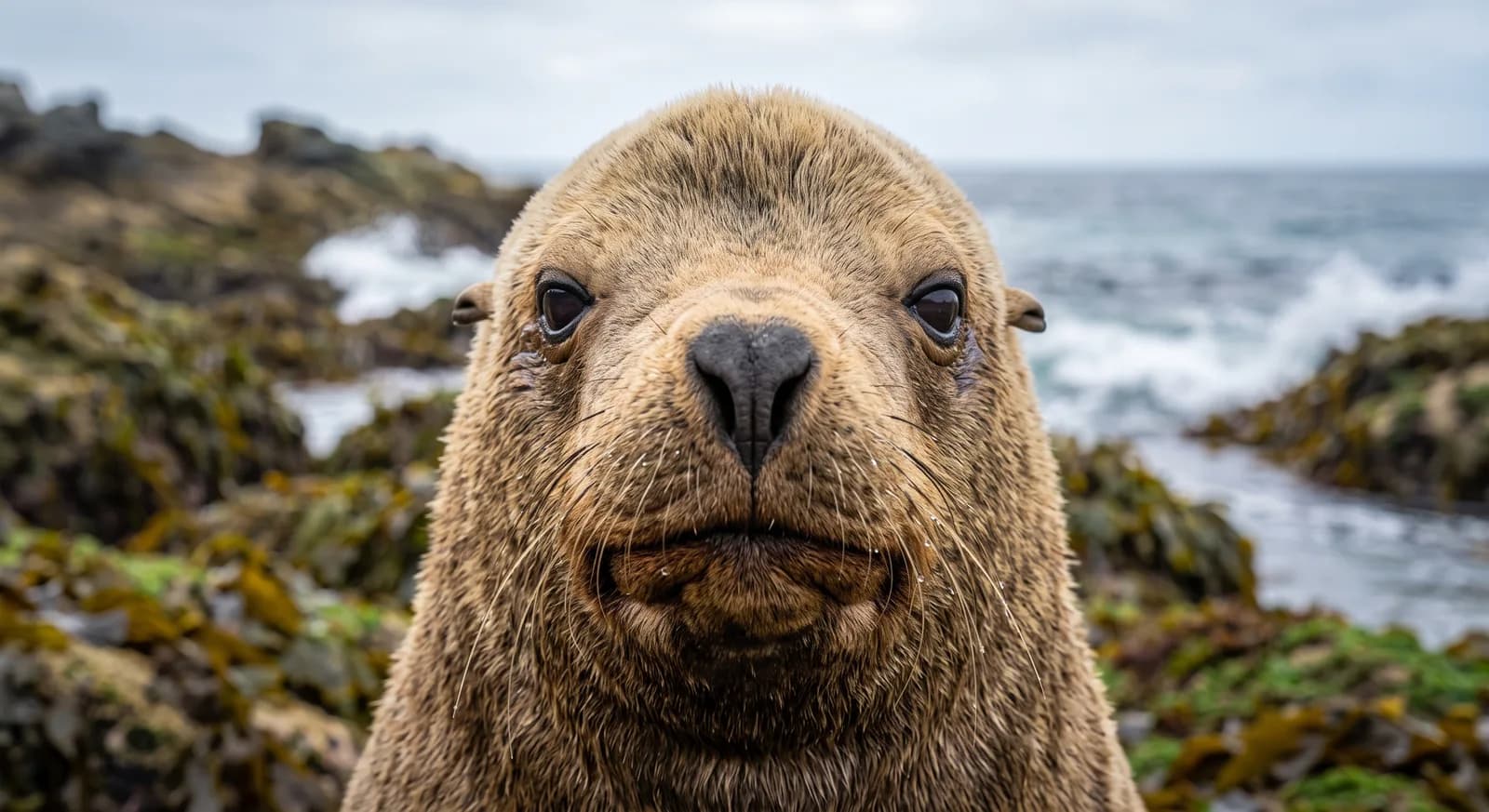 Near Threatened
Steller Sea Lion
Eumetopias jubatus
 Least Concern
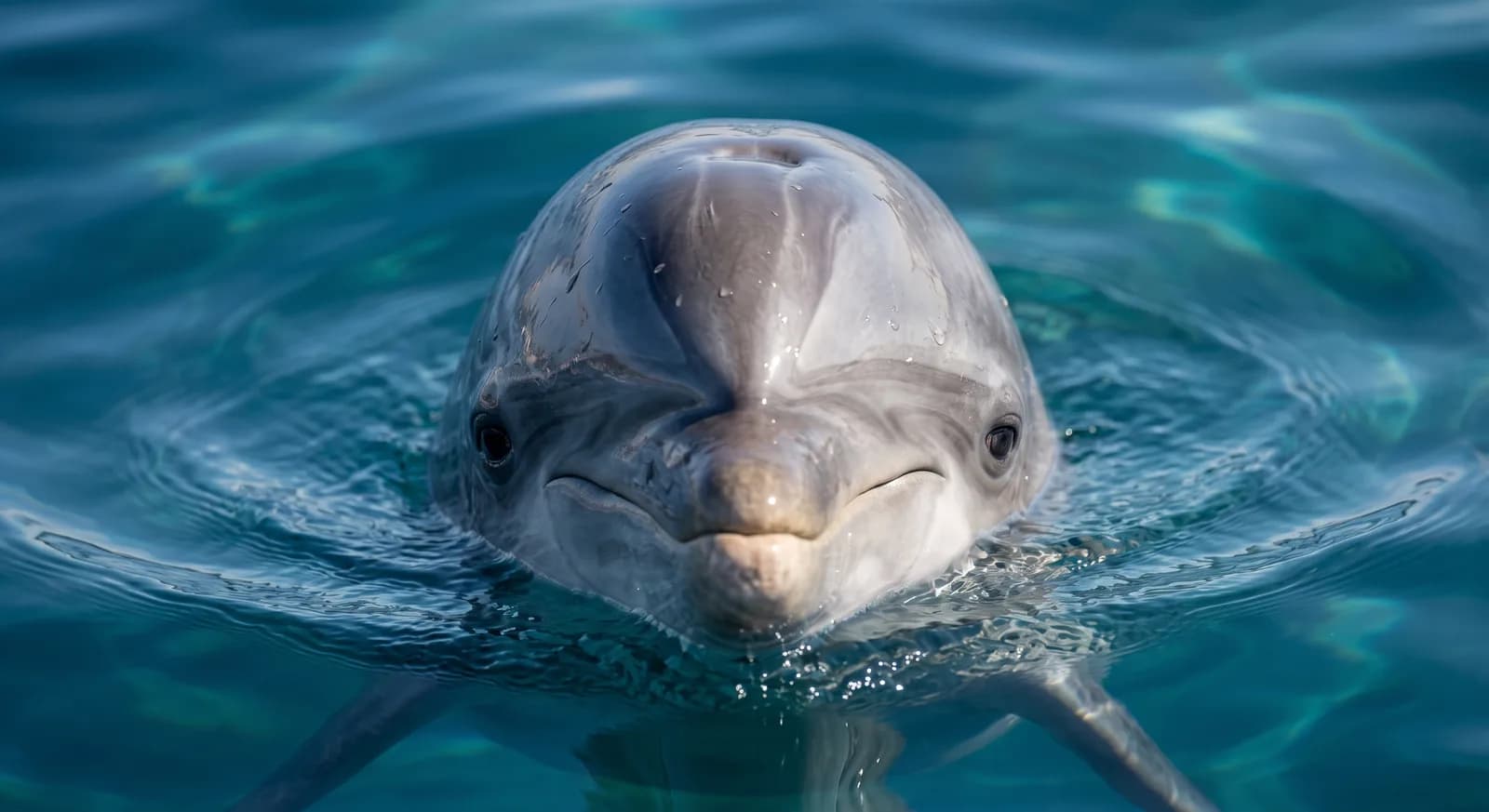
Bottlenose Dolphin
Tursiops truncatus
 Least Concern
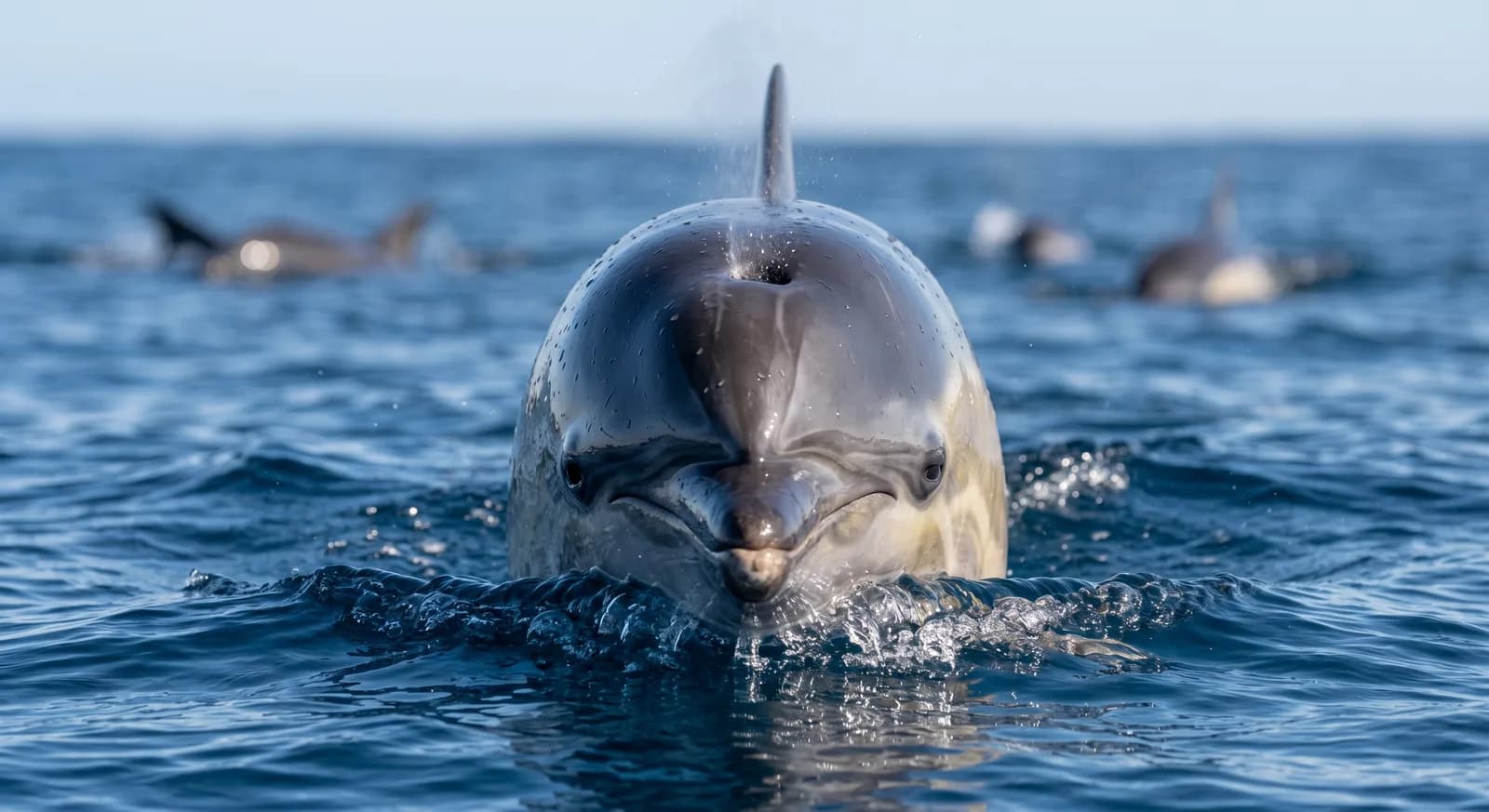
Short-beaked Common Dolphin
Delphinus delphis
 Endangered
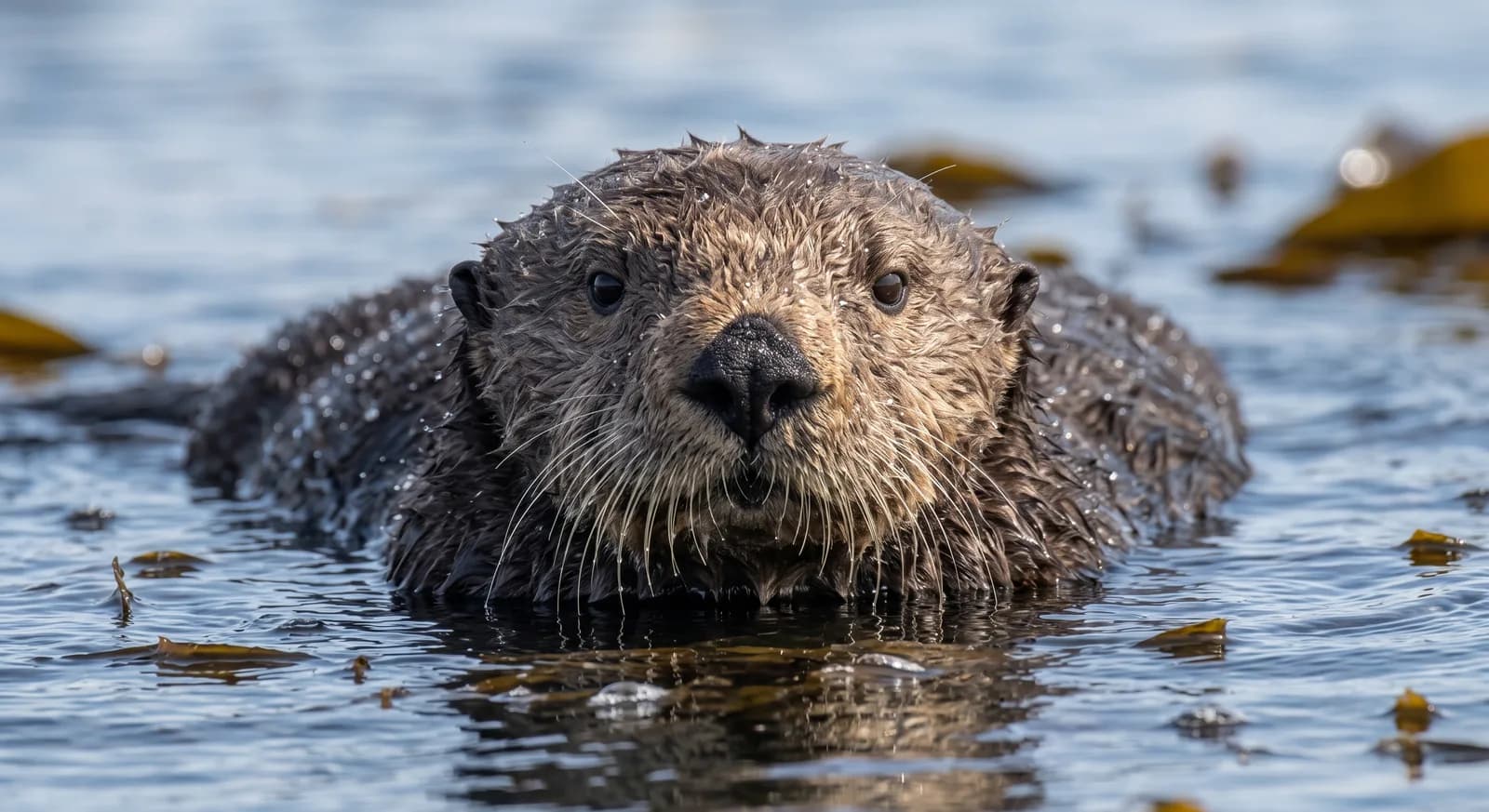
Sea Otter
Enhydra lutris
 Least Concern
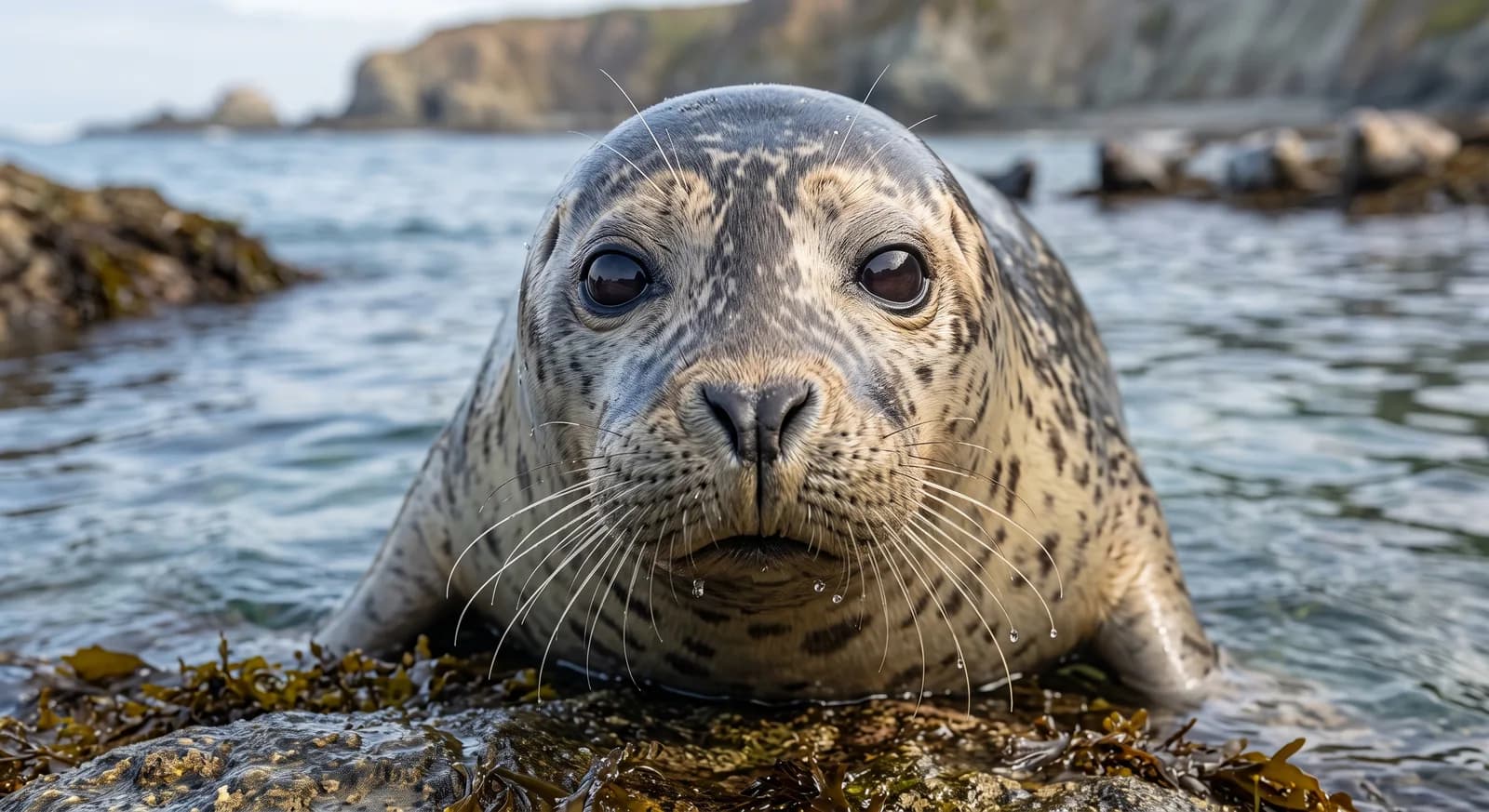
Harbor Seal
Phoca vitulina
Keep exploring
Based on what we already know about californian sea lion.
Comments
Share an experience, a fun fact or a tip for seeing the californian sea lion.
Be the first to comment.