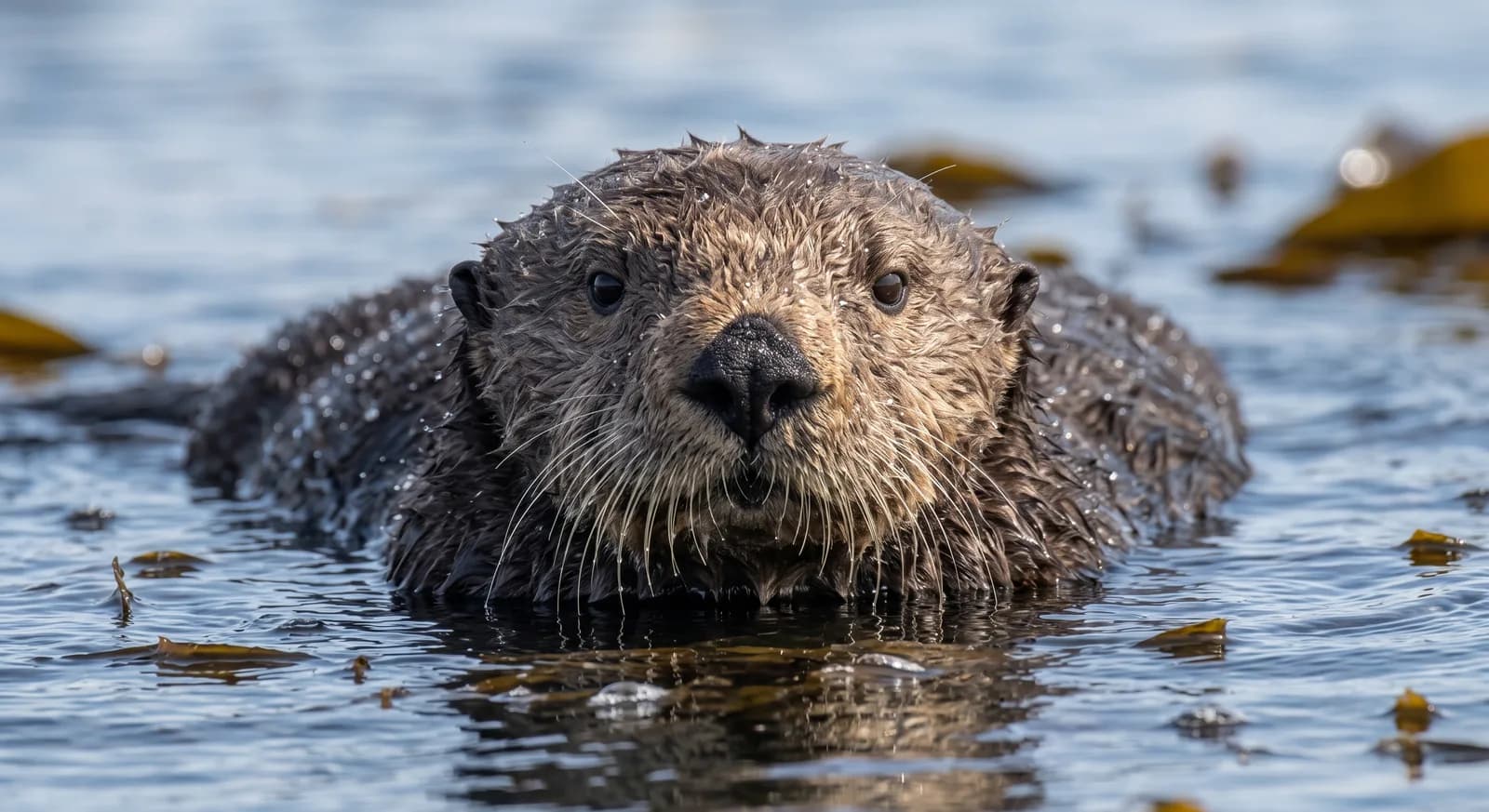
One of the 8 otters on WAnimals
Mammals · Carnivora · Mustelidae
Sea Otter
Enhydra lutris
It faces a very high risk of extinction in the wild in the near future. See full glossary
It has the densest fur of any animal, with up to a million hairs per square inch, since it has no blubber and depends entirely on its coat for insulation against the cold.
Weight
15 kg – 45 kg
Size
1 m – 1.5 m
Lifespan
17 years
Diet
Carnivore
Feeds mainly on other animals.
Activity
Diurnal
Active mainly during the day.
Social structure
Hierarchical pack
Lives in an organised hierarchical group, typical of cooperative hunters.
Sighting difficulty
Hard
Fun facts
- It has the densest fur of any animal, with up to a million hairs per square inch.
- It uses stones as tools to crack open the shells of its prey.
- It wraps itself in kelp while it sleeps so it does not drift away.
- comportamientoIt sleeps floating on its back and often holds paws with others, forming 'rafts' so the group does not drift apart overnight.
Life cycle & biology
- Skeleton type
- Vertebrate - internal bony skeleton (mammal)
- Habitat & environment
- Kelp forests and rocky coastal waters of the North Pacific
- Birth weight
- 1.4-2.3 kg at birth
- Size at birth
- 1.4-2.3 kg at birth
- Sexual maturity
- Female: 3-5 years | Male: 5-6 years
- Gestation / incubation
- 4-12 months in total with delayed implantation (4-5.5 months of active embryonic development)
- Litter / clutch size
- 1 young per birth (twins rare)
- Lifespan in captivity
- Documented record of up to 27 years
Sources consulted: AnAge (genomics.senescence.info); ResearchGate (predicting reproduction captive study); Sea Otter Foundation & Trust; Ivis.org; Animal Diversity Web; COSEWIC status report; FaunaFocus
Where to find it
See its range on the interactive mapWhere to watch it
Parks and dive sites where this species has been documented.
Related species
Other species in the catalogue with the most in common with Sea Otter — same habitat, park, country, tags or family.
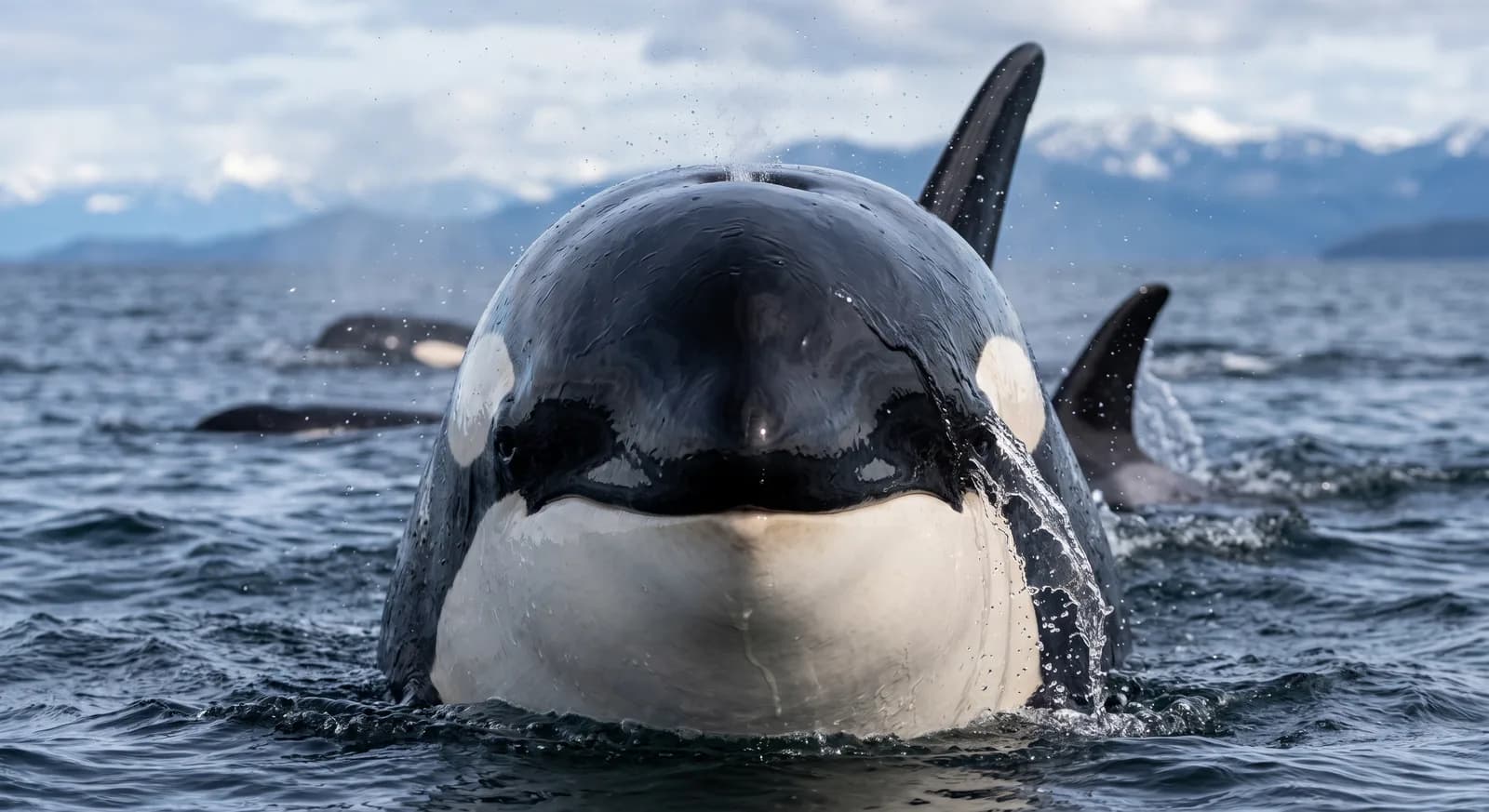 Endangered
Killer Whale
Orcinus orca
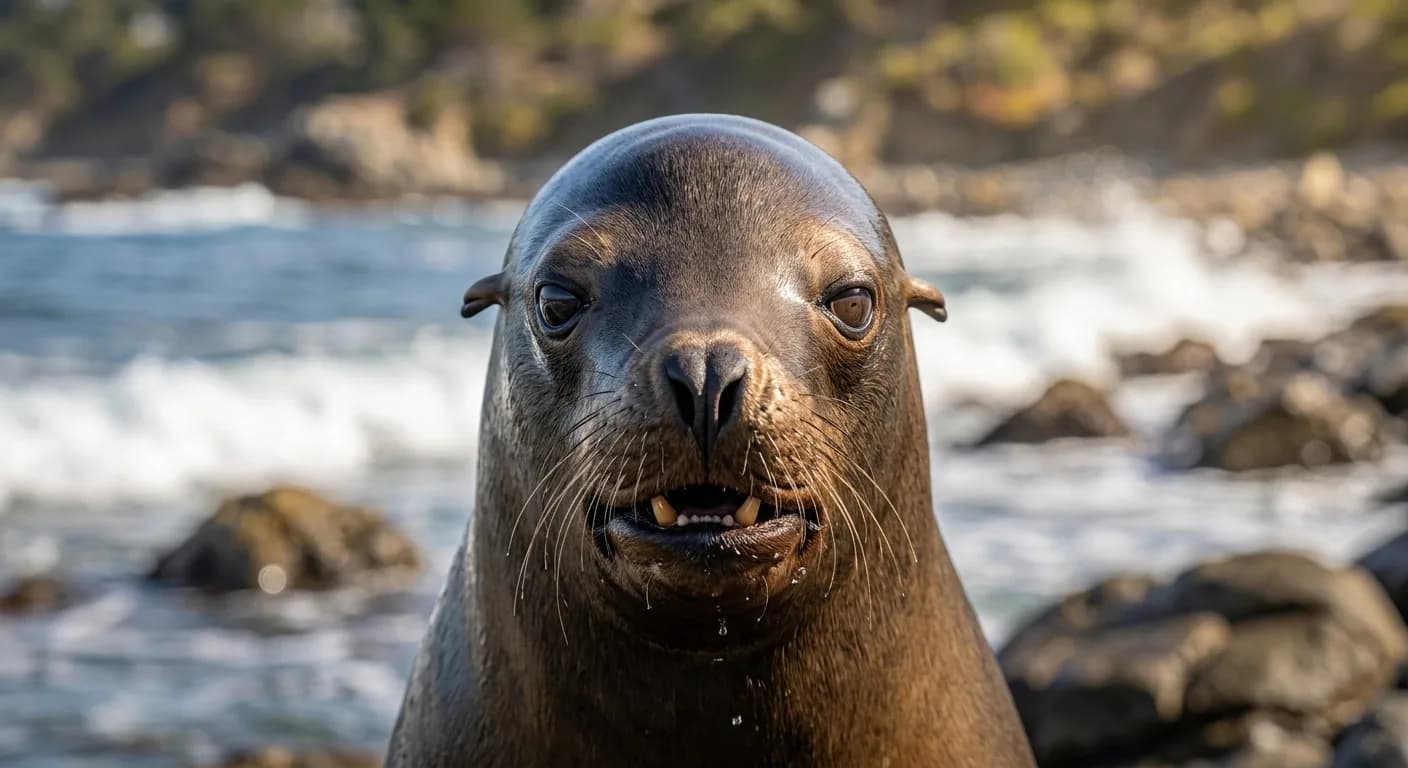 Least Concern
Californian Sea Lion
Zalophus californianus
Shortfin Mako
Isurus oxyrinchus
Coho Salmon
Oncorhynchus kisutch
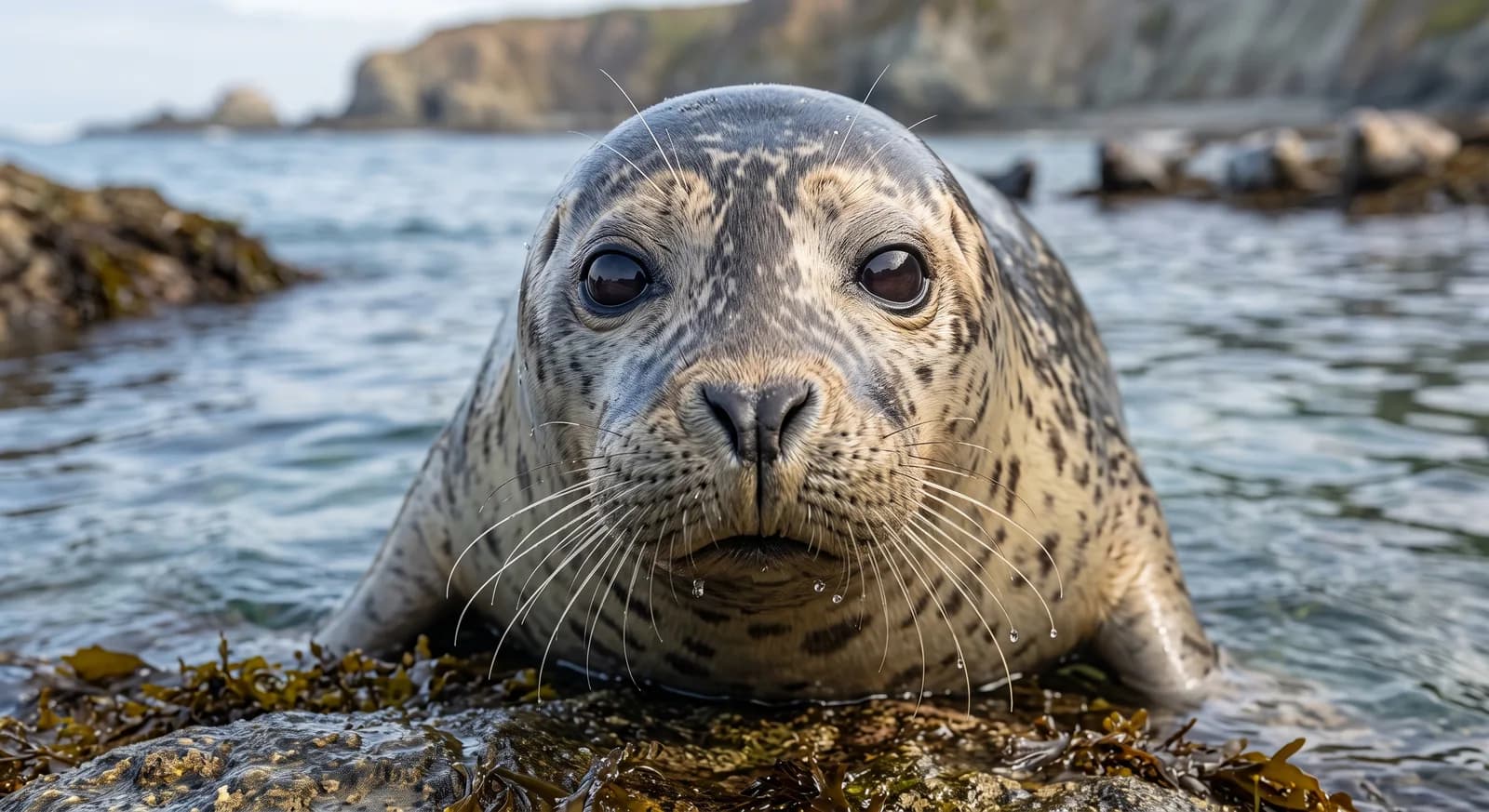 Least Concern
Harbor Seal
Phoca vitulina
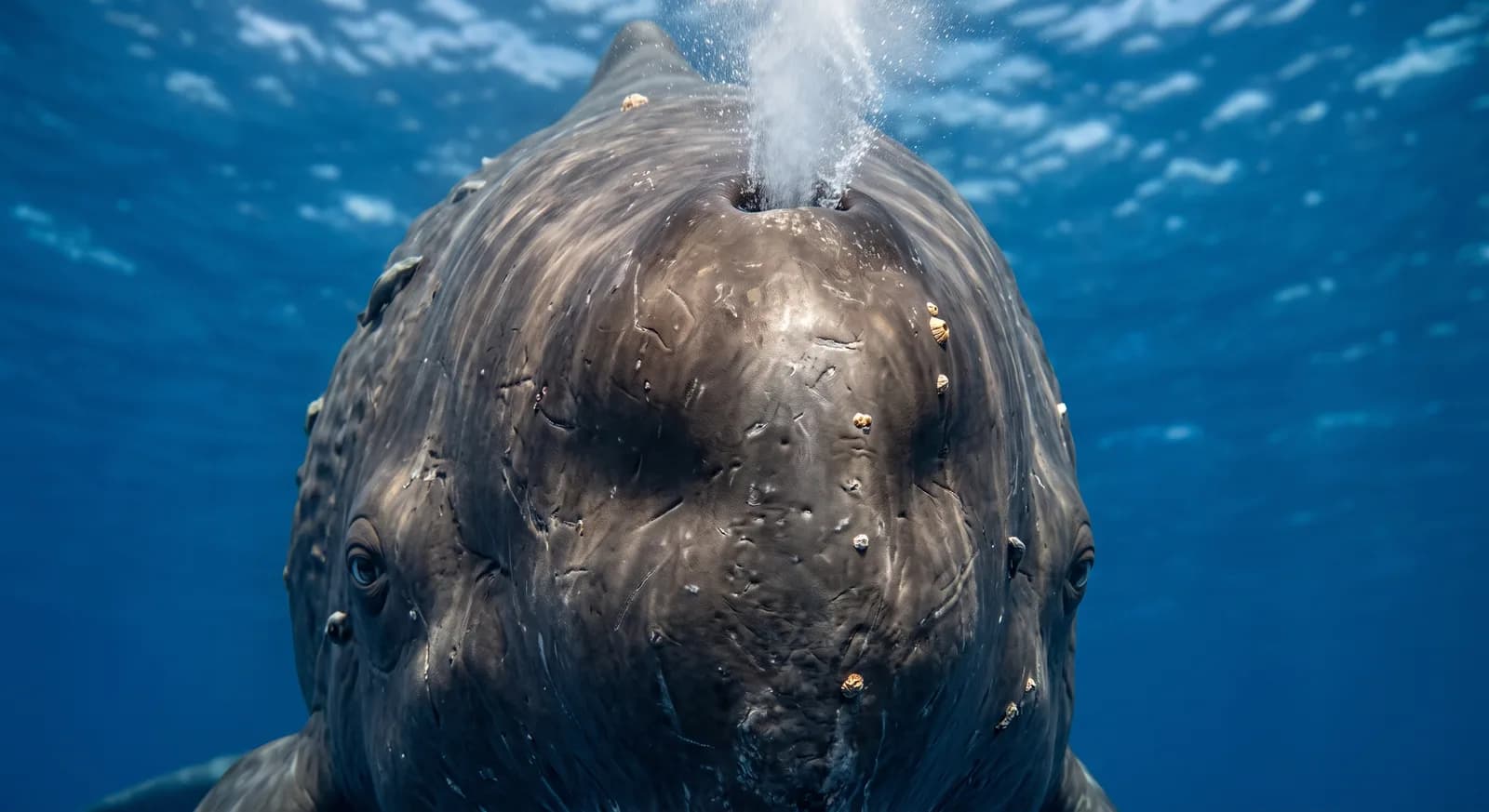 Vulnerable
Sperm Whale
Physeter macrocephalus
How to help
The sea otter is classified as endangered. Organizations such as UICN, WWF y Wildlife Conservation Society work specifically on its conservation and that of its habitat; looking into their programs is a good starting point if you want to get involved.
It's documented in 7 real protected areas — part of why protecting these places matters for its conservation.
Keep exploring
Based on what we already know about sea otter.
Comments
Share an experience, a fun fact or a tip for seeing the sea otter.
Be the first to comment.