One of the 5 salmon on WAnimals
Bony fish · Salmoniformes · Salmonidae
Coho Salmon
Oncorhynchus kisutch
It faces a very high risk of extinction in the wild in the near future. See full glossary
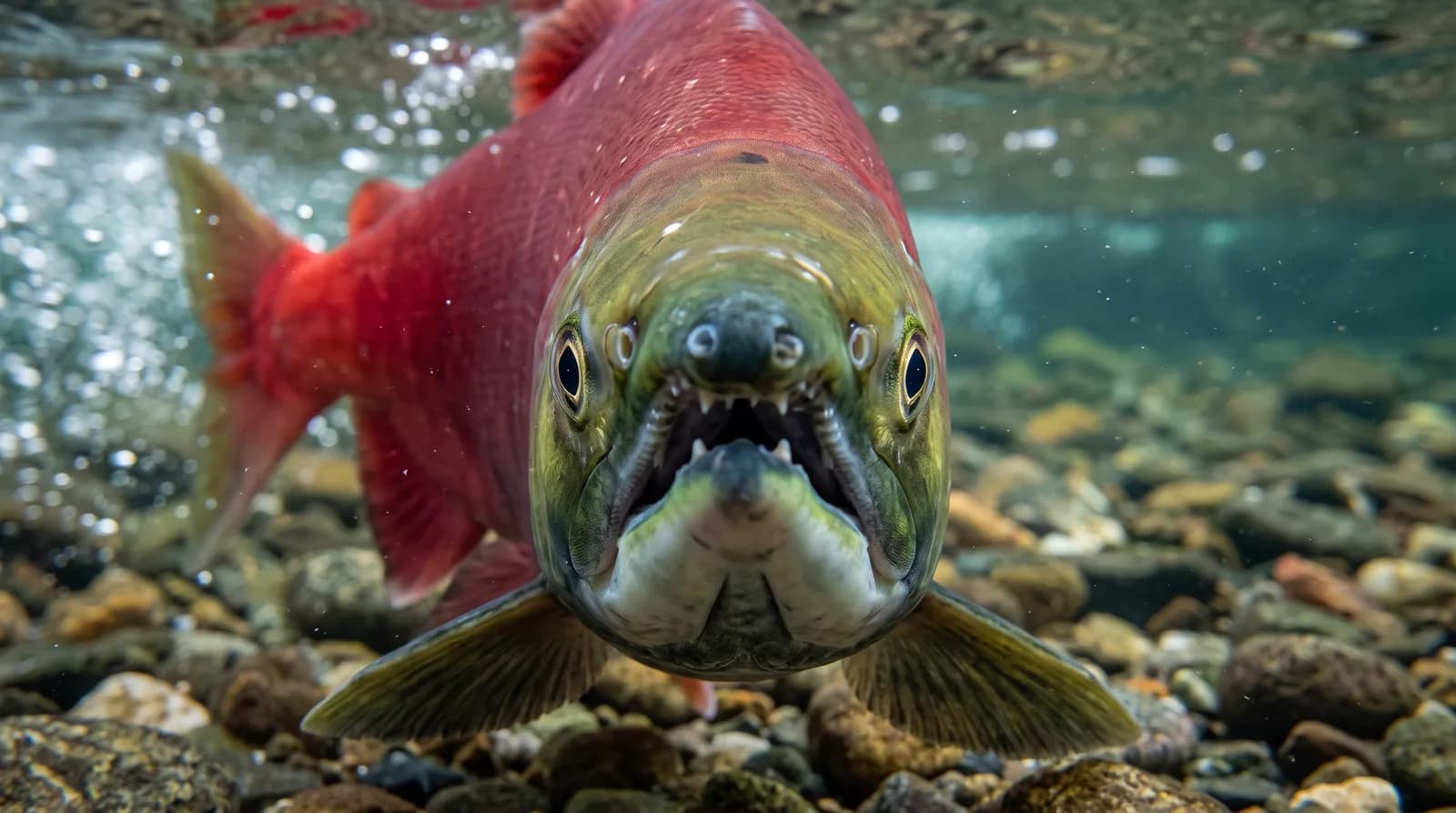
The coho or silver salmon, an anadromous fish of the North Pacific. It hatches in gravel-bedded rivers, spends one or two years in fresh water, migrates to the sea where it grows, and returns to its natal river to spawn and die. On the run upstream the males develop a hooked jaw and both sexes turn a deep red.
Weight
8.4 kg on average
Size
45 cm – 1.1 m
Lifespan
5 years
Diet
Carnivore
Feeds mainly on other animals.
Social structure
Colony
Lives in large concentrations, often for breeding reasons.
Sighting difficulty
Hard
Fun facts
- It returns to the exact stream where it hatched by smell: as a fry it memorises the chemical signature of its river and recognises it years later after thousands of kilometres in the open sea.
- It is semelparous: it spawns once and then dies, and its carcasses bring riverside forests an enormous quantity of nitrogen and phosphorus of oceanic origin.
- Its populations have disappeared from much of California because of dams and the degradation of the rivers.
- Unlike other Pacific salmon, the juveniles spend one or two full years in the stream before going down to the sea, which makes them far more dependent on freshwater quality.
- That freshwater phase is also its weak point: logging, dams and the loss of winter refuges in the streams are the main causes of its decline.
- It is semelparous: it breeds once and dies. The carcasses deliver marine nutrients to the riverside forest, a flow that sustains everything from the bears to the trees themselves.
- Before spawning the male develops a hooked jaw and the body turns deep red with a green head and back.
- Several populations on the west coast of the United States are protected under the Endangered Species Act, with evolutionarily significant units assessed separately.
Life cycle & biology
- Skeleton type
- Vertebrate - internal bony skeleton (fish)
- Habitat & environment
- North Pacific Ocean and coastal rivers of North America and eastern Asia
- Sexual maturity
- 3 years
Sources consulted: Lista Roja de la UICN; NOAA Fisheries; FishBase; Quinn, The Behavior and Ecology of Pacific Salmon and Trout
Where to find it
See its range on the interactive mapBest time: Autumn, during the spawning run upriver
Where to watch it
Parques y spots de buceo donde se ha documentado esta especie — se muestran 15 de 20 documentados.
Related species
Other species in the catalogue with the most in common with Coho Salmon — same habitat, park, country, tags or family.
 Least Concern
Sockeye Salmon
Oncorhynchus nerka
Chinook Salmon
Oncorhynchus tshawytscha
 Endangered
Sea Otter
Enhydra lutris
 Endangered
Killer Whale
Orcinus orca
 Least Concern
Rainbow Trout
Oncorhynchus mykiss
 Vulnerable
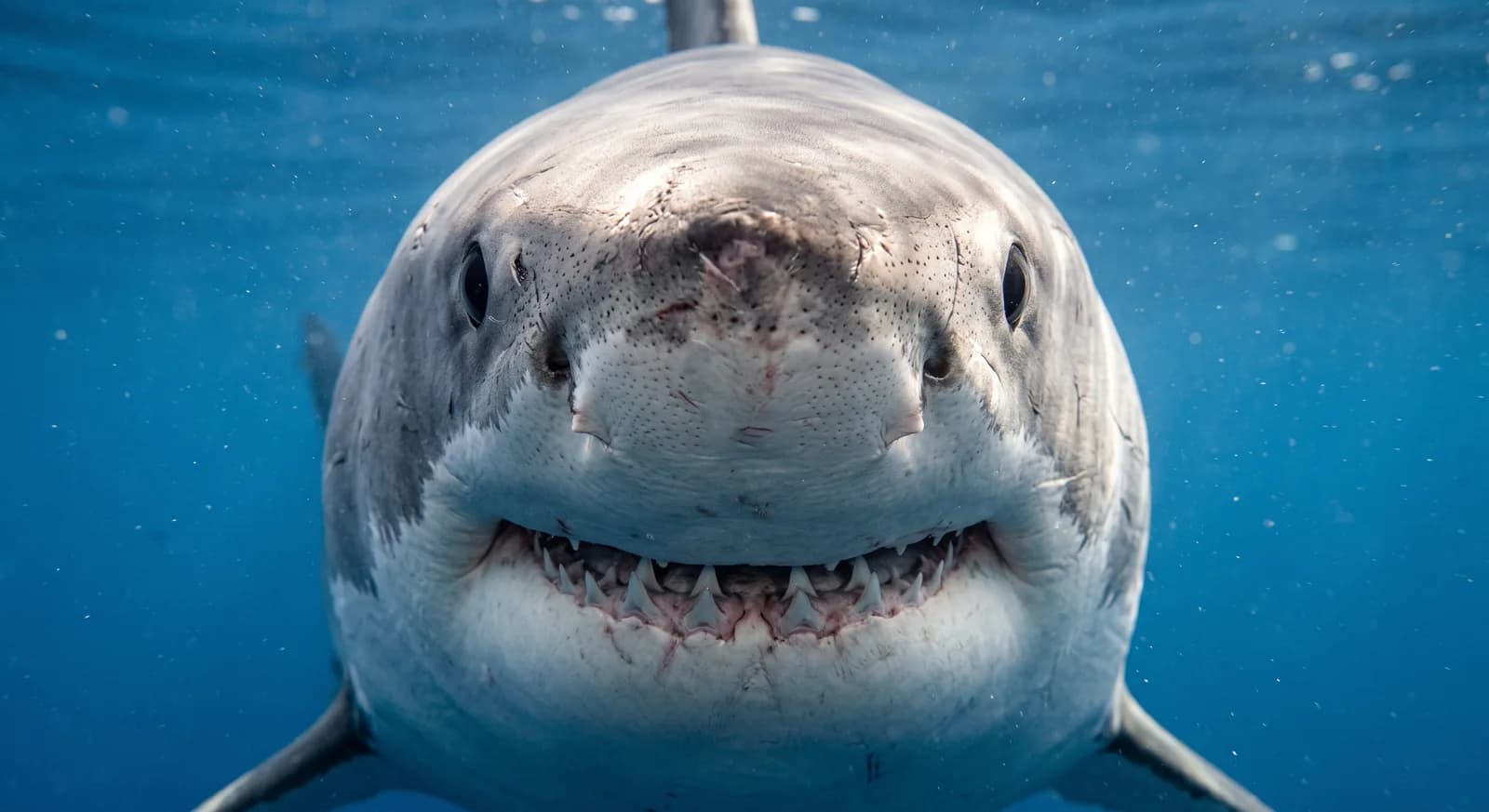
Great White Shark
Carcharodon carcharias
How to help
The coho salmon is classified as endangered. Organizations such as UICN, WWF y Wildlife Conservation Society work specifically on its conservation and that of its habitat; looking into their programs is a good starting point if you want to get involved.
It's documented in 10 real protected areas — part of why protecting these places matters for its conservation.
Keep exploring
Based on what we already know about coho salmon.
Comments
Share an experience, a fun fact or a tip for seeing the coho salmon.
Be the first to comment.