One of the 4 trout on WAnimals
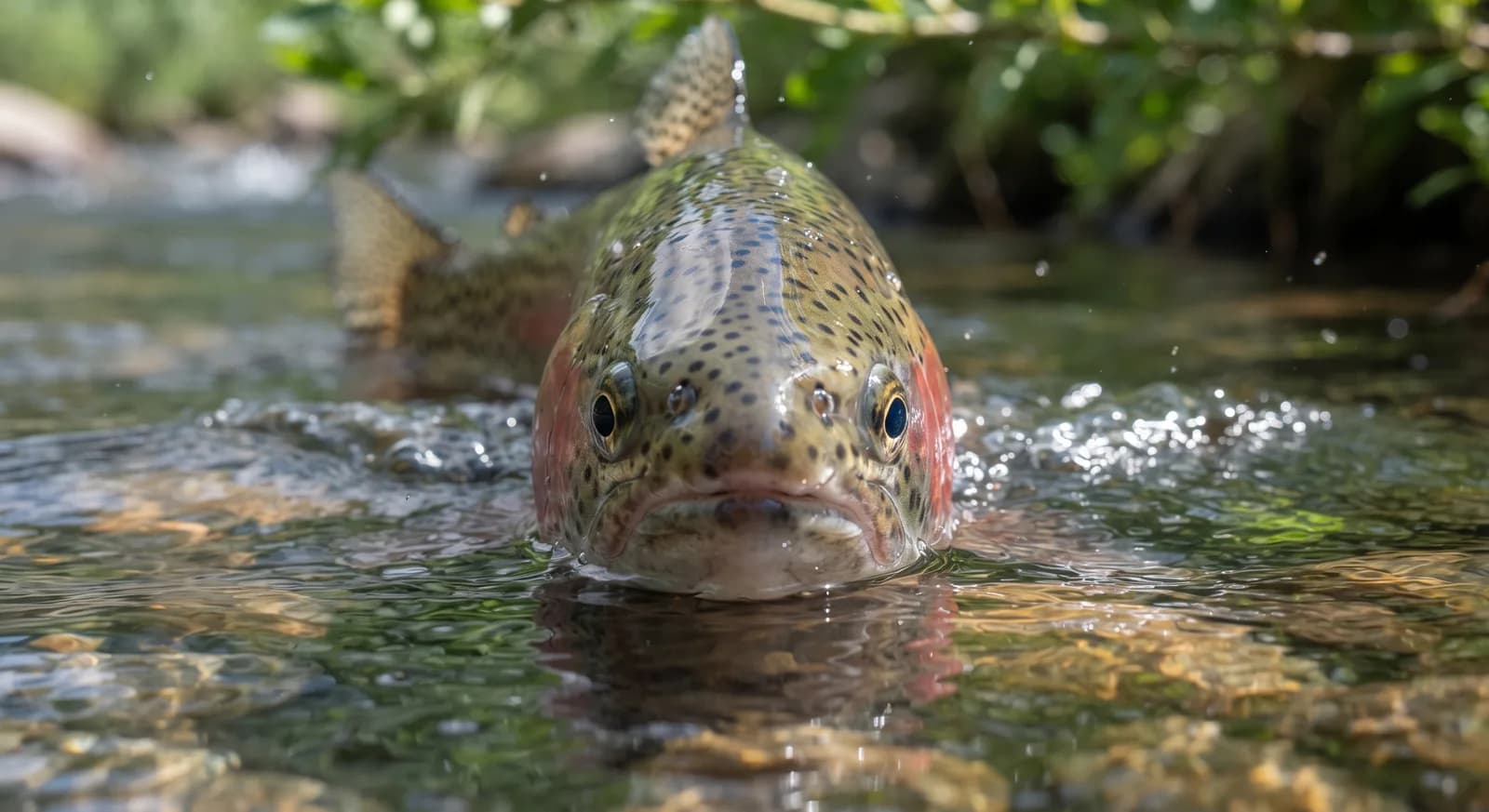
Bony fish · Salmoniformes · Salmonidae
Rainbow Trout
Oncorhynchus mykiss
The species is abundant and widely distributed; it faces no significant short-term risk. See full glossary
It has two entirely different ways of life within the same species: the resident freshwater rainbow trout and the anadromous 'steelhead', which migrates to the ocean before returning to spawn in its home river.
Weight
450 g – 25.9 kg
Size
up to 1.2 m
Lifespan
6 years
Diet
Carnivore
Feeds mainly on other animals.
Activity
Irregular activity
Active at irregular times, by day or night depending on circumstances.
Social structure
Solitary
Lives and hunts alone, joining others only to breed.
Sighting difficulty
Easy
Fun facts
- The steelhead shows a remarkable instinct for returning to its birthplace after 2 to 3 years at sea.
- It eats insects, crustaceans, molluscs and small fish.
- It has been widely introduced around the world for aquaculture and sport fishing.
Life cycle & biology
- Skeleton type
- Vertebrate - internal bony skeleton (fish)
- Habitat & environment
- Cold rivers and streams of the Pacific coast of North America (native form); widely introduced worldwide for aquaculture and sport fishing
- Birth weight
- A larva (fry) on hatching from the egg
- Size at birth
- Tiny at hatching
- Sexual maturity
- 1-3 years (usual reference 2-3 years)
- Gestation / incubation
- 3-12 weeks (30-100 days depending on temperature)
- Litter / clutch size
- 500 to 9,000 eggs per female
Sources consulted: Illinois DNR; FishBase; Maryland DNR; MDB Fish Fact Sheet; Animal Diversity Web; U.S. Fish and Wildlife Service; DOAJ
Where to find it
See its range on the interactive mapBest time: From winter to spring in its native range in the North American Pacific, during spawning; in Europe it is introduced in rivers and fish farms.
Where to watch it
Parks and dive sites where this species has been documented.
Related species
Other species in the catalogue with the most in common with Rainbow Trout — same habitat, park, country, tags or family.
Brook Trout
Salvelinus fontinalis
 Not Evaluated
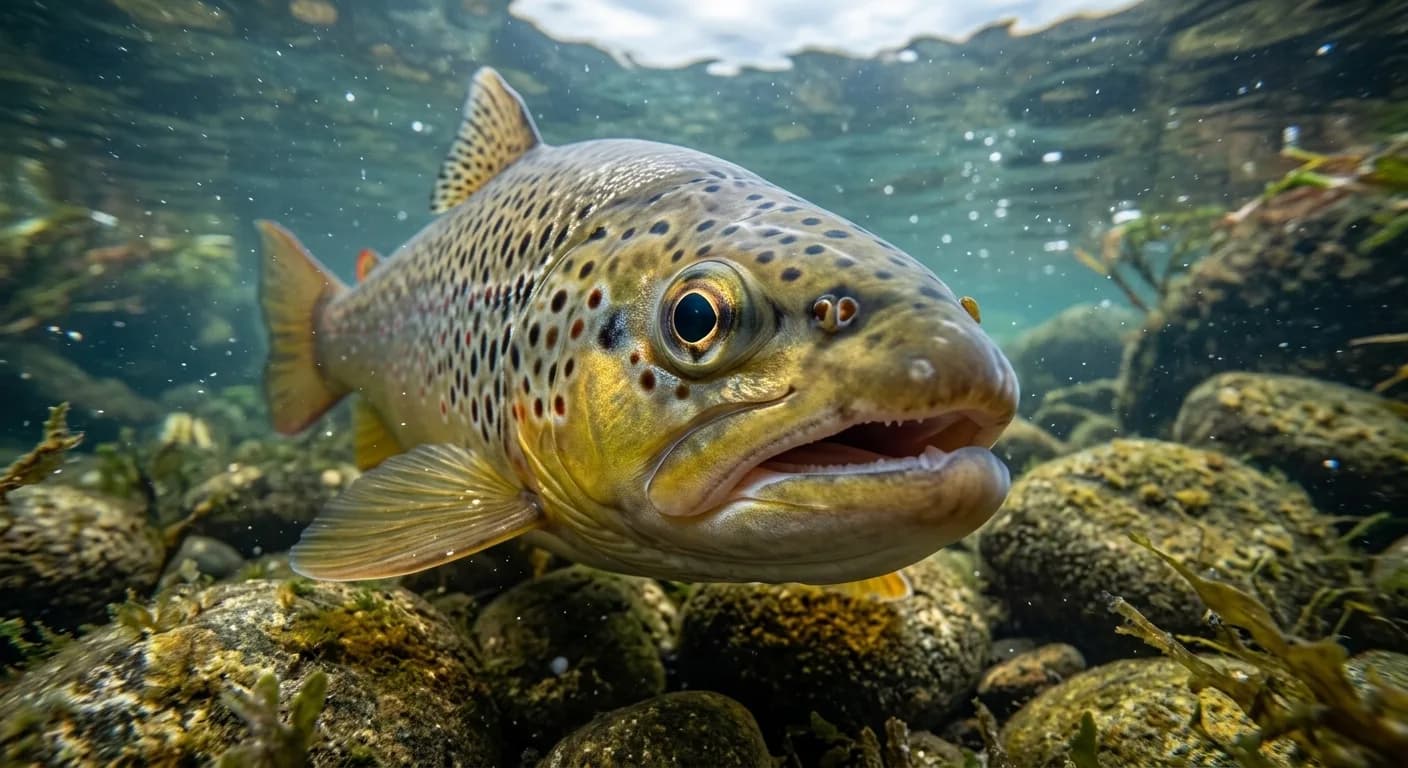
Brown Trout
Salmo trutta
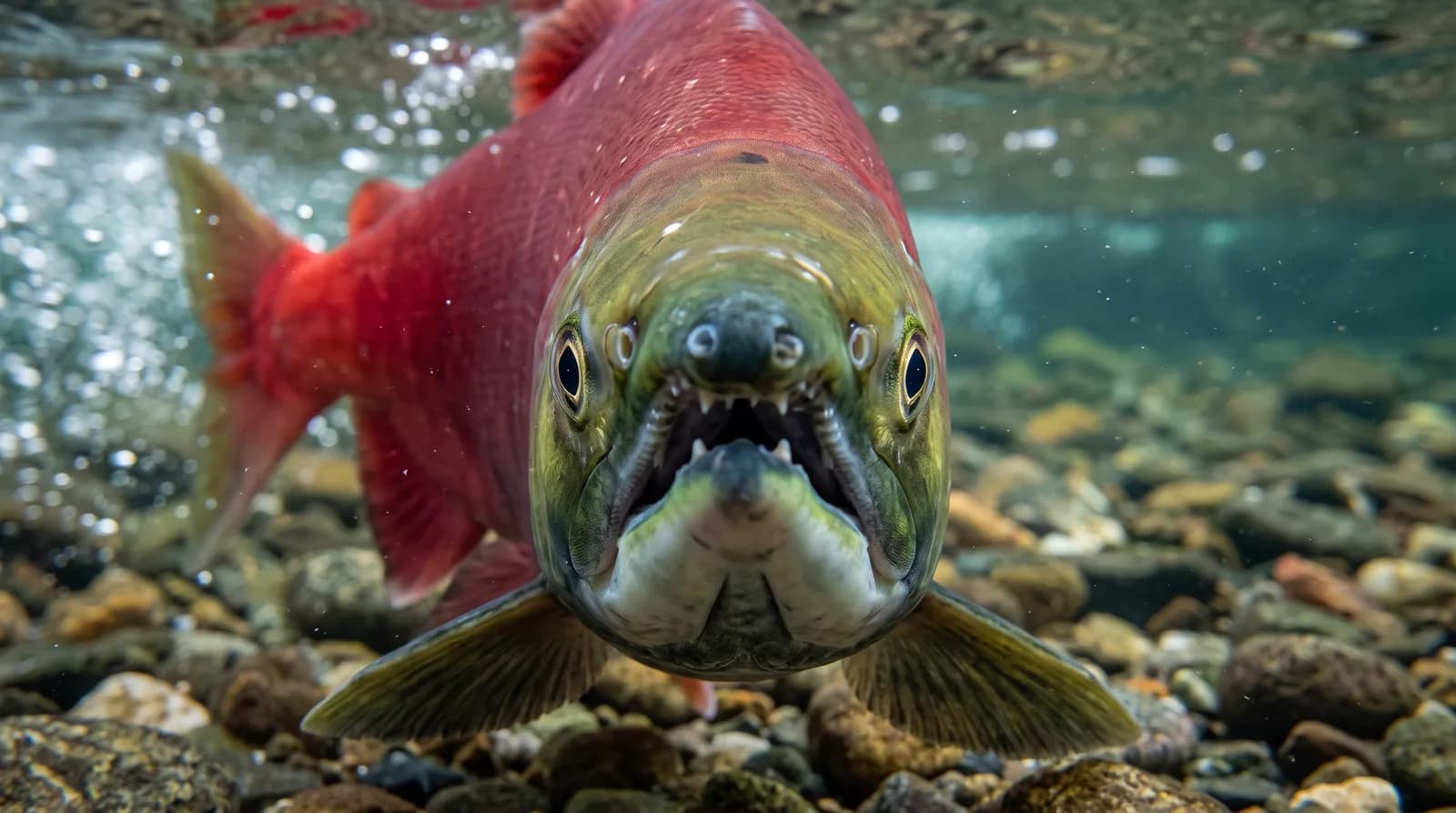
Coho Salmon
Oncorhynchus kisutch
 Least Concern
Sockeye Salmon
Oncorhynchus nerka
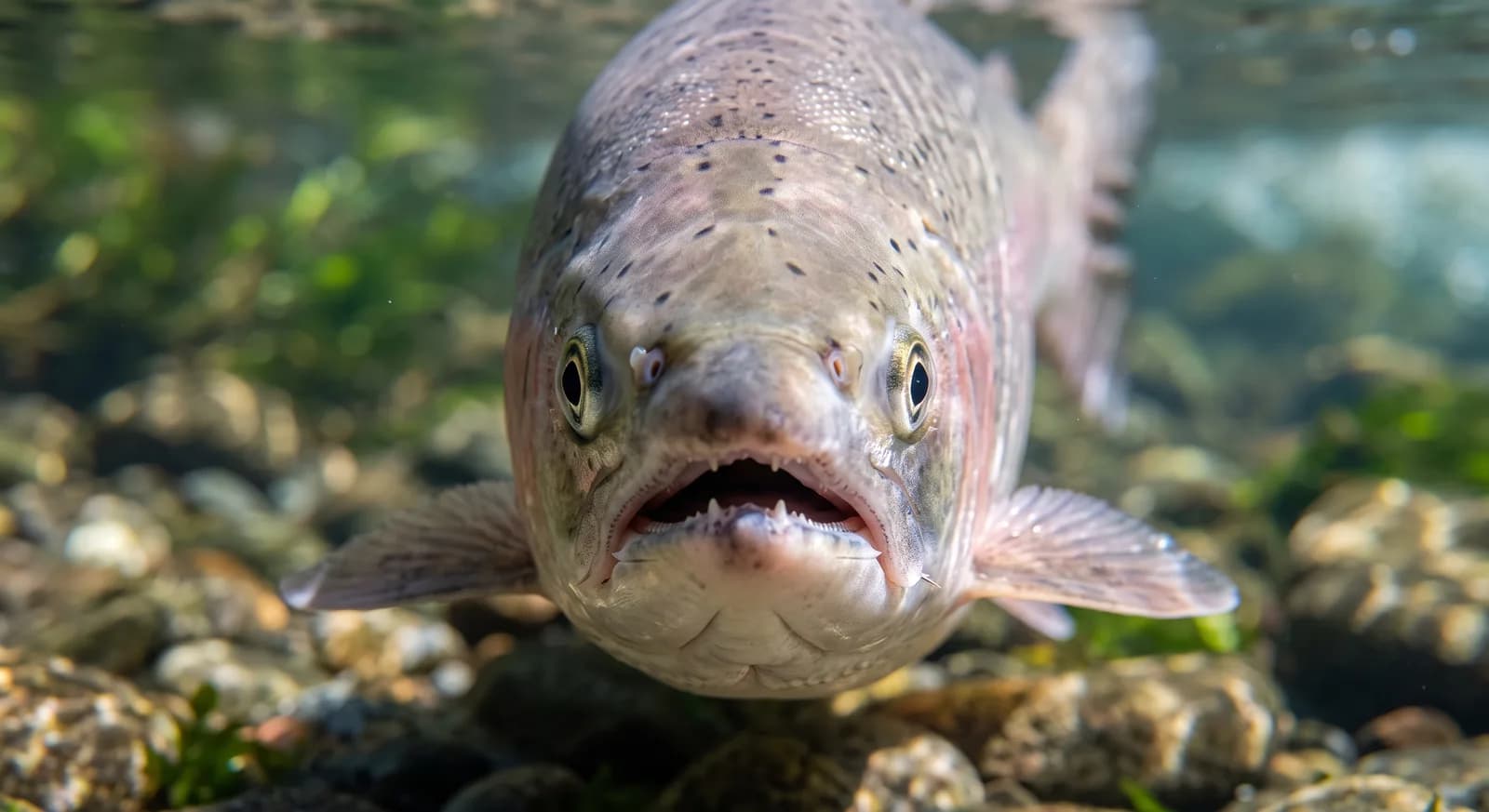
Chinook Salmon
Oncorhynchus tshawytscha
 Least Concern
Salmon
Salmo salar
Keep exploring
Based on what we already know about rainbow trout.
Comments
Share an experience, a fun fact or a tip for seeing the rainbow trout.
Be the first to comment.