One of the 4 trout on WAnimals
Bony fish · Salmoniformes · Salmonidae
Brook Trout
Salvelinus fontinalis
The species is abundant and widely distributed; it faces no significant short-term risk. See full glossary
Despite its common name it is not a true trout but a member of the genus Salvelinus. It was the first destination sport fish in 19th-century America.
Weight
300 g – 6.6 kg
Size
25 cm – 86 cm
Lifespan
5 years
Diet
Carnivore
Feeds mainly on other animals.
Activity
Irregular activity
Active at irregular times, by day or night depending on circumstances.
Social structure
Solitary
Lives and hunts alone, joining others only to breed.
Sighting difficulty
Easy
Fun facts
- It eats insects and their larvae, zooplankton, small crustaceans and fish.
- It lays its eggs in a redd, a gravel nest dug out by the female.
- It lives in cold spring-fed streams and lakes of eastern North America.
Life cycle & biology
- Skeleton type
- Vertebrate - internal bony skeleton (fish)
- Habitat & environment
- Cold spring-fed streams and lakes with sand and gravel beds in eastern North America; widely introduced elsewhere
- Birth weight
- Tiny larva at hatching
- Size at birth
- Tiny larva at hatching
- Sexual maturity
- 2 years
- Gestation / incubation
- The eggs incubate for 2-3 months buried in the gravel
- Litter / clutch size
- Hundreds of eggs laid in a redd, a gravel nest dug by the female
Sources consulted: Dimensions.com; Virginia DWR; AnAge; EBSCO; U.S. Fish and Wildlife Service; National Wildlife Federation; USGS NAS; Orvis News; BioKIDS
Where to find it
See its range on the interactive mapBest time: From September to November, during spawning, when the males take on intense colours and run up gravel-bedded streams.
Where to watch it
Parques y spots de buceo donde se ha documentado esta especie — se muestran 13 de 33 documentados.
Related species
Other species in the catalogue with the most in common with Brook Trout — same habitat, park, country, tags or family.
Chinook Salmon
Oncorhynchus tshawytscha
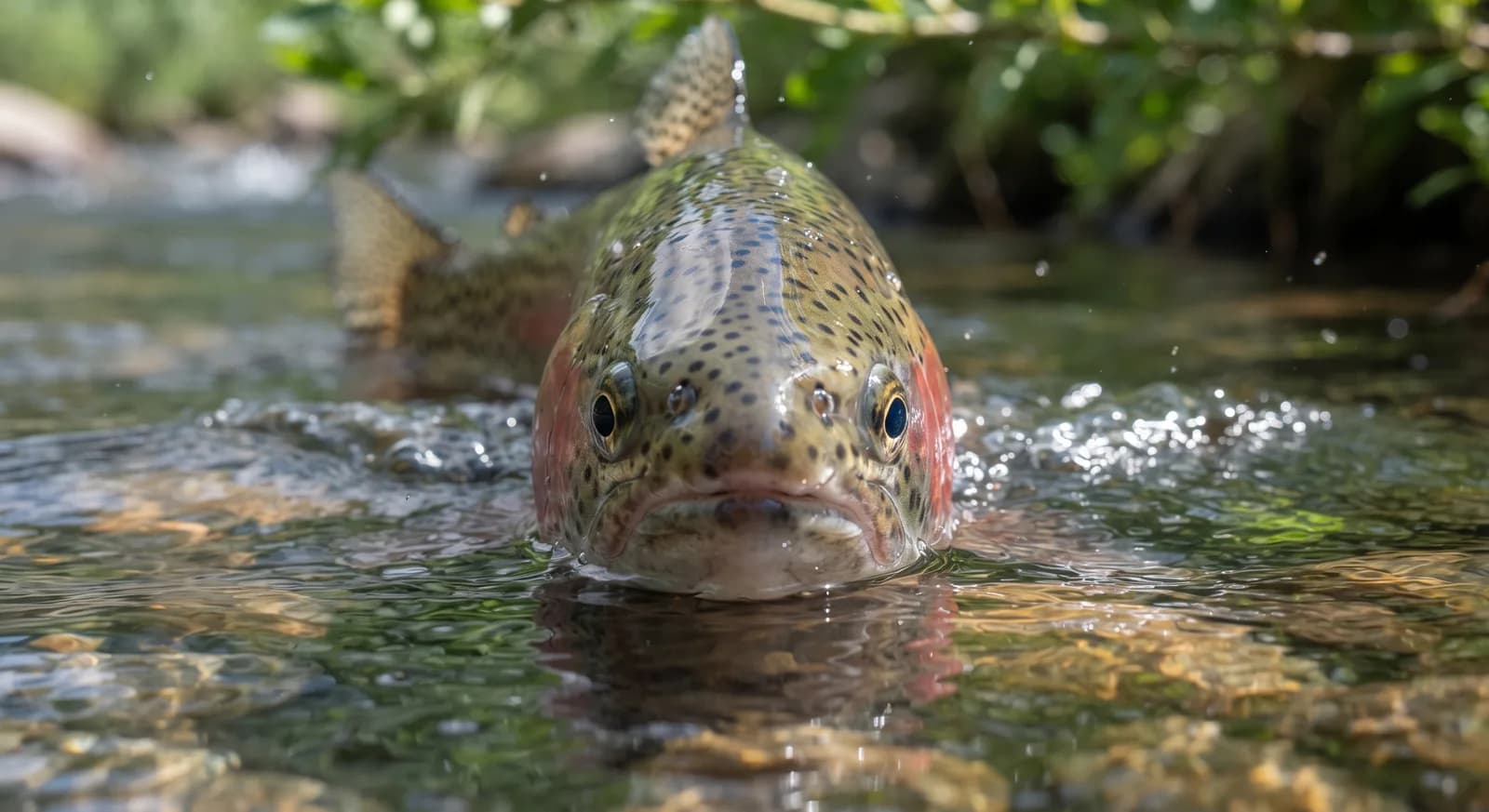 Least Concern
Rainbow Trout
Oncorhynchus mykiss
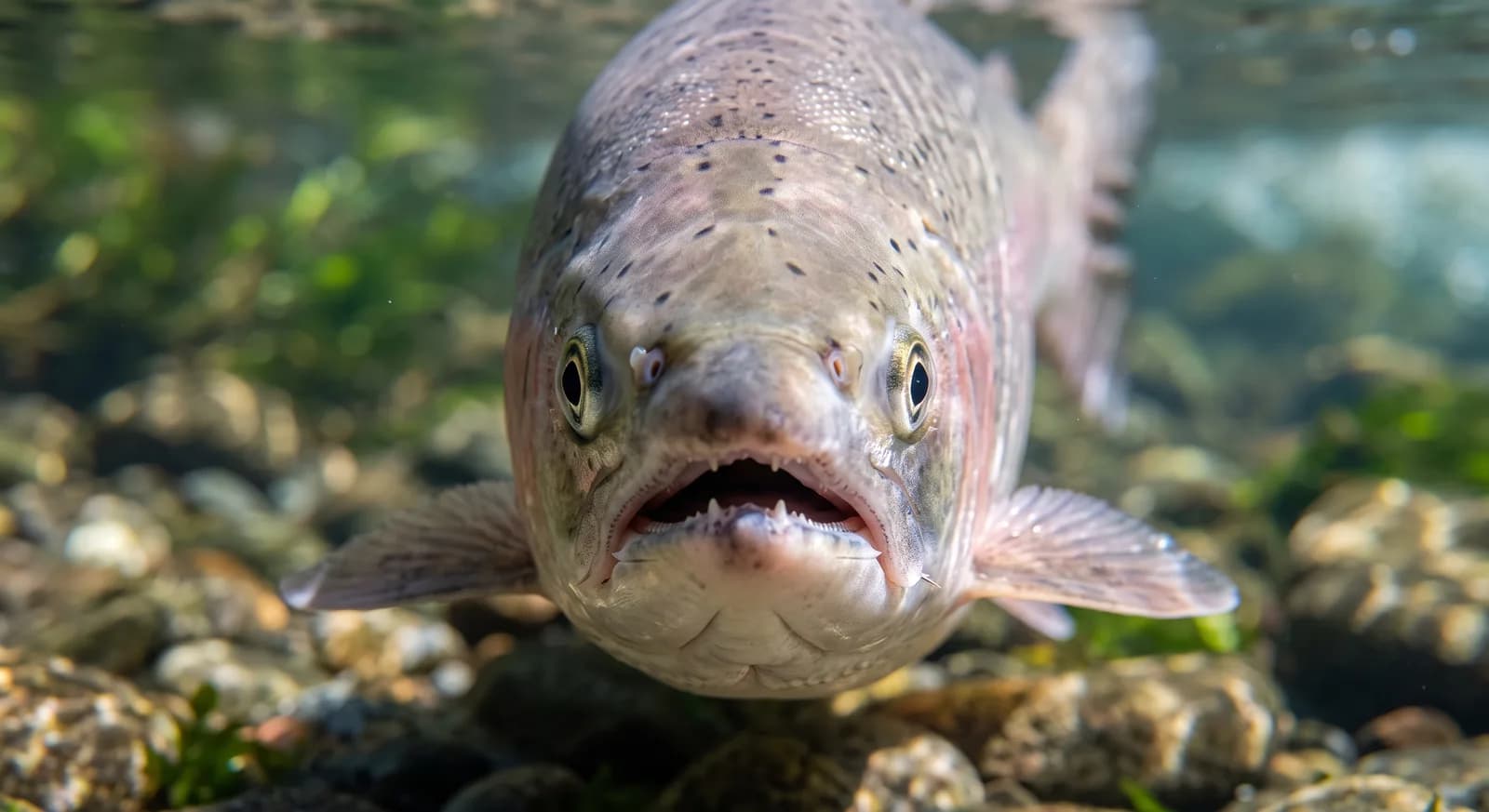 Least Concern
Salmon
Salmo salar
Longnose Gar
Lepisosteus osseus
Largemouth Bass
Micropterus salmoides
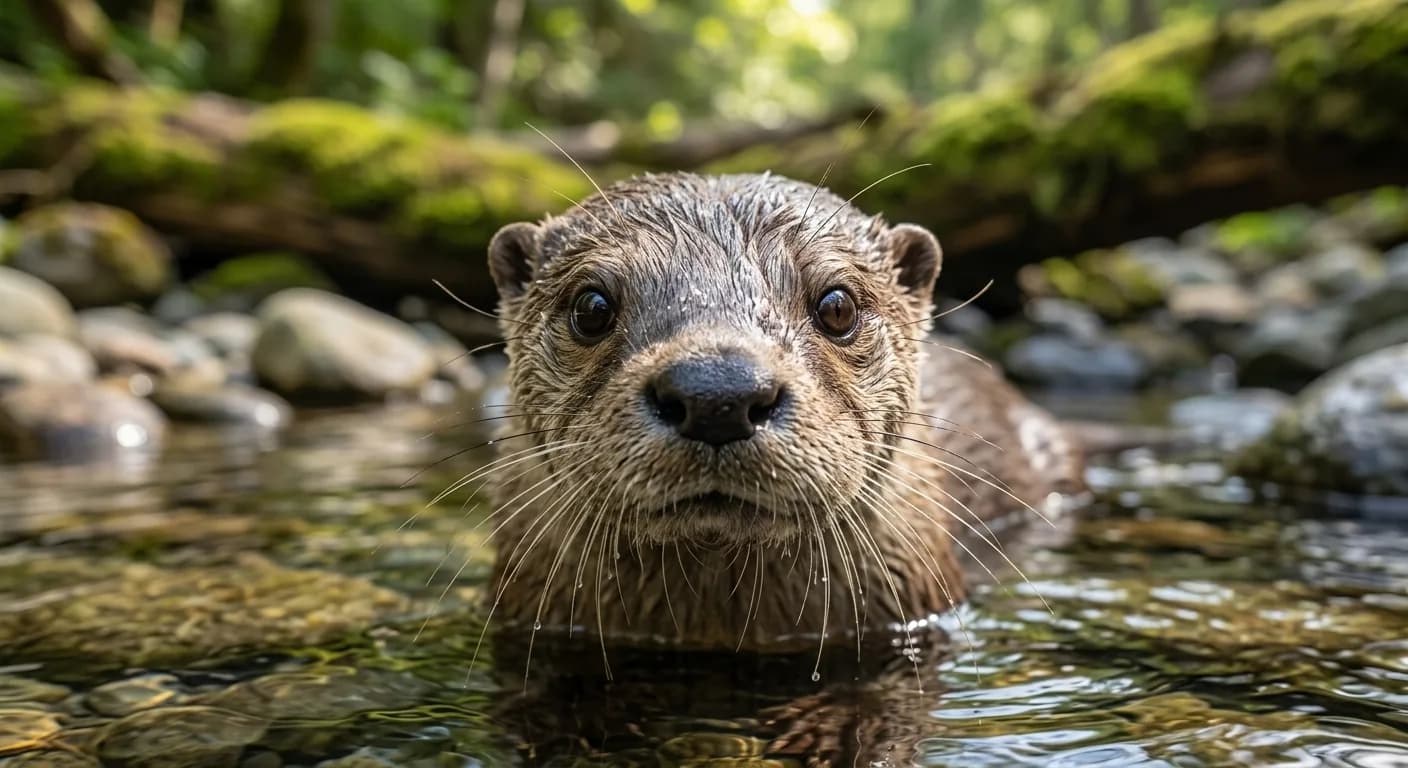 Least Concern
North American River Otter
Lontra canadensis
Keep exploring
Based on what we already know about brook trout.
Comments
Share an experience, a fun fact or a tip for seeing the brook trout.
Be the first to comment.