One of the 6 petrels on WAnimals
Birds · Procellariiformes · Procellariidae
Southern Giant Petrel
Macronectes giganteus
The species is abundant and widely distributed; it faces no significant short-term risk. See full glossary
The southern giant petrel, also known in Spanish as abanto marino antártico, petrel gigante antártico or petrel gigante común, is a procellariiform bird of the family Procellariidae with a very wide natural distribution, taking in all the seas of the Southern Hemisphere, from the coasts of Antarctica to the Tropic of Capricorn. It is the size of an albatross, with a somewhat hunched look in flight. Unlike other petrels, which shuffle along the ground on folded legs, it is quite agile on land. It feeds mainly on marine animals, although it also eats carrion on land or hunts smaller seabirds. The breeding colonies are on islands or along the coast.
Weight
3.9 kg – 4.9 kg
Size
86 cm – 99 cm
Lifespan
35 years
Diet
Carnivore
Feeds mainly on other animals.
Activity
Diurnal
Active mainly during the day.
Social structure
Colony
Lives in large concentrations, often for breeding reasons.
Sighting difficulty
Easy
Fun facts
- GeneralA scavenger at penguin and seal colonies; its wingspan reaches 2 m.
- alimentaciónIt eats both carrion and live prey, other seabirds' chicks included, and behaves far more like a predator than most of its petrel relatives.
- It is the only seabird of the Southern Ocean able to open the skin of a dead seal by itself: its hooked, massive bill gives it access to a resource no other species can exploit unaided.
- It defends itself and attacks by spitting a rancid stomach oil several metres: on another seabird that oil mats the plumage and can be fatal through loss of waterproofing.
- Males and females divide up the resources: the males dominate carcasses on land and the females feed more at sea, a segregation that reduces competition within the pair.
Life cycle & biology
- Skeleton type
- Vertebrate - internal bony skeleton (bird)
- Habitat & environment
- Subantarctic islands and the Southern Ocean
- Sexual maturity
- 6.7 years
- Gestation / incubation
- 60 days of incubation
- Litter / clutch size
- 1 egg
Sources consulted: https://es.wikipedia.org/wiki/Macronectes_giganteus
Where to find it
See its range on the interactive mapWhere to watch it
Parques y spots de buceo donde se ha documentado esta especie — se muestran 10 de 25 documentados.
Related species
Other species in the catalogue with the most in common with Southern Giant Petrel — same habitat, park, country, tags or family.
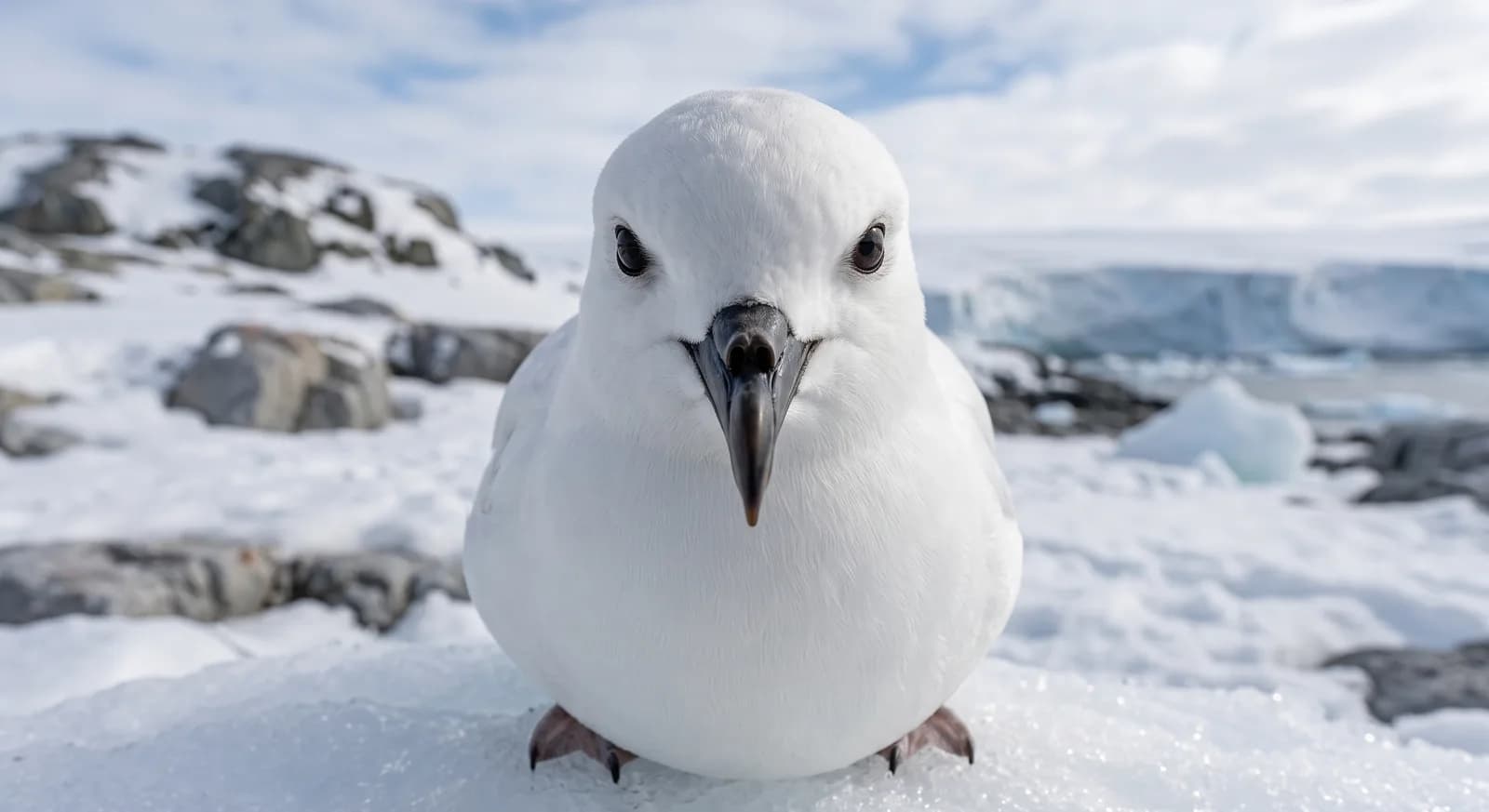 Least Concern
Snow Petrel
Pagodroma nivea
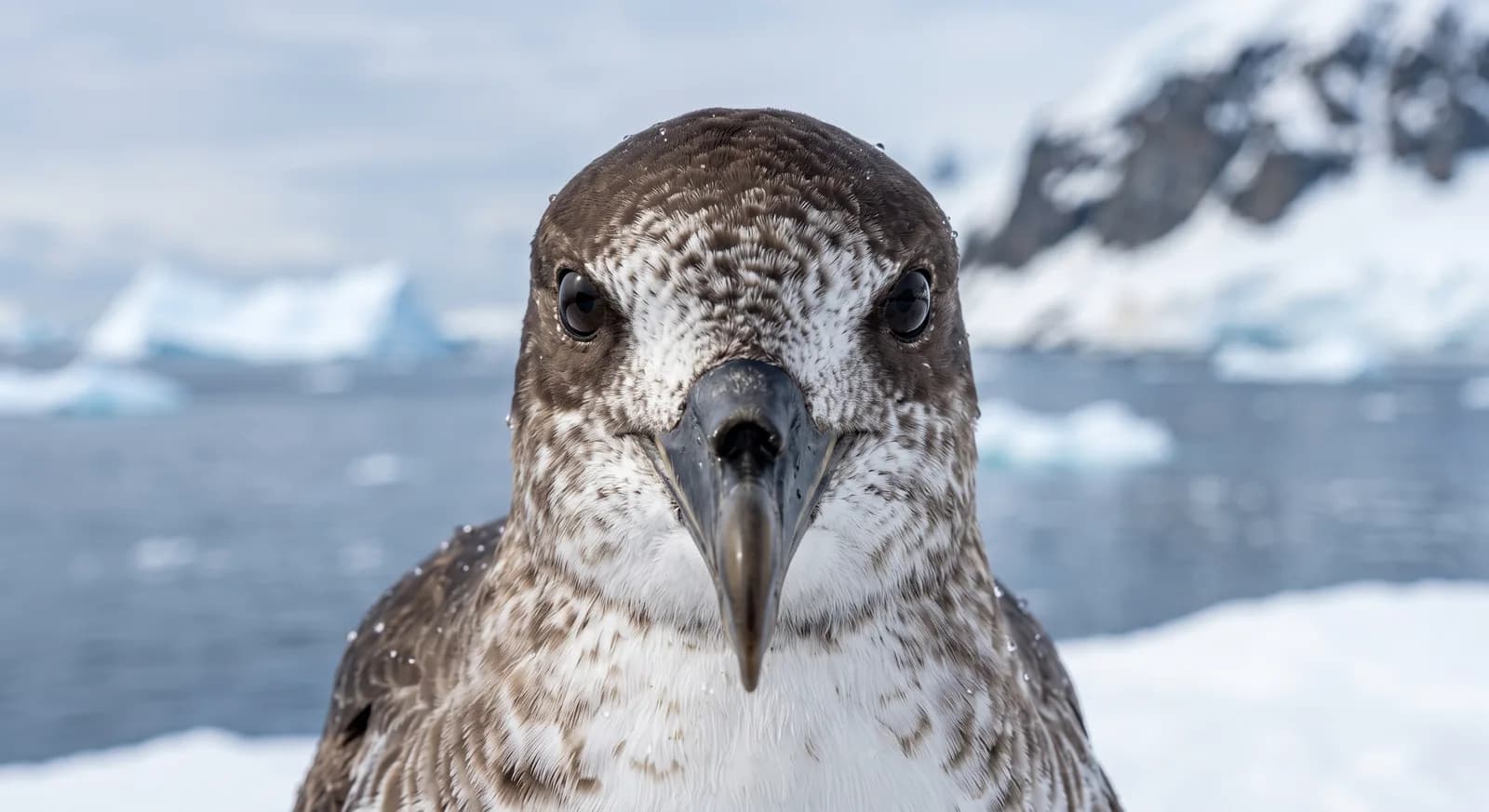 Least Concern
Antarctic Petrel
Thalassoica antarctica
Cape Petrel
Daption capense
Manx Shearwater
Puffinus puffinus
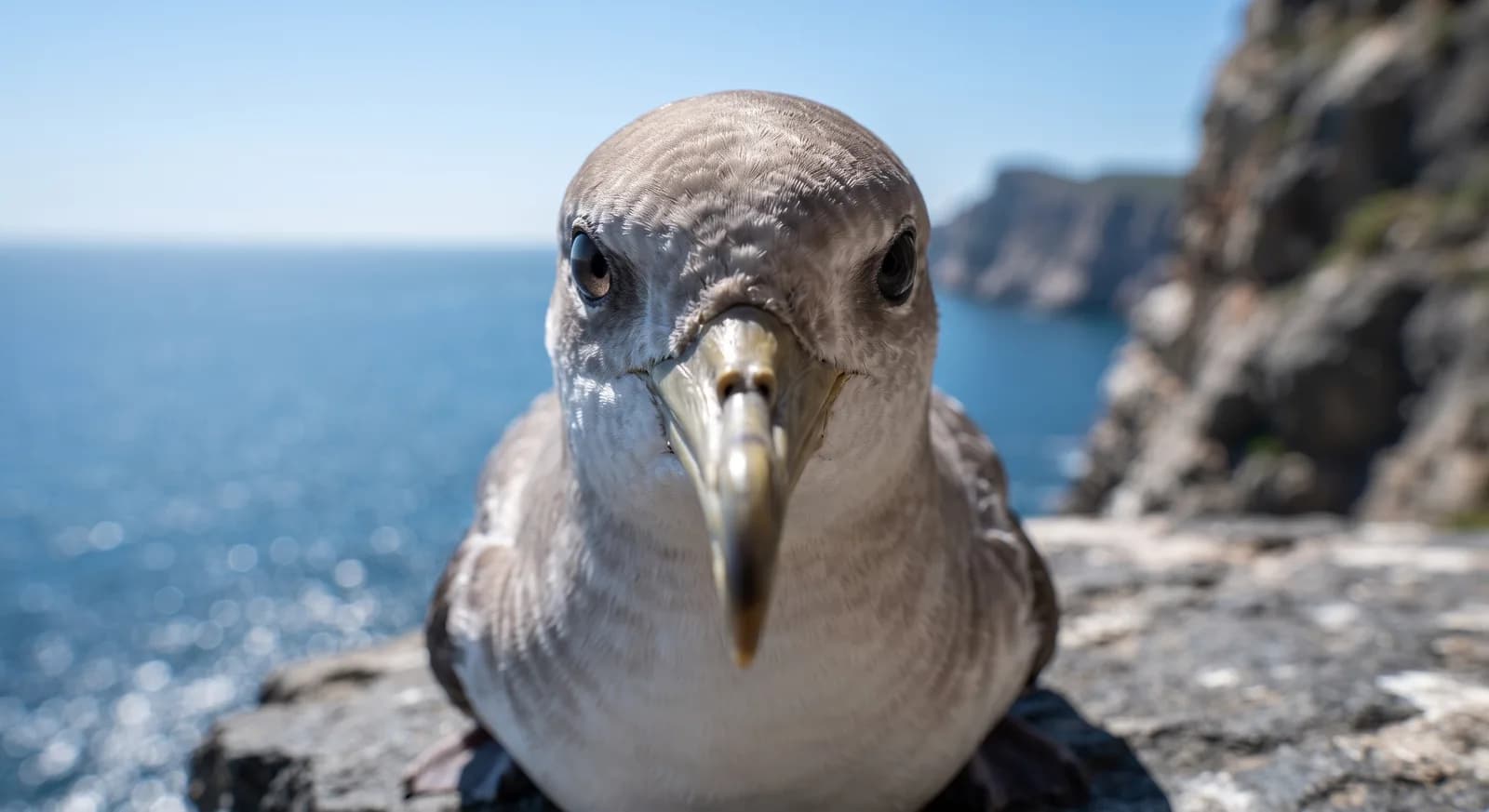 Least Concern
Scopoli's Shearwater
Calonectris diomedea
Northern Fulmar
Fulmarus glacialis
Keep exploring
Based on what we already know about southern giant petrel.
Comments
Share an experience, a fun fact or a tip for seeing the southern giant petrel.
Be the first to comment.