One of the 6 petrels on WAnimals
Birds · Procellariiformes · Procellariidae
Cape Petrel
Daption capense
The species is abundant and widely distributed; it faces no significant short-term risk. See full glossary
The Cape petrel, or pintado petrel, has a black-and-white mottled back pattern so strongly contrasted that it looks like a chessboard, unique among the seabirds of the south. It is the most easily identified petrel of the Southern Ocean and one of the most gregarious: it follows ships in flocks and gathers noisily over any source of food. It feeds on krill, squid and carrion, and filters the water with its bill as it swims.
Weight
350 g – 530 g
Size
38 cm – 40 cm
Lifespan
20 years
Diet
Carnivore
Feeds mainly on other animals.
Activity
Diurnal
Active mainly during the day.
Social structure
Colony
Lives in large concentrations, often for breeding reasons.
Sighting difficulty
Easy
Fun facts
- Its black-and-white mottled back is so distinctive that no other seabird in the southern hemisphere resembles it, and 19th-century whalers called it the Cape pigeon.
- It feeds by swimming and filtering: it takes in surface water and forces it out again, holding back the krill with the lamellae of its bill, a method more like a duck's than a petrel's.
Life cycle & biology
- Skeleton type
- Vertebrate - internal bony skeleton (bird)
- Habitat & environment
- The Southern Ocean and Antarctic waters; it breeds on cliffs in Antarctica and on the subantarctic islands
- Sexual maturity
- 6 years
- Gestation / incubation
- 45 days of incubation
- Litter / clutch size
- 1 egg
Sources consulted: https://es.wikipedia.org/wiki/Daption_capense
Where to find it
See its range on the interactive mapWhere to watch it
Parques y spots de buceo donde se ha documentado esta especie — se muestran 10 de 22 documentados.
Related species
Other species in the catalogue with the most in common with Cape Petrel — same habitat, park, country, tags or family.
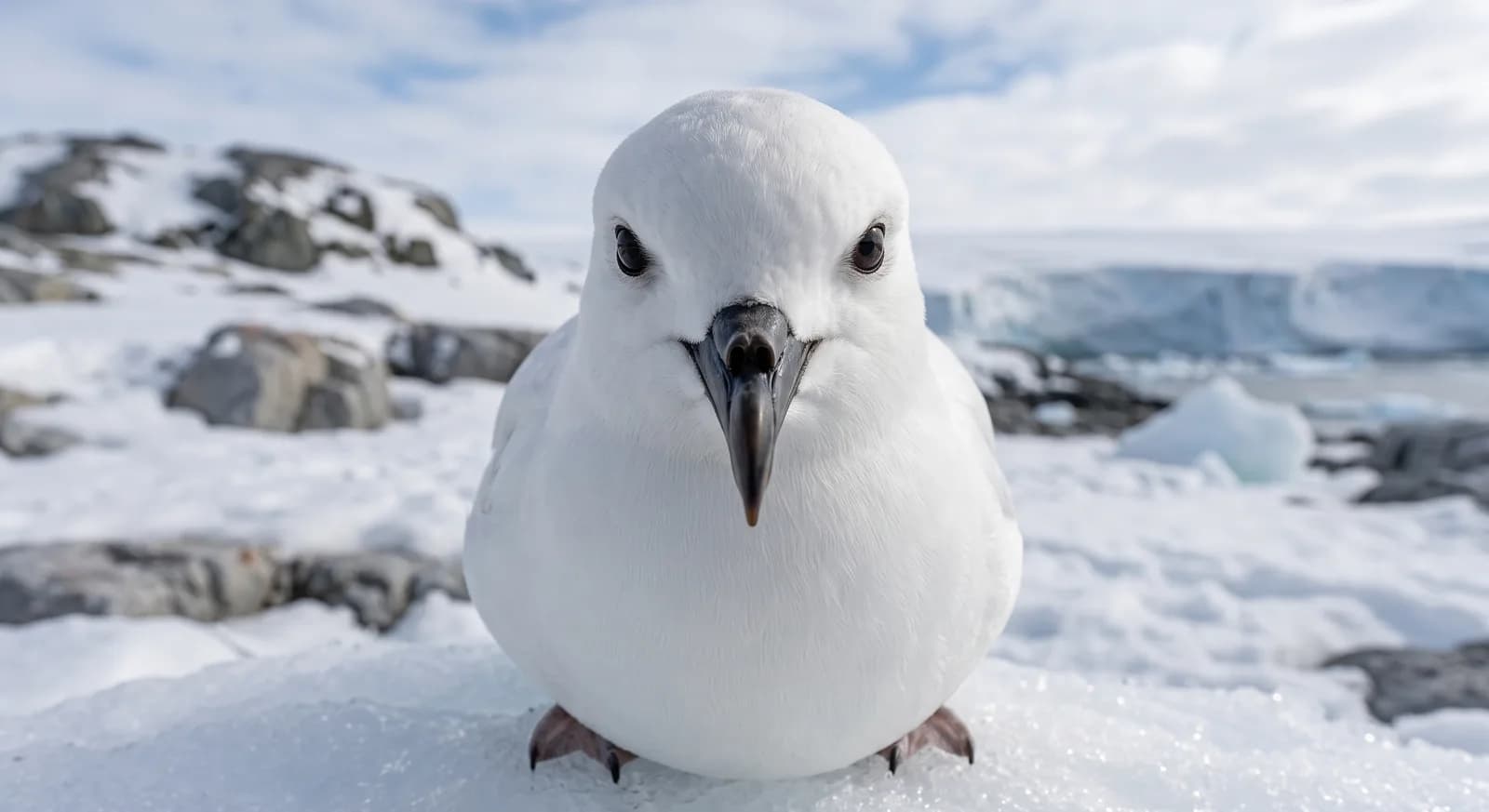 Least Concern
Snow Petrel
Pagodroma nivea
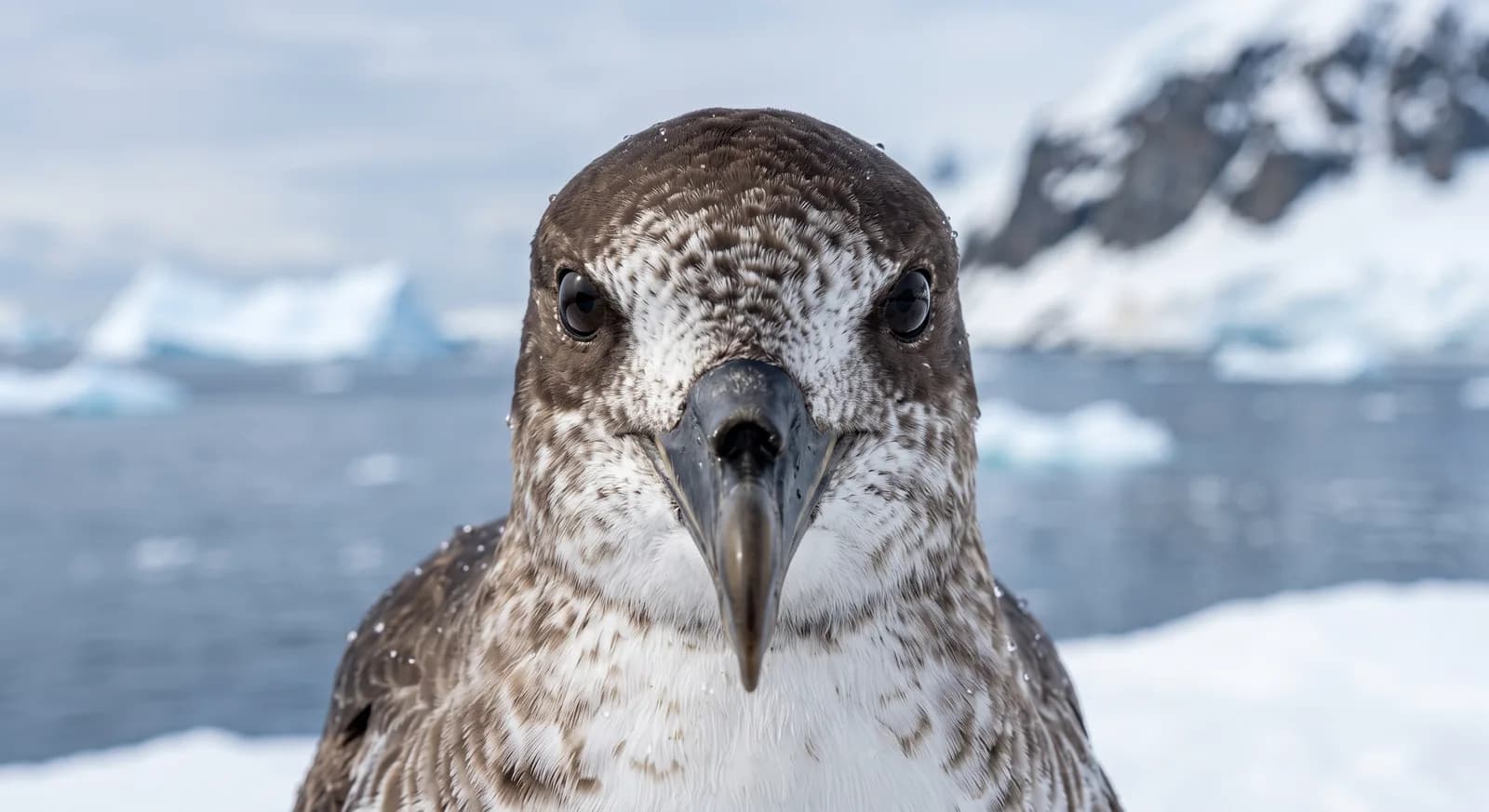 Least Concern
Antarctic Petrel
Thalassoica antarctica
Southern Giant Petrel
Macronectes giganteus
Manx Shearwater
Puffinus puffinus
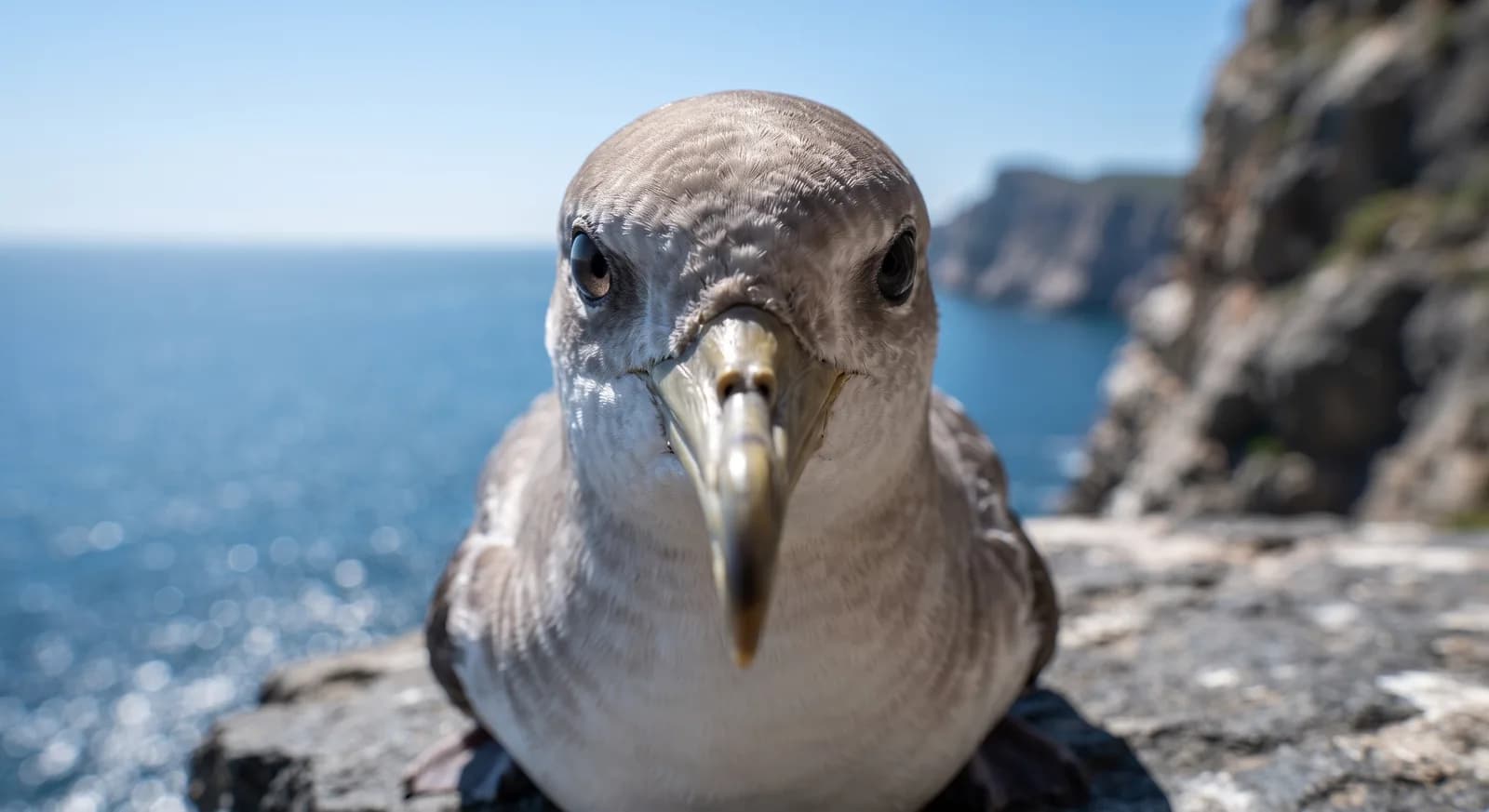 Least Concern
Scopoli's Shearwater
Calonectris diomedea
Northern Fulmar
Fulmarus glacialis
Keep exploring
Based on what we already know about cape petrel.
Comments
Share an experience, a fun fact or a tip for seeing the cape petrel.
Be the first to comment.