Species group · Birds
Petrels
WAnimals has 6 species of petrel, spread across 2 families (Pelecanoididae, Procellariidae).
- 6 species
- 2 families
- 17 countries
- 45 parks
- Weight
- 105 g – 4.9 kg
- Length
- 20 cm – 99 cm
- Lifespan
- 15 – 35 years
Ranges calculated from the entries that record the figure, not from all 6.
All 6 species of petrels on WAnimals
Each one has its own full entry. This group does not replace them: it brings them together.
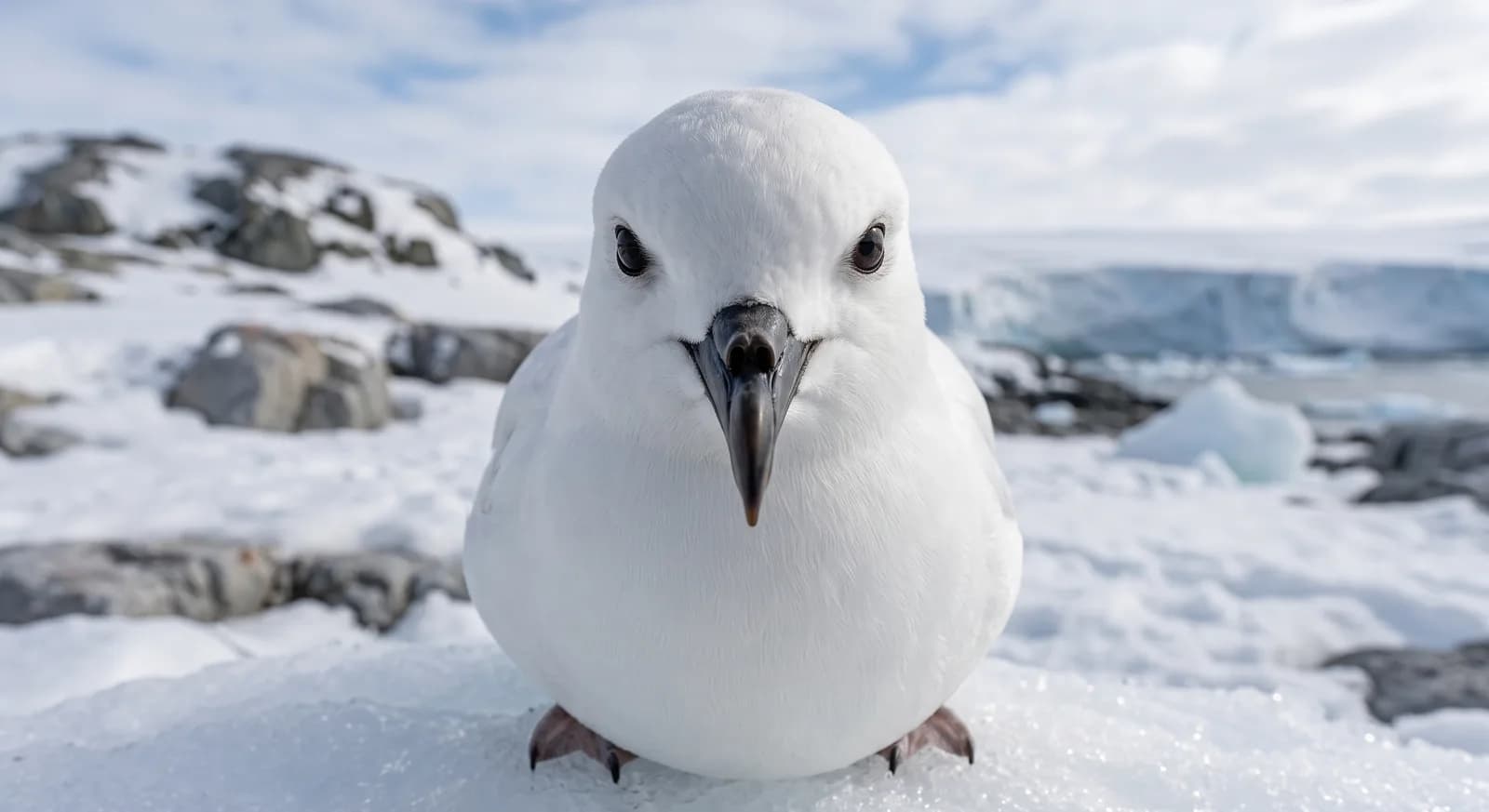 Least Concern
Snow Petrel
Pagodroma nivea
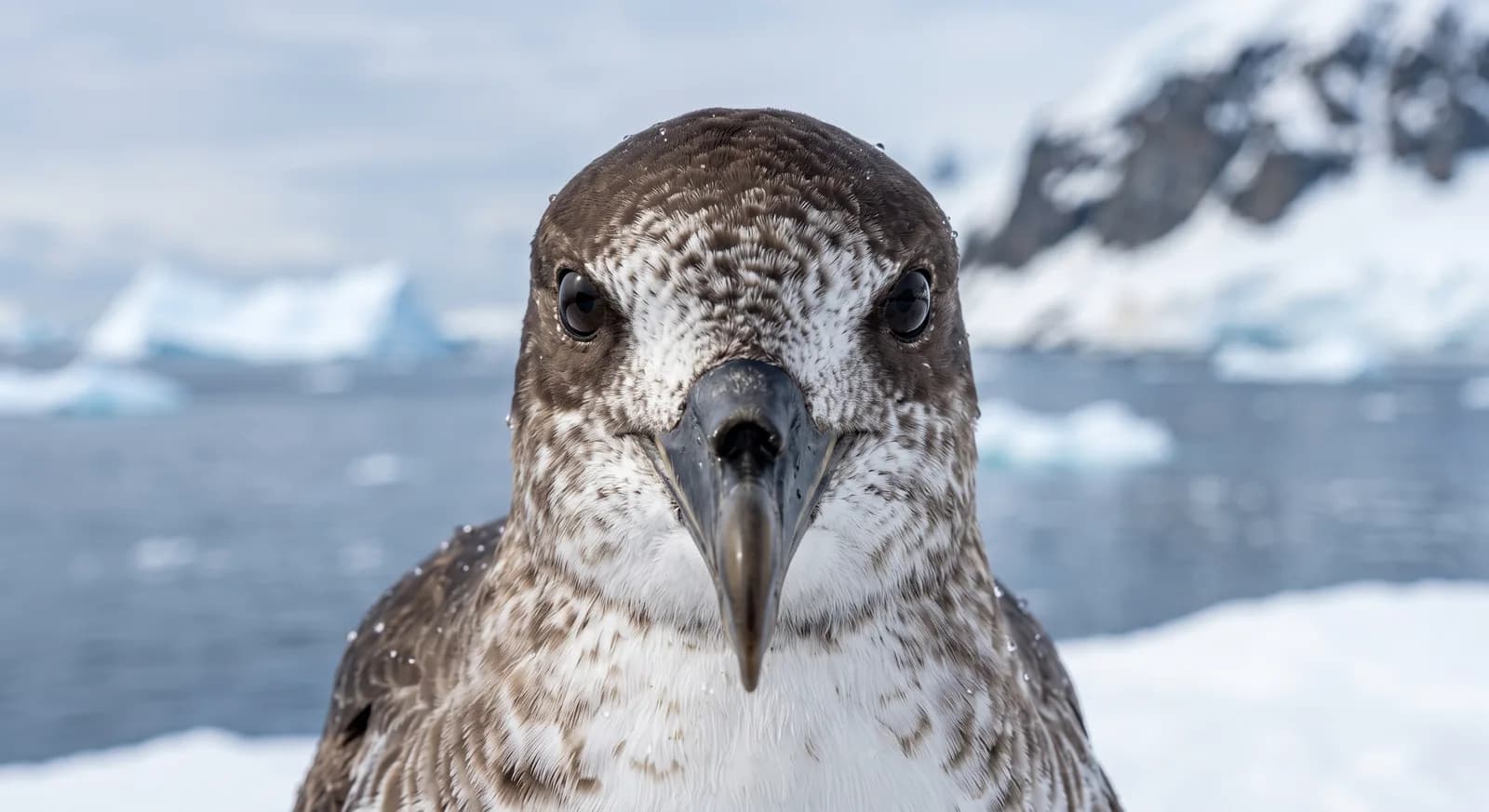 Least Concern
Antarctic Petrel
Thalassoica antarctica
Southern Giant Petrel
Macronectes giganteus
Common Diving-Petrel
Pelecanoides urinatrix
Cape Petrel
Daption capense
Hawaiian Petrel
Pterodroma sandwichensis
Conservation status
1 especies in this group están en alguna categoría de riesgo real según la UICN.
See the global conservation statusWhere they live
Recorded in 17 countries. The ones with the most species in the group:
Where to see them
- Mar de Ross (Area Marina Protegida)4 species
- Bahía Terra Nova3 species
- Georgias del Sur (Grytviken y bahía de San Andrés)3 species
- Isla Ave (Bird Island), Georgias del Sur3 species
- Isla Macquarie3 species
- Isla San Pedro (Georgias del Sur)3 species
- Islas Diego Ramirez3 species
- Islas Gough e Inaccesible3 species
- Islas Heard y McDonald3 species
- Islas Kerguelen3 species
- Islas Subantárticas de Nueva Zelanda3 species
- Tierras y Mares Australes Franceses3 species
Did you know…
It breeds hundreds of kilometres inland in Antarctica, on nunataks protruding from the ice cap, and makes round trips to the sea of more than six hundred kilometres to feed a single chick.
From Snow Petrel
Deposits of its stomach oil, hardened over time, build up beside its nests for millennia, and scientists use them to reconstruct Antarctic climate history over the past 30,000 years.
From Snow Petrel
The Svarthamaren colony, deep in the Antarctic interior, holds more than 200,000 pairs 200 kilometres from the nearest sea: the adults make round trips of more than four hundred kilometres to bring food to a single chick.
From Antarctic Petrel
Like other petrels, it defends itself by spitting a foul-smelling stomach oil that mats the attacker's plumage, which is especially dangerous for another seabird, as it can lose its waterproofing.
From Antarctic Petrel
A scavenger at penguin and seal colonies; its wingspan reaches 2 m.
It eats both carrion and live prey, other seabirds' chicks included, and behaves far more like a predator than most of its petrel relatives.
It is the only seabird of the Southern Ocean able to open the skin of a dead seal by itself: its hooked, massive bill gives it access to a resource no other species can exploit unaided.
It flies straight through the waves: it enters the water without slowing, swims with its wings below the surface and comes out the other side carrying on in flight, with no pause between one medium and the other.
From Common Diving-Petrel