One of the 6 petrels on WAnimals
Birds · Procellariiformes · Procellariidae
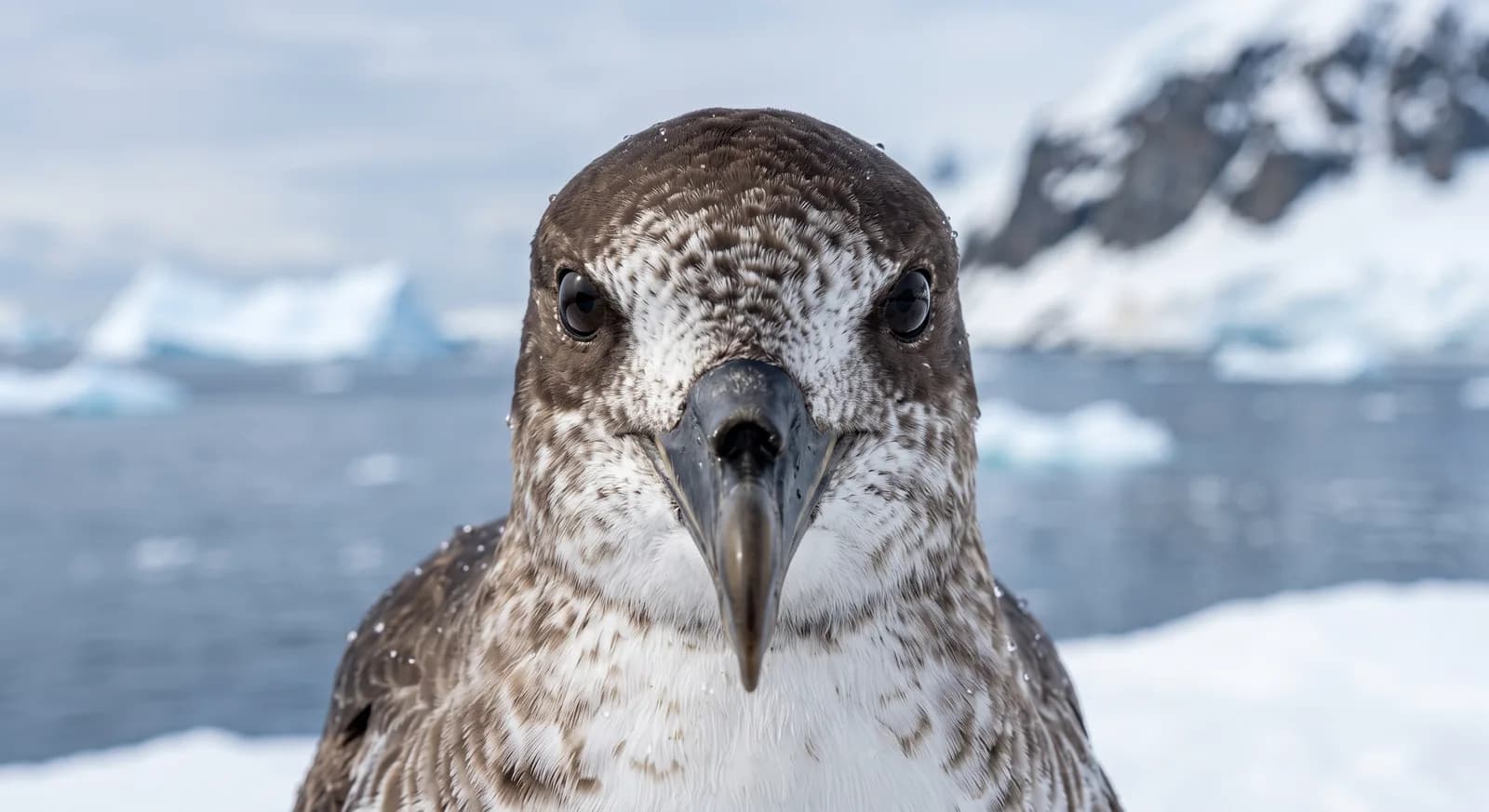
Antarctic Petrel
Thalassoica antarctica
The species is abundant and widely distributed; it faces no significant short-term risk. See full glossary
The Antarctic petrel is a seabird boldly patterned in brown and white, endemic to Antarctic waters. It breeds in colonies on cliffs and nunataks on the continent, some of them more than two hundred kilometres from the coast, and feeds on krill, squid and fish at the ice edge. A single colony in the Svarthamaren mountains, in Queen Maud Land, holds hundreds of thousands of pairs.
Weight
500 g – 800 g
Size
40 cm – 46 cm
Lifespan
20 years
Diet
Carnivore
Feeds mainly on other animals.
Activity
Diurnal
Active mainly during the day.
Social structure
Colony
Lives in large concentrations, often for breeding reasons.
Sighting difficulty
Easy
Fun facts
- The Svarthamaren colony, deep in the Antarctic interior, holds more than 200,000 pairs 200 kilometres from the nearest sea: the adults make round trips of more than four hundred kilometres to bring food to a single chick.
- Like other petrels, it defends itself by spitting a foul-smelling stomach oil that mats the attacker's plumage, which is especially dangerous for another seabird, as it can lose its waterproofing.
Life cycle & biology
- Skeleton type
- Vertebrate - internal bony skeleton (bird)
- Habitat & environment
- The waters of the Antarctic pack ice; it breeds on cliffs and nunataks of the Antarctic continent
- Sexual maturity
- 6 years
- Gestation / incubation
- 45 days of incubation
- Litter / clutch size
- 1 egg
Sources consulted: https://www.iucnredlist.org/ | https://animaldiversity.org/ | https://es.wikipedia.org/
Where to find it
See its range on the interactive mapWhere to watch it
Parks and dive sites where this species has been documented.
Related species
Other species in the catalogue with the most in common with Antarctic Petrel — same habitat, park, country, tags or family.
 Least Concern
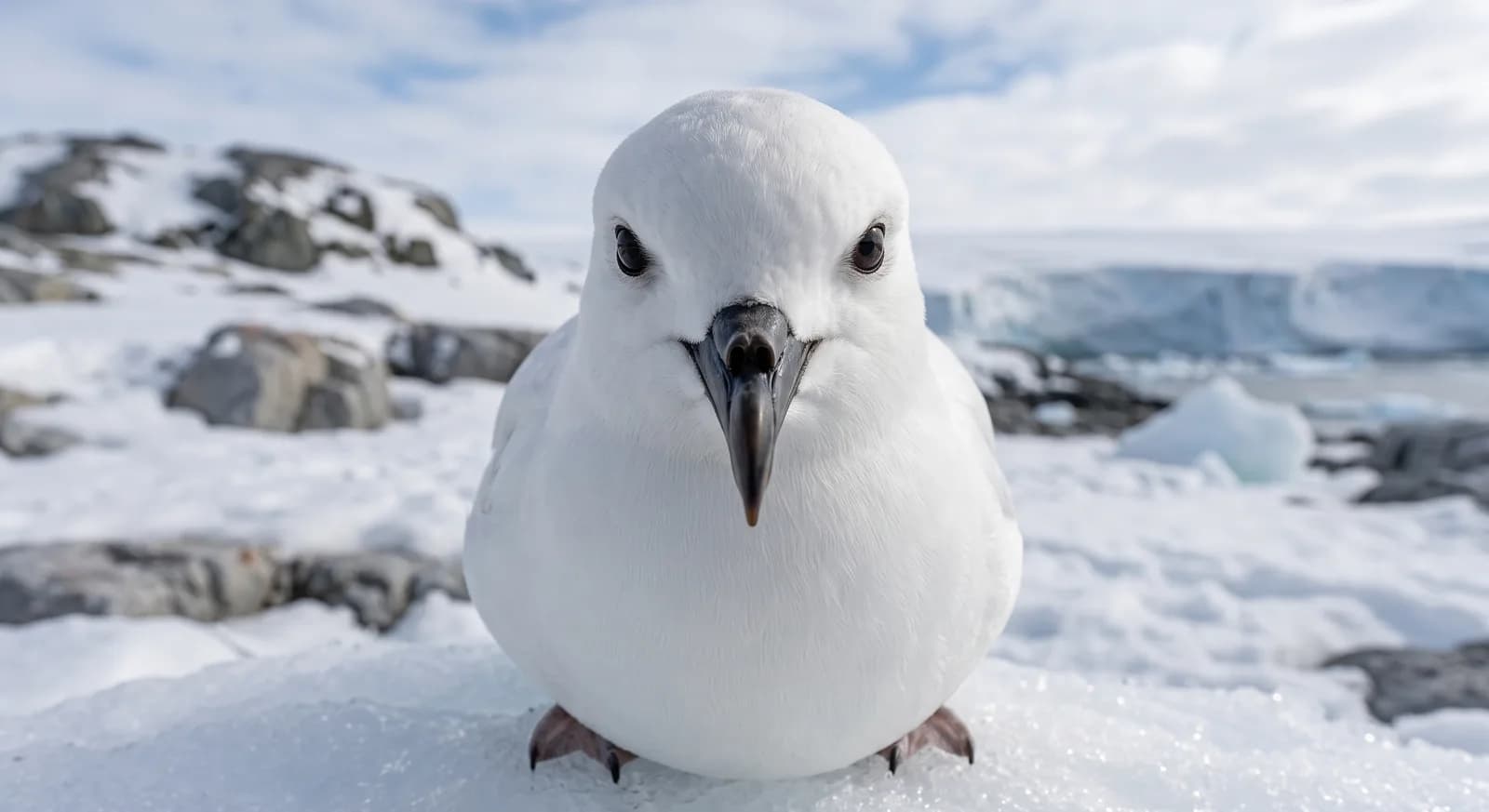
Snow Petrel
Pagodroma nivea
Cape Petrel
Daption capense
Southern Giant Petrel
Macronectes giganteus
 Least Concern
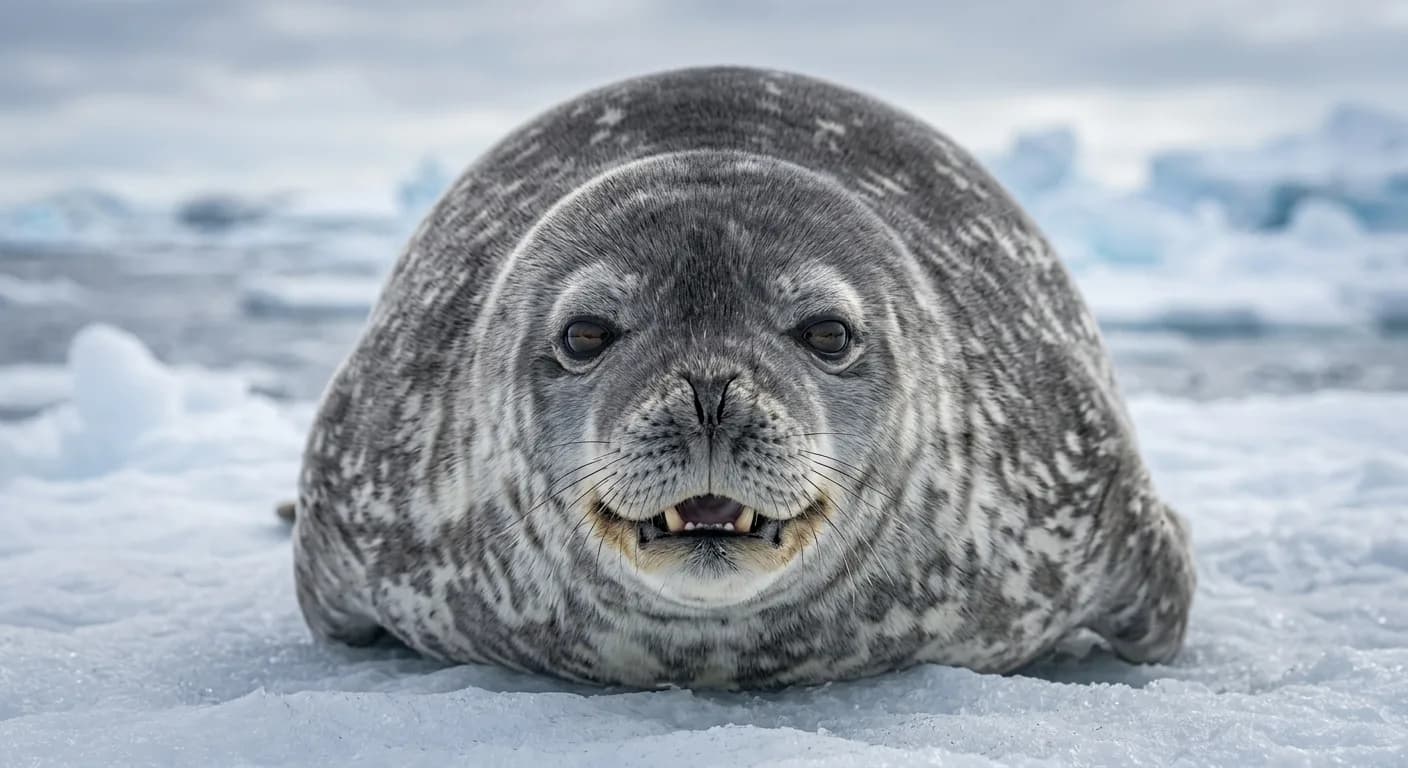
Weddell Seal
Leptonychotes weddellii
 Least Concern
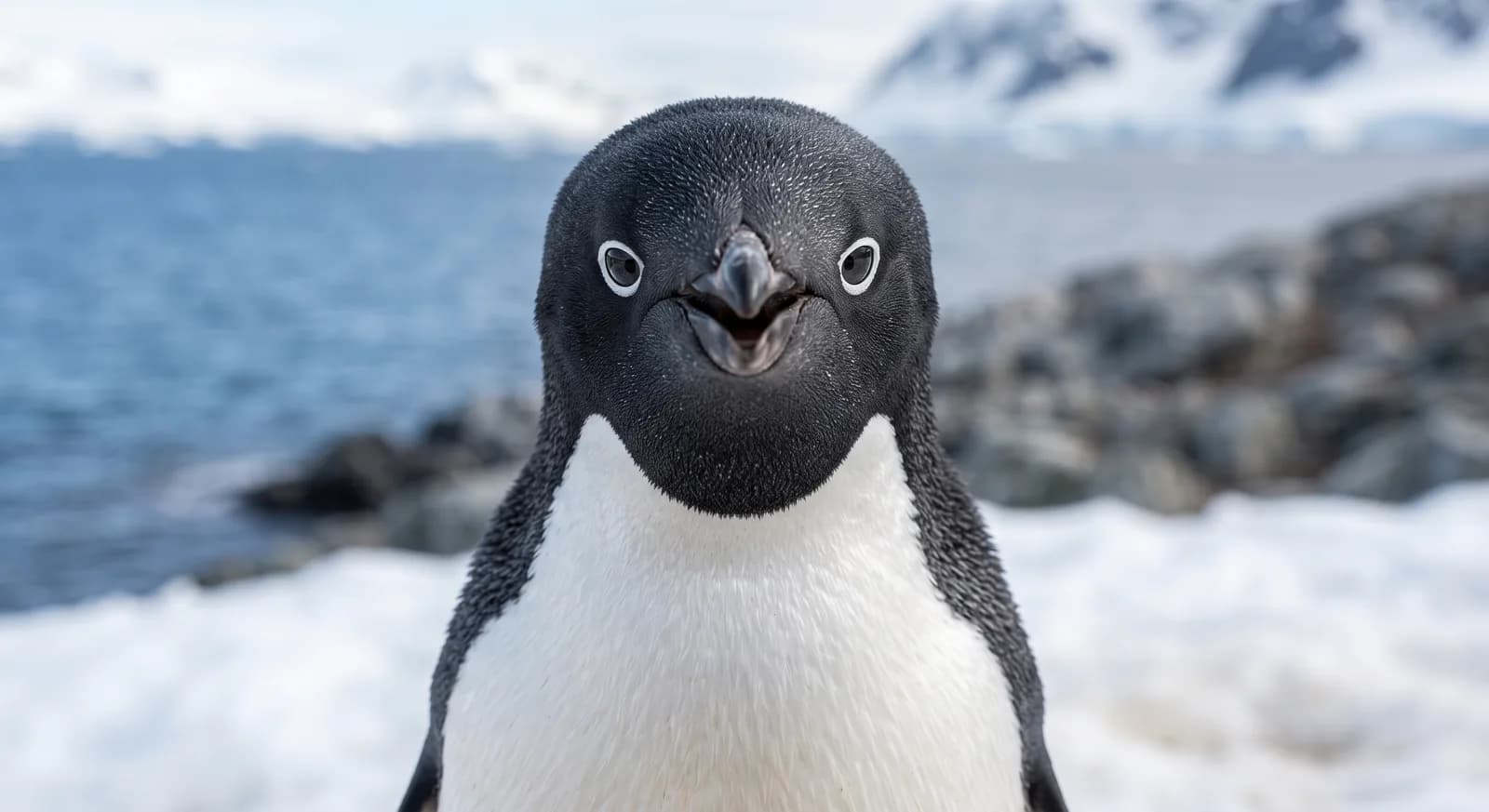
Adelie Penguin
Pygoscelis adeliae
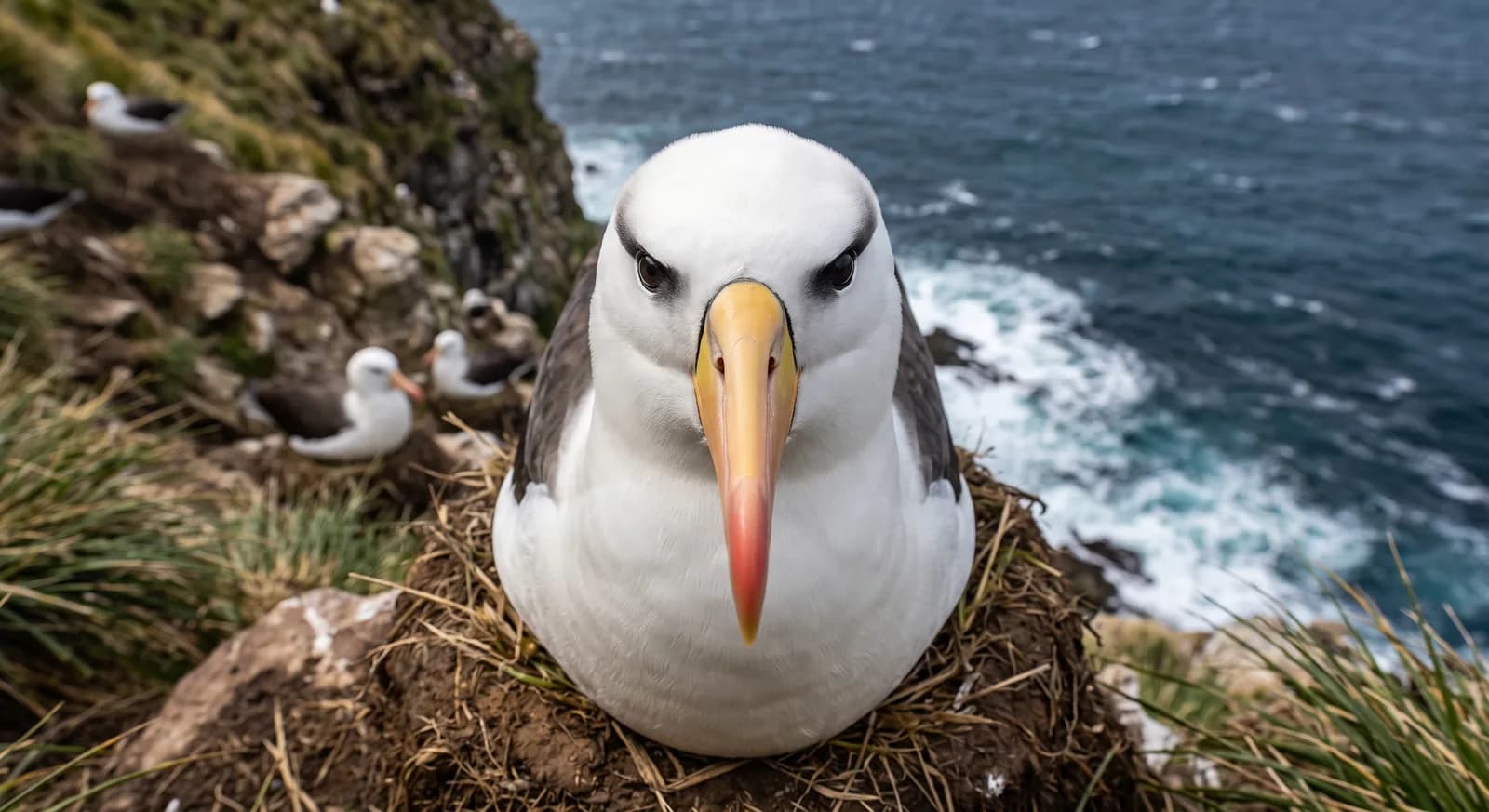 Least Concern
Black-browed Albatross
Thalassarche melanophris
Keep exploring
Based on what we already know about antarctic petrel.
Comments
Share an experience, a fun fact or a tip for seeing the antarctic petrel.
Be the first to comment.