One of the 5 oystercatchers on WAnimals
Birds · Charadriiformes · Haematopodidae
American Oystercatcher
Haematopus palliatus
The species is abundant and widely distributed; it faces no significant short-term risk. See full glossary
An oystercatcher with a black head and neck and a dark brown, not black, mantle, which is what tells it apart from the Magellanic oystercatcher. The eyes are yellow with a red rim. The breast is white, with a white wedge separating the dark breast from the edge of the folded wing. In flight it shows a white band on the secondaries. The legs are pale pink.
Weight
565 g on average
Size
40 cm – 44 cm
Lifespan
10 years
Diet
Carnivore
Feeds mainly on other animals.
Activity
Diurnal
Active mainly during the day.
Social structure
In pairs
Usually lives in pairs, sometimes for life.
Sighting difficulty
Easy
Fun facts
- Its epithet palliatus means "wrapped in a cloak", from the contrast between the brown back and the rest of the plumage.
- It feeds at low tide and rests at high tide: its day is set by the sea, not by the sun.
- It hybridises with the South American blackish oystercatcher and with the North American black oystercatcher where their ranges overlap, and those hybrids are recorded as taxa in their own right in the databases.
Life cycle & biology
- Skeleton type
- Vertebrate - internal bony skeleton (bird)
- Habitat & environment
- Sandy and muddy beaches of the Pacific and Atlantic coasts, from New England and Florida to South America
- Birth weight
- Precocial: born covered in down and leaves the nest within a few hours
- Size at birth
- Precocial: born covered in down and leaves the nest within a few hours
- Sexual maturity
- 3 years
- Gestation / incubation
- 27 days
- Litter / clutch size
- 2
Sources consulted: IUCN Red List; Wikipedia (Haematopus palliatus); SIB - Parques Nacionales de Argentina; EncicloVida (CONABIO, México); Bernis et al. 1996, Ardeola (nombres SEO); Temminck 1820
Where to find it
See its range on the interactive mapBest time: All year round on the sandy and muddy beaches of the American Pacific and Atlantic
Where to watch it
Parques y spots de buceo donde se ha documentado esta especie — se muestran 10 de 22 documentados.
Related species
Other species in the catalogue with the most in common with American Oystercatcher — same habitat, park, country, tags or family.
Magellanic Oystercatcher
Haematopus leucopodus
 Least Concern
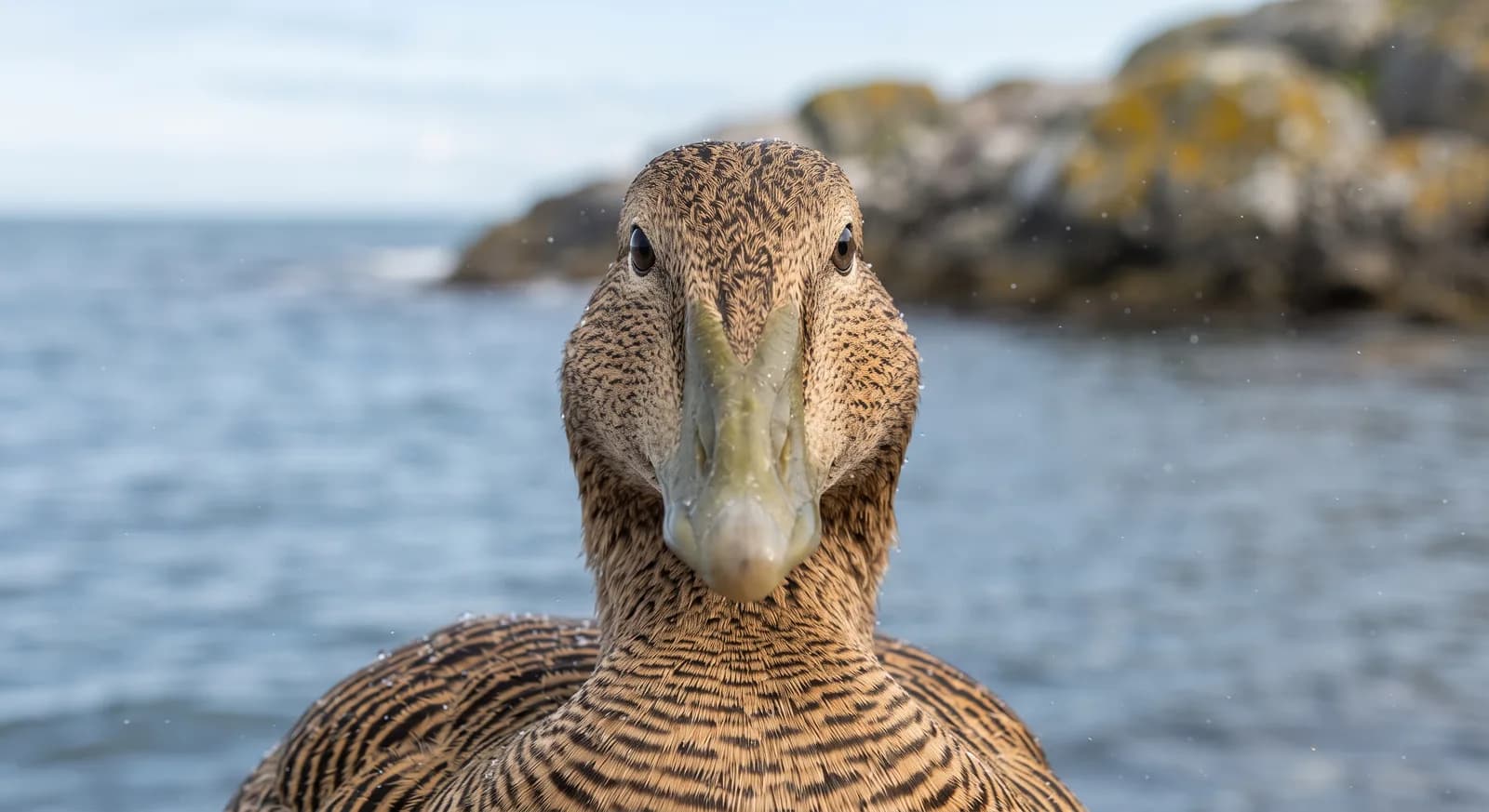
Common Eider
Somateria mollissima
Great Black-backed Gull
Larus marinus
Razorbill
Alca torda
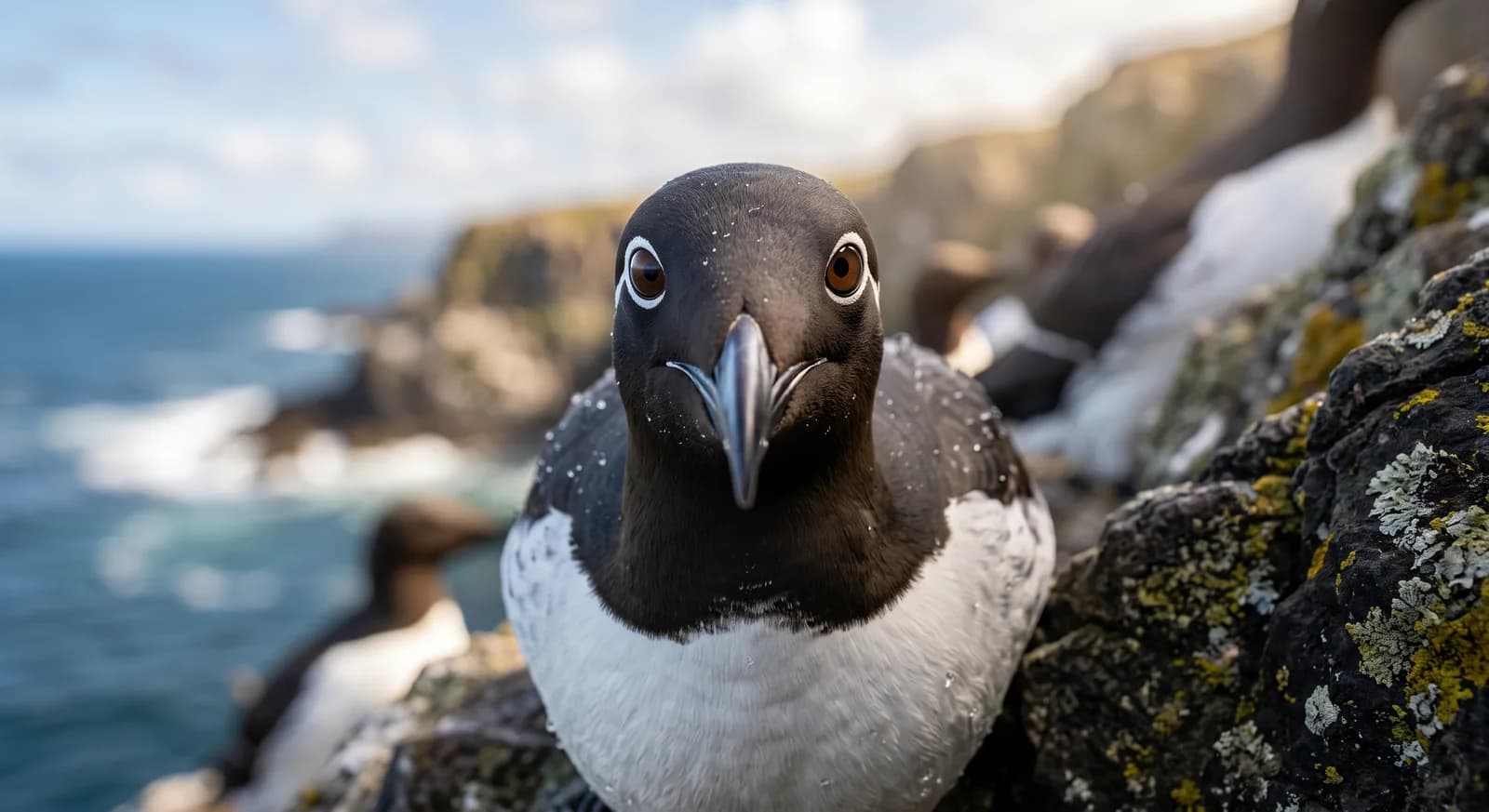 Least Concern
Common Murre
Uria aalge
 Least Concern
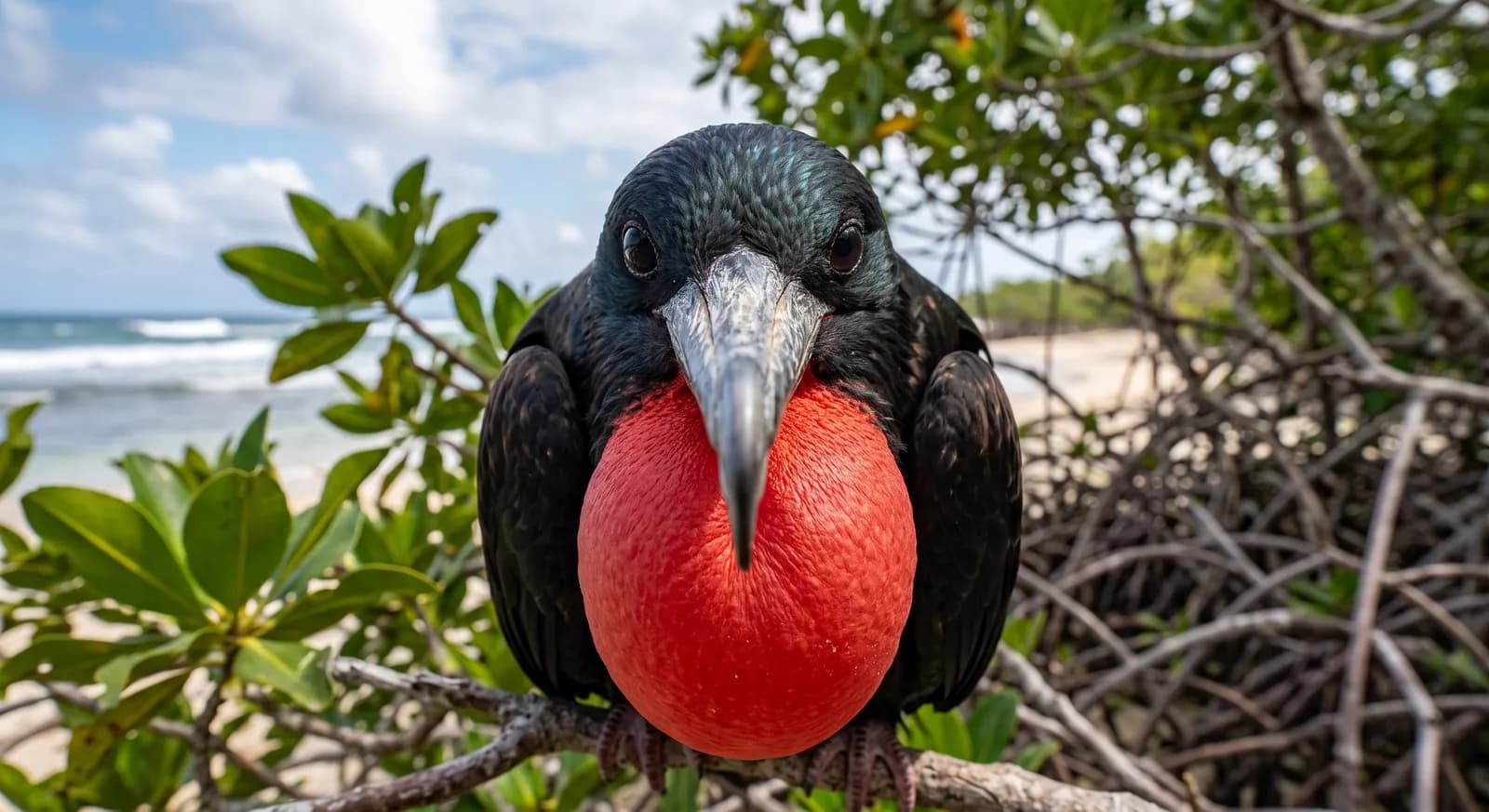
Magnificent Frigatebird
Fregata magnificens
Keep exploring
Based on what we already know about american oystercatcher.
Comments
Share an experience, a fun fact or a tip for seeing the american oystercatcher.
Be the first to comment.