Birds · Charadriiformes · Alcidae
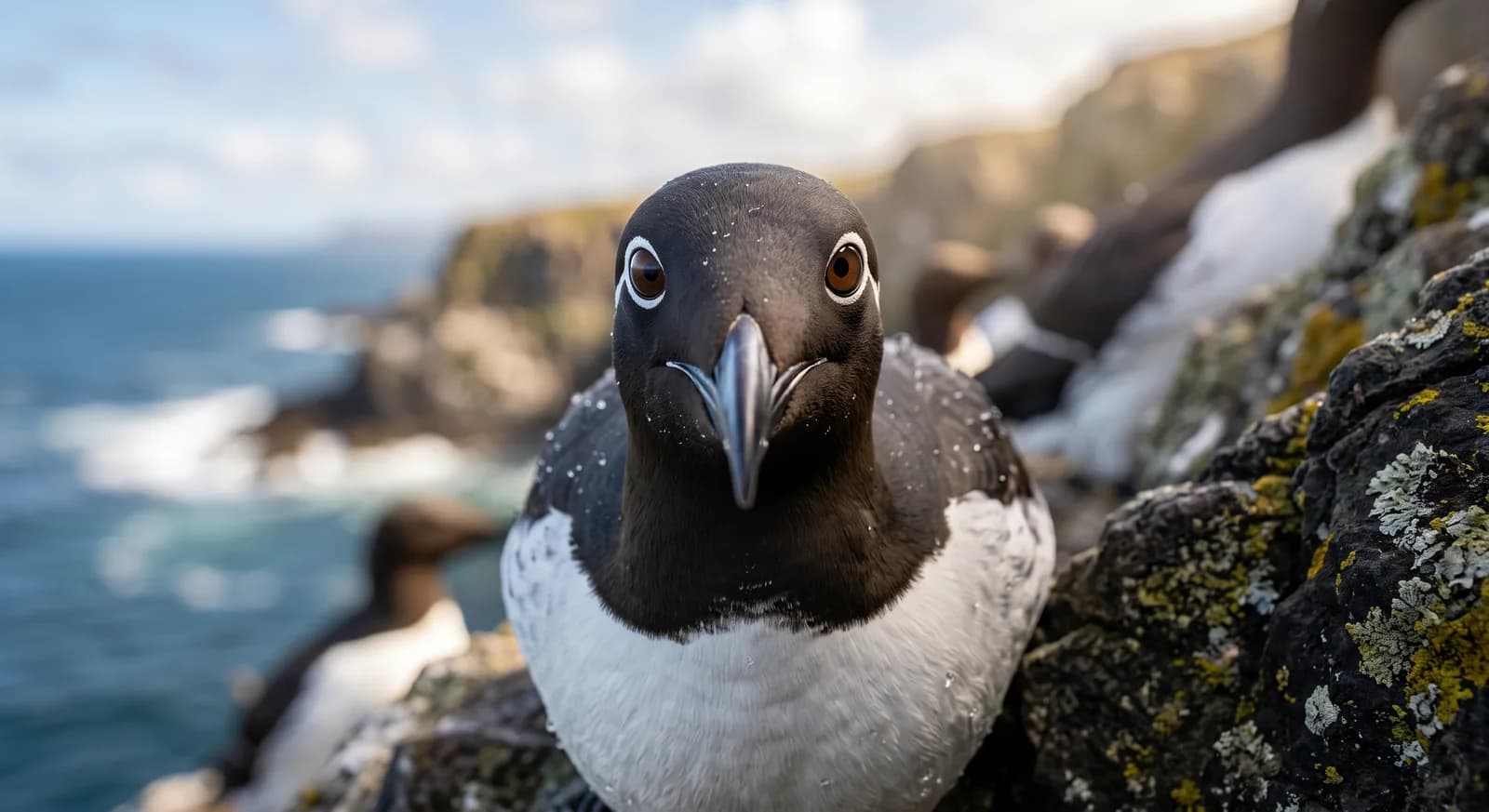
Common Murre
Uria aalge
The species is abundant and widely distributed; it faces no significant short-term risk. See full glossary
The common guillemot is an auk that looks like a miniature penguin and breeds on the narrowest cliff ledges of the North Atlantic and North Pacific, in the densest colonies of any bird in the world: up to twenty pairs per square metre. It dives to more than a hundred metres, chasing fish with its wings. In Spain it bred on the Cantabrian and Galician cliffs and today the Iberian population is practically extinct.
Weight
850 g – 1.1 kg
Size
38 cm – 46 cm
Lifespan
42 years
Diet
Carnivore
Feeds mainly on other animals.
Activity
Diurnal
Active mainly during the day.
Social structure
Colony
Lives in large concentrations, often for breeding reasons.
Sighting difficulty
Easy
Fun facts
- reproducciónIt lays a single, markedly conical egg on narrow rock ledges, a shape that makes it less likely to roll off the edge.
- It builds no nest: it lays a single egg directly on the bare rock of a ledge. The egg is strongly conical, so that when it rolls it describes a circle instead of falling over the edge.
- The chick jumps from the cliff before it can fly, when it is barely a third of adult size: it hurls itself into the sea from tens of metres up and finishes growing out at sea, accompanied by its father for weeks.
Life cycle & biology
- Skeleton type
- Vertebrate - internal bony skeleton (bird)
- Habitat & environment
- The open sea of the North Atlantic and North Pacific; it breeds on the ledges of vertical cliffs
- Sexual maturity
- 5 years
- Gestation / incubation
- 31 days
- Litter / clutch size
- 1
Sources consulted: https://en.wikipedia.org/wiki/Common_murre
Where to find it
See its range on the interactive mapWhere to watch it
Parques y spots de buceo donde se ha documentado esta especie — se muestran 12 de 33 documentados.
Related species
Other species in the catalogue with the most in common with Common Murre — same habitat, park, country, tags or family.
 Vulnerable
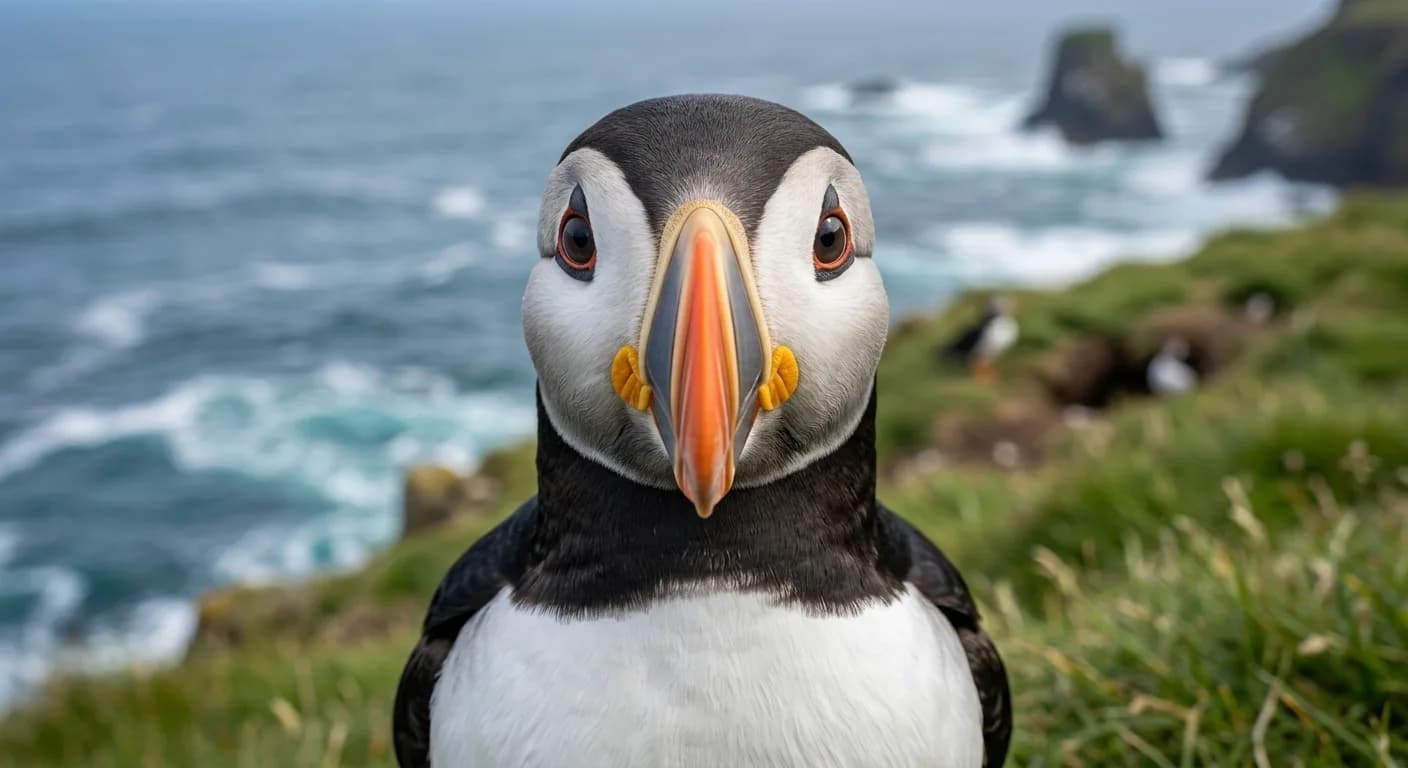
Atlantic Puffin
Fratercula arctica
Ancient Murrelet
Synthliboramphus antiquus
Razorbill
Alca torda
Horned Puffin
Fratercula corniculata
Smelt
Osmerus eperlanus
 Least Concern
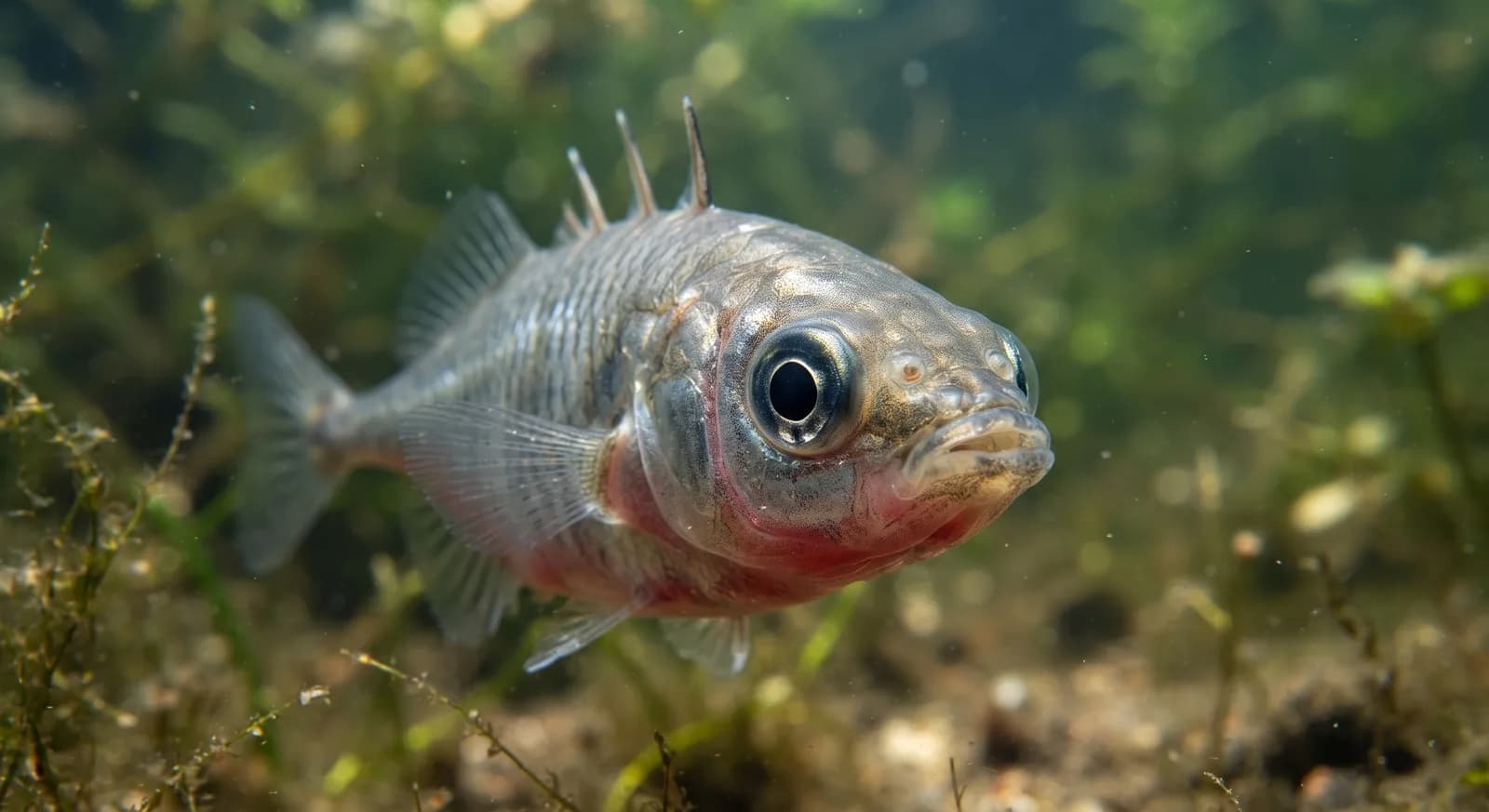
Three-spined Stickleback
Gasterosteus aculeatus
Keep exploring
Based on what we already know about common murre.
Comments
Share an experience, a fun fact or a tip for seeing the common murre.
Be the first to comment.