Bony fish · Osmeriformes · Osmeridae
Smelt
Osmerus eperlanus
The species is abundant and widely distributed; it faces no significant short-term risk. See full glossary
The European smelt is a slender, translucent fish with silvery glints and a small adipose fin that gives away its kinship with the salmonids. It lives in estuaries and coastal waters of northern Europe and runs up the rivers en masse to spawn in late winter. There are also landlocked populations in lakes.
Size
15 cm – 30 cm
Lifespan
6 years
Diet
Carnivore
Feeds mainly on other animals.
Social structure
Colony
Lives in large concentrations, often for breeding reasons.
Sighting difficulty
Easy
Fun facts
- Freshly caught it gives off an unmistakable smell of fresh cucumber, so characteristic that it is used to identify it.
- Its spawning runs used to gather enormous numbers of fish in European estuaries and supported local fisheries that river pollution wiped out during the twentieth century.
- The recovery of water quality in rivers such as the Thames and the Elbe has allowed it to run up them again.
- It smells of cucumber. It is its most-cited trait: freshly caught, it gives off an unmistakable vegetal scent, owing to volatile compounds in its skin.
- It is anadromous: it lives in the estuary and runs up the river to spawn in spring, although some populations were locked into lakes after the last glaciation and no longer migrate.
- It was a popular food fish in northern Europe, and its spawning runs were a seasonal event in river cities such as Hamburg.
- It is very sensitive to pollution and to river barriers, and it has disappeared from several rivers where it once abounded.
Life cycle & biology
- Skeleton type
- Vertebrate - internal bony skeleton (fish)
- Habitat & environment
- Estuaries and coastal waters of northern Europe; it spawns in rivers and lakes
- Sexual maturity
- 2 years
Sources consulted: https://es.wikipedia.org/wiki/Osmerus_eperlanus
Where to find it
See its range on the interactive mapBest time: Late winter and early spring, during the spawning run
Where to watch it
Parques y spots de buceo donde se ha documentado esta especie — se muestran 20 de 39 documentados.
Related species
Other species in the catalogue with the most in common with Smelt — same habitat, park, country, tags or family.
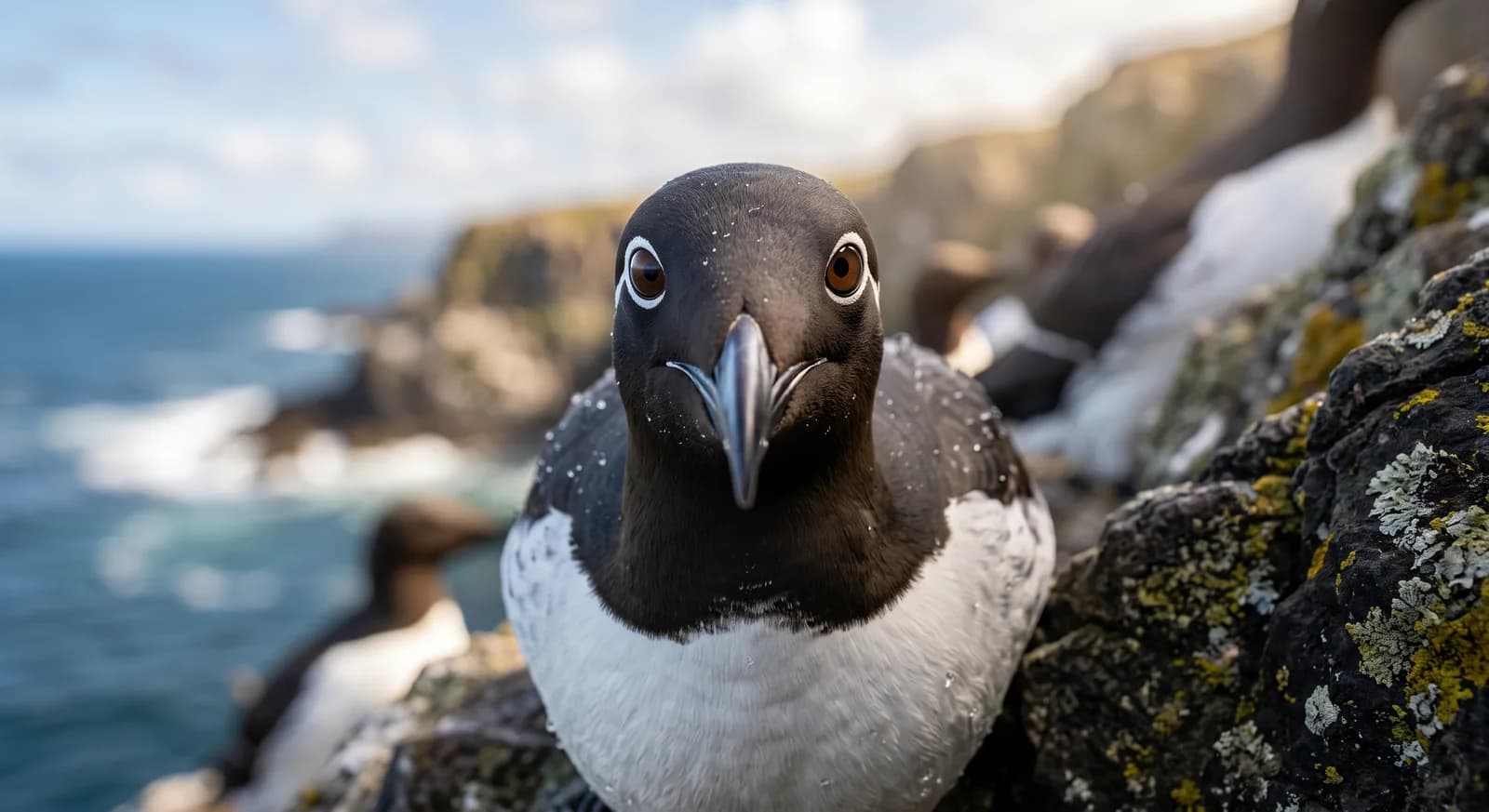 Least Concern
Common Murre
Uria aalge
European Anchovy
Engraulis encrasicolus
Whiting
Merlangius merlangus
European Hake
Merluccius merluccius
Angler
Lophius piscatorius
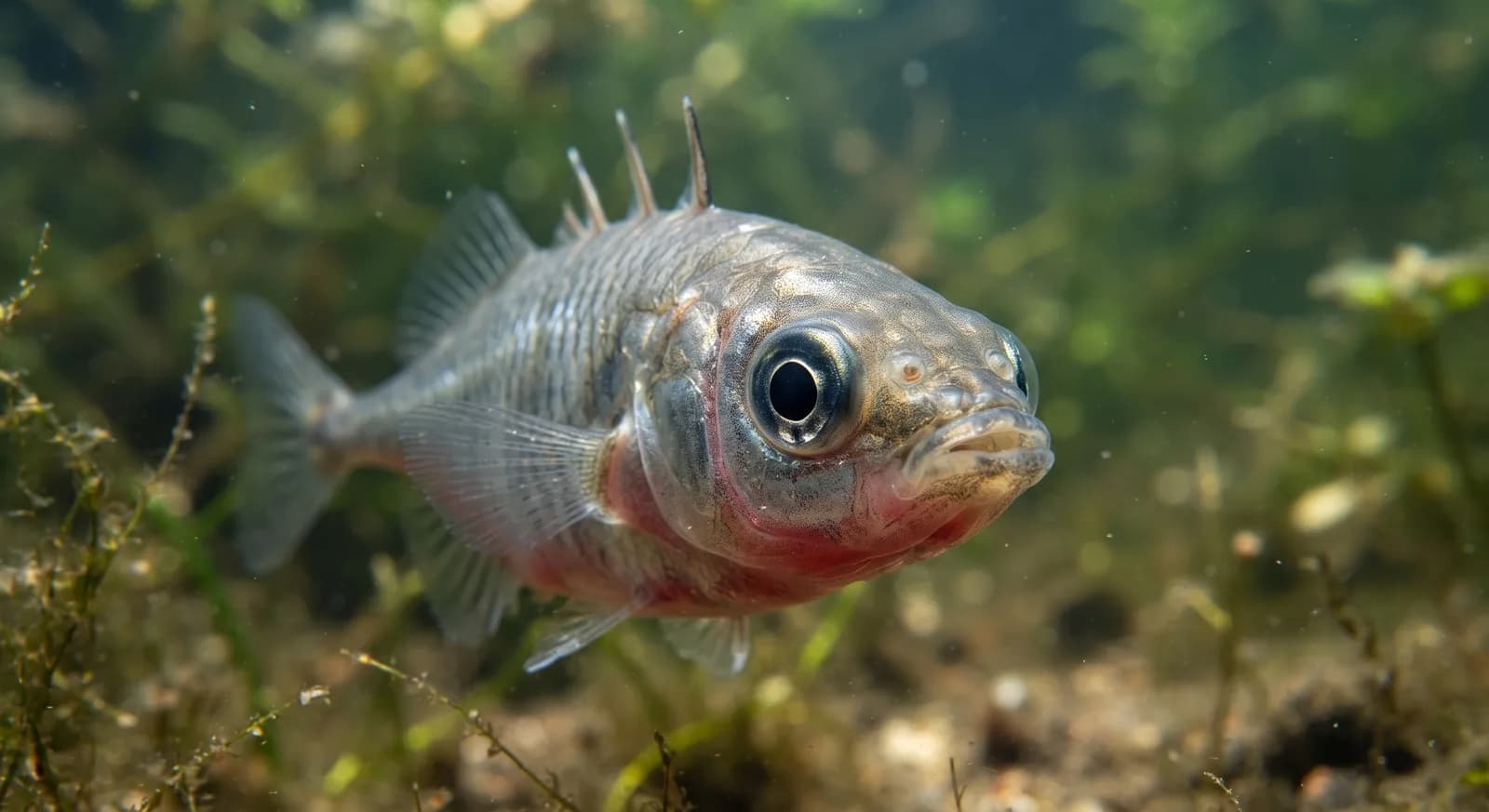 Least Concern
Three-spined Stickleback
Gasterosteus aculeatus
Keep exploring
Based on what we already know about smelt.
Comments
Share an experience, a fun fact or a tip for seeing the smelt.
Be the first to comment.