Torres del Paine
Chile · Patagonia (Magallanes)The Torres del Paine, three granite spires above 2,500 metres, are a world icon of Patagonian trekking
Area
2,422 km²
Declared in
1959
Region
Patagonia (Magallanes)
Climate
Árido / desértico, Templado, Mediterráneo, Polar / frío
Length of its routes
5–8 days
Difficulty of its routes
Alta
Plan your visit
- Length of its routes
- 5–8 days
- Difficulty of its routes
- Alta
- Area
- 2,422 km²
Highlight
The Torres del Paine, three granite spires above 2,500 metres, are a world icon of Patagonian trekking
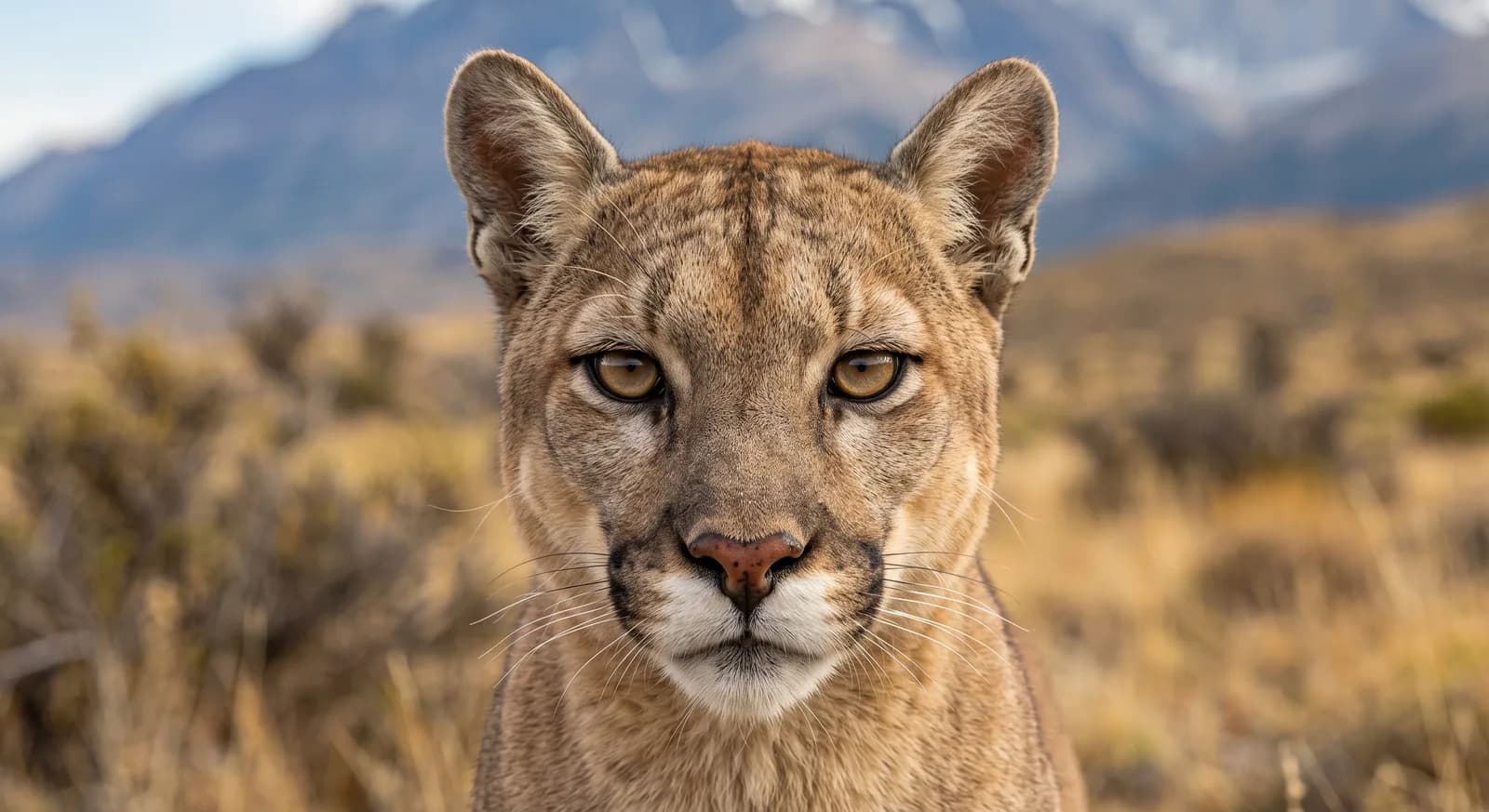
Declared in 1959, it is the most emblematic national park in Chilean Patagonia. Its name combines the Spanish torres, towers, with paine, which in the indigenous Tehuelche language means blue, after the colour of its glacial lakes. The three granite towers it is named for were formed some 12 million years ago when magma forced its way up through older sedimentary rock, which later erosion wore away to leave the granite spires standing. It has been a UNESCO Biosphere Reserve since 1978 and holds one of the best-studied puma densities in the world, thanks to decades of research that have made the park a global model for how mountain tourism and big-cat conservation can sit together.
Location
See on the interactive map28 species documented in Torres del Paine
At conservation risk:Cóndor andino,Huemul,Tarántula chilena rosada
 Least Concern
Puma
Puma concolor
 Least Concern
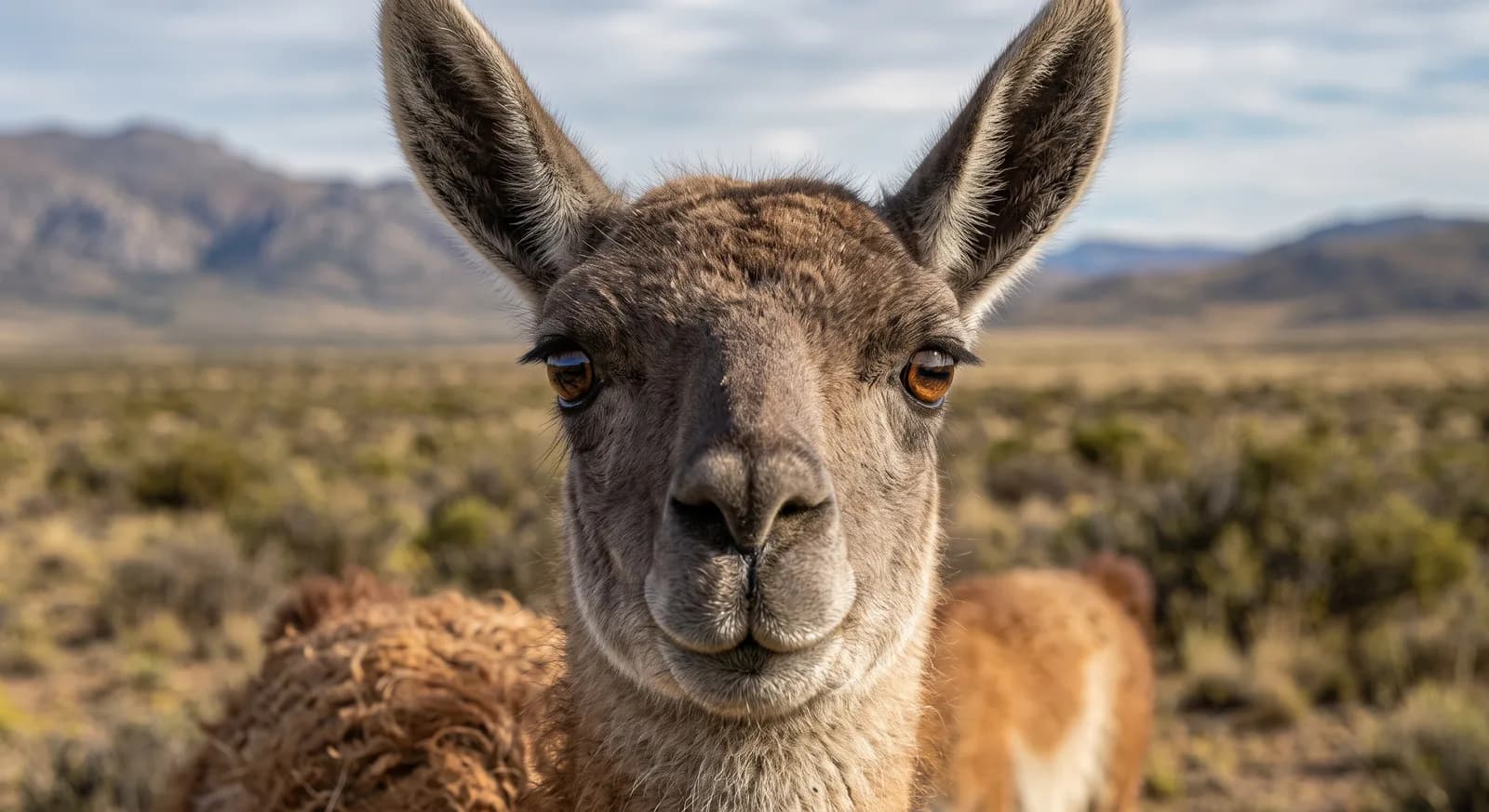
Guanaco
Lama guanicoe
 Vulnerable
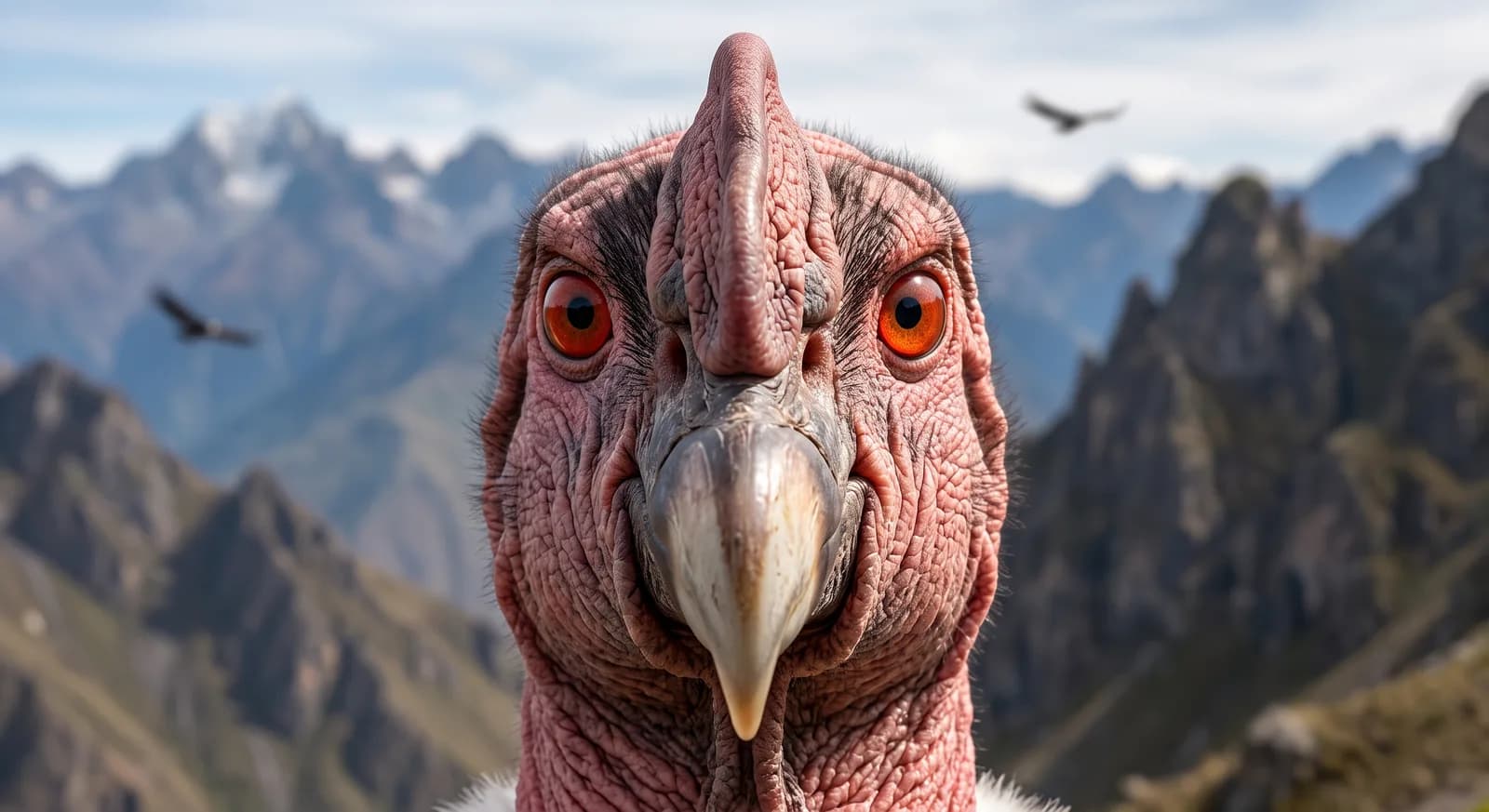
Cóndor andino
Vultur gryphus
 Near Threatened
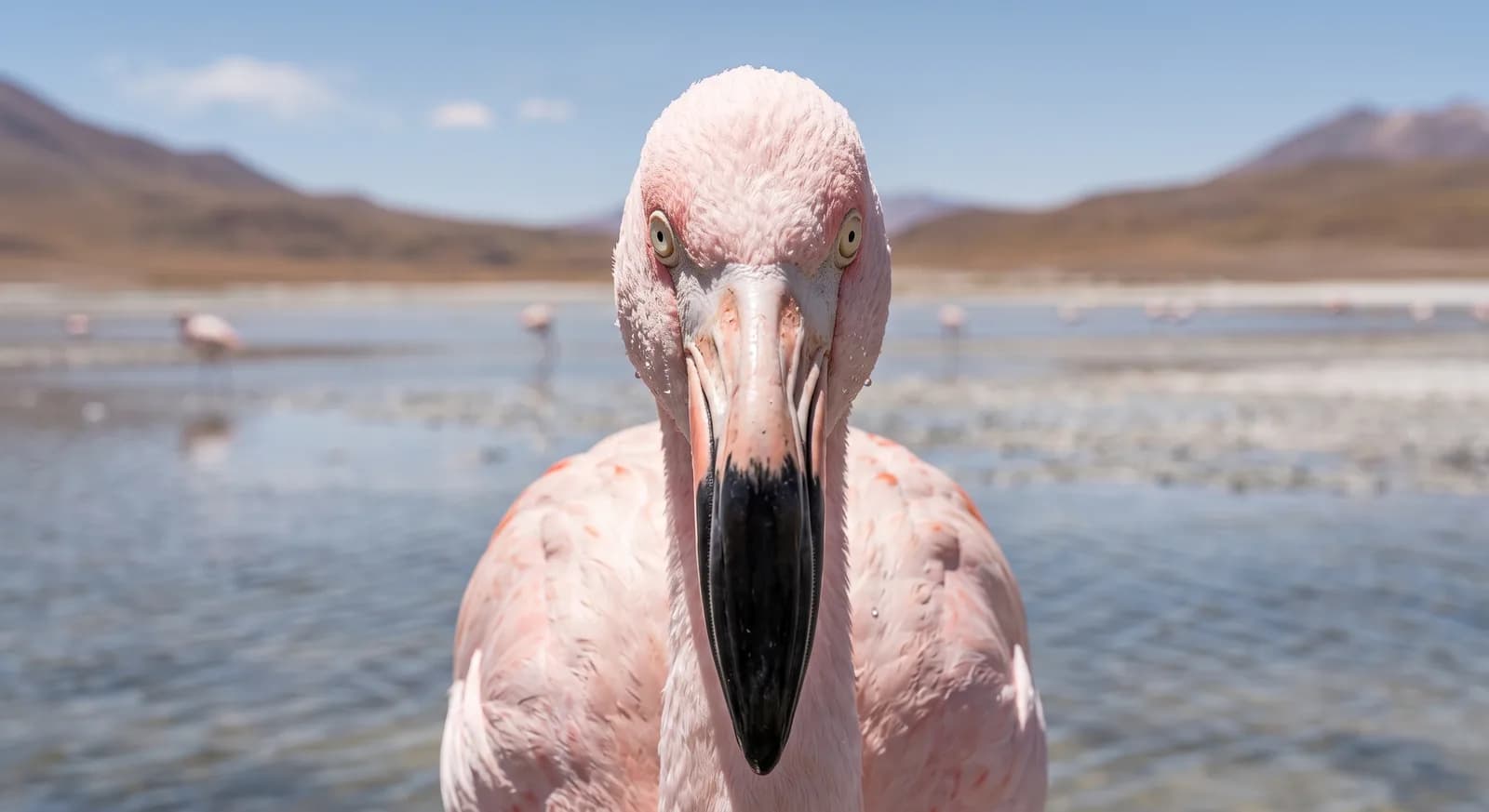
Flamenco chileno
Phoenicopterus chilensis
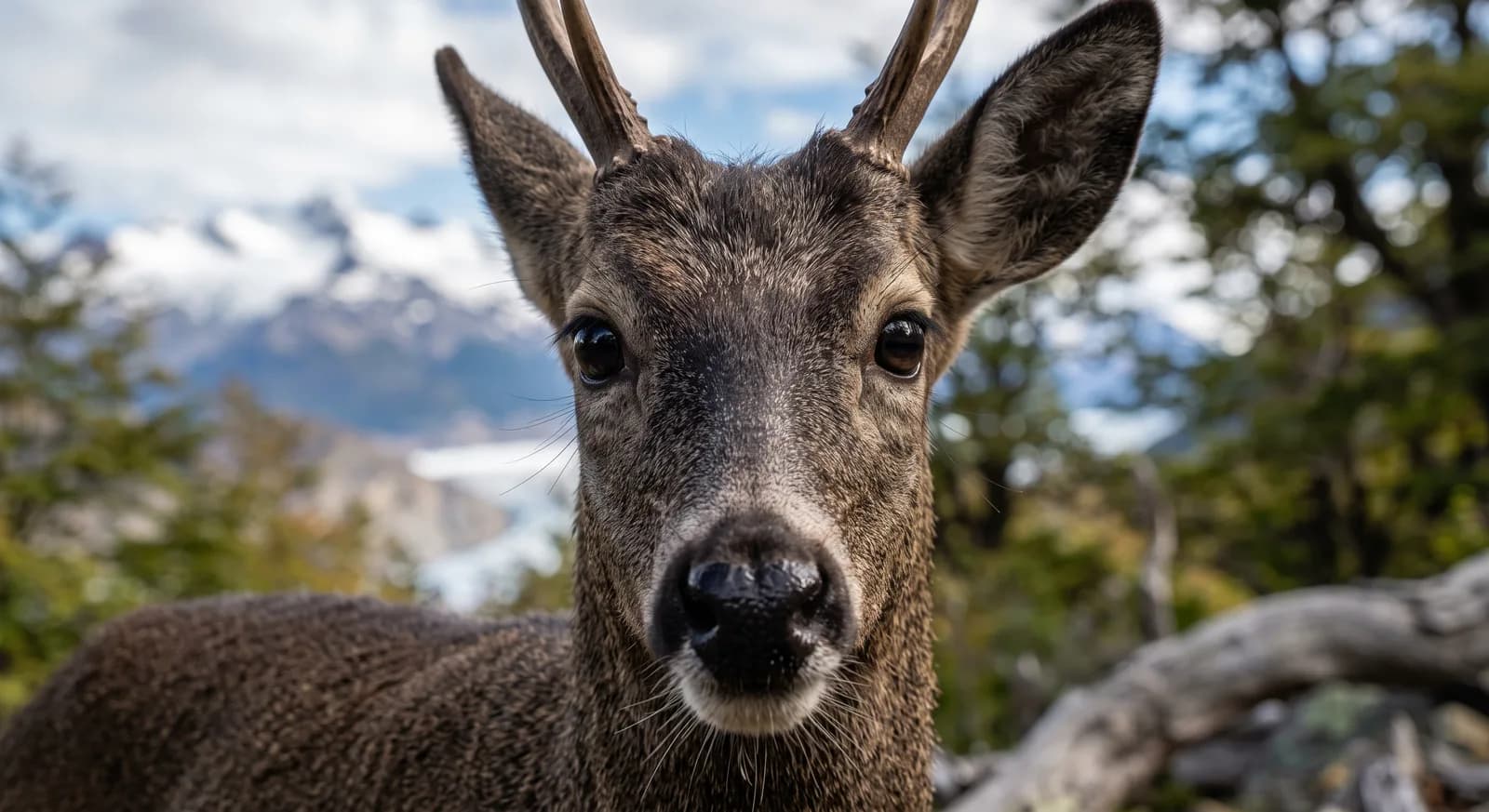 Endangered
Huemul
Hippocamelus bisulcus
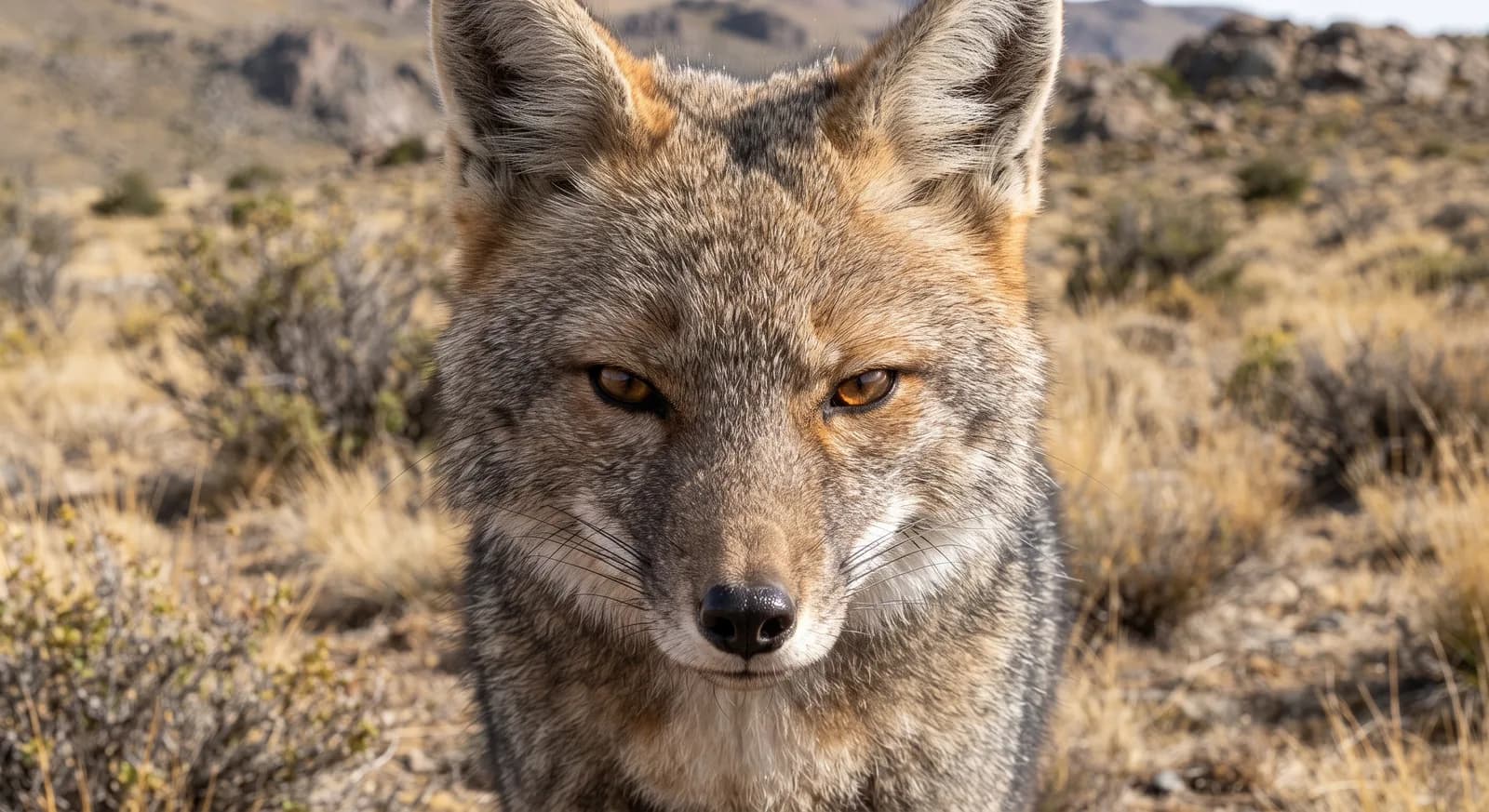 Least Concern
Zorro culpeo
Lycalopex culpaeus
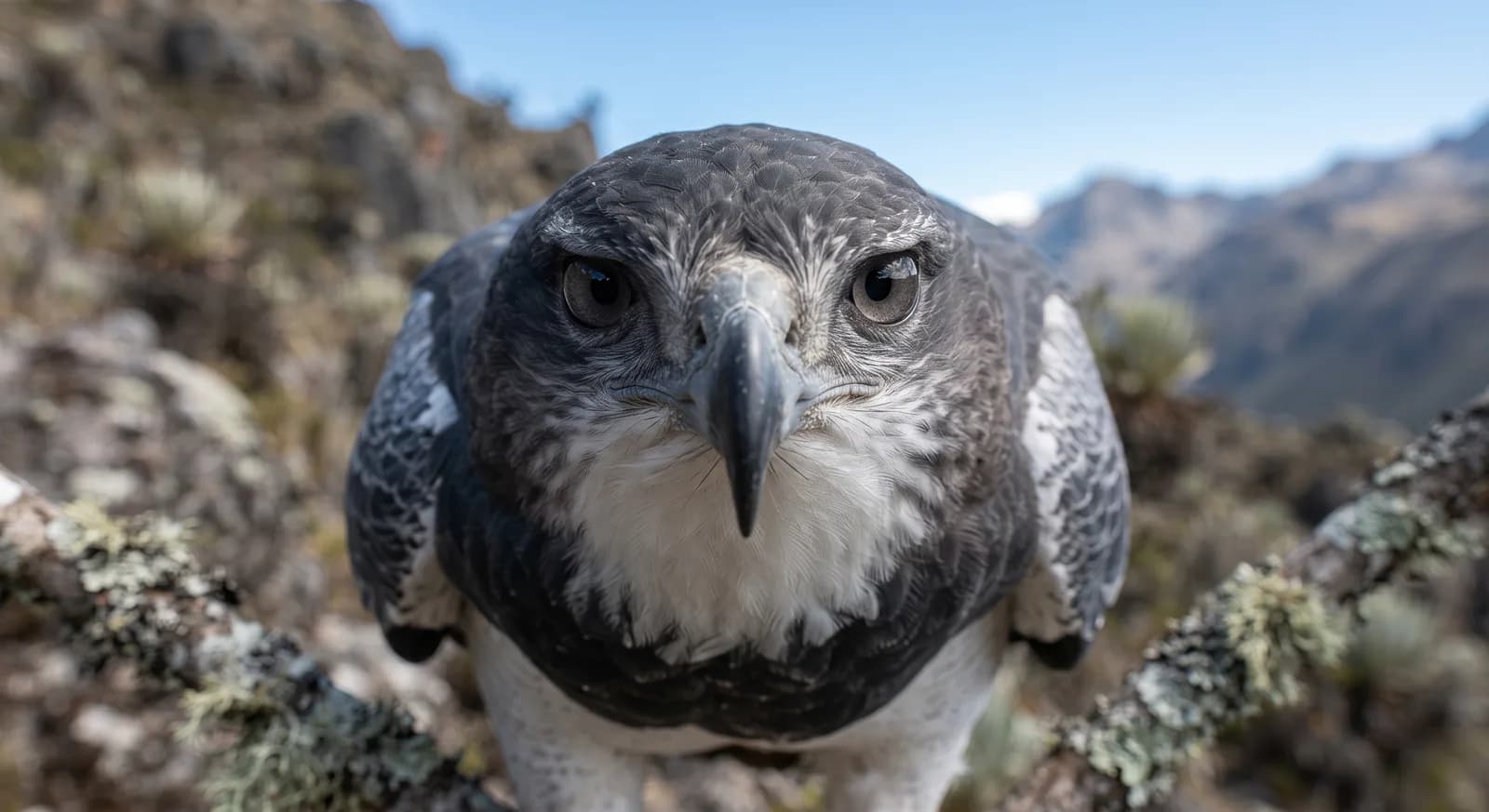 Least Concern
Águila mora
Geranoaetus melanoleucus
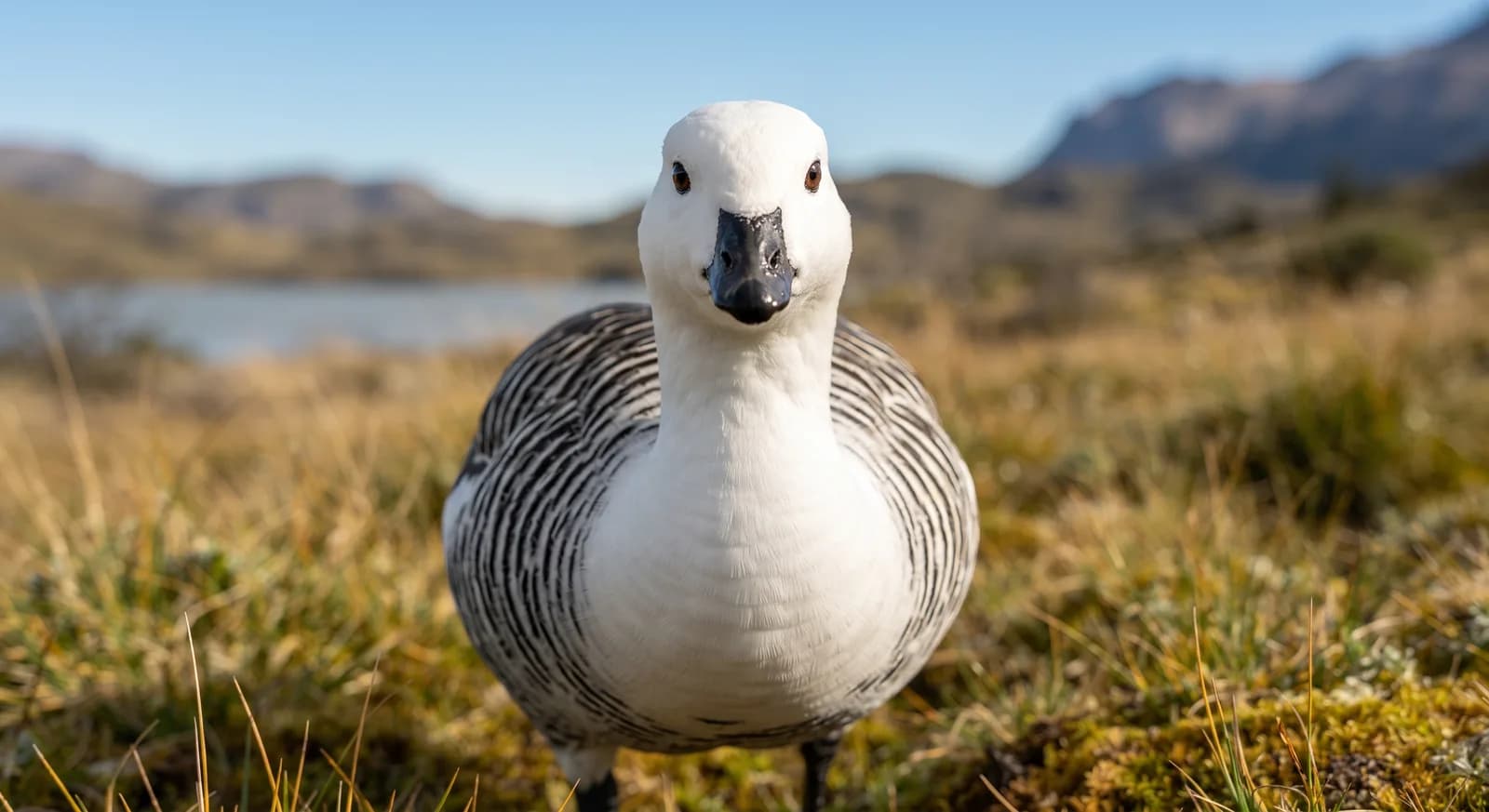 Least Concern
Cauquén común
Chloephaga picta
Zorrino patagónico
Conepatus humboldtii
 Least Concern
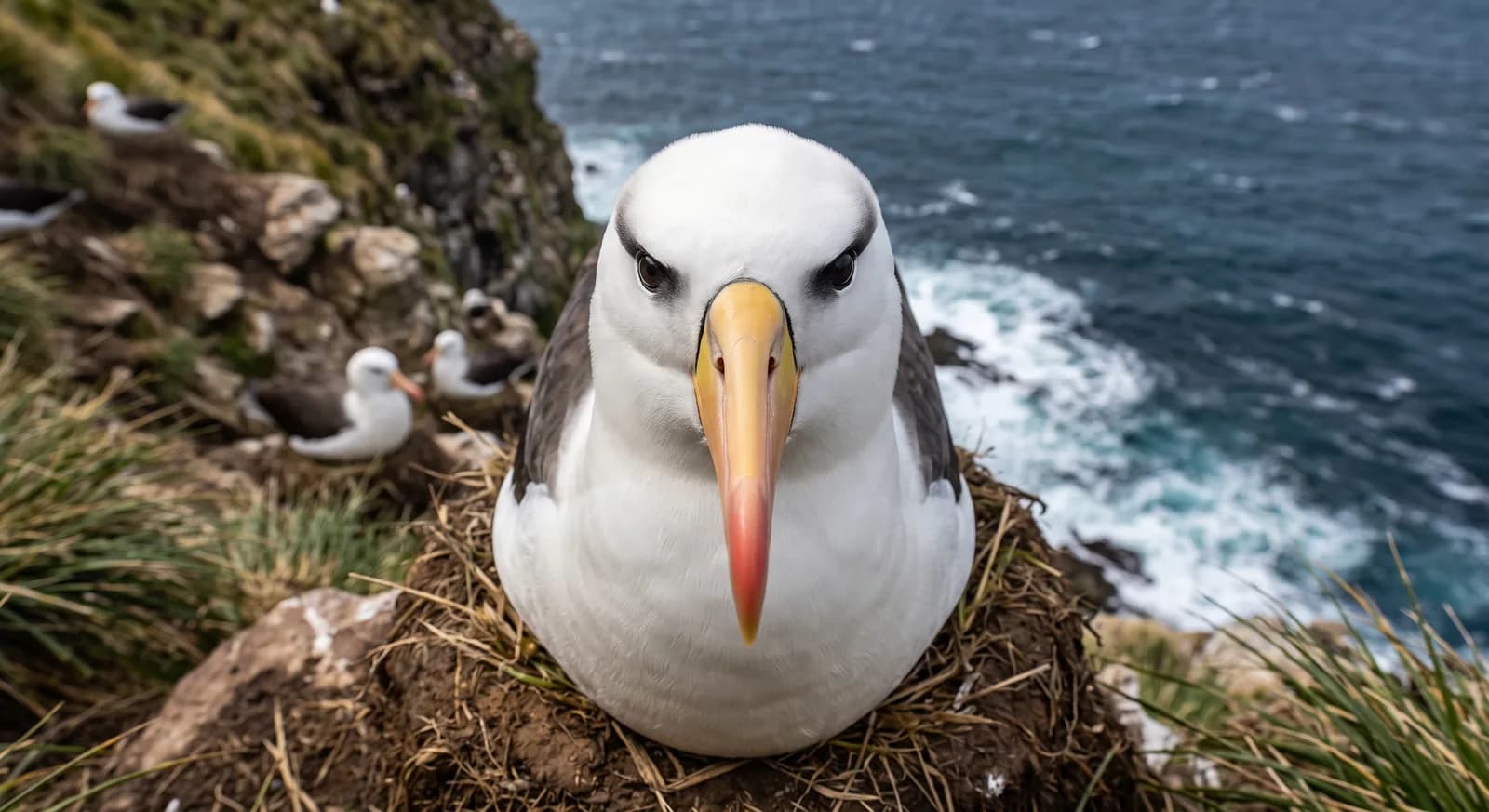
Albatros de ceja negra
Thalassarche melanophris
Araña de rincón chilena
Loxosceles laeta
Bandurria
Theristicus caudatus
Flora and ecosystems
Ecosystems found in Chile, where Torres del Paine lies.
Experiences in this park
Similar parks
Which other parks are like this one?
Keep exploring
Based on what we already know about Torres del Paine.
Your rating
How many stars would you give Torres del Paine?
Comments
Share your experience visiting Torres del Paine, or a tip for other travellers.
Be the first to comment.