Rapa Nui
Chile · Pacific (Easter Island)It protects the moai and the archaeological heritage of the Rapa Nui culture on Easter Island
Area
71 km²
Declared in
1935
Region
Pacific (Easter Island)
Climate
Árido / desértico, Templado, Mediterráneo, Polar / frío
Highlight
It protects the moai and the archaeological heritage of the Rapa Nui culture on Easter Island
Declared in 1935, it covers close to 40% of Easter Island and protects the archaeological legacy of the Rapa Nui civilisation, which between the 10th and 16th centuries carved and moved close to 900 moai statues weighing up to several dozen tonnes — a feat of engineering still studied and debated over how they were shifted without machinery. The island, one of the most isolated inhabited places on the planet at over 3,500 km from the nearest South American mainland, suffered a severe demographic and ecological collapse after its ancient palm forests were felled entirely, a classic case study in the limits of island sustainability. It has been a UNESCO World Heritage Site since 1995, and has been co-managed with the indigenous Rapa Nui community since 2017.
Location
See on the interactive map1 dive site within 300 km is also shown.
6 species documented in Rapa Nui
At conservation risk:Tortuga verde
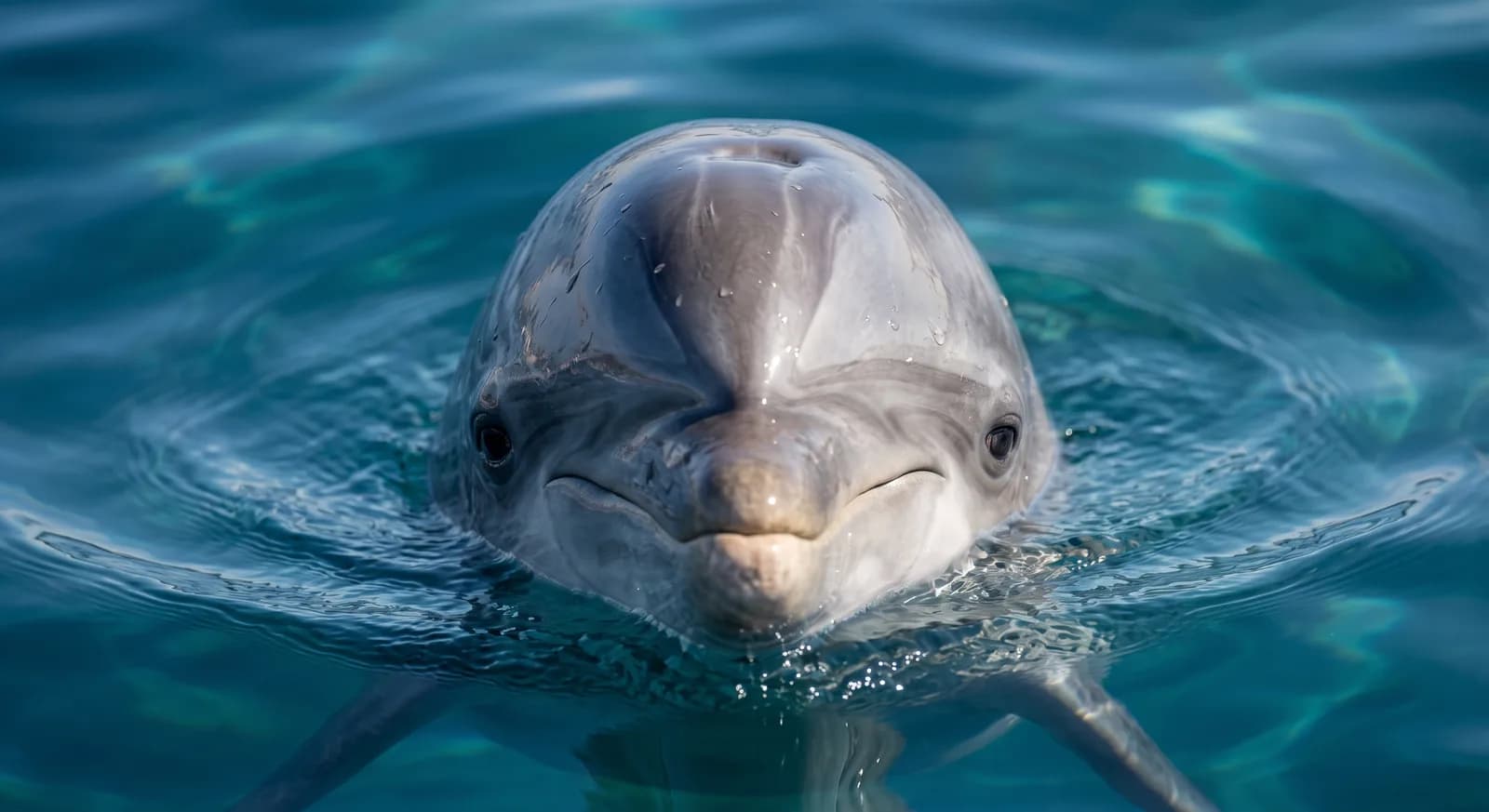
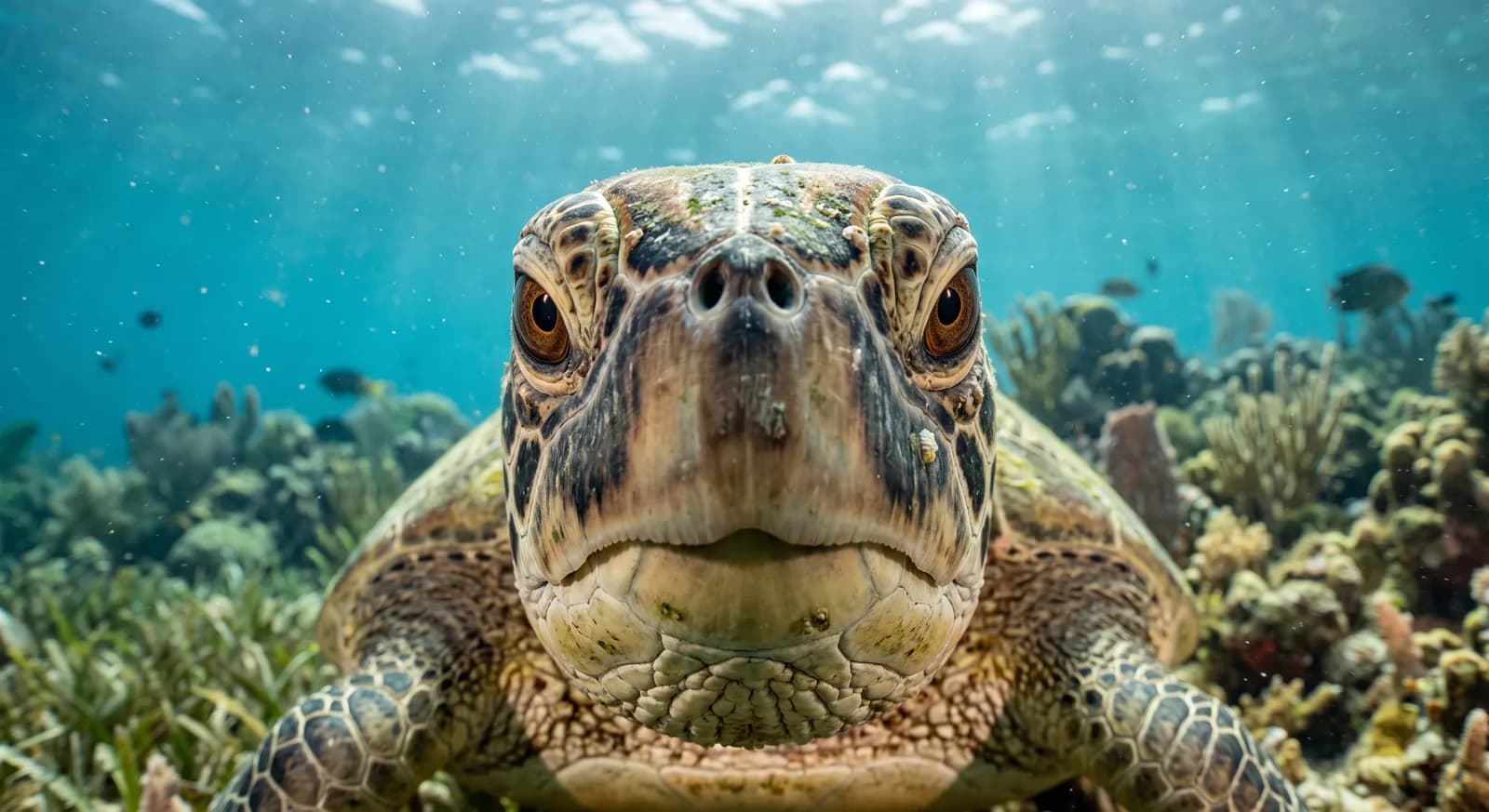
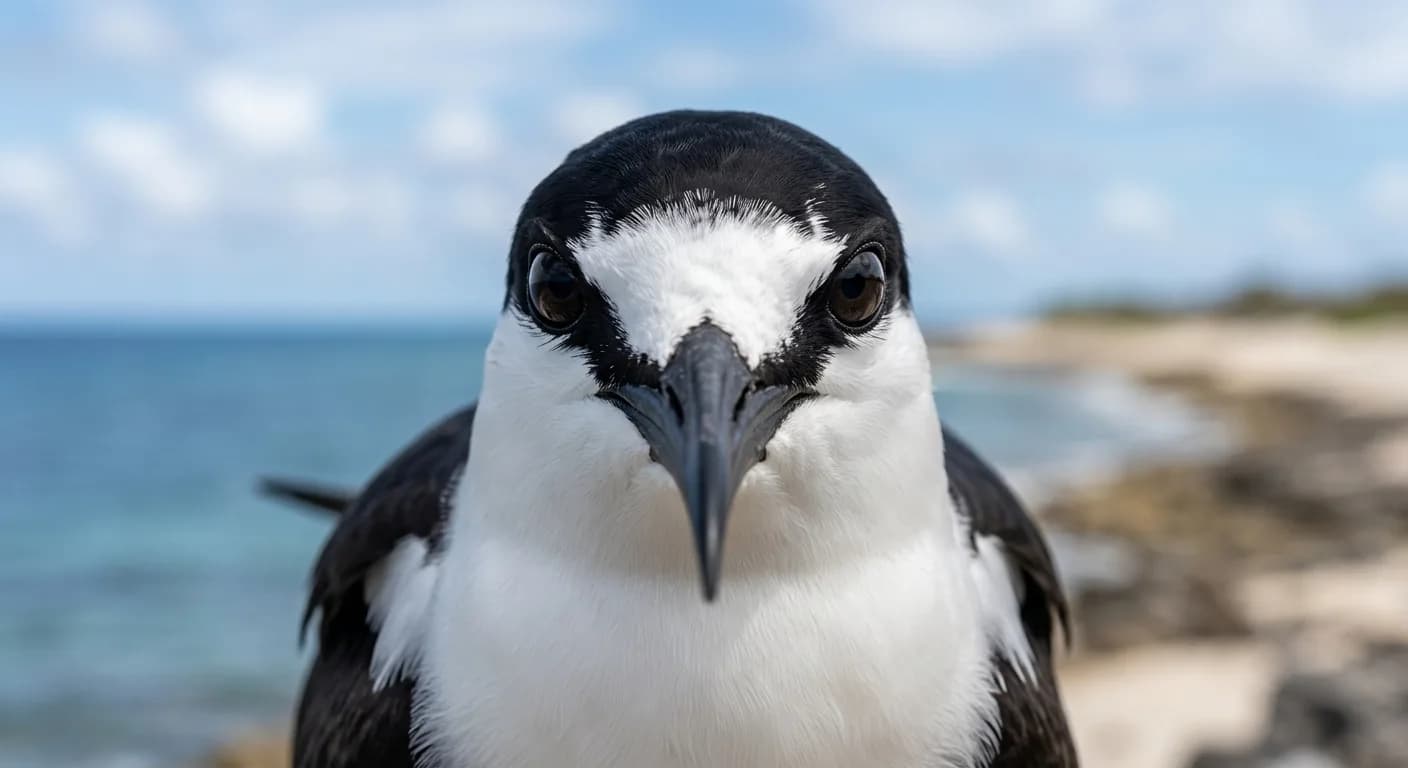
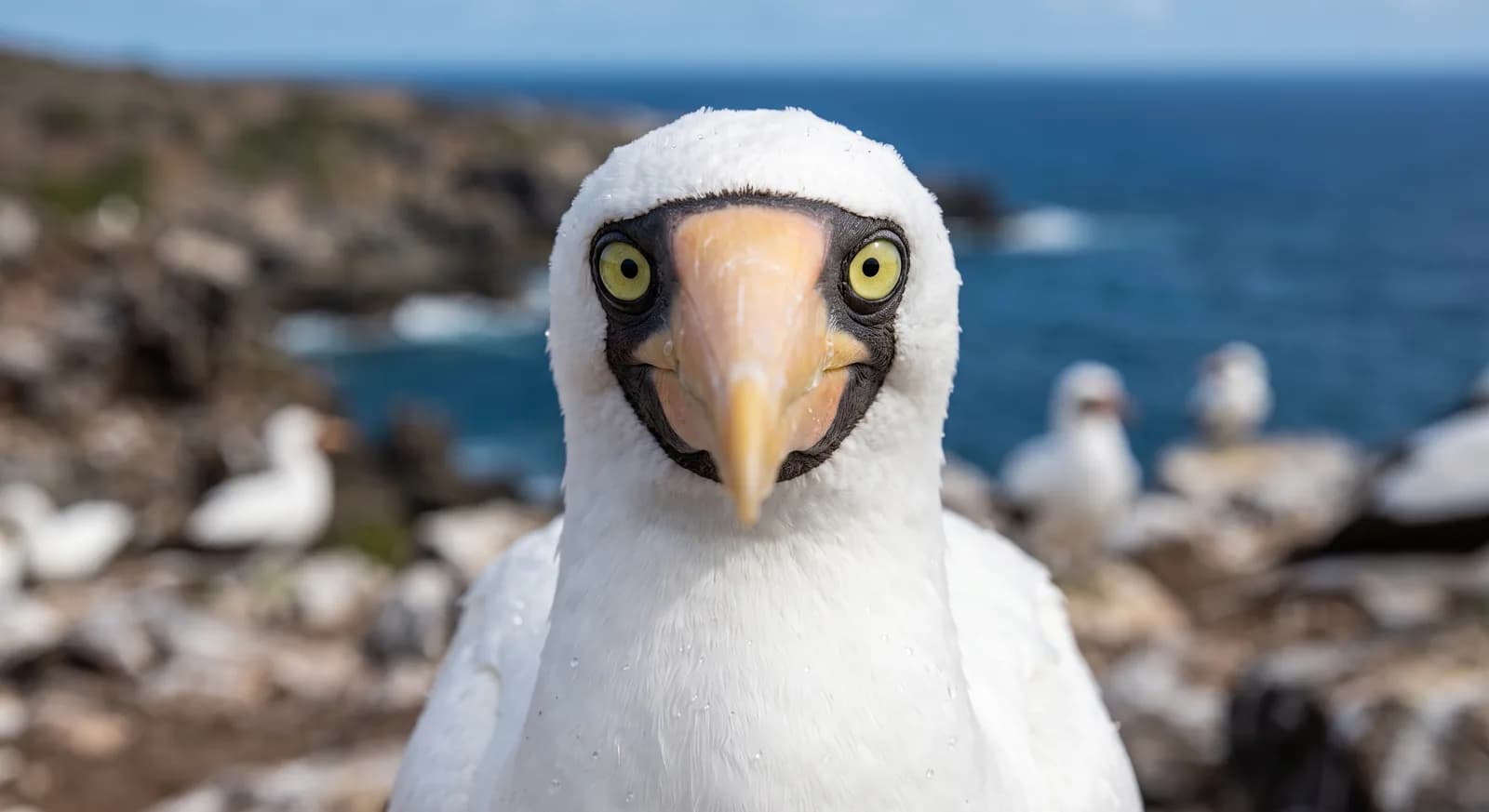
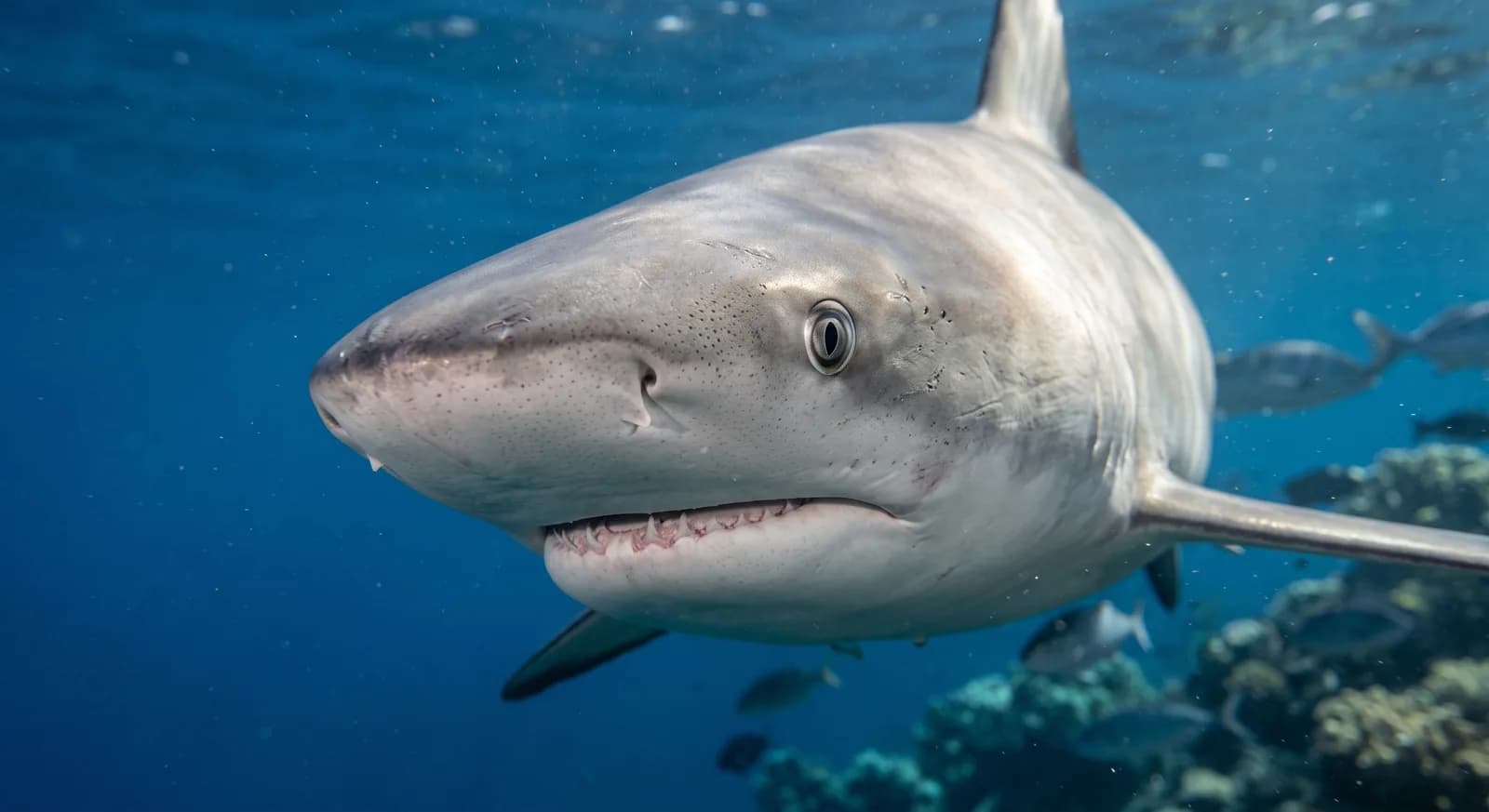
Flora and ecosystems
Ecosystems found in Chile, where Rapa Nui lies.
Experiences in this park
Nearby dive sites
Where can I dive near here?
Rapa Nui (Isla de Pascua)
12 km away
Similar parks
Which other parks are like this one?
Alberto de Agostini
Chile
Southern Elephant Seal · Andean Condor
View parkMismo país: Chile
Fray Jorge
Chile
Culpeo · Harrier
View parkMismo país: Chile
La Campana
Chile
Culpeo · Pampas Cat
View parkMismo país: Chile
Keep exploring
Based on what we already know about Rapa Nui.
Your rating
How many stars would you give Rapa Nui?
Comments
Share your experience visiting Rapa Nui, or a tip for other travellers.
Be the first to comment.