One of the 2 frigatebirds on WAnimals
Birds · Suliformes · Fregatidae
Lesser Frigatebird
Fregata ariel
The species is abundant and widely distributed; it faces no significant short-term risk. See full glossary
The smallest of the five frigatebirds in the world. A lightly built seabird, with blackish-brown plumage, long narrow wings and a deeply forked tail. The male has a striking red gular pouch that he inflates to attract a female; the female is somewhat larger than the male and has a white breast and belly.
Weight
754 g – 858 g
Size
75 cm on average
Lifespan
25 years
Diet
Piscivore
Feeds mainly on fish.
Activity
Diurnal
Active mainly during the day.
Social structure
Colony
Lives in large concentrations, often for breeding reasons.
Sighting difficulty
Easy
Fun facts
- It is the smallest of the five frigatebirds, at about 75 cm against the well over a metre of the great frigatebird.
- Like all frigatebirds, it takes fish in flight from the surface of the sea, often flying fish, without ever settling on the water.
- It was described in 1845 from a specimen collected on Raine Island, in Queensland, under the original name Atagen ariel.
Life cycle & biology
- Skeleton type
- Vertebrate - internal bony skeleton (bird)
- Habitat & environment
- Tropical and subtropical waters of the Indian and Pacific Oceans, and also off the Atlantic coast of Brazil. It nests in colonies, in low trees or on the ground of remote islands
- Birth weight
- Altricial: born blind, naked or with sparse down and entirely dependent
- Size at birth
- Born naked and blind; it depends on its parents for many months
- Sexual maturity
- 5-7 years
- Gestation / incubation
- ~44 days of incubation
- Litter / clutch size
- A single egg per breeding season, as in the rest of the frigatebirds
Sources consulted: IUCN Red List; Wikipedia (Lesser frigatebird); Gray 1845
Where to find it
See its range on the interactive mapBest time: All year round in tropical and subtropical waters
Where to watch it
Parks and dive sites where this species has been documented.
Related species
Other species in the catalogue with the most in common with Lesser Frigatebird — same habitat, park, country, tags or family.
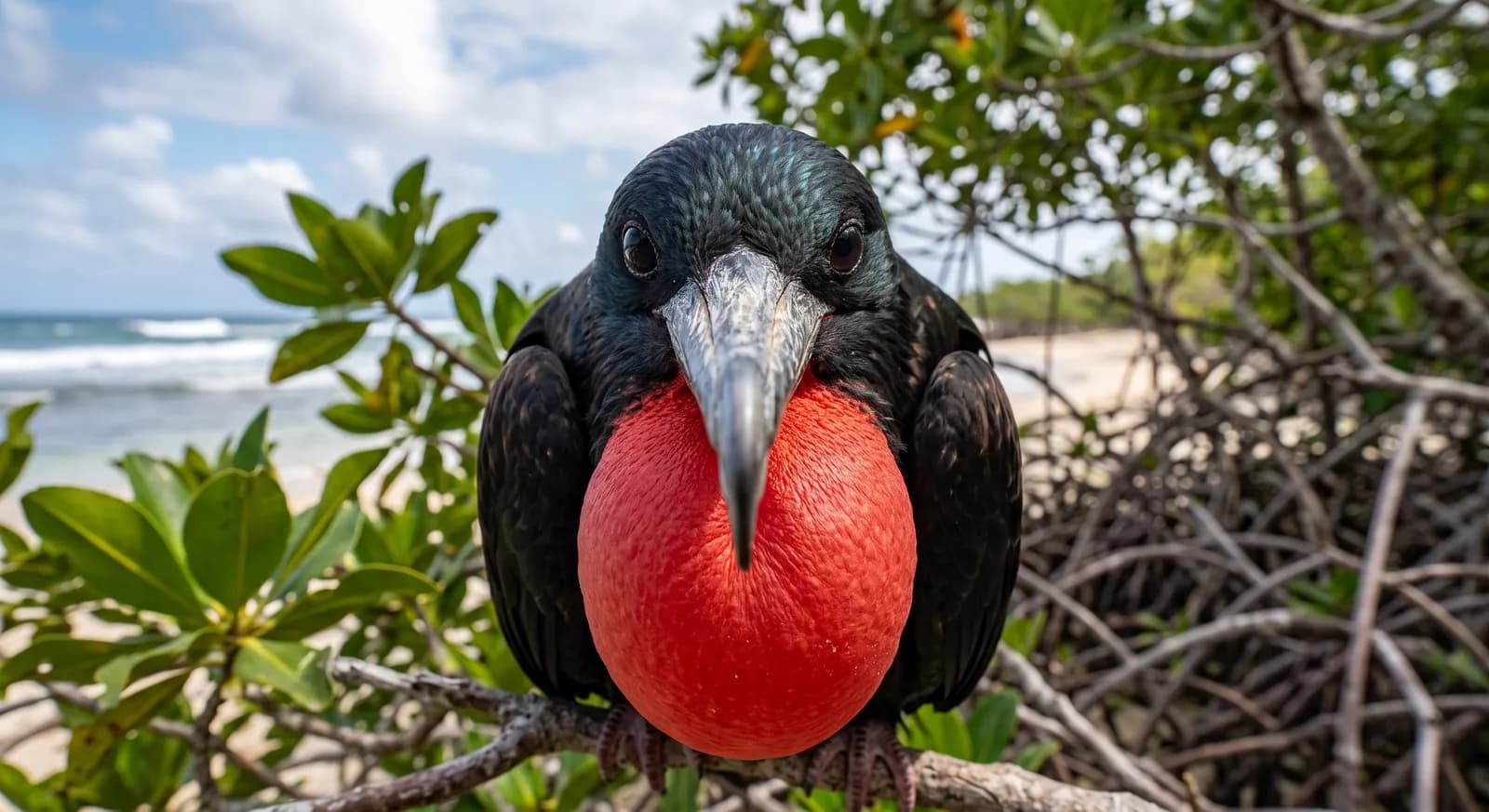 Least Concern
Magnificent Frigatebird
Fregata magnificens
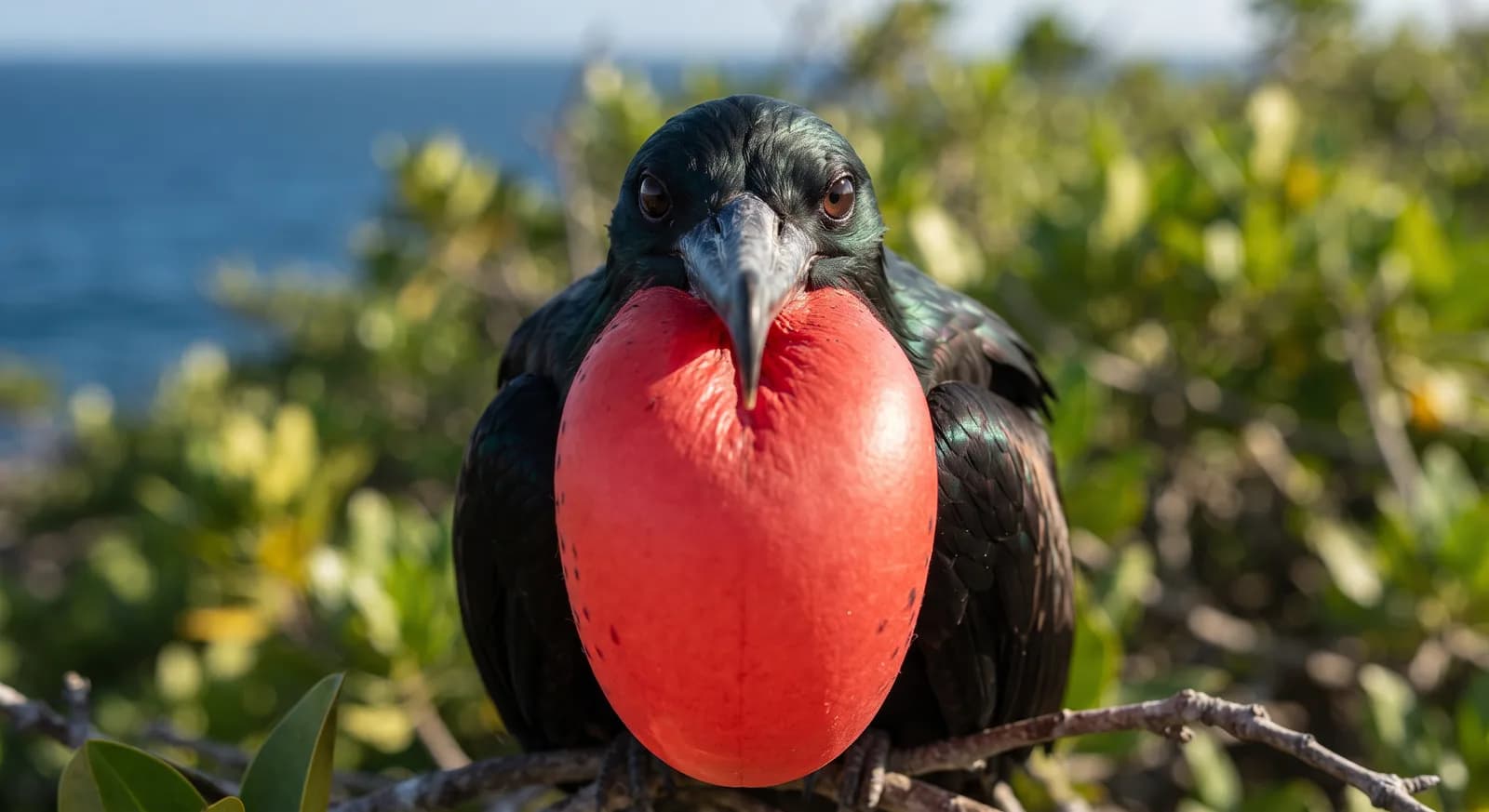 Least Concern
Great Frigatebird
Fregata minor
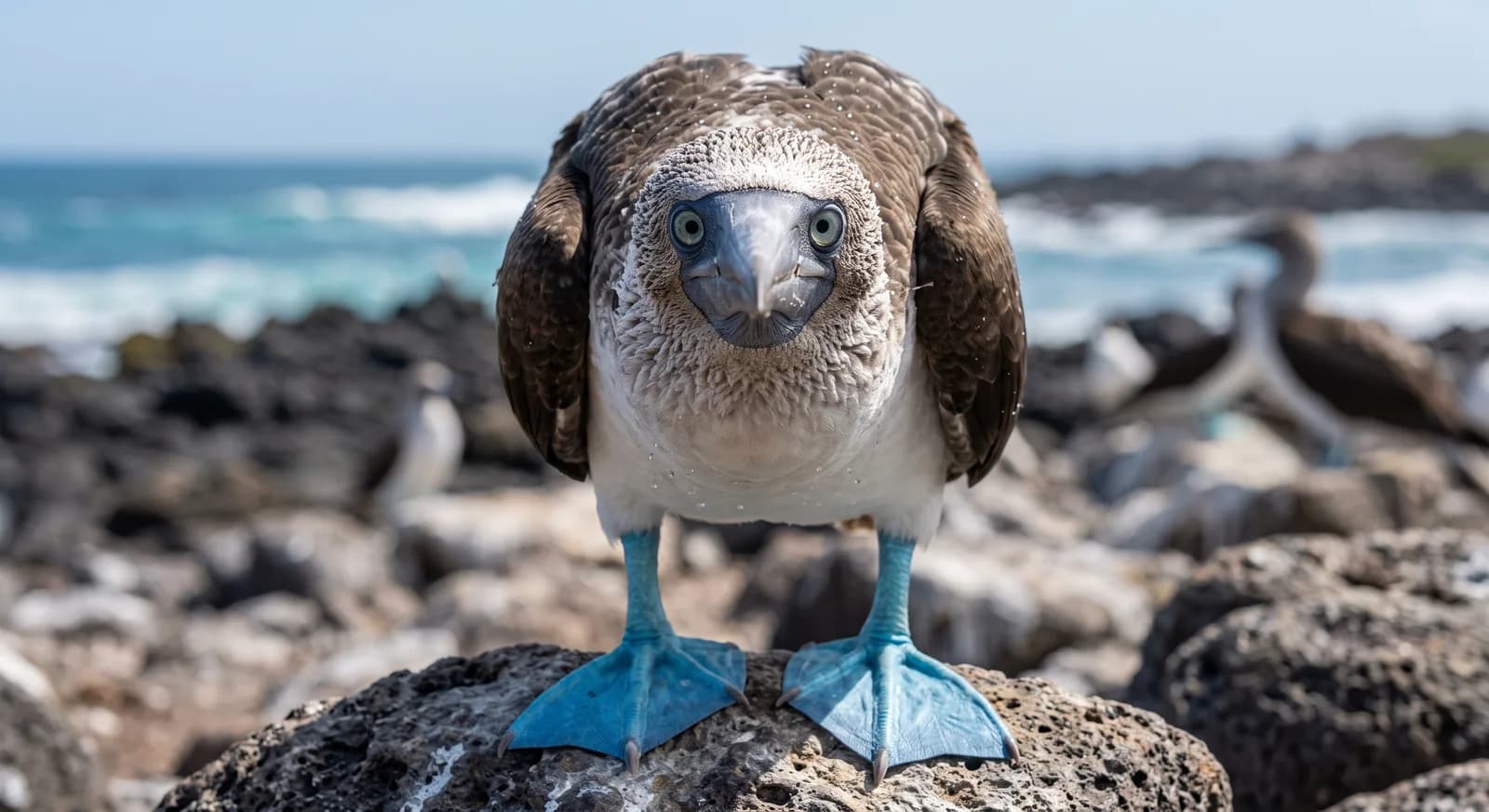 Least Concern
Blue-footed Booby
Sula nebouxii
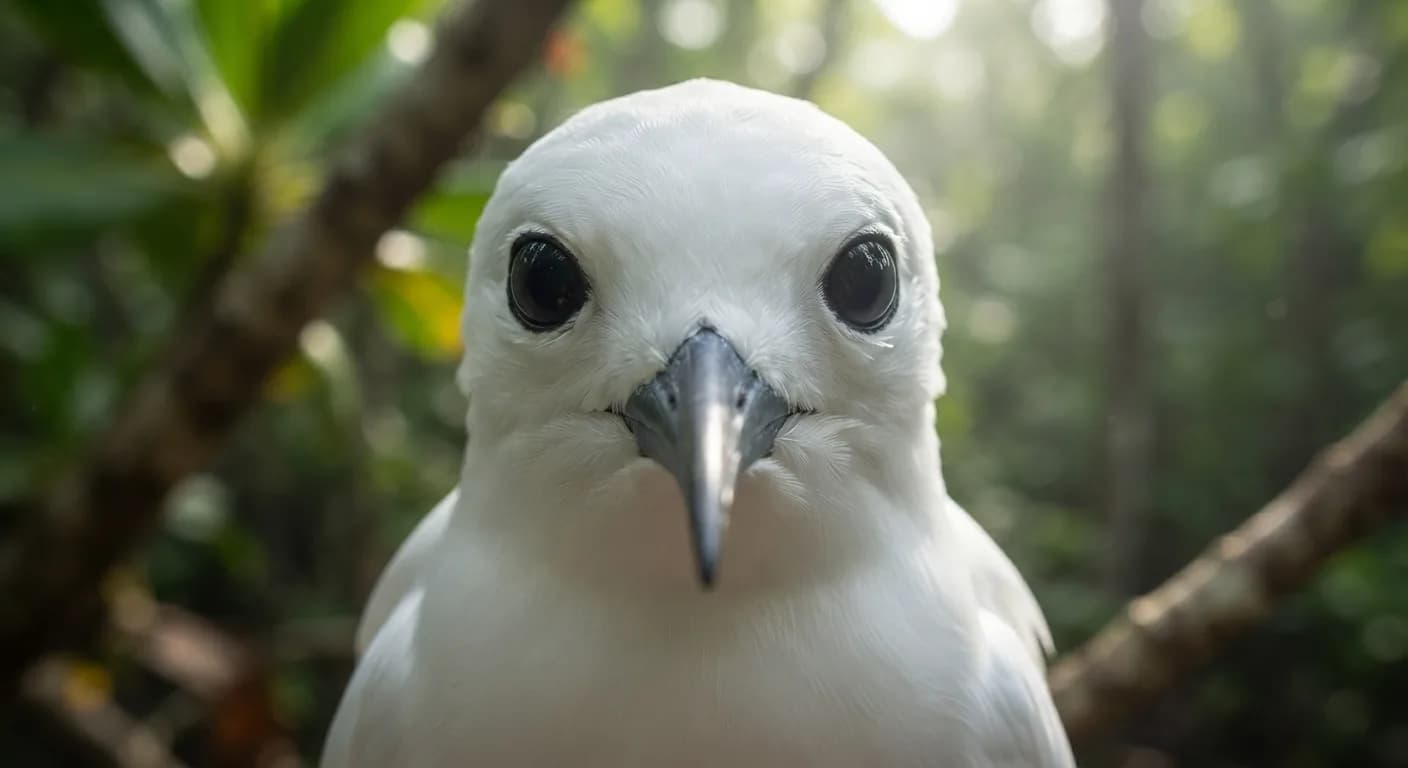 Least Concern
Atlantic White Tern
Gygis alba
 Least Concern
Sooty Tern
Onychoprion fuscatus
Pacific Golden Plover
Pluvialis fulva
Keep exploring
Based on what we already know about lesser frigatebird.
Comments
Share an experience, a fun fact or a tip for seeing the lesser frigatebird.
Be the first to comment.