One of the 26 sharks on WAnimals
Cartilaginous fish · Carcharhiniformes · Carcharhinidae
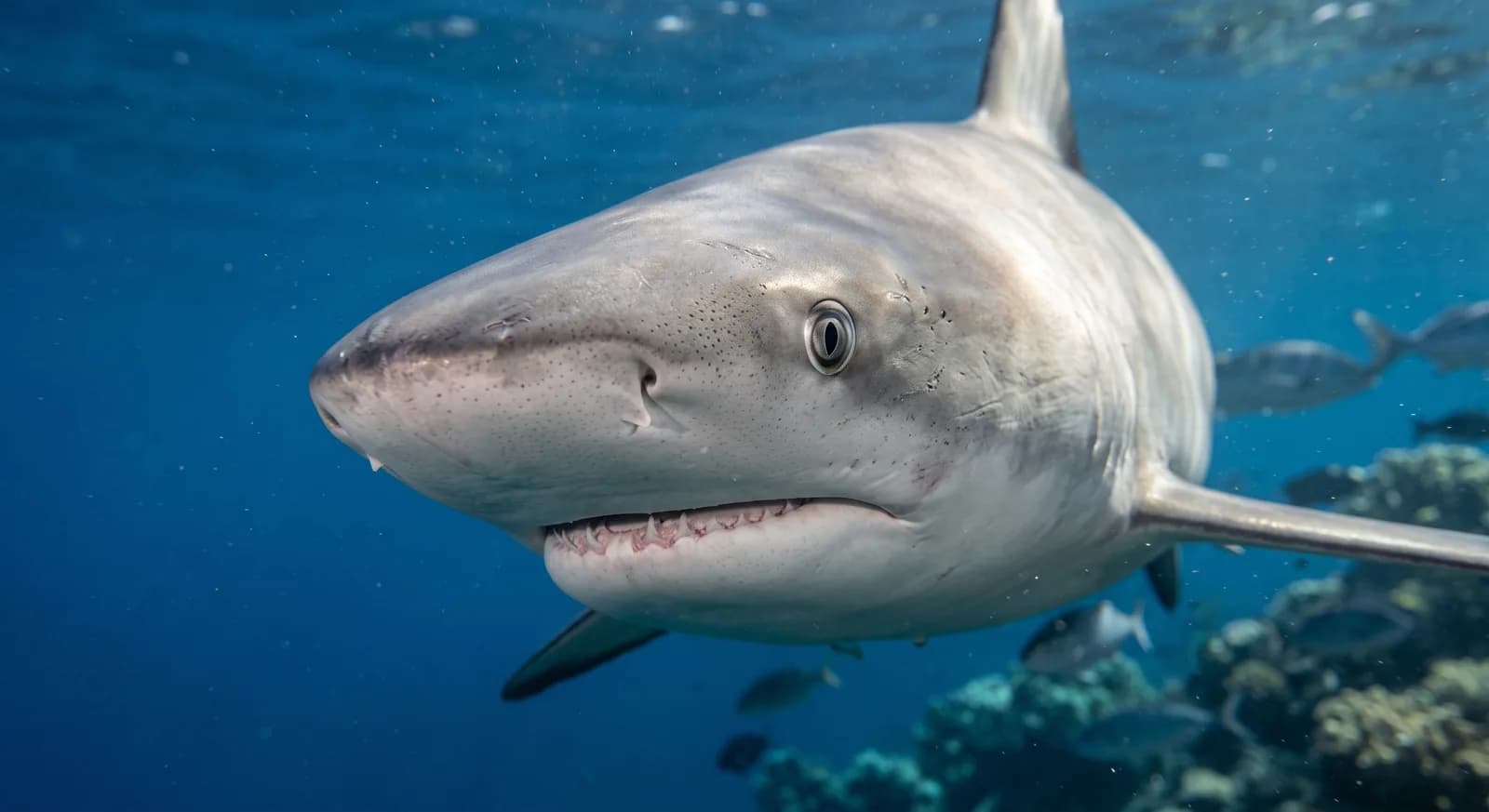
Galapagos Shark
Carcharhinus galapagensis
The species is abundant and widely distributed; it faces no significant short-term risk. See full glossary
The Galapagos shark is a large, slender grey requiem shark that gathers around oceanic islands and clear-water seamounts in all three oceans. It is an active predator of bottom-dwelling fish, cephalopods and other sharks.
Weight
47 kg on average
Size
2 m – 3.7 m
Diet
Carnivore
Feeds mainly on other animals.
Social structure
Colony
Lives in large concentrations, often for breeding reasons.
Sighting difficulty
Easy
Fun facts
- Before attacking it adopts an unmistakable threat posture, arching its back, dropping its pectoral fins and swimming in a zigzag, a warning that divers learn to recognise and respect.
- It lives tied to isolated islands and seamounts, and the populations of each archipelago barely mix, which leaves each of them vulnerable on its own.
- It is a long-lived, slow-breeding species, with litters of few pups after a gestation of about a year.
- Despite the name, it is not exclusive to the Galápagos: it was described there in 1905, but it is circumtropical and turns up at almost every oceanic island, from the Atlantic to the Pacific.
- It can cross stretches of open sea of at least 50 km between islands.
- It performs a very characteristic threat display before attacking: it arches its back, raises its head, lowers its pectoral fins and swims in a spiral. It is a warning, and it is wise to withdraw when it does so.
- Adults eat everything from fish and cephalopods to other sharks, marine iguanas and sea lions; juveniles stay in shallow water to avoid being preyed on by the adults.
- It is easily confused with the dusky shark; it is told apart by its taller dorsal fin.
Life cycle & biology
- Skeleton type
- Vertebrate - cartilaginous skeleton (chondrichthyan)
- Habitat & environment
- Clear water around tropical oceanic islands and seamounts
- Size at birth
- From 57 to 80 cm in total length
- Sexual maturity
- 7.7 years
- Litter / clutch size
- 8.7 (average)
Sources consulted: https://es.wikipedia.org/wiki/Carcharhinus_galapagensis
Where to find it
See its range on the interactive mapWhere to watch it
Parques y spots de buceo donde se ha documentado esta especie — se muestran 19 de 32 documentados.
Related species
Other species in the catalogue with the most in common with Galapagos Shark — same habitat, park, country, tags or family.
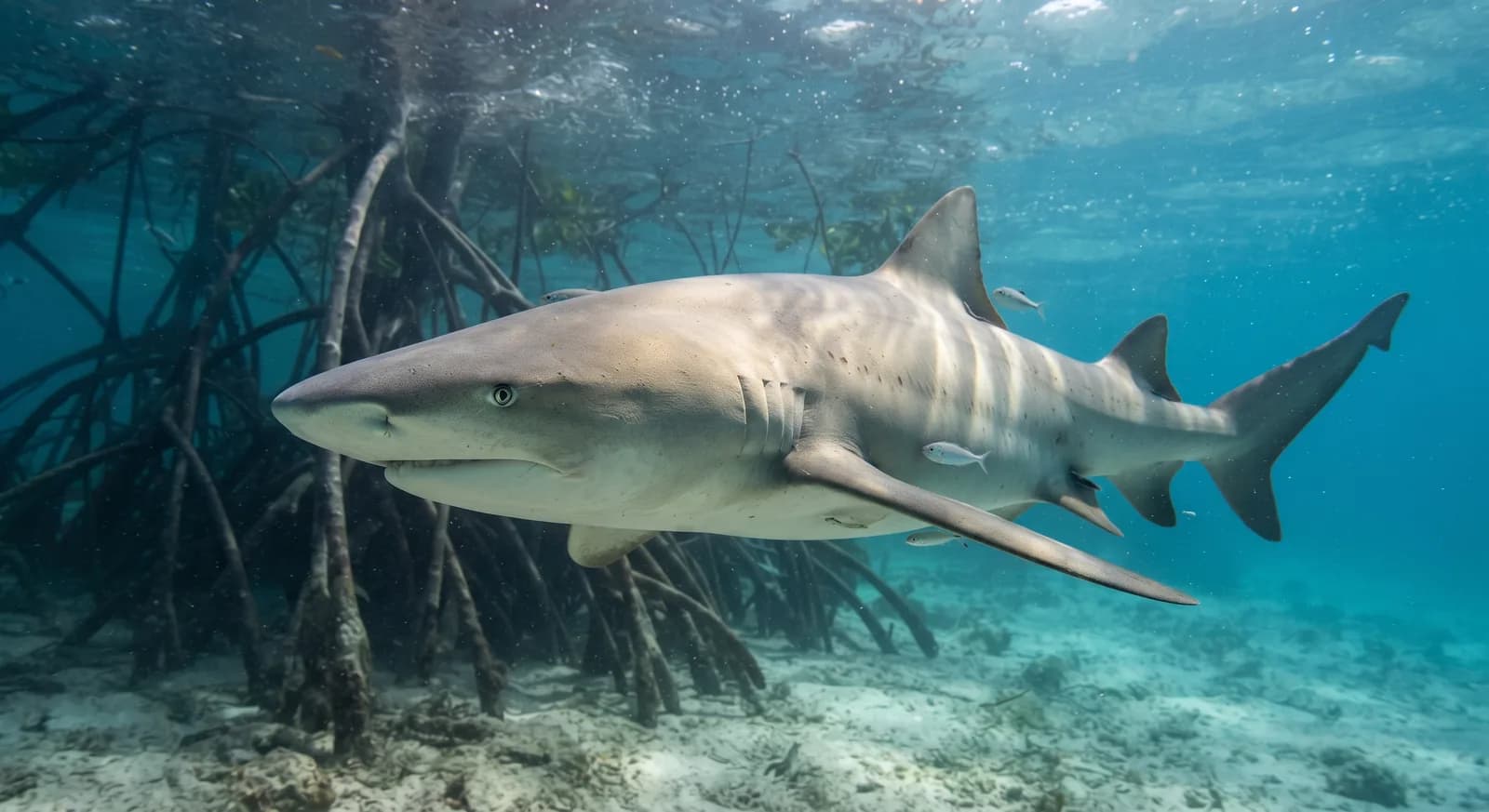 Vulnerable
Lemon Shark
Negaprion brevirostris
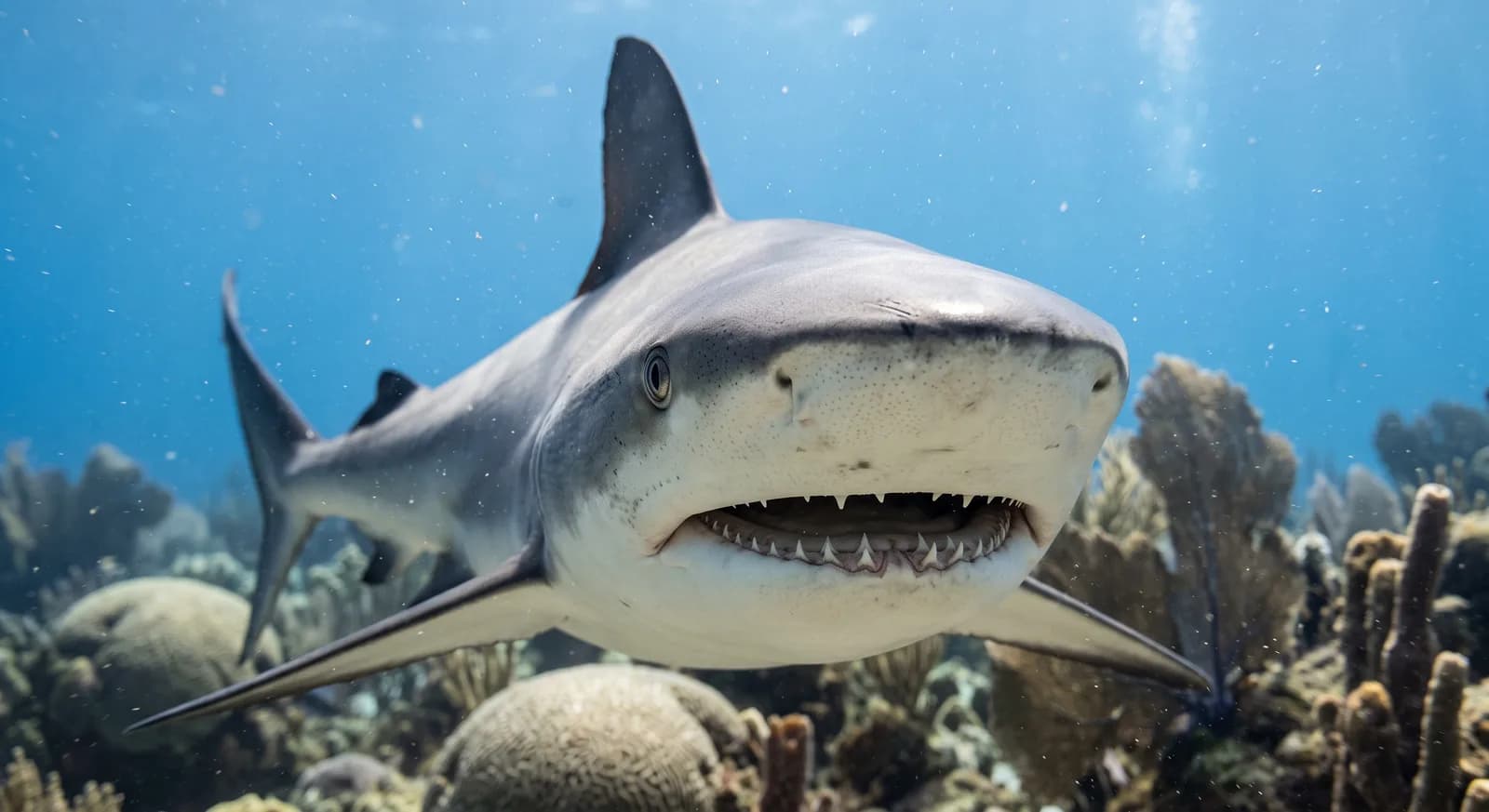 Endangered
Grey Reef Shark
Carcharhinus amblyrhynchos
Blacktip Reef Shark
Carcharhinus melanopterus
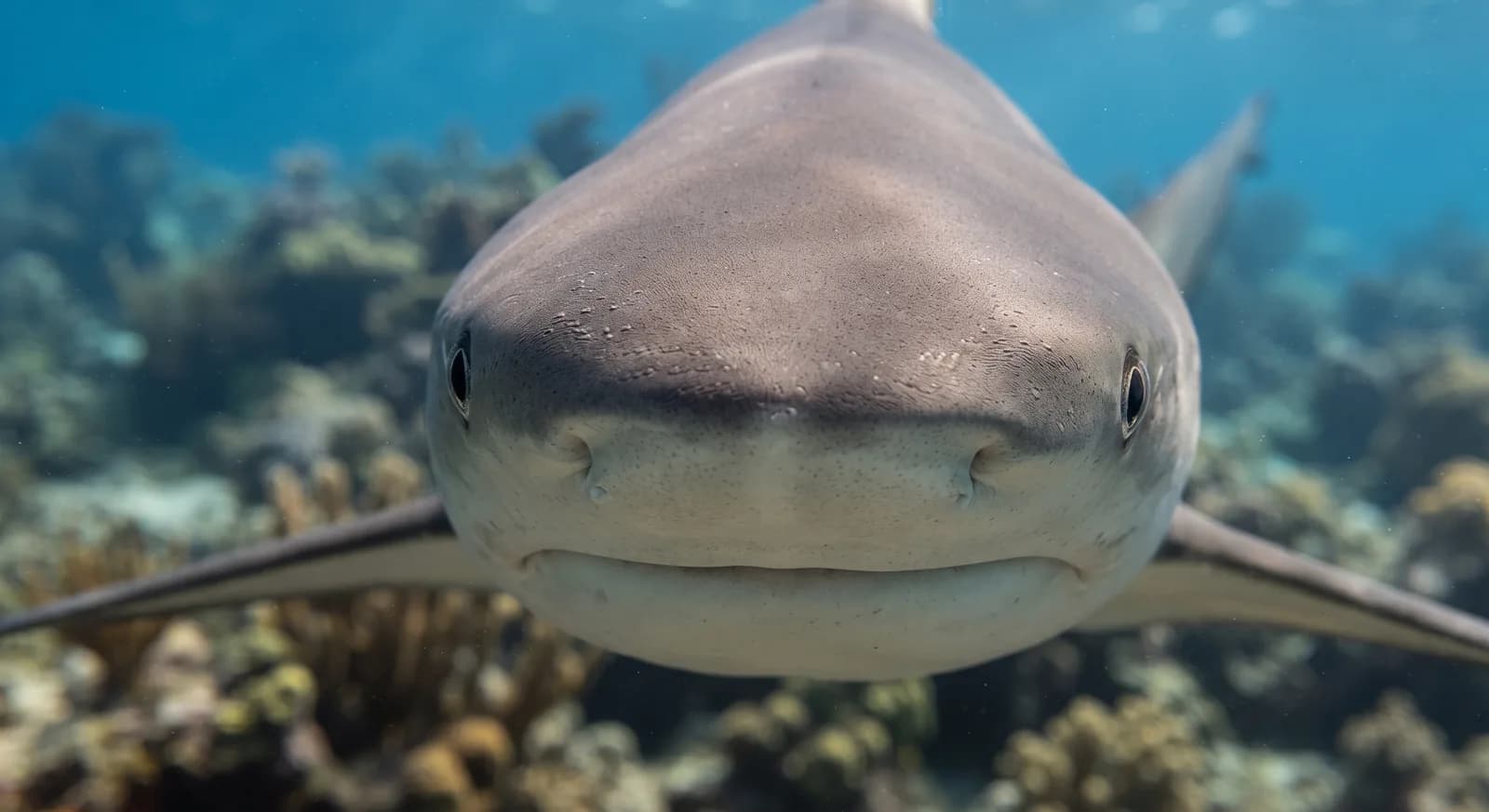 Endangered
Caribbean Reef Shark
Carcharhinus perezi
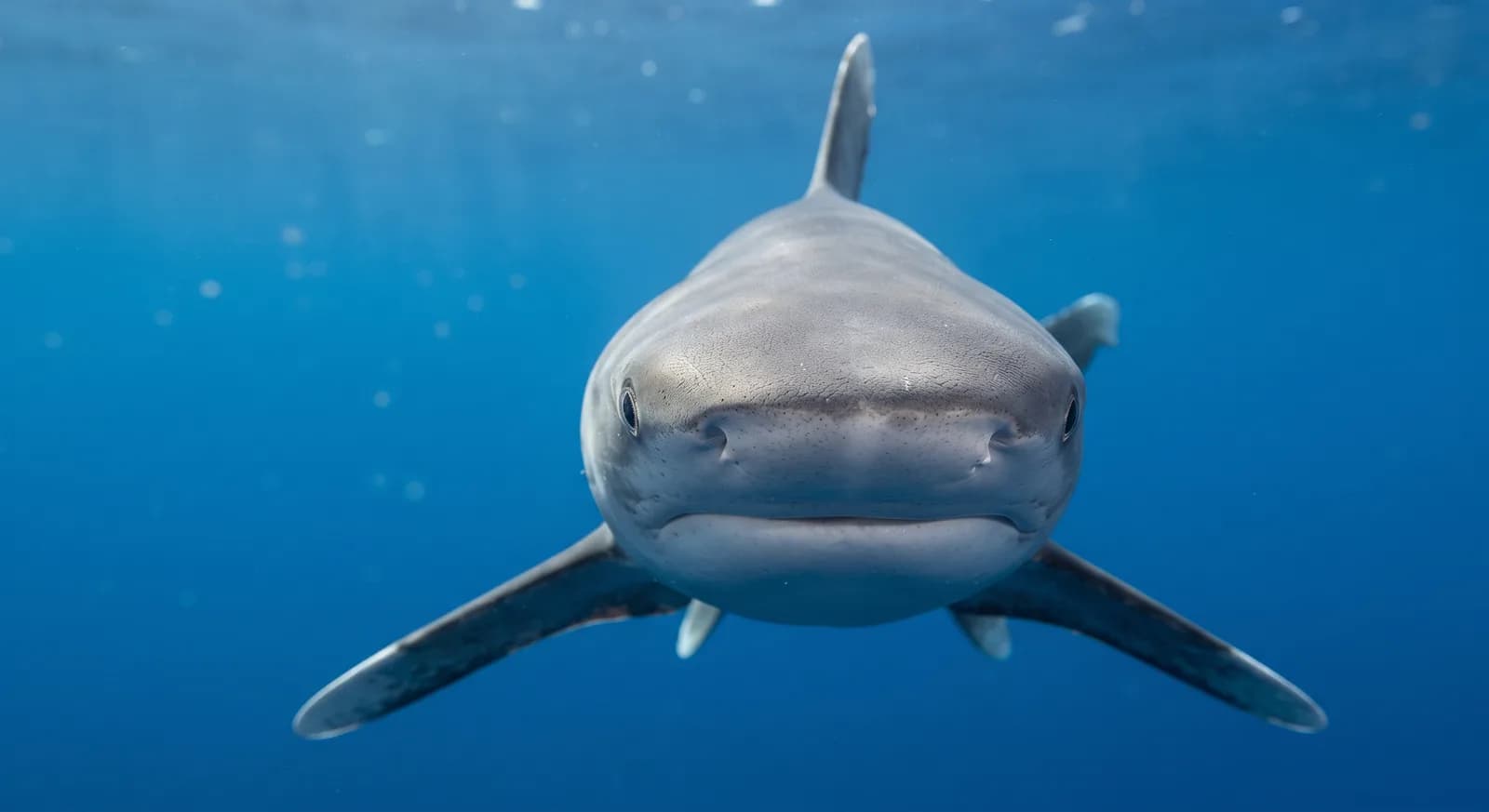 Critically Endangered
Oceanic Whitetip Shark
Carcharhinus longimanus
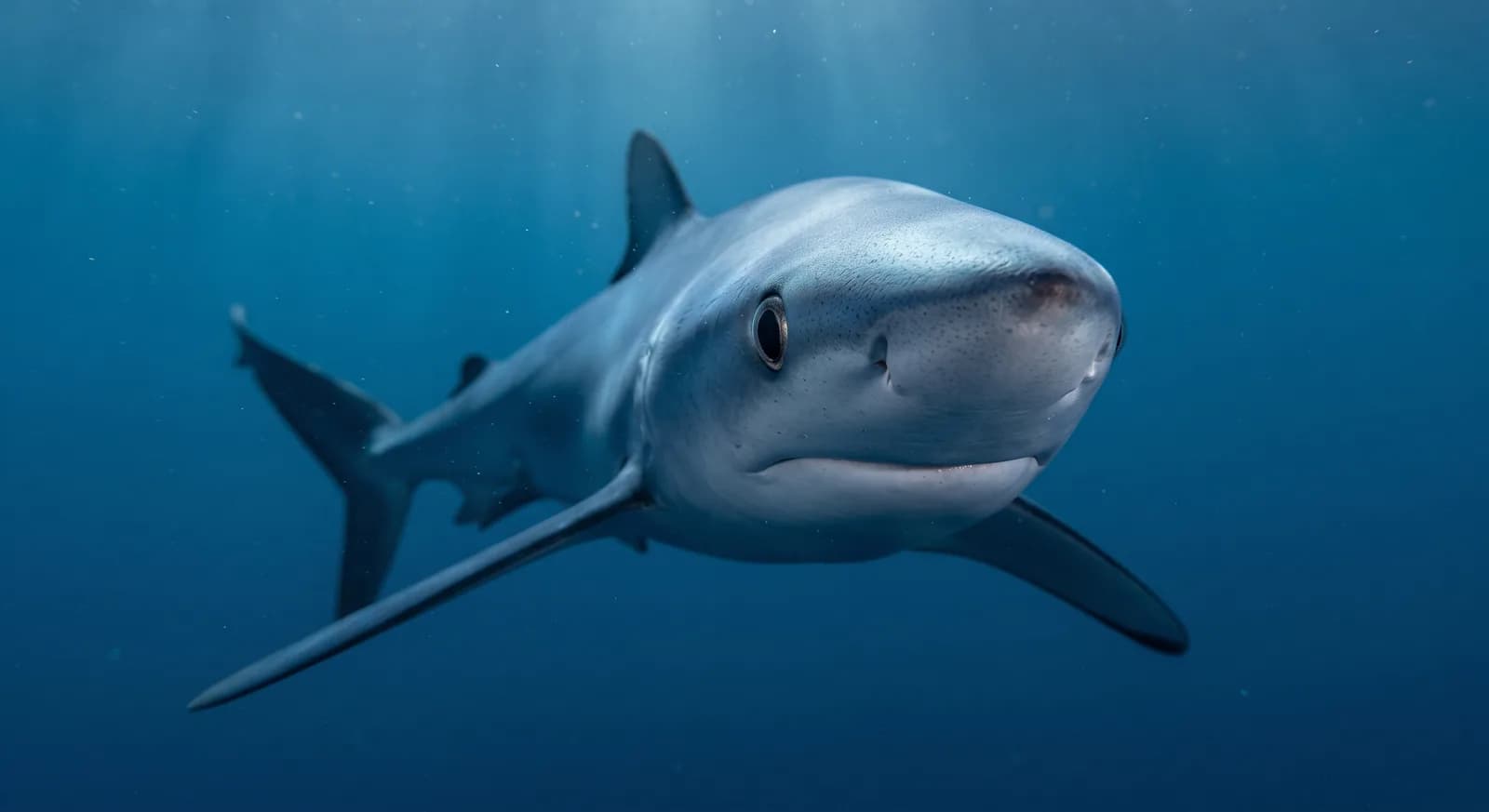 Near Threatened
Blue Shark
Prionace glauca
Keep exploring
Based on what we already know about galapagos shark.
Comments
Share an experience, a fun fact or a tip for seeing the galapagos shark.
Be the first to comment.