Papahānaumokuākea
United States · Overseas territoriesOne of the largest protected areas on the planet, a mixed property of islands and atolls in the north-western Hawaiian chain.
Area
362,075 km²
Declared in
2010
Region
Overseas territories
Climate
Tropical, Árido / desértico, Templado, Mediterráneo, Polar / frío
Best time
It depends on the region
Highlight
North-western Hawaiian atolls and seamounts
Papahānaumokuākea takes in the chain of islands, atolls, reefs and seamounts that stretches some 1,900 kilometres north-west of the main Hawaiian archipelago. UNESCO inscribed it in 2010 as a MIXED property, recognising both its natural values and its cultural significance for the Hawaiian people.
Its natural dimension is hard to overstate: it is one of the largest protected marine areas in the world and holds practically intact reef ecosystems, with a very high proportion of endemic species, more than half in some groups. It is the last refuge of the Hawaiian monk seal, one of the most threatened pinnipeds on the planet, a nesting ground for the Hawaiian green turtle and home to millions of seabirds, among them the largest Laysan albatross colony in the world and land species confined to a single atoll, such as the Laysan duck.
The cultural component is inseparable: the name alludes to Papahānaumoku and Wākea, the deities from whom, in Hawaiian cosmogony, the archipelago and its people descend. The islands of Nihoa and Mokumanamana preserve archaeological sites with temples and cultivation terraces, and Mokumanamana lies exactly on the Tropic of Cancer, a point of great significance in Hawaiian cosmology as the boundary between the world of the living and that of the ancestors. Management is shared between federal agencies, the state of Hawaii and the Office of Hawaiian Affairs.
Location
See on the interactive map28 species documented in Papahānaumokuākea
At conservation risk:Cachalote,Foca monje de Hawái,Manta gigante oceánica,Petrel hawaiano,Tiburón sedoso,Tiburón zorro
Endemic to United States:Foca monje de Hawái
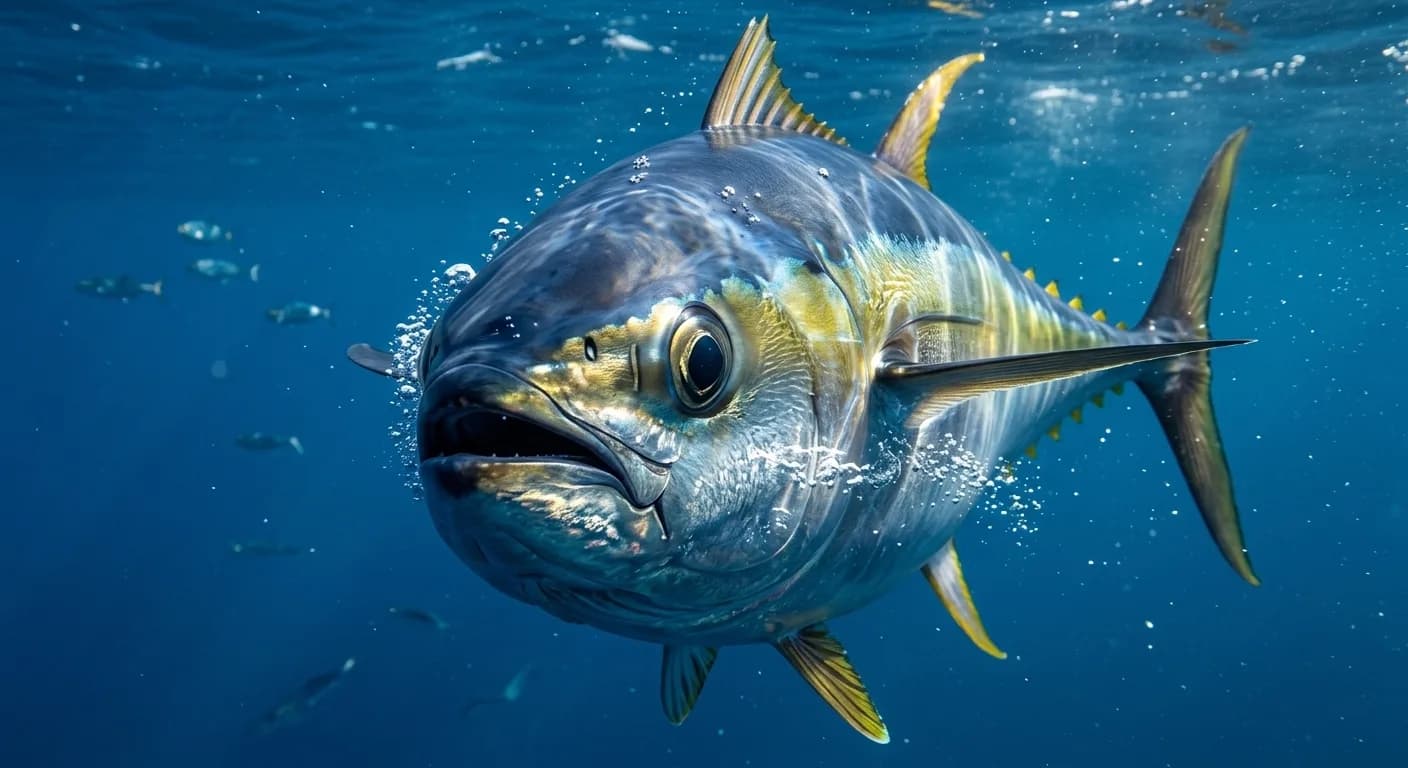 Least Concern
Atún de aleta amarilla
Thunnus albacares
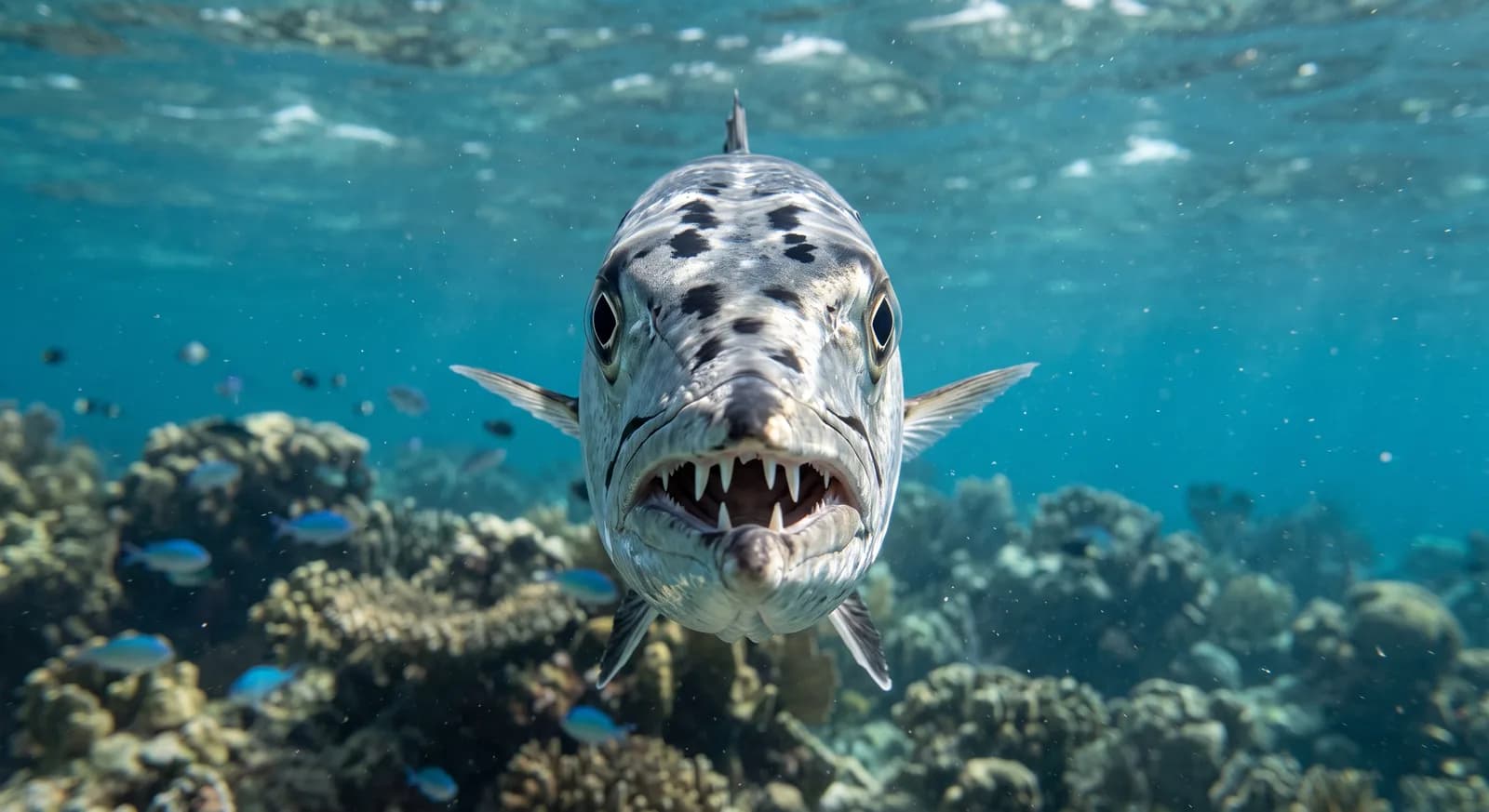 Least Concern
Barracuda
Sphyraena barracuda
Bonito listado
Katsuwonus pelamis
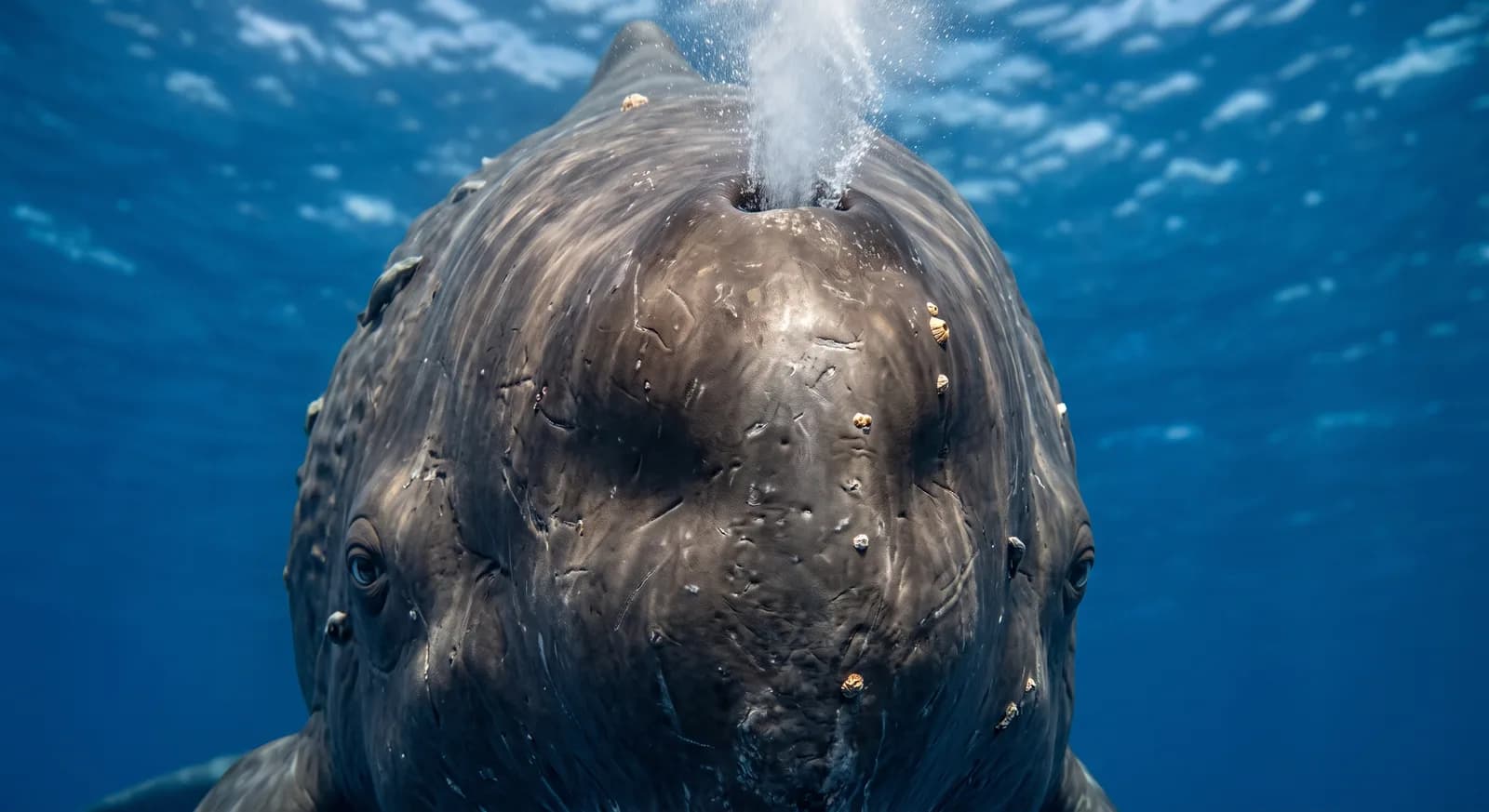 Vulnerable
Cachalote
Physeter macrocephalus
Cachalote enano
Kogia sima
Cachalote pigmeo
Kogia breviceps
Calamar hawaiano de espadín
Euprymna scolopes
Carabela portuguesa
Physalia physalis
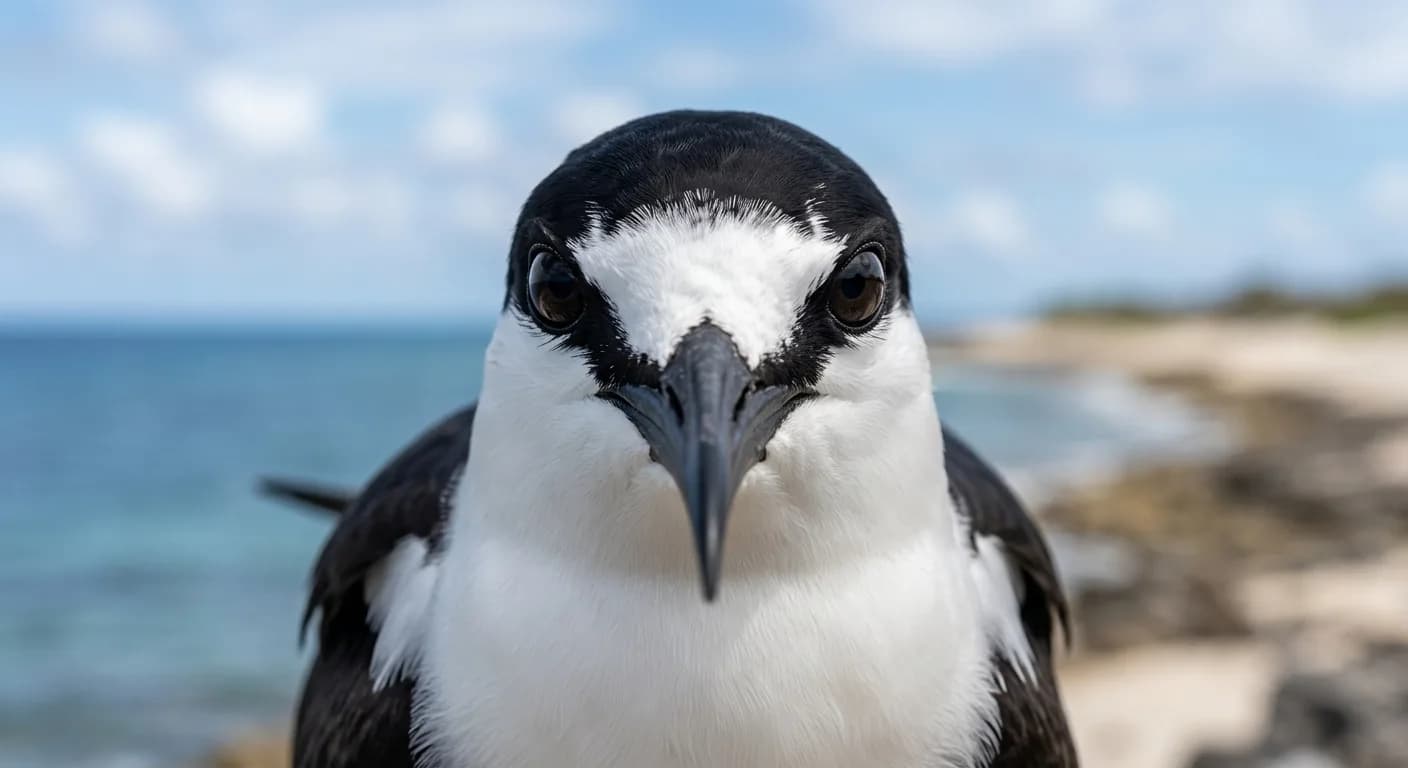 Least Concern
Charrán sombrío
Onychoprion fuscatus
Chorlito dorado del Pacífico
Pluvialis fulva
Cirujano amarillo
Zebrasoma flavescens
Coral negro de Hawái
Antipathes griggi
Flora and ecosystems
Ecosystems found in United States, where Papahānaumokuākea lies.
Experiences in this park
Wildlife you can see now
What is worth watching this month in United States?
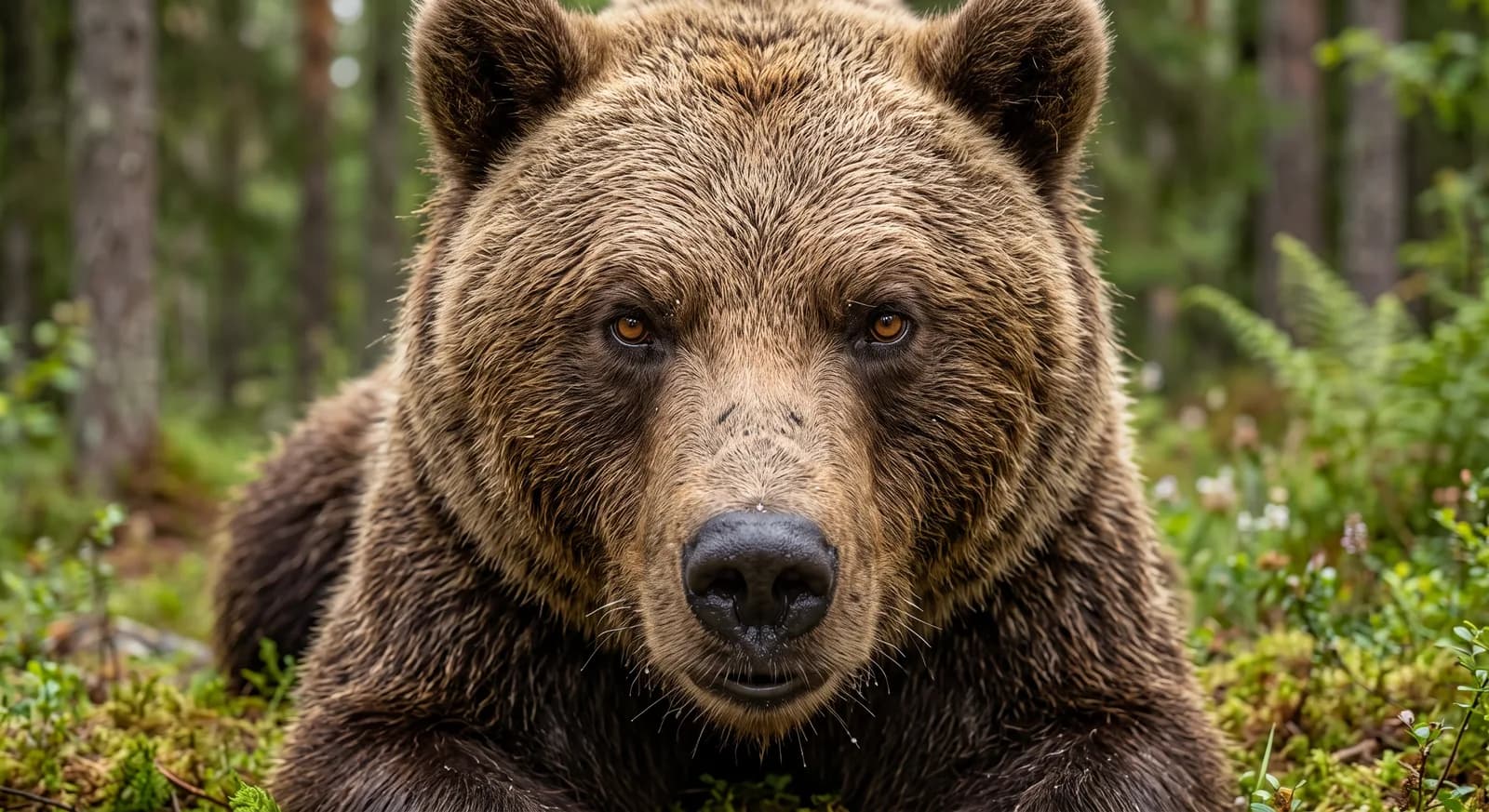 Least Concern
Brown Bear
Ursus arctos
Ahora es buena época: Osos pardos pescando salmón en Brooks Falls (Junio a septiembre (pico en julio))
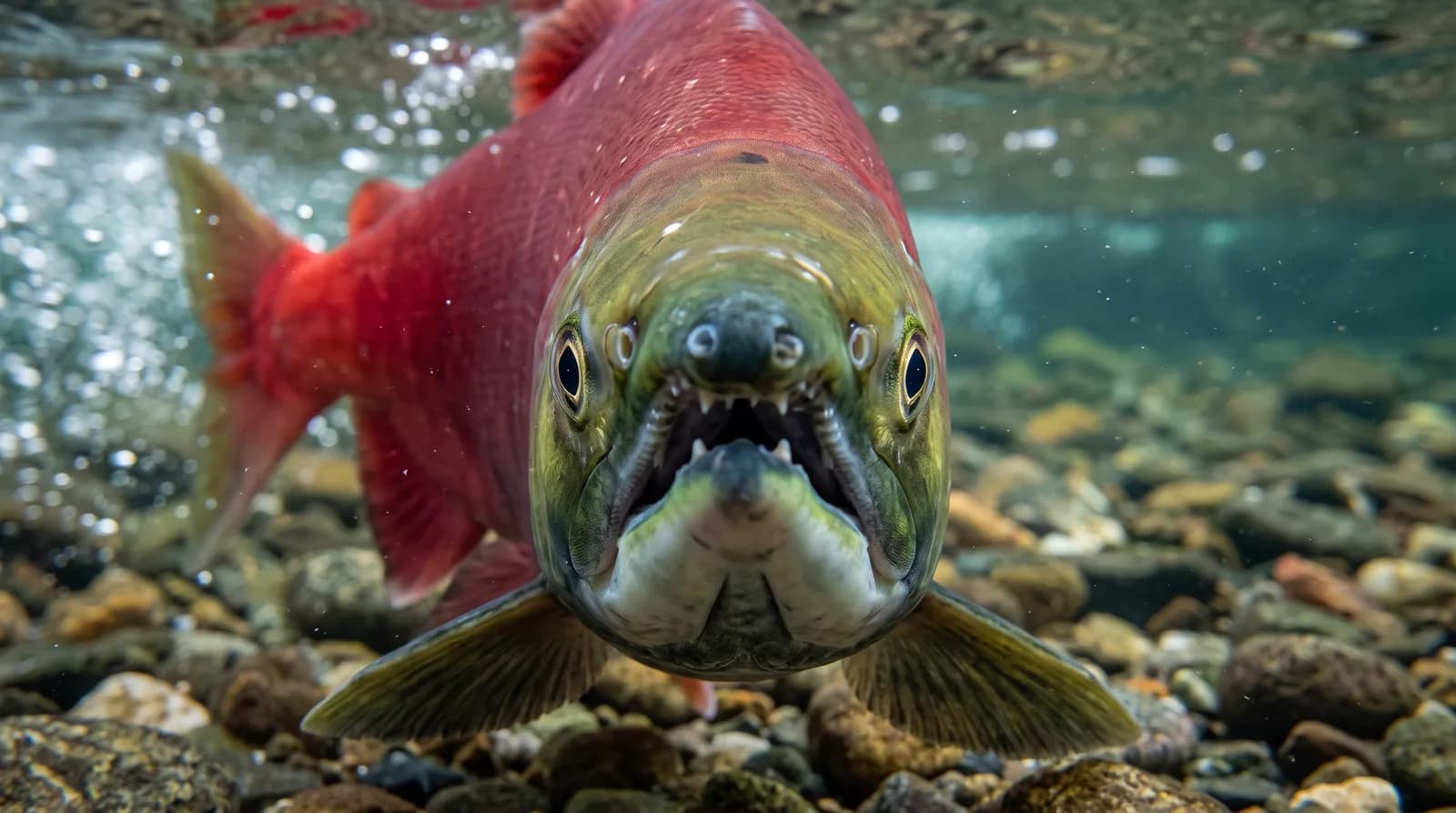 Least Concern
Sockeye Salmon
Oncorhynchus nerka
Ahora es buena época: Osos pardos pescando salmón en Brooks Falls (Junio a septiembre (pico en julio))
Similar parks
Which other parks are like this one?
Gran Cañón
United States
California condor · Bighorn sheep
Depende de la región
View parkMismo país: United States
Hot Springs
United States
White-tailed Deer · Grey Squirrel
Depende de la región
View parkMismo país: United States
Sequoia National Park
United States
Depende de la región
View parkMismo país: United States
Theodore Roosevelt
United States
American bison · wild horse
Depende de la región
View parkMismo país: United States
Keep exploring
Based on what we already know about Papahānaumokuākea.
Your rating
How many stars would you give Papahānaumokuākea?
Comments
Share your experience visiting Papahānaumokuākea, or a tip for other travellers.
Be the first to comment.