One of the 3 sperm whales on WAnimals
Mammals · Artiodactyla · Kogiidae
Dwarf Sperm Whale
Kogia sima
The species is abundant and widely distributed; it faces no significant short-term risk. See full glossary
The dwarf sperm whale is the smallest of the cetaceans known as sperm whales and one of the hardest odontocetes to observe: unobtrusive, slow-moving and with hardly any visible blow, it is known mainly from stranded animals. It feeds on squid, octopus and deep-water fish. It shares with the pygmy sperm whale (Kogia breviceps) a surprising feature, an intestinal sac filled with dark fluid that it uses as a chemical defence.
Weight
135 kg – 275 kg
Size
2.1 m – 2.7 m
Lifespan
22 years
Diet
Carnivore
Feeds mainly on other animals.
Social structure
Family group
Lives in small family groups with close bonds.
Sighting difficulty
Easy
Fun facts
- GeneralIt releases a cloud of reddish fluid, like a curtain of ink, to escape.
- When threatened it releases a cloud of reddish fluid from an intestinal sac, creating a smokescreen under water just as a squid does with its ink.
- Behind the eye it has a pale crescent-shaped mark, known as a false gill, which gives it a deceptive resemblance to a small shark.
- It defends itself like a squid. The two Kogia species are the only cetaceans able to expel a cloud of ink: they contract a sac in the intestine and release up to twelve litres of a reddish-brown liquid that forms a screen and buys them time to escape.
- It is the smallest cetacean to be called a whale: it does not exceed 2.7 m, less than a bottlenose dolphin.
- It feeds by suction, mostly on squid from mid and deep waters, along with fish and crustaceans.
- Almost everything known about it comes from strandings: it is among the deep-water cetaceans that strand most often, and at the same time among the hardest to see alive at sea.
- It does not leap when it dives: it sinks vertically, without raising its tail or making a splash, and at the surface it floats motionless, showing only the back of its head and the dorsal fin.
- Until 1966 it was considered the same species as the pygmy sperm whale; the two are told apart above all by the position of the dorsal fin, which sits further forward in this species.
Life cycle & biology
- Skeleton type
- Vertebrate - internal bony skeleton (mammal)
- Habitat & environment
- Deep waters over the continental slope in temperate and tropical seas worldwide
- Gestation / incubation
- 9-11 months
- Litter / clutch size
- 1
Sources consulted: https://es.wikipedia.org/wiki/Kogia_sima
Where to find it
See its range on the interactive mapWhere to watch it
Parques y spots de buceo donde se ha documentado esta especie — se muestran 10 de 57 documentados.
Related species
Other species in the catalogue with the most in common with Dwarf Sperm Whale — same habitat, park, country, tags or family.
Pygmy Sperm Whale
Kogia breviceps
Greater Bulldog Bat
Noctilio leporinus
 Least Concern
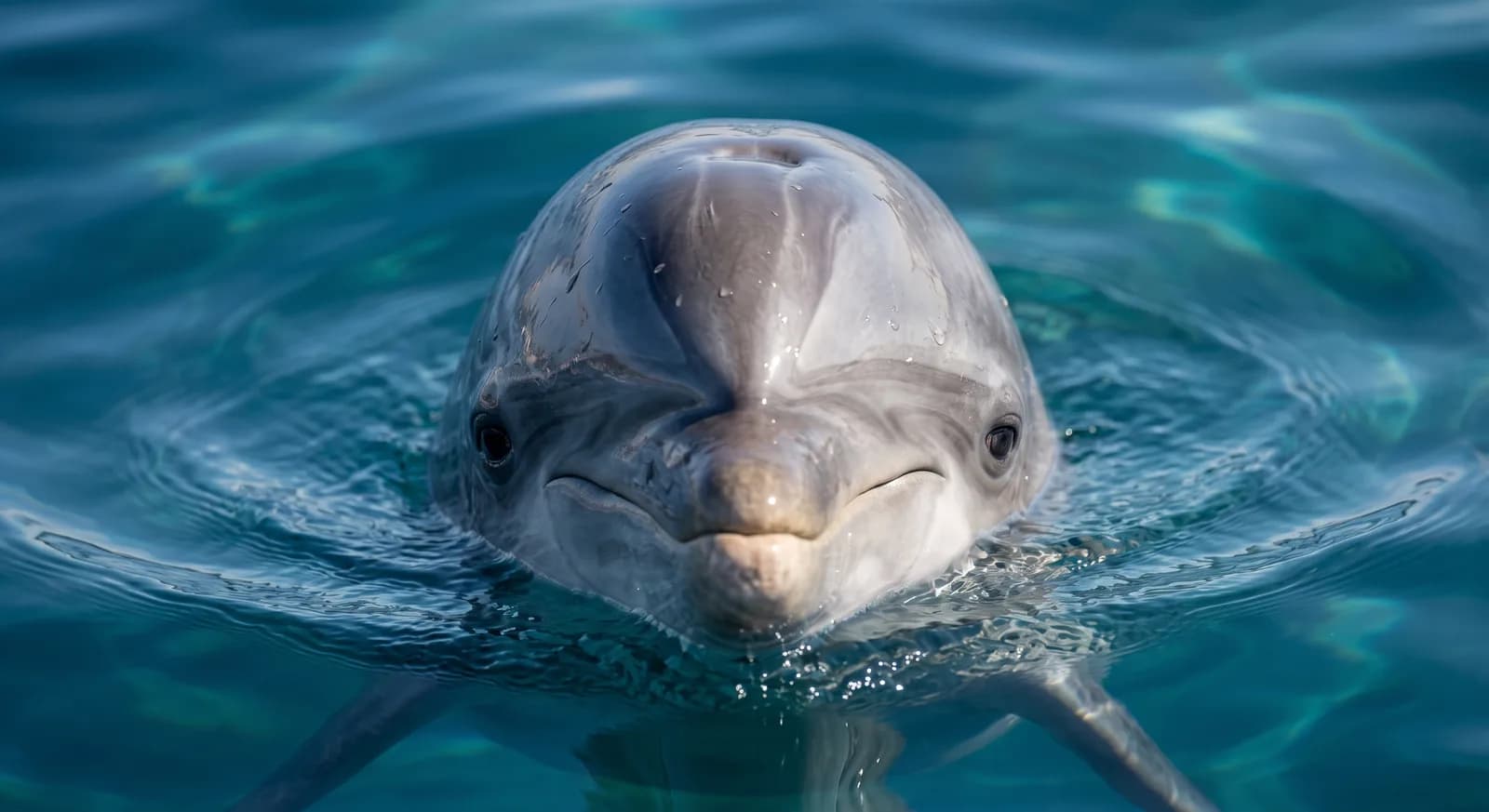
Bottlenose Dolphin
Tursiops truncatus
 Vulnerable
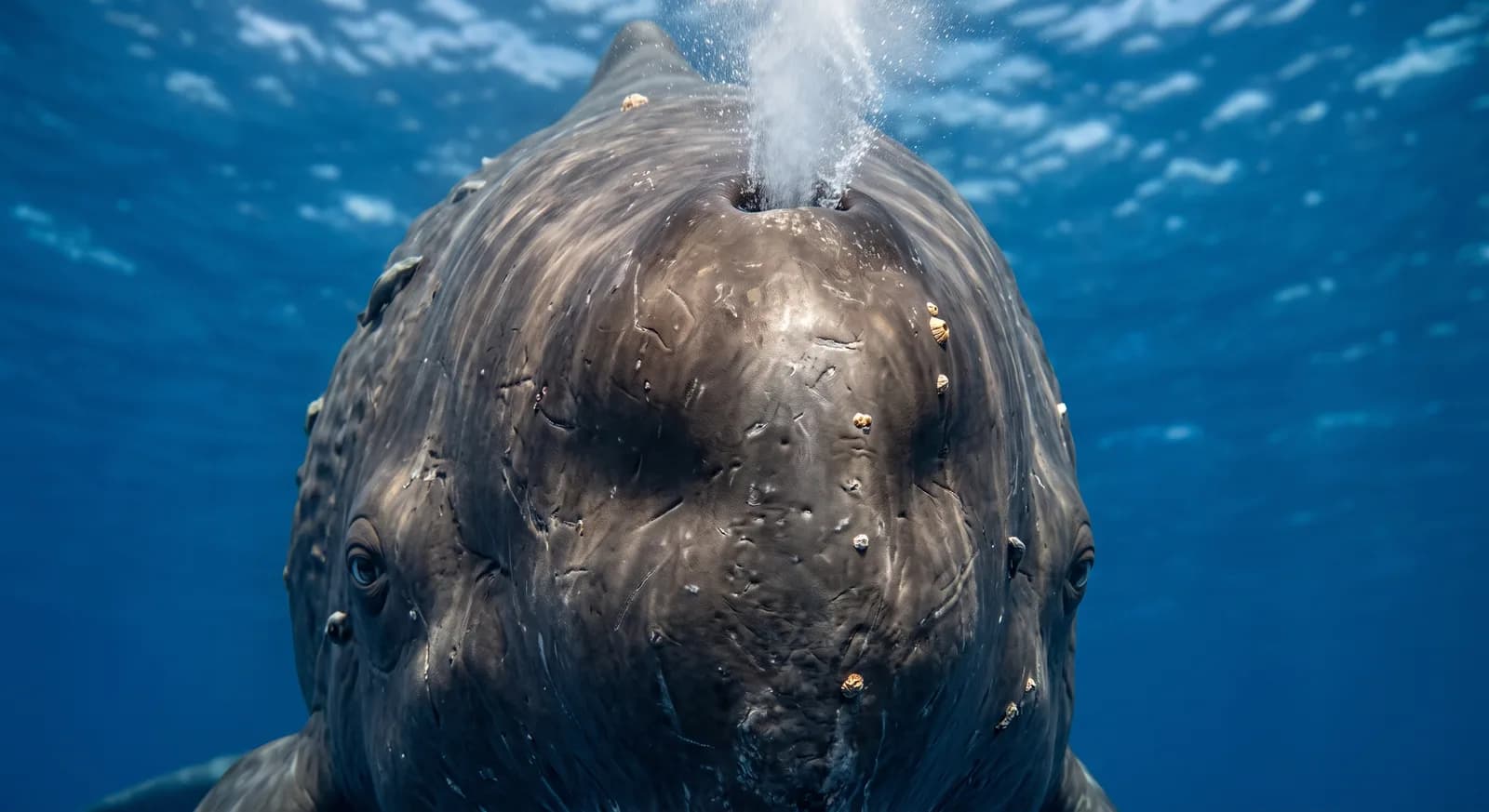
Sperm Whale
Physeter macrocephalus
Cuvier's Beaked Whale
Ziphius cavirostris
Keep exploring
Based on what we already know about dwarf sperm whale.
Comments
Share an experience, a fun fact or a tip for seeing the dwarf sperm whale.
Be the first to comment.