One of the 13 seals on WAnimals
Mammals · Carnivora · Phocidae
Hawaiian Monk Seal
Neomonachus schauinslandi
It faces a very high risk of extinction in the wild in the near future. See full glossary
The Hawaiian monk seal is one of the most threatened pinnipeds on the planet and one of only two land mammals endemic to Hawaii, along with the bat Lasiurus semotus. It lives mainly on the uninhabited islands of the north-west of the archipelago, though a growing share of the population now breeds on the main islands. It dives for octopus, lobster, eels and reef fish, often to more than 100 metres. After decades of decline, the population has been slowly recovering for several years.
Weight
150 kg – 270 kg
Size
2.1 m – 2.4 m
Lifespan
30 years
Diet
Carnivore
Feeds mainly on other animals.
Activity
Diurnal
Active mainly during the day.
Social structure
Solitary
Lives and hunts alone, joining others only to breed.
Sighting difficulty
Hard
Estimated population
Some 1,600 individuals (a NOAA Fisheries estimate)
Fun facts
- In Hawaiian it is called ilio holo i ka uaua, meaning the dog that runs in rough water.
- It is one of only two tropical seals left: its Caribbean relative became extinct in the 20th century and the Mediterranean one remains endangered.
Life cycle & biology
- Skeleton type
- Vertebrate - internal bony skeleton (mammal)
- Habitat & environment
- Sandy beaches, islets and shallow reefs of the Hawaiian archipelago
- Sexual maturity
- 5 years
- Gestation / incubation
- 11 months
- Litter / clutch size
- 1
Sources consulted: https://es.wikipedia.org/wiki/Neomonachus_schauinslandi
Where to watch it
Parks and dive sites where this species has been documented.
Related species
Other species in the catalogue with the most in common with Hawaiian Monk Seal — same habitat, park, country, tags or family.
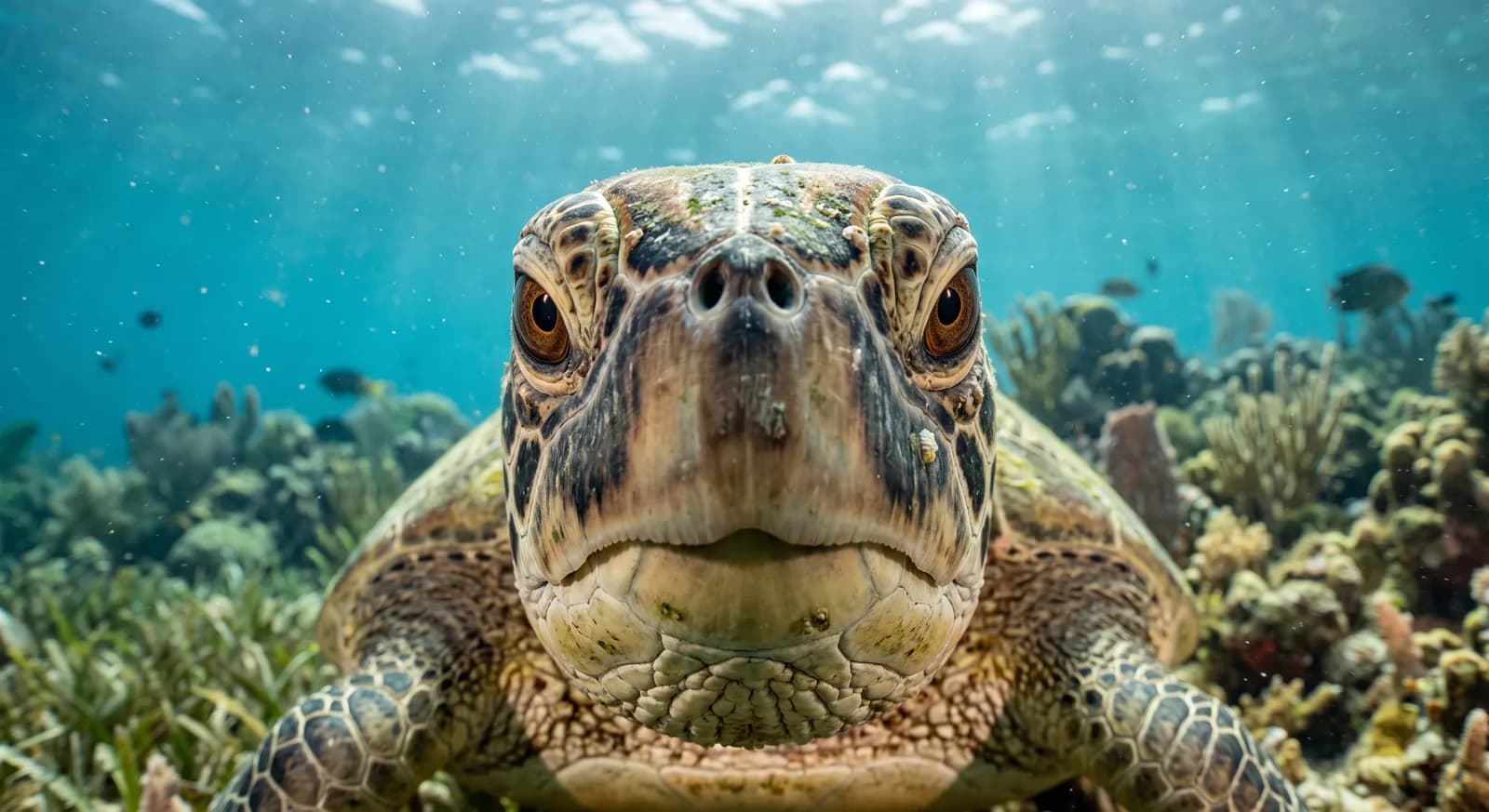 Endangered
Green Turtle
Chelonia mydas
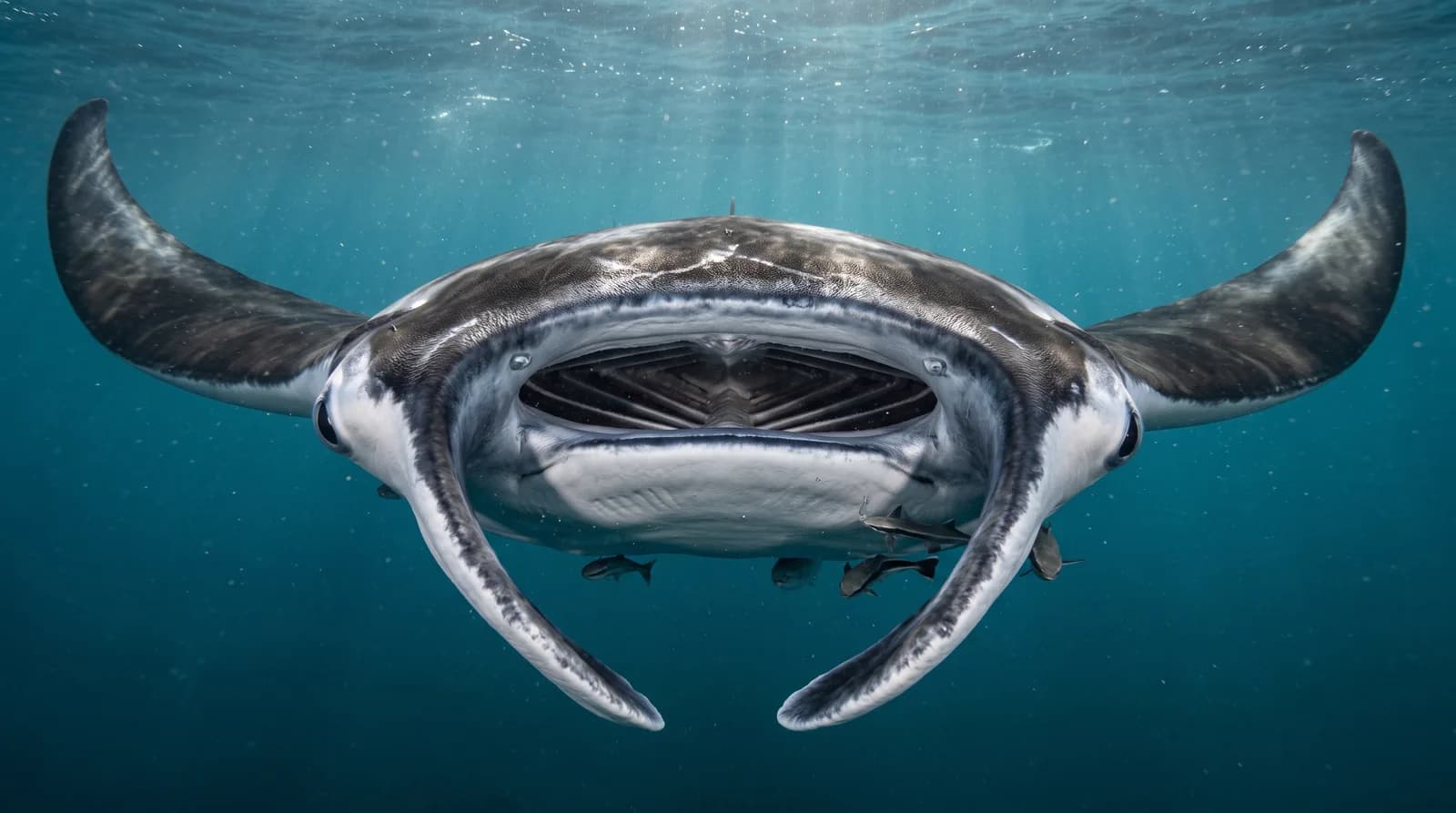 Endangered
Giant Manta
Mobula birostris
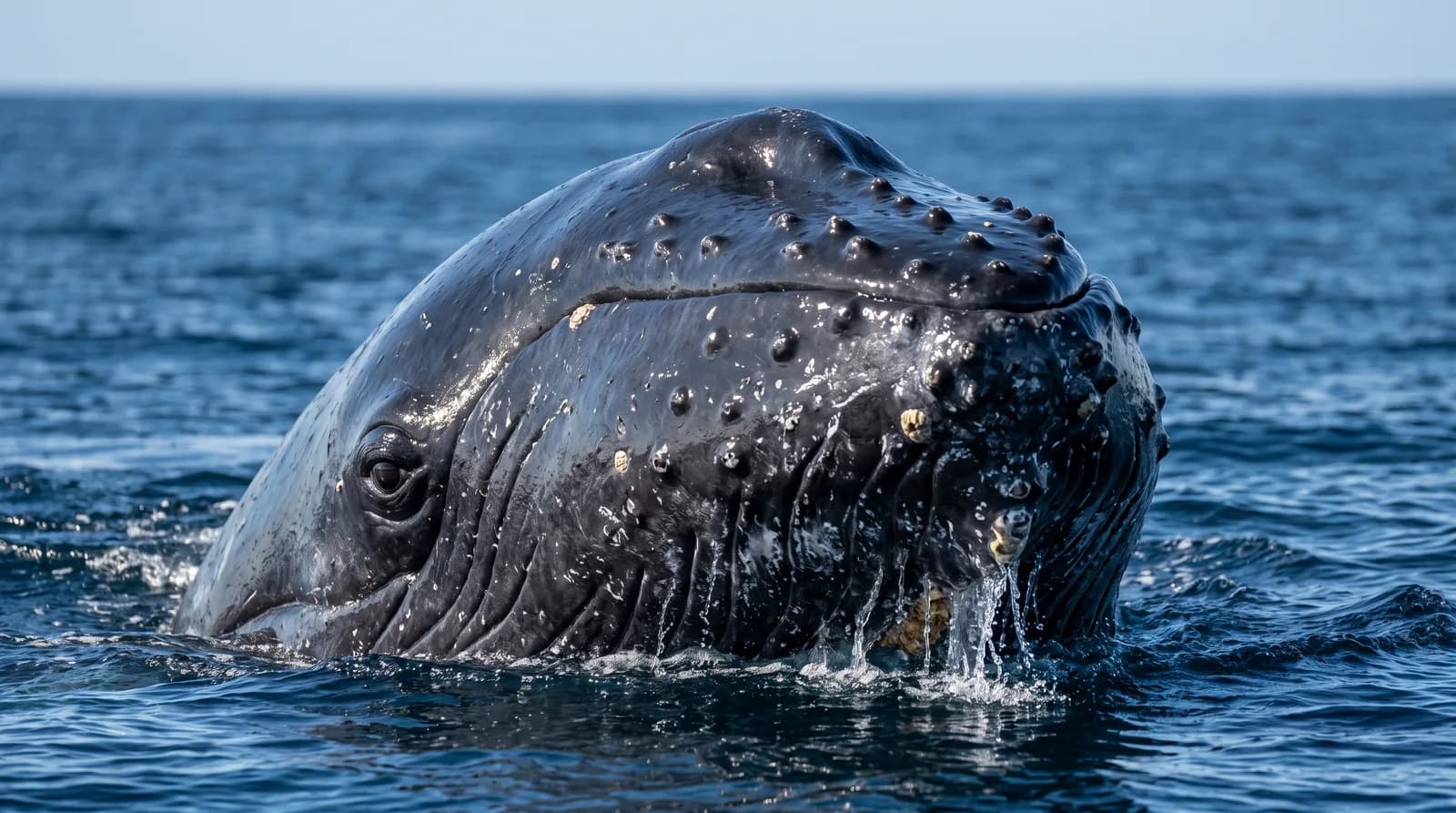 Least Concern
Humpback Whale
Megaptera novaeangliae
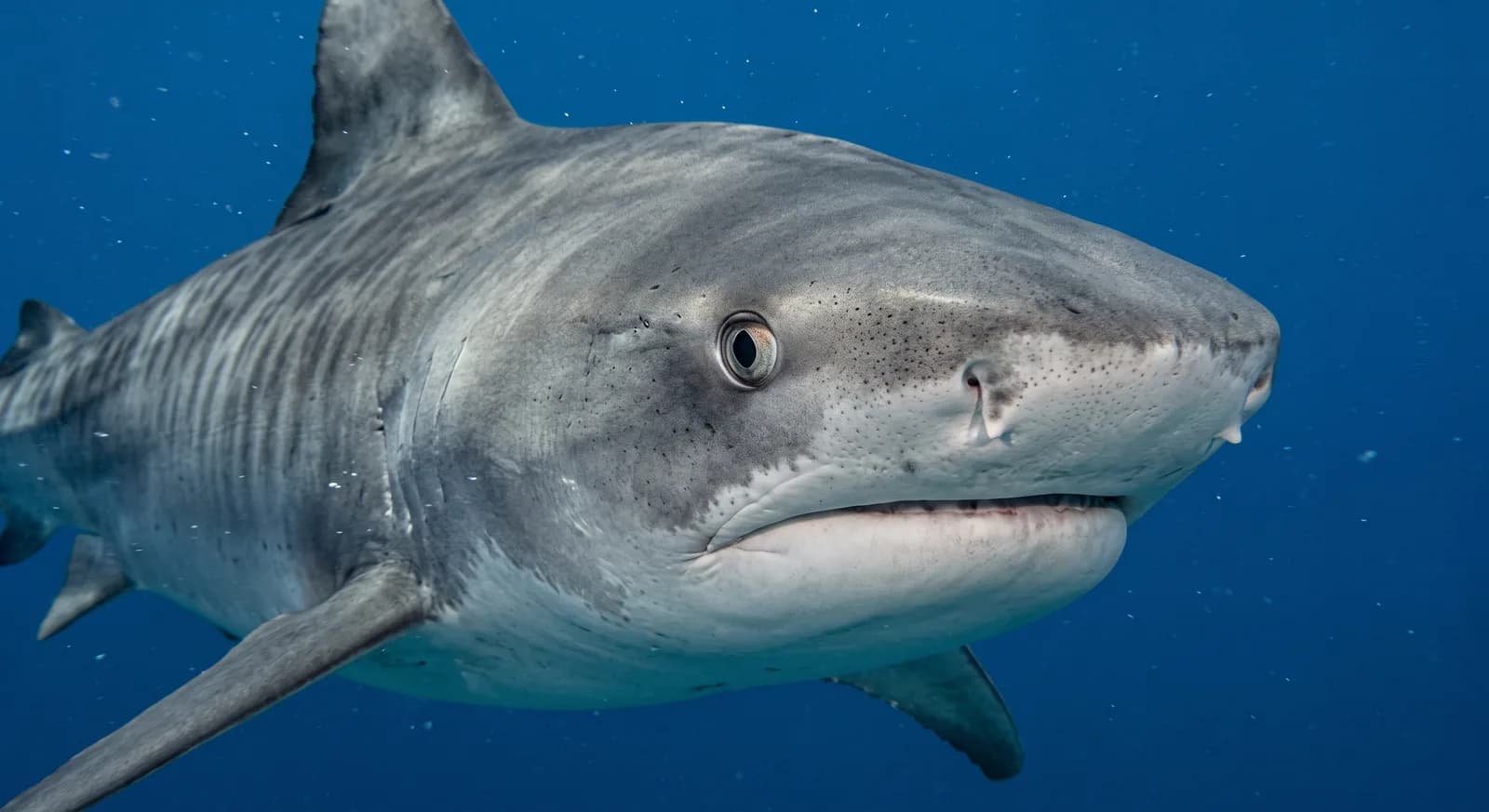 Near Threatened
Tiger Shark
Galeocerdo cuvier
Skipjack
Katsuwonus pelamis
Hawaiian Bobtail
Euprymna scolopes
How to help
The hawaiian monk seal is classified as endangered. Organizations such as UICN, WWF y Wildlife Conservation Society work specifically on its conservation and that of its habitat; looking into their programs is a good starting point if you want to get involved.
It's documented in 4 real protected areas — part of why protecting these places matters for its conservation.
Keep exploring
Based on what we already know about hawaiian monk seal.
Comments
Share an experience, a fun fact or a tip for seeing the hawaiian monk seal.
Be the first to comment.