One of the 6 squid on WAnimals
Cephalopods · Sepiida · Sepiolidae
Hawaiian Bobtail
Euprymna scolopes
There is not enough information to assess its risk of extinction. See full glossary
Euprymna scolopes, the Hawaiian bobtail squid, is a species of Sepiolida in the family Sepiolidae native to the central Pacific Ocean, occurring in shallow coastal waters off the Hawaiian Islands and the Midway Islands. The type specimen was collected off Hawaii and is held at the National Museum of Natural History, Washington, DC.
Size
up to 3 cm
Lifespan
1 years
Diet
Carnivore
Feeds mainly on other animals.
Activity
Nocturnal
Active mainly at night.
Social structure
Solitary
Lives and hunts alone, joining others only to breed.
Sighting difficulty
Unknown
Fun facts
- In a light organ in its mantle it houses a single bacterium, Vibrio fischeri, whose light it uses for counter-illumination: it matches the moonlight coming from above and erases its own silhouette from the view of predators below.
- It is born without the bacterium. Each generation recruits it from seawater within hours, even though Vibrio fischeri makes up less than 0.1 % of the bacteria present. And if it is absent, no other bacterium will colonise the organ.
- Every dawn it expels most of its bacteria and those left multiply again through the day, in a daily cycle.
- It can regulate how much light its symbionts produce according to how much reaches it from the surface.
- This partnership is one of the most important model systems in biology: bacterial quorum sensing was discovered with it, and it has been used to study how a microbiome establishes itself, how bacteria drive animal development and how pathogenicity evolves.
Life cycle & biology
- Habitat & environment
- Shallow sandy bottoms of the Hawaiian Islands, mostly seagrass meadows and sand flats; it buries itself by day and comes out to hunt at night
Sources consulted: https://es.wikipedia.org/wiki/Euprymna_scolopes
Where to watch it
Parks and dive sites where this species has been documented.
Related species
Other species in the catalogue with the most in common with Hawaiian Bobtail — same habitat, park, country, tags or family.
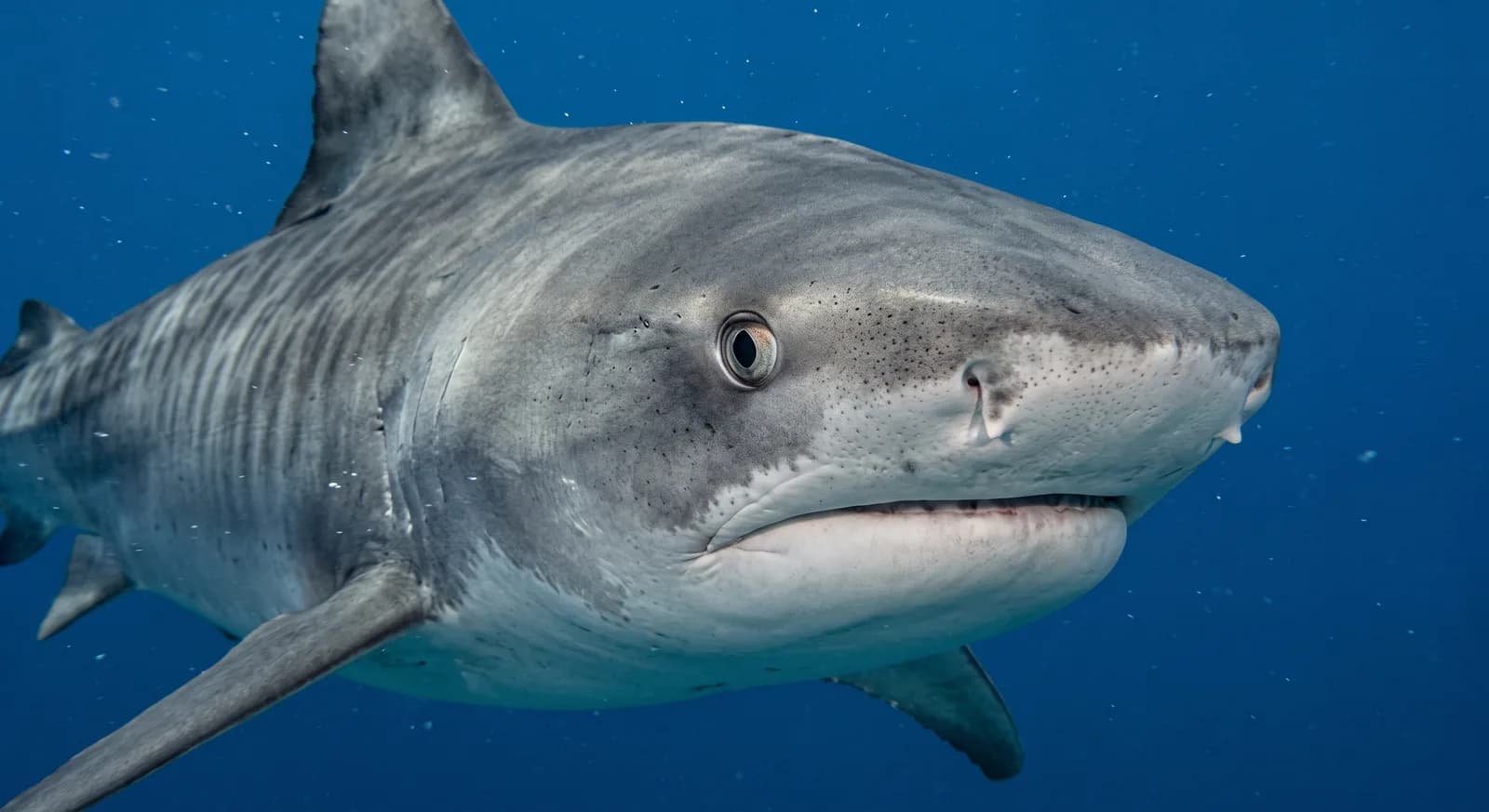 Near Threatened
Tiger Shark
Galeocerdo cuvier
Spinner Dolphin
Stenella longirostris
Hawaiian Monk Seal
Neomonachus schauinslandi
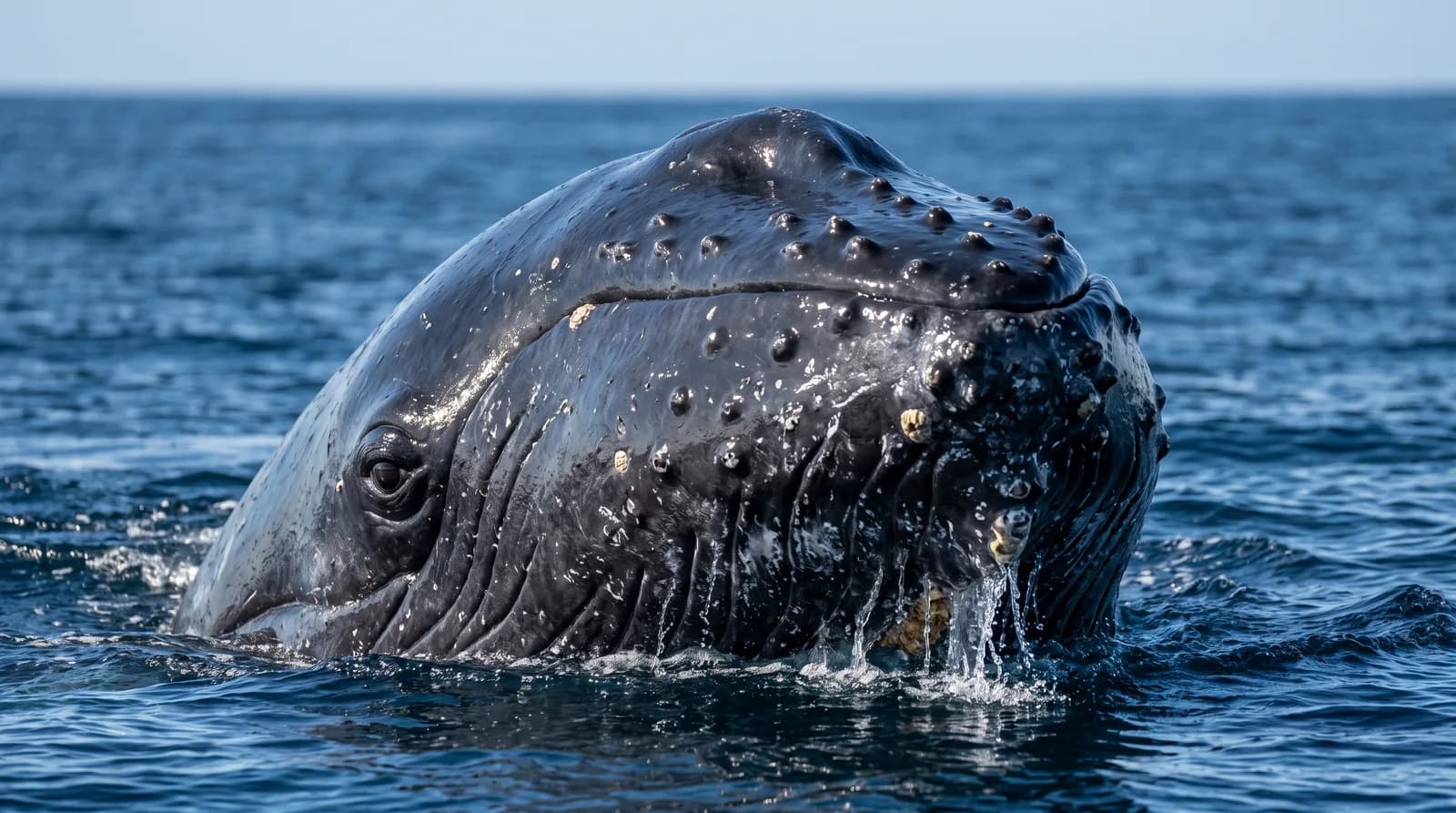 Least Concern
Humpback Whale
Megaptera novaeangliae
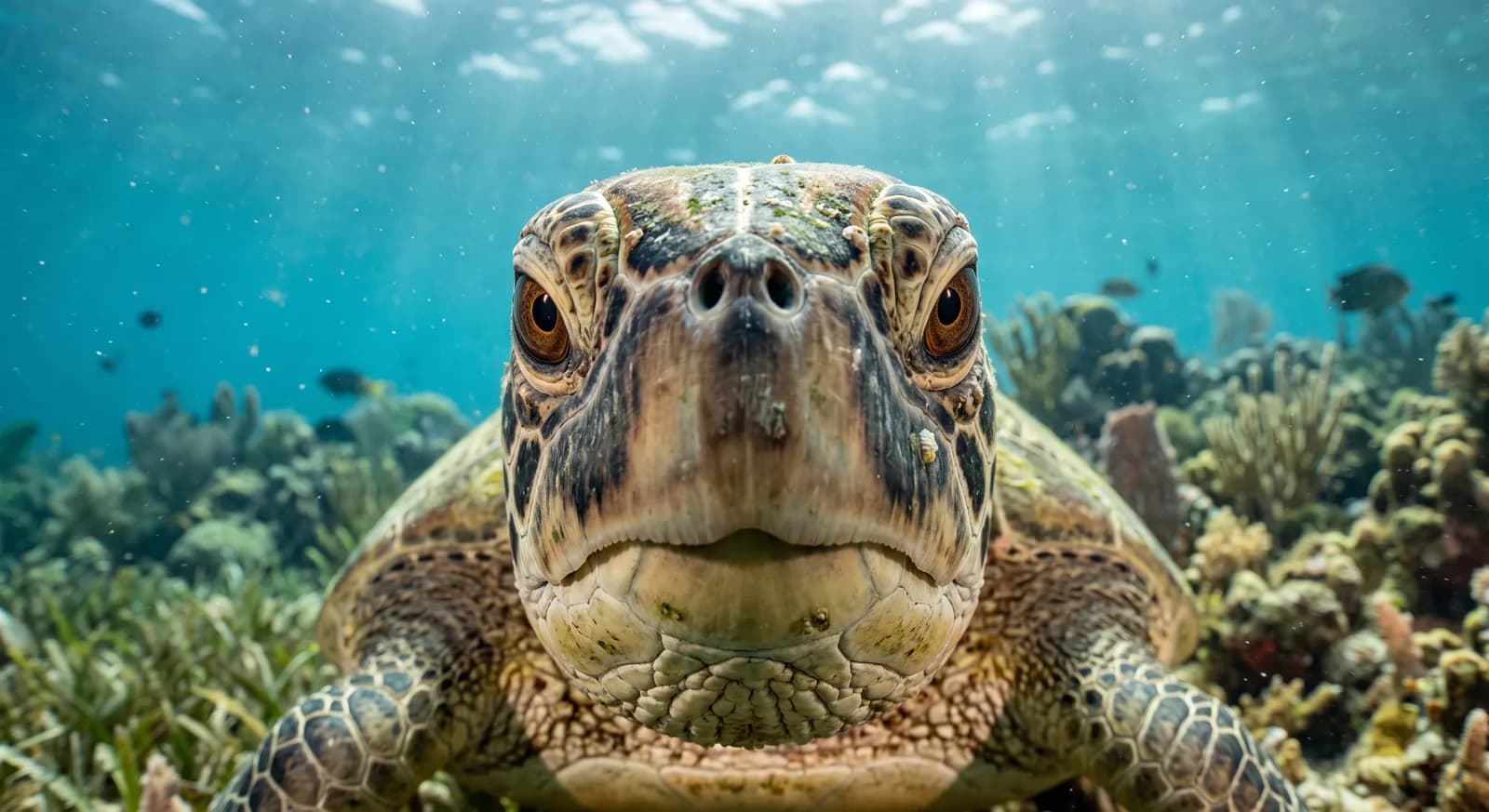 Endangered
Green Turtle
Chelonia mydas
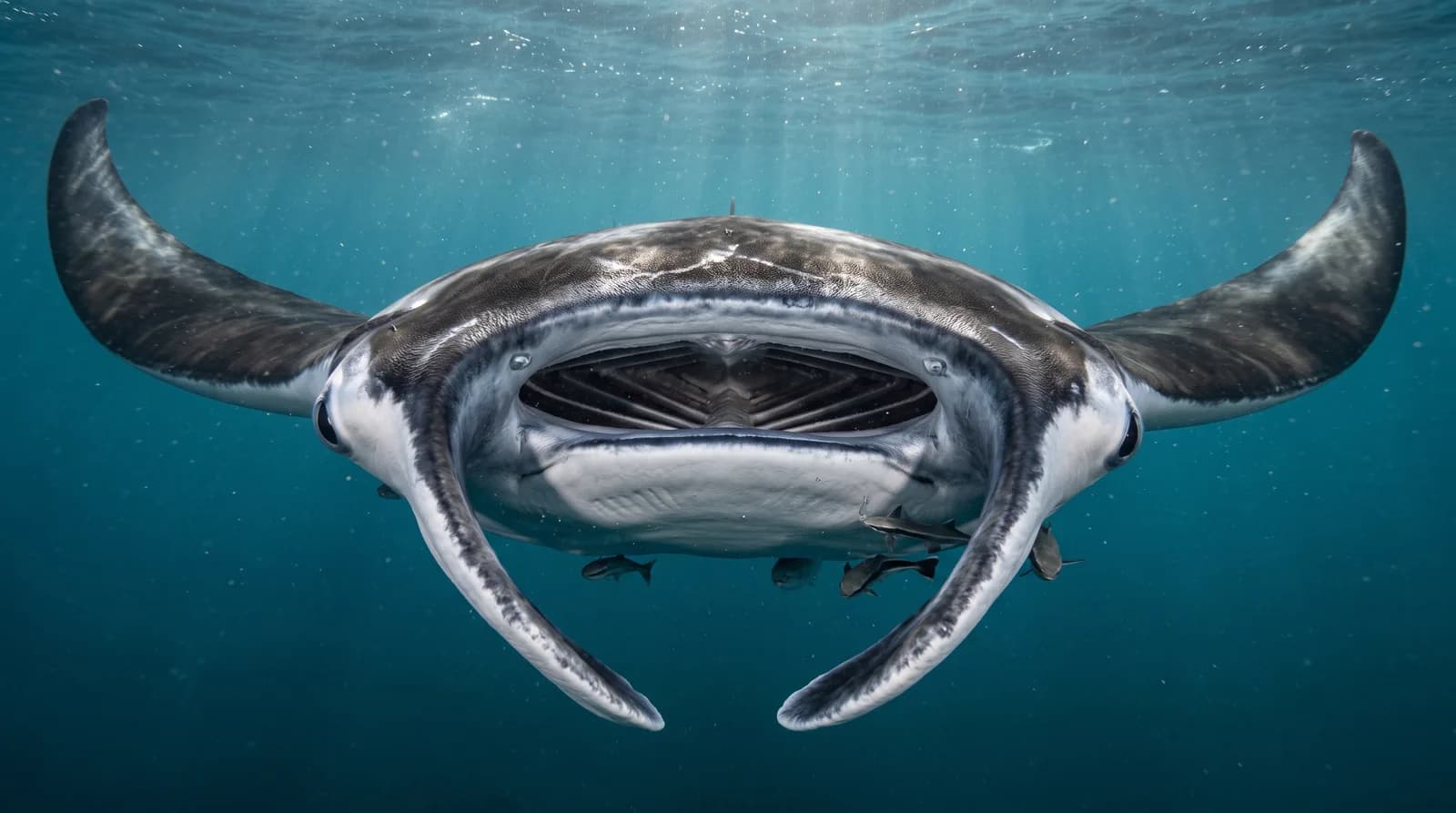 Endangered
Giant Manta
Mobula birostris
Keep exploring
Based on what we already know about hawaiian bobtail.
Comments
Share an experience, a fun fact or a tip for seeing the hawaiian bobtail.
Be the first to comment.