Hydrozoans · Siphonophorae · Physaliidae
Portuguese Man-of-war
Physalia physalis
It has not yet been assessed against the IUCN criteria. See full glossary
It is not one animal but a colony of four kinds of specialised, genetically identical organisms (zooids) that function as a single being.
Size
up to 30 cm
Lifespan
1 years
Diet
Carnivore
Feeds mainly on other animals.
Activity
Irregular activity
Active at irregular times, by day or night depending on circumstances.
Social structure
Solitary
Lives and hunts alone, joining others only to breed.
Sighting difficulty
Unknown
Fun facts
- It is not one animal but a colony of specialised zooids working as a single organism.
- Its tentacles can trail as far as 50 metres.
- Although it looks like a jellyfish, it is in fact a siphonophore, a different group of cnidarians.
- biologíaIt is not one animal but a colony of specialised organisms (zooids) that work together as though they were one.
- It is not a jellyfish: it is a siphonophore, a colony of specialised individuals called zooids that cannot live apart. Some form the float, others catch prey, others digest and others reproduce.
- The gas-filled float acts as a sail. Because it leans to the left or the right depending on the individual, half the population sails downwind one way and half the other, which stops them all from stranding on the same shore.
- Its fishing tentacles can trail tens of metres below the surface.
- The sting is still painful long after the animal has died, even stranded on the sand.
- The first Nobel Prize connected with jellyfish went in 1913 to Charles Richet and Paul Portier for the discovery of anaphylaxis, arising from experiments with Portuguese man o' war venom.
Life cycle & biology
- Skeleton type
- Invertebrate - no skeleton, a gelatinous colony of specialised organisms
- Habitat & environment
- Warm tropical and subtropical waters of every ocean, especially the Gulf Stream, the Gulf of Mexico, the Caribbean and the Sargasso Sea
- Birth weight
- A planula larva ~2 mm long
- Size at birth
- A planula larva ~2 mm long (the same figure as above)
- Sexual maturity
- Not applicable in the usual sense (a colonial organism that reproduces by asexual budding from the polyp stage)
- Gestation / incubation
- No gestation; it develops from a planula larva to an attached polyp and then, by budding, to a mature colony
- Litter / clutch size
- Not quantified precisely in the sources consulted
Sources consulted: University of West Indies (OGATT); National Geographic; Ocean Info; NOAA Ocean Service; Wikipedia (Physalia physalis); Nature Scientific Reports (morphology study)
Where to find it
See its range on the interactive mapWhere to watch it
Parques y spots de buceo donde se ha documentado esta especie — se muestran 20 de 262 documentados.
Related species
Other species in the catalogue with the most in common with Portuguese Man-of-war — same habitat, park, country, tags or family.
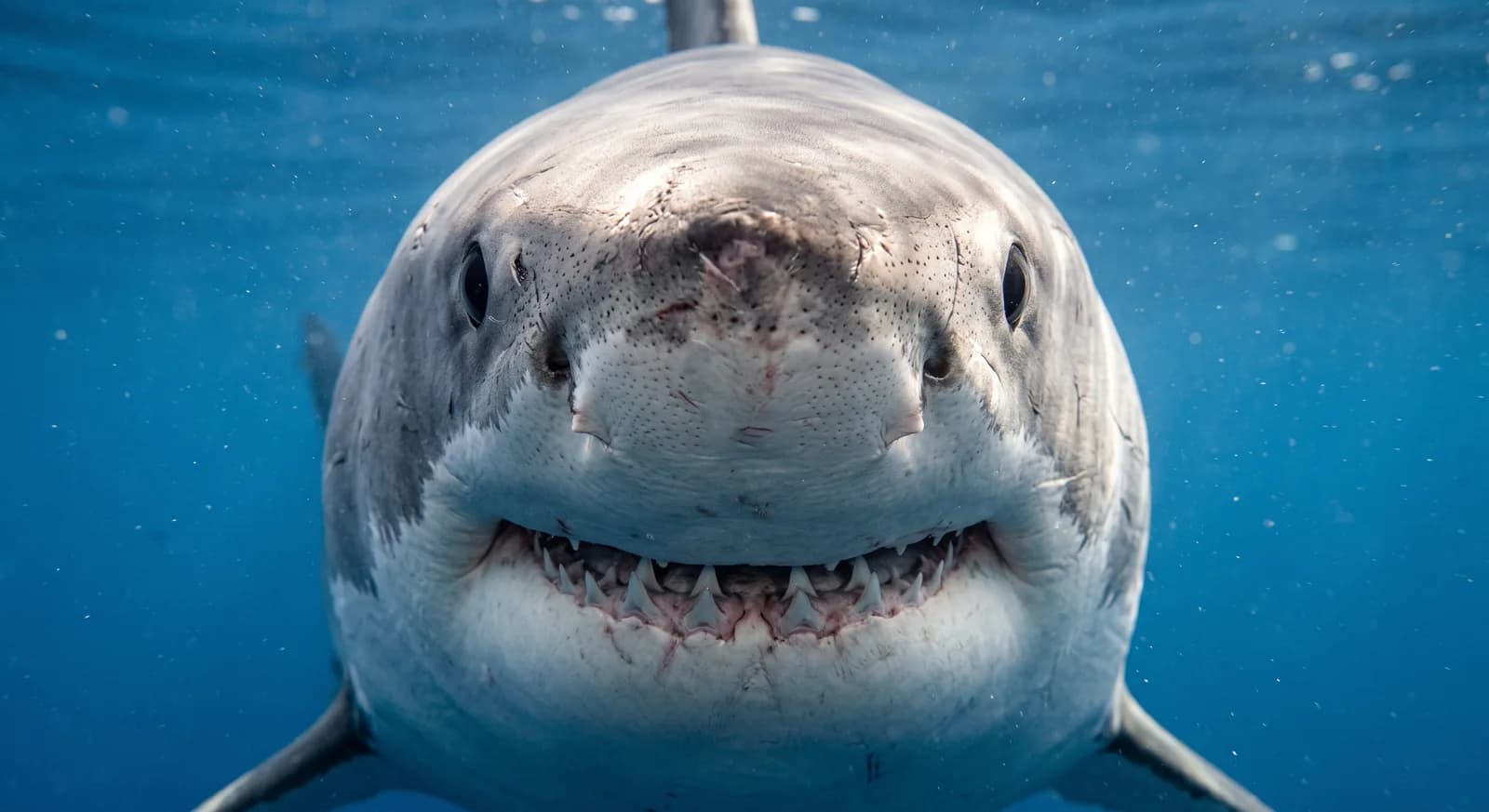 Vulnerable
Great White Shark
Carcharodon carcharias
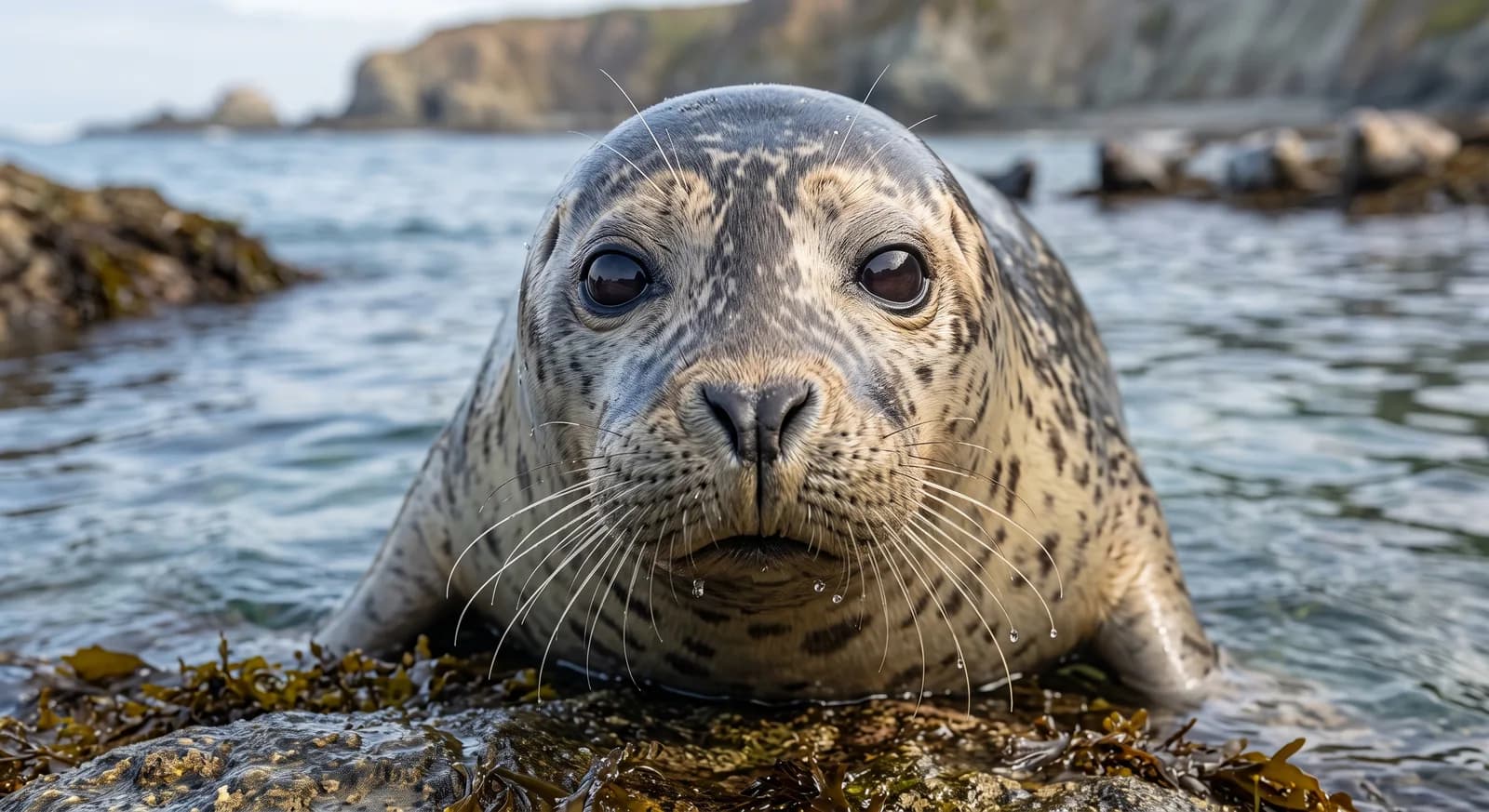 Least Concern
Harbor Seal
Phoca vitulina
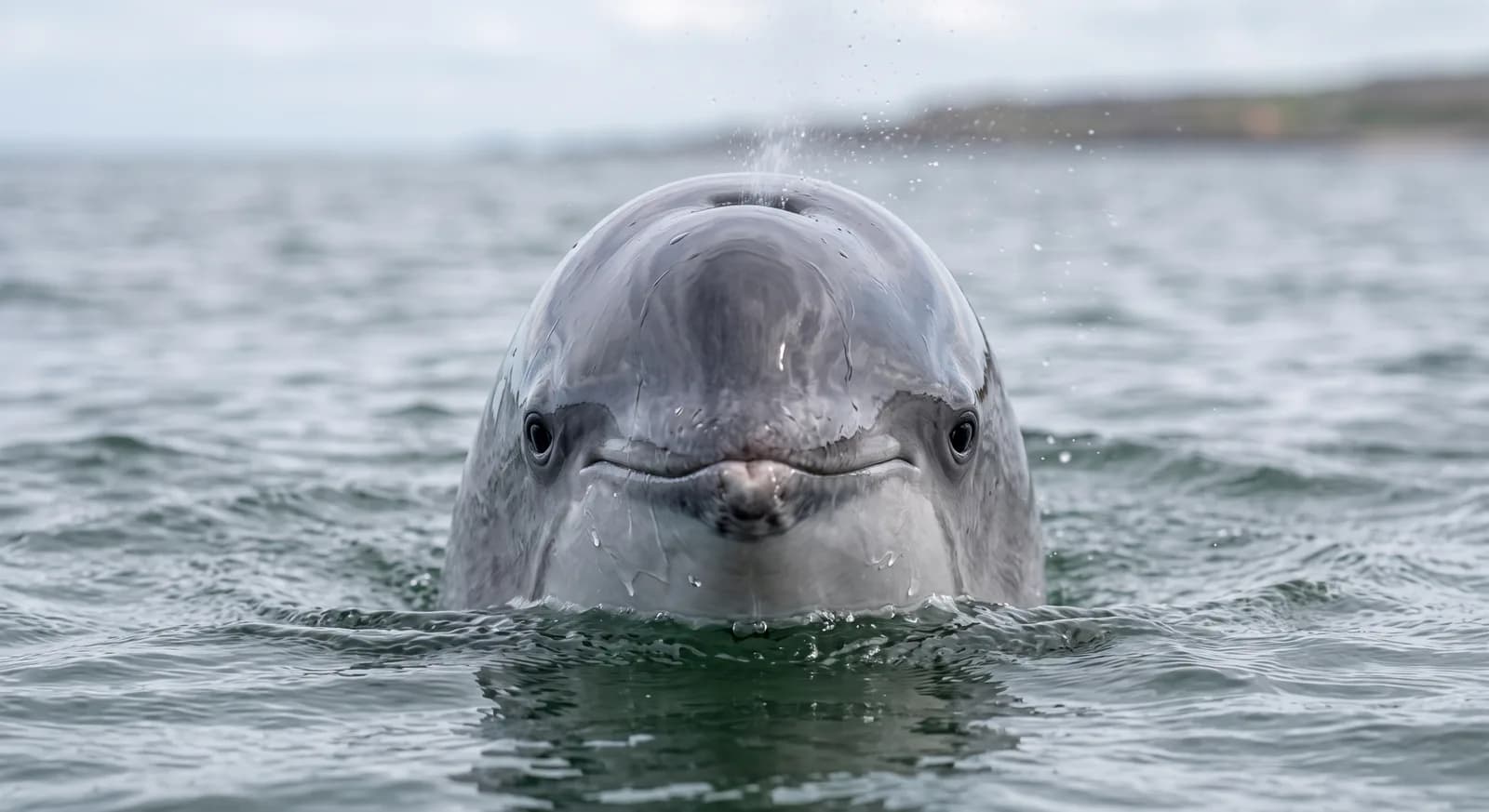 Least Concern
Harbor Porpoise
Phocoena phocoena
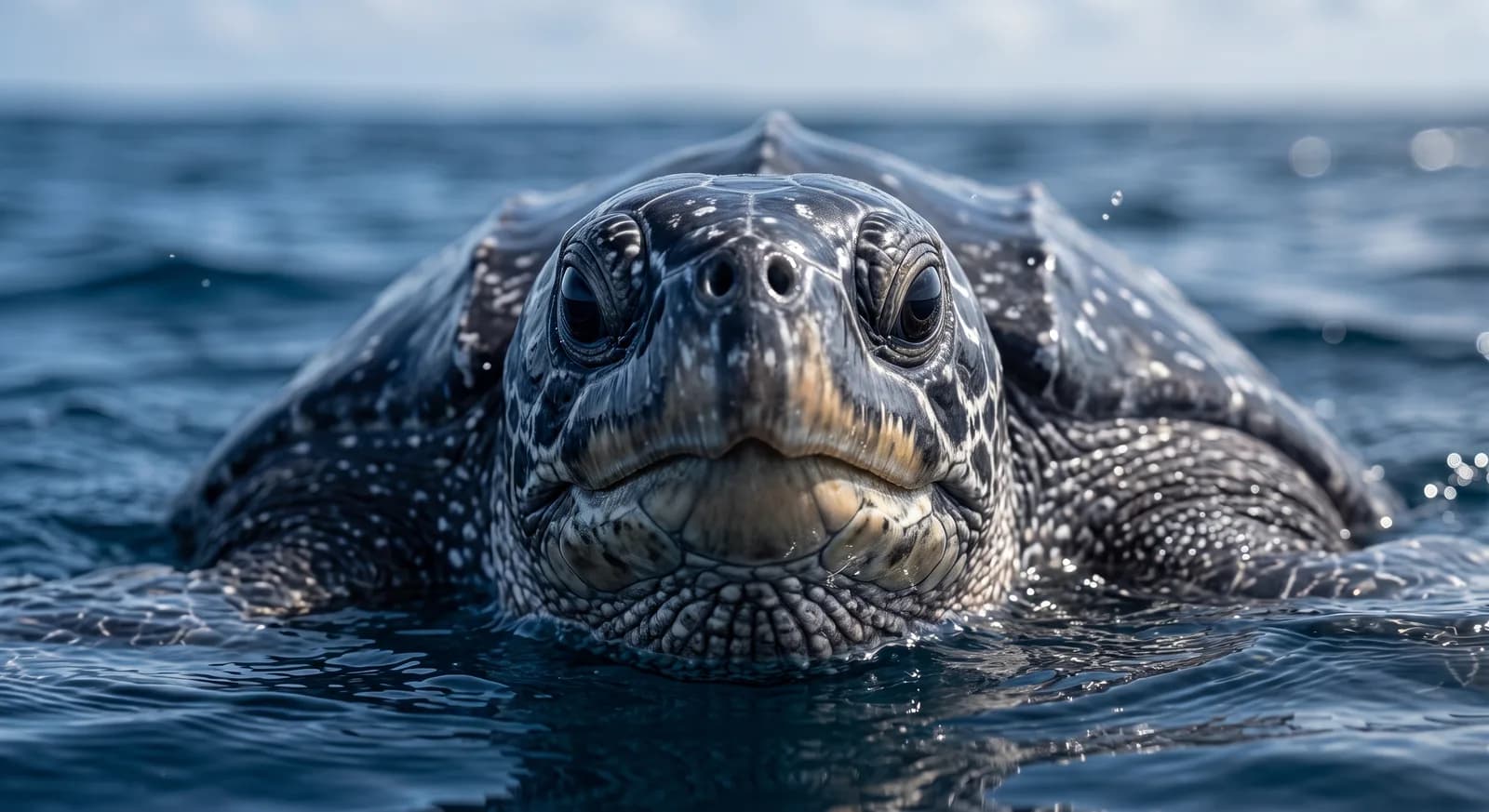 Vulnerable
Leatherback Sea Turtle
Dermochelys coriacea
Shortfin Mako
Isurus oxyrinchus
Porbeagle
Lamna nasus
Keep exploring
Based on what we already know about portuguese man-of-war.
Comments
Share an experience, a fun fact or a tip for seeing the portuguese man-of-war.
Be the first to comment.