One of the 2 porpoises on WAnimals
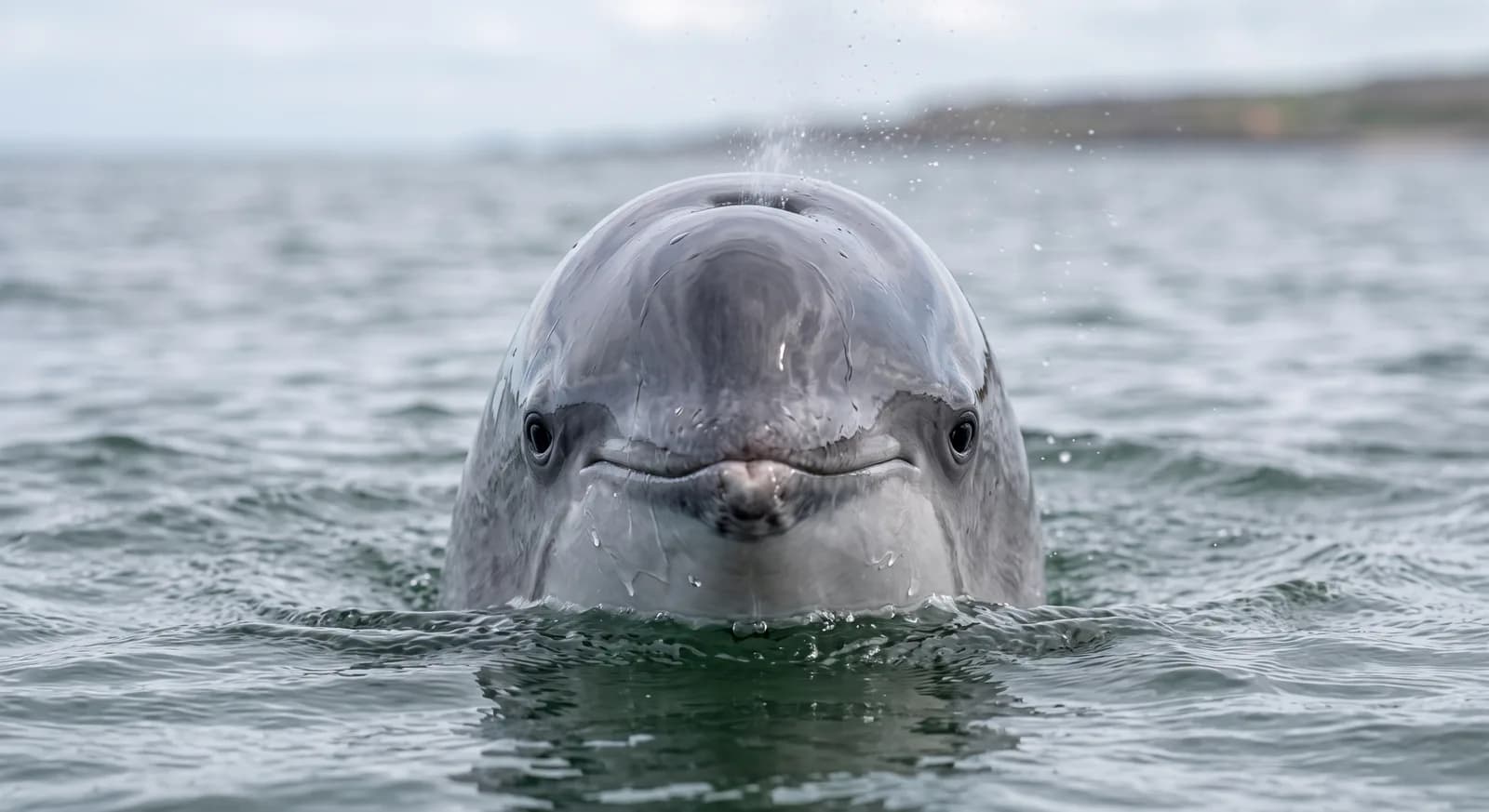
Mammals · Artiodactyla · Phocoenidae
Harbor Porpoise
Phocoena phocoena
The species is abundant and widely distributed; it faces no significant short-term risk. See full glossary
Its scientific name 'Phocoena' comes from the Greek for 'pig fish', and genetically it is closer to the beluga and the narwhal than to the true dolphins.
Weight
45 kg – 70 kg
Size
1.5 m – 2 m
Lifespan
10 years
Diet
Carnivore
Feeds mainly on other animals.
Activity
Irregular activity
Active at irregular times, by day or night depending on circumstances.
Social structure
Solitary
Lives and hunts alone, joining others only to breed.
Sighting difficulty
Easy
Fun facts
- It split from its ancestral lineage some 15 million years ago.
- It feeds on small fish and squid.
- It lives in shallow, temperate to cold coastal waters of the Northern Hemisphere.
- comportamientoUnlike many dolphins it does not form large social groups, approach boats or leap acrobatically; it is a far more retiring cetacean and much harder to see.
Life cycle & biology
- Skeleton type
- Vertebrate - internal bony skeleton (mammal)
- Habitat & environment
- Shallow, temperate to cold coastal waters of the Northern Hemisphere
- Birth weight
- 6-8 kg and 70-100 cm long at birth
- Size at birth
- 6-8 kg and 70-100 cm at birth
- Sexual maturity
- 3-5 years
- Gestation / incubation
- 10-11 months
- Litter / clutch size
- 1 calf per birth (yearly)
- Lifespan in captivity
- Documented record of up to 20.4 years
Sources consulted: Animal Diversity Web; A-Z Animals; Alaska Department of Fish and Game; Biology Insights; Porpoise Research Library; AnAge (genomics.senescence.info); SEAMAP Duke
Where to find it
See its range on the interactive mapWhere to watch it
Parques y spots de buceo donde se ha documentado esta especie — se muestran 18 de 41 documentados.
Related species
Other species in the catalogue with the most in common with Harbor Porpoise — same habitat, park, country, tags or family.
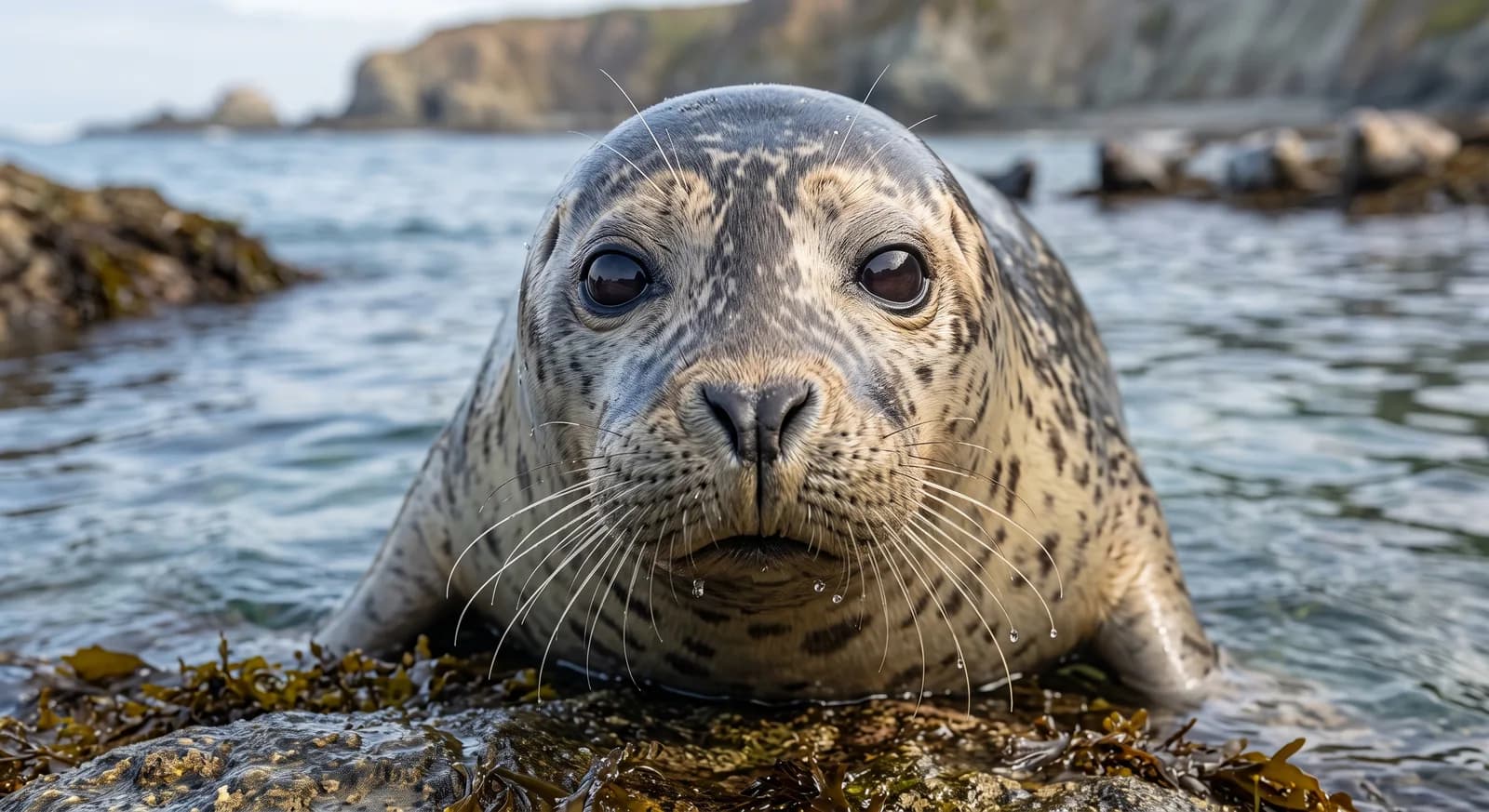 Least Concern
Harbor Seal
Phoca vitulina
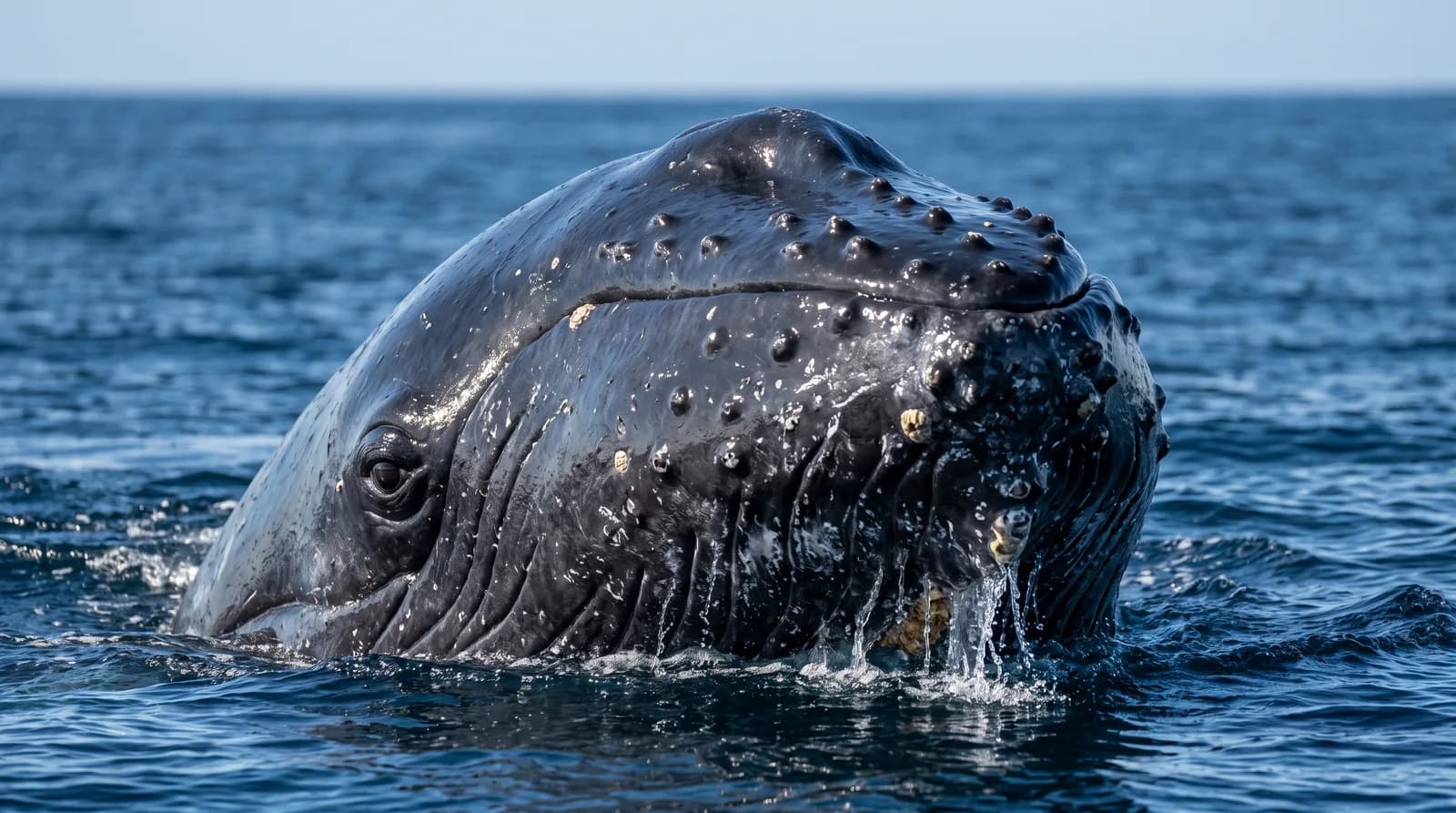 Least Concern
Humpback Whale
Megaptera novaeangliae
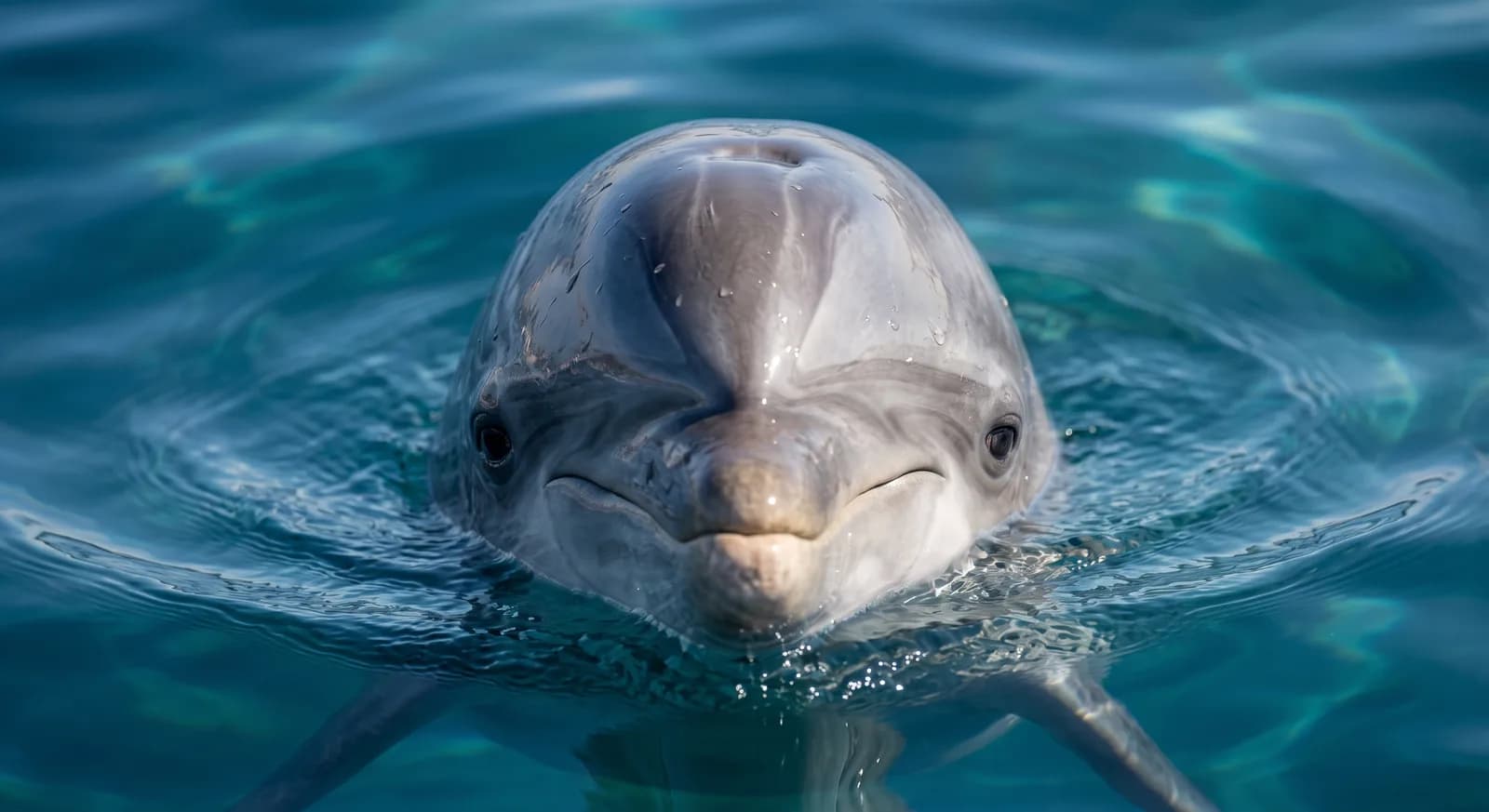 Least Concern
Bottlenose Dolphin
Tursiops truncatus
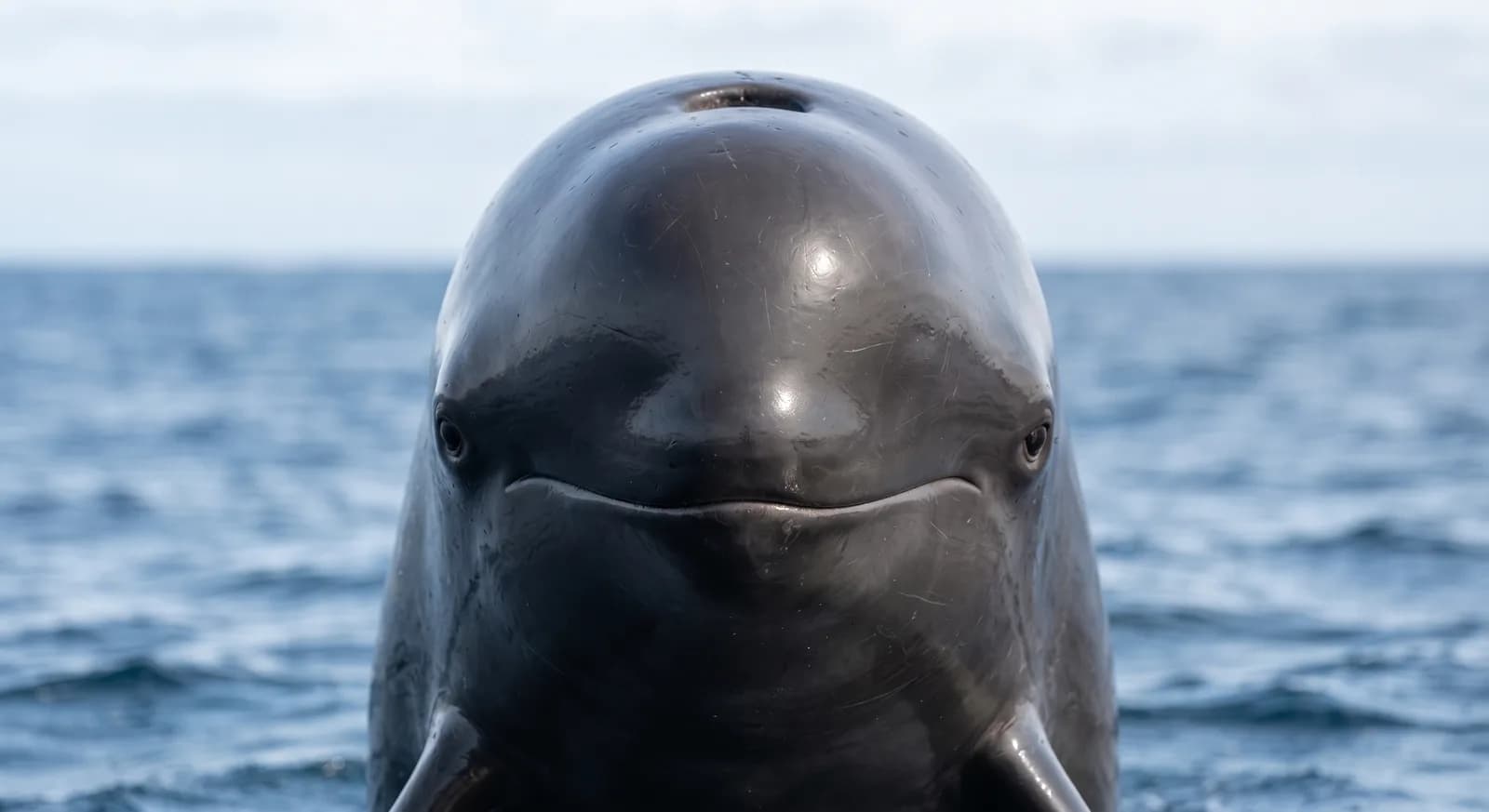 Least Concern
Long-finned Pilot Whale
Globicephala melas
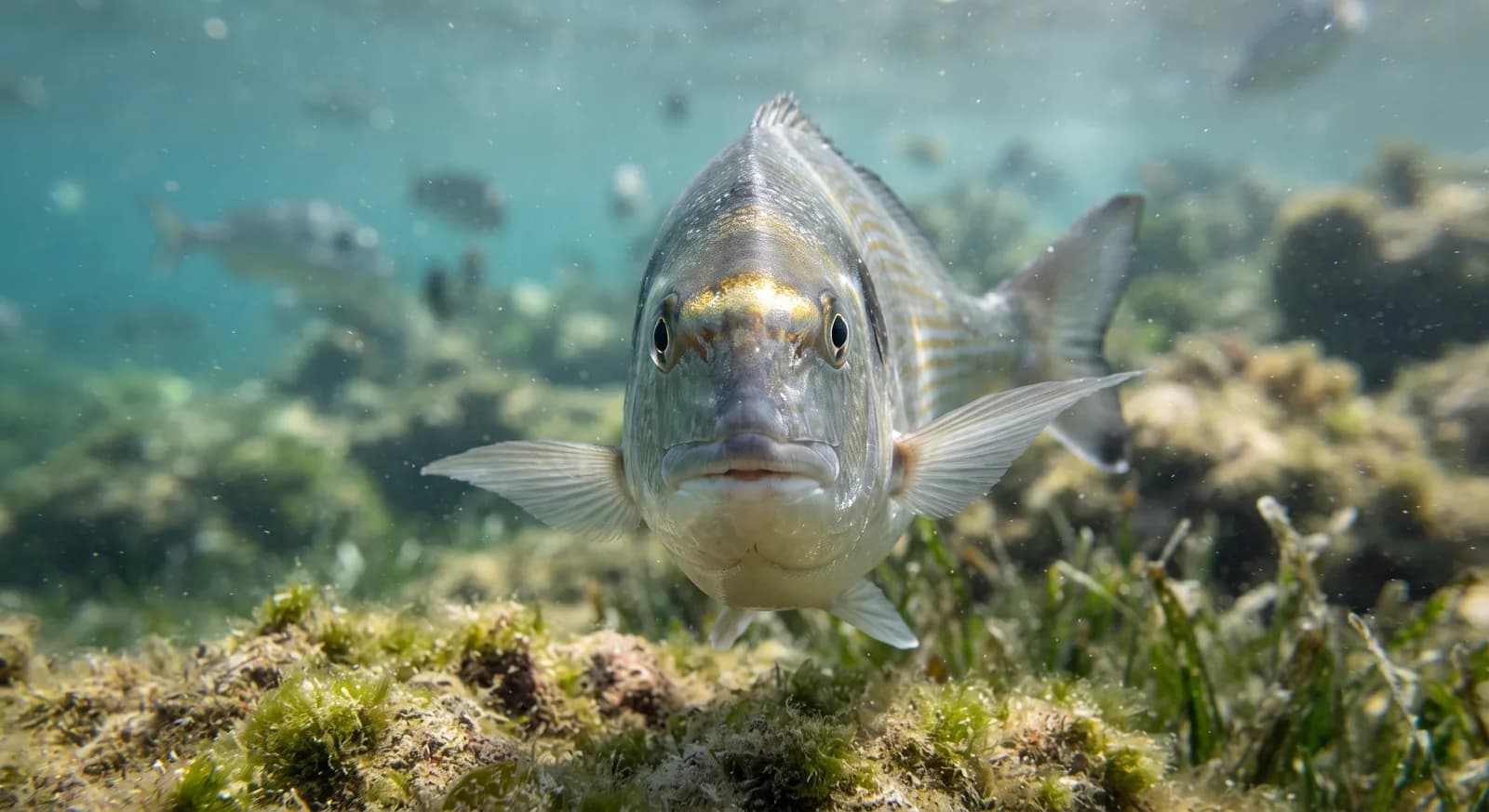 Least Concern
Gilthead
Sparus aurata
Minke Whale
Balaenoptera acutorostrata
Keep exploring
Based on what we already know about harbor porpoise.
Comments
Share an experience, a fun fact or a tip for seeing the harbor porpoise.
Be the first to comment.