Mammals · Carnivora · Felidae
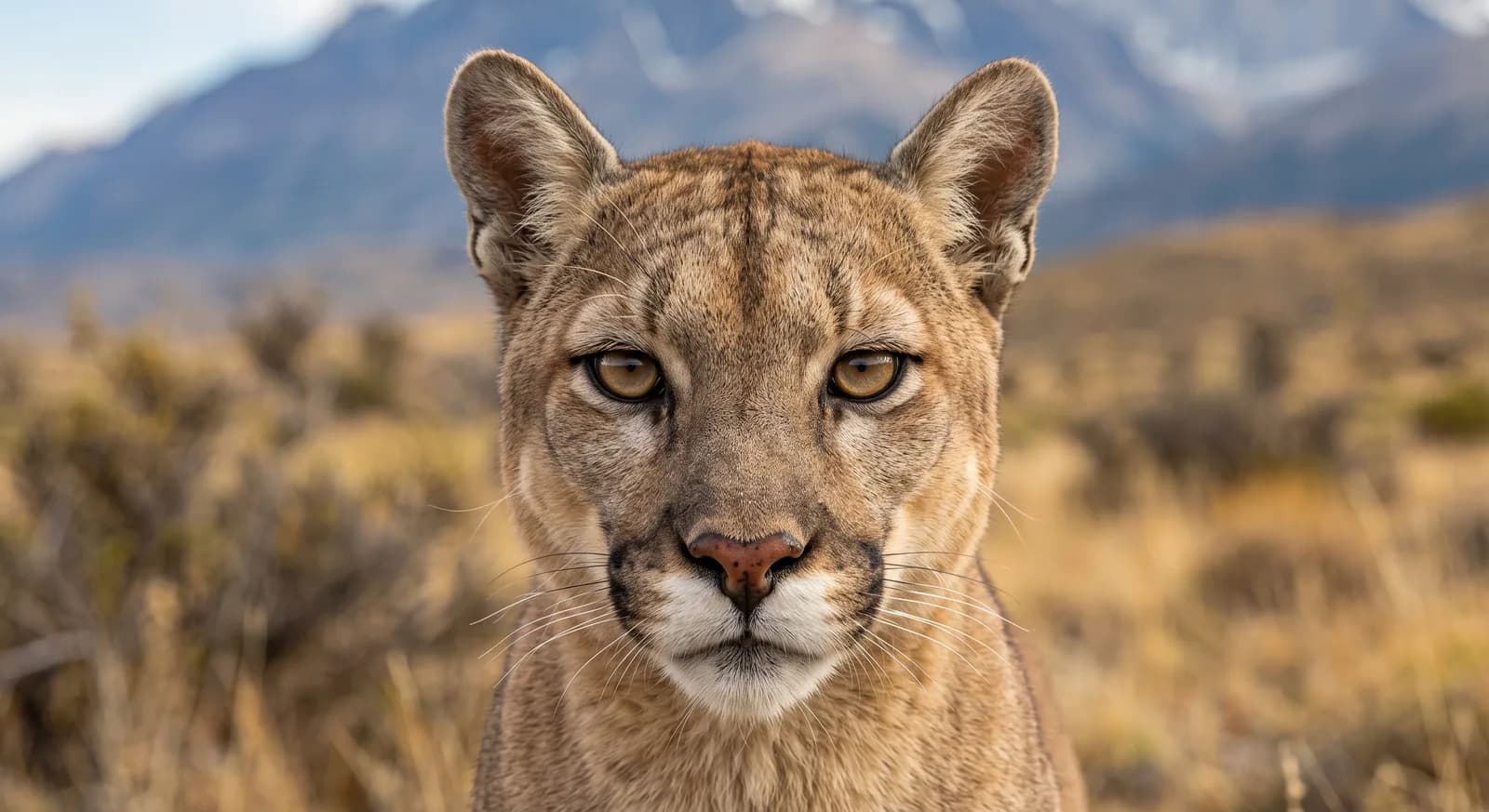
Puma
Puma concolor
The species is abundant and widely distributed; it faces no significant short-term risk. See full glossary
It holds the record for the most common names of any animal, with more than 40 recorded in English alone, among them puma, cougar, mountain lion and panther.
Weight
29 kg – 100 kg
Size
86 cm – 1.5 m
Lifespan
18 years
Diet
Carnivore
Feeds mainly on other animals.
Activity
Crepuscular
Active above all at dawn and dusk.
Social structure
Solitary
Lives and hunts alone, joining others only to breed.
Sighting difficulty
Easy
Fun facts
- Its historical range — from Canada to the southern Andes — is the widest of any large land mammal in the Americas.
- It feeds mainly on deer and other ungulates, supplemented with smaller prey.
- It has the largest distribution of any wild mammal in the Western Hemisphere.
- comunicaciónIt cannot roar, as it lacks the specialised larynx of the roaring big cats; instead it mews, hisses and gives a characteristic high-pitched scream.
- locomociónIt can leap up to 6 metres horizontally and 2.5 metres vertically from a standstill, one of the highest jump-to-body-size ratios recorded among the big cats.
Life cycle & biology
- Skeleton type
- Vertebrate - internal bony skeleton (mammal)
- Habitat & environment
- A wide range of habitats from desert to forest, with the largest distribution of any wild mammal in the Western Hemisphere
- Birth weight
- 226-453 g at birth, spotted and blind
- Size at birth
- 226-453 g at birth
- Sexual maturity
- Female: ~2.5 years | Male: ~3 years
- Gestation / incubation
- 82-96 days
- Litter / clutch size
- 1 to 6 pups per litter (most commonly 2-3)
- Lifespan in captivity
- Documented record of up to 27 years
Sources consulted: A-Z Animals; Britannica; Zoo Idaho; Animal Diversity Web; AnAge (genomics.senescence.info); ScienceDirect Topics; Animal Kingdom; BioKIDS
Where to find it
See its range on the interactive mapWhere to watch it
Parques y spots de buceo donde se ha documentado esta especie — se muestran 10 de 137 documentados.
Related species
Other species in the catalogue with the most in common with Puma — same habitat, park, country, tags or family.
 Least Concern
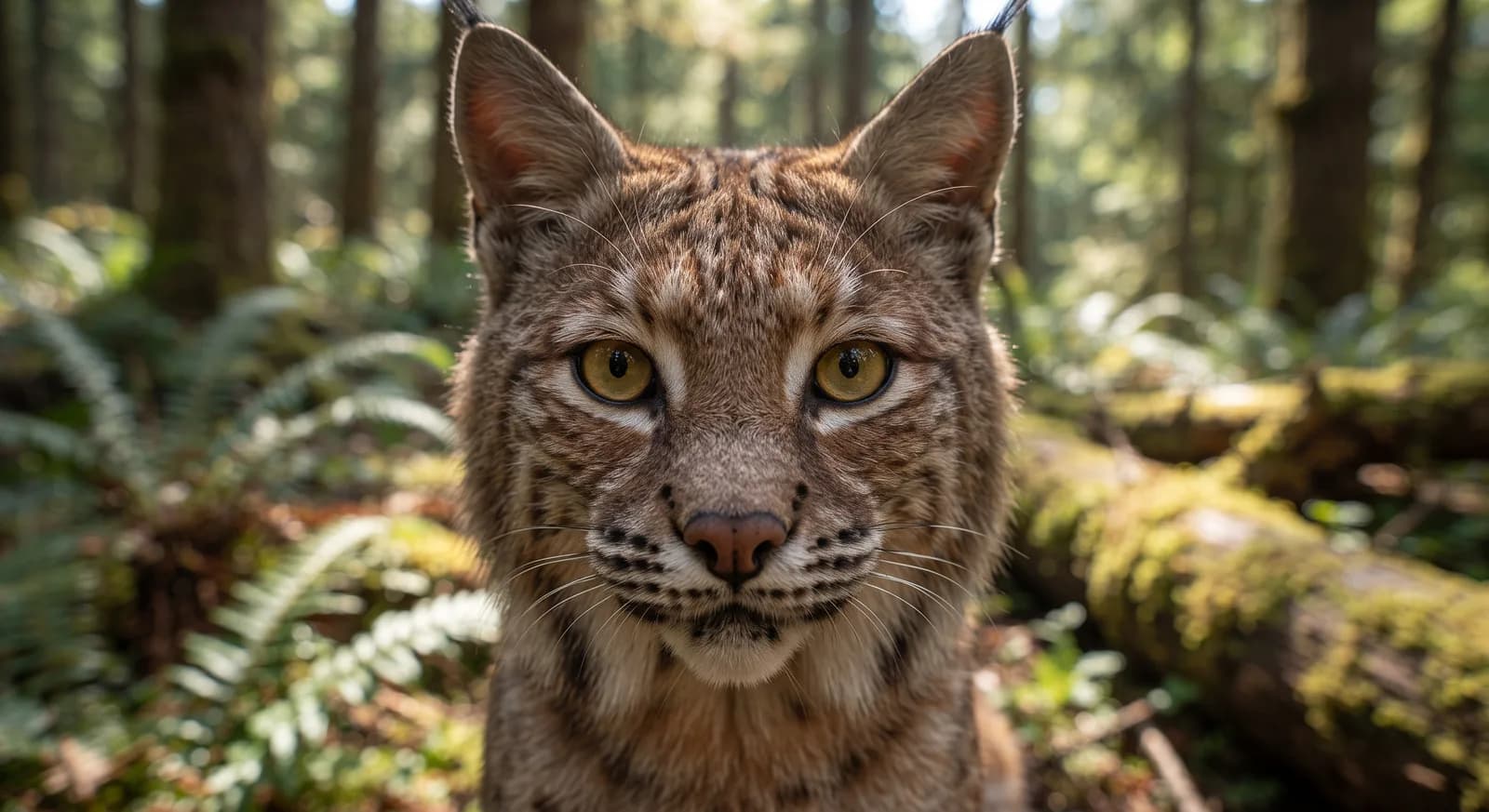
Bobcat
Lynx rufus
Geoffroy's Cat
Leopardus geoffroyi
 Least Concern
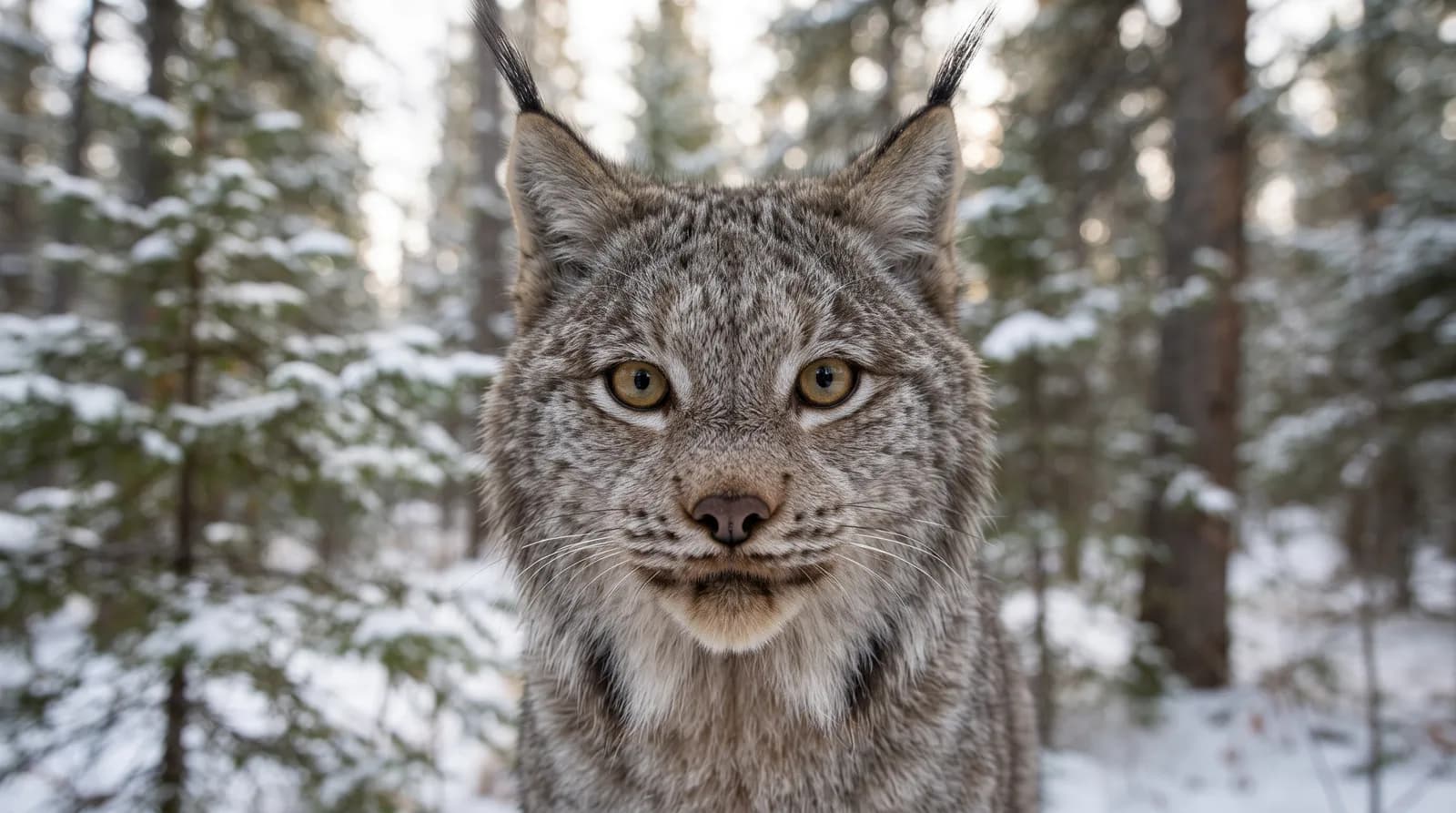
Canadian Lynx
Lynx canadensis
 Least Concern
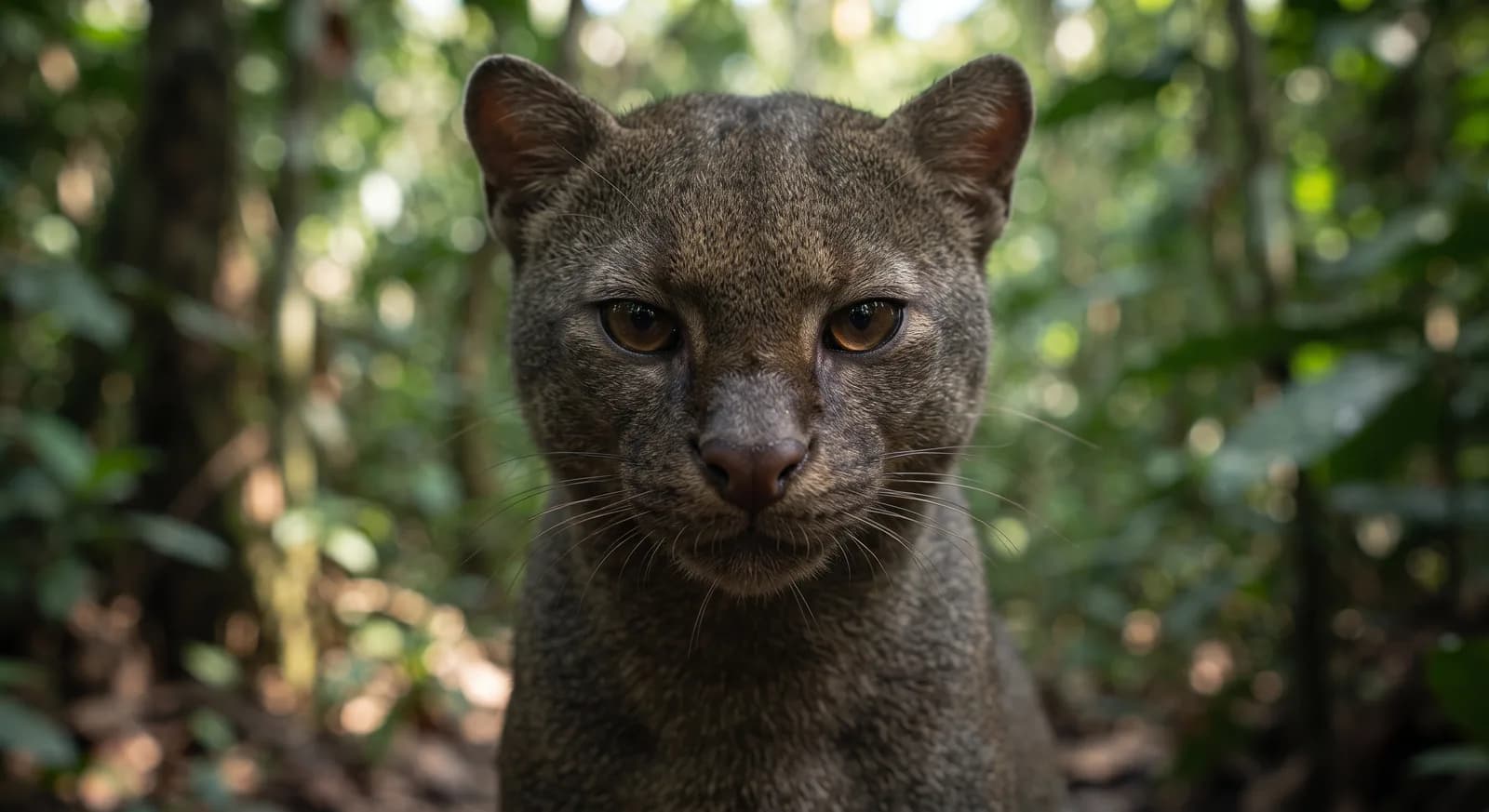
Jaguarundi
Herpailurus yagouaroundi
Northern Tiger Cat
Leopardus tigrinus
Kodkod
Leopardus guigna
Keep exploring
Based on what we already know about puma.
Comments
Share an experience, a fun fact or a tip for seeing the puma.
Be the first to comment.