One of the 4 lynxes on WAnimals
Mammals · Carnivora · Felidae
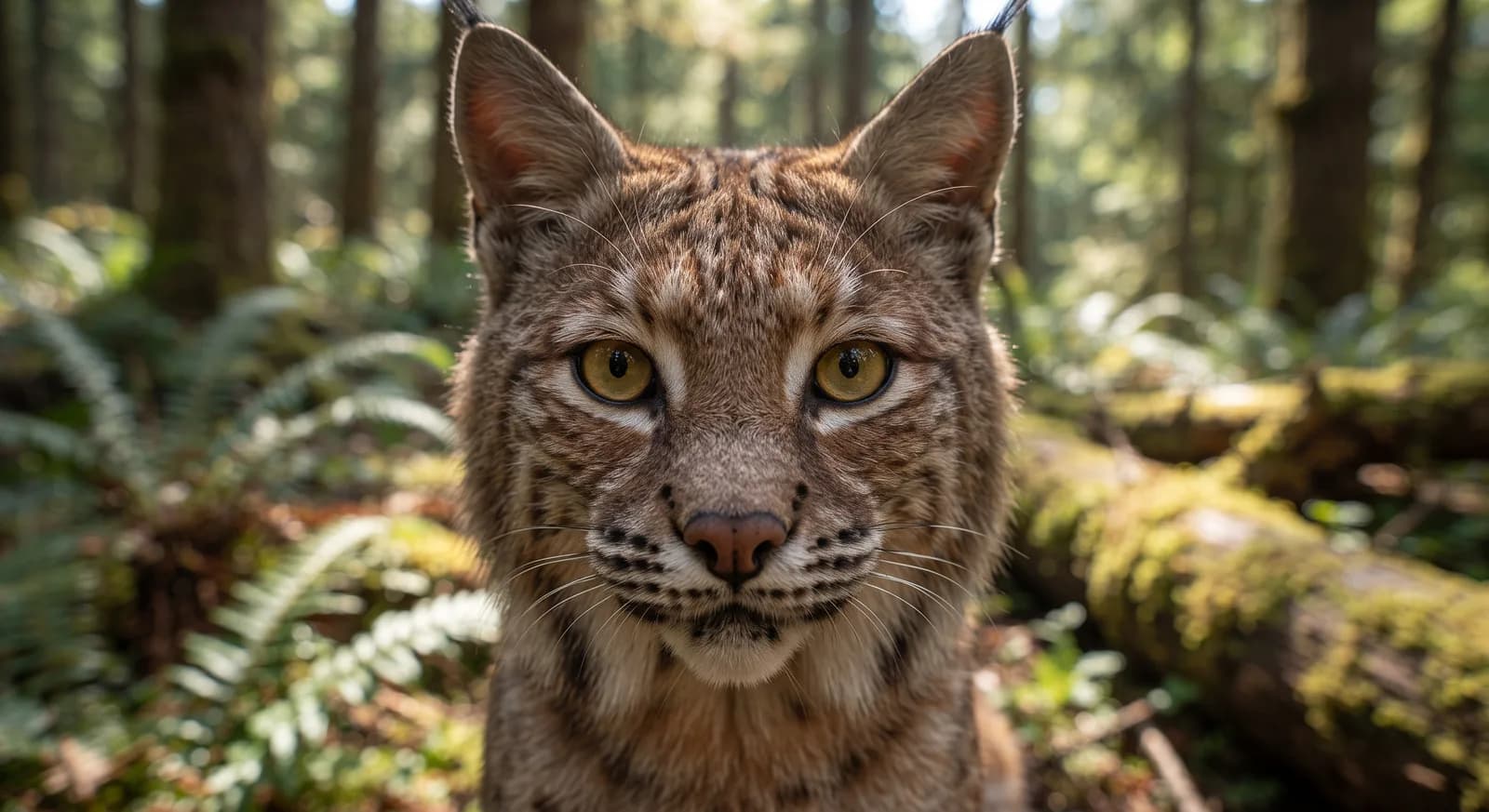
Bobcat
Lynx rufus
The species is abundant and widely distributed; it faces no significant short-term risk. See full glossary
Its English name refers to its characteristic short, bobbed tail, and it is the most abundant and widely distributed wild cat in North America.
Weight
4 kg – 15 kg
Size
65 cm – 1.1 m
Lifespan
10 years
Diet
Carnivore
Feeds mainly on other animals.
Activity
Nocturnal
Active mainly at night.
Social structure
Solitary
Lives and hunts alone, joining others only to breed.
Sighting difficulty
Easy
Fun facts
- It can make a living anywhere from desert to the suburbs.
- It feeds mainly on rabbits and hares, supplemented with rodents, birds and the occasional young deer.
- It lives in forest, desert, mountain and swamp across much of North America.
Life cycle & biology
- Skeleton type
- Vertebrate - internal bony skeleton (mammal)
- Habitat & environment
- Forest, desert, mountain and swamp across much of North America
- Birth weight
- 265 g at birth, eyes closed
- Size at birth
- 265 g at birth
- Sexual maturity
- Female: 1 year | Male: 2 years
- Gestation / incubation
- 50-70 days (~62 days)
- Litter / clutch size
- 1 to 6 young per litter (most commonly 2-3)
- Lifespan in captivity
- Documented record of up to 32.3 years
Sources consulted: AnAge (genomics.senescence.info); A-Z Animals; US Forest Service FEIS; Animal Diversity Web; Texas Tech NSRL Mammals of Texas; BioKIDS; UF/IFAS EDIS
Where to watch it
Parks and dive sites where this species has been documented.
Related species
Other species in the catalogue with the most in common with Bobcat — same habitat, park, country, tags or family.
 Least Concern
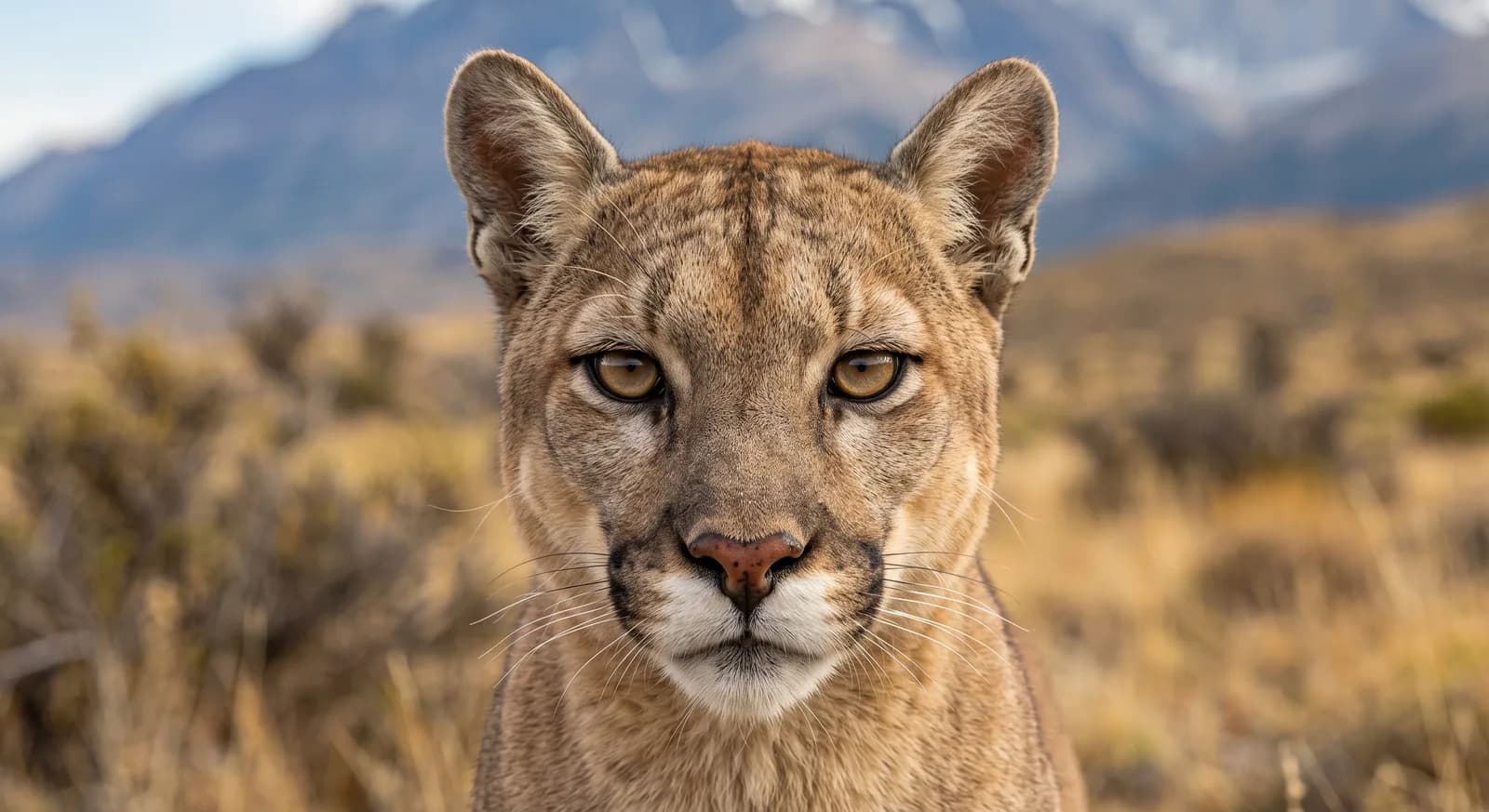
Puma
Puma concolor
 Least Concern
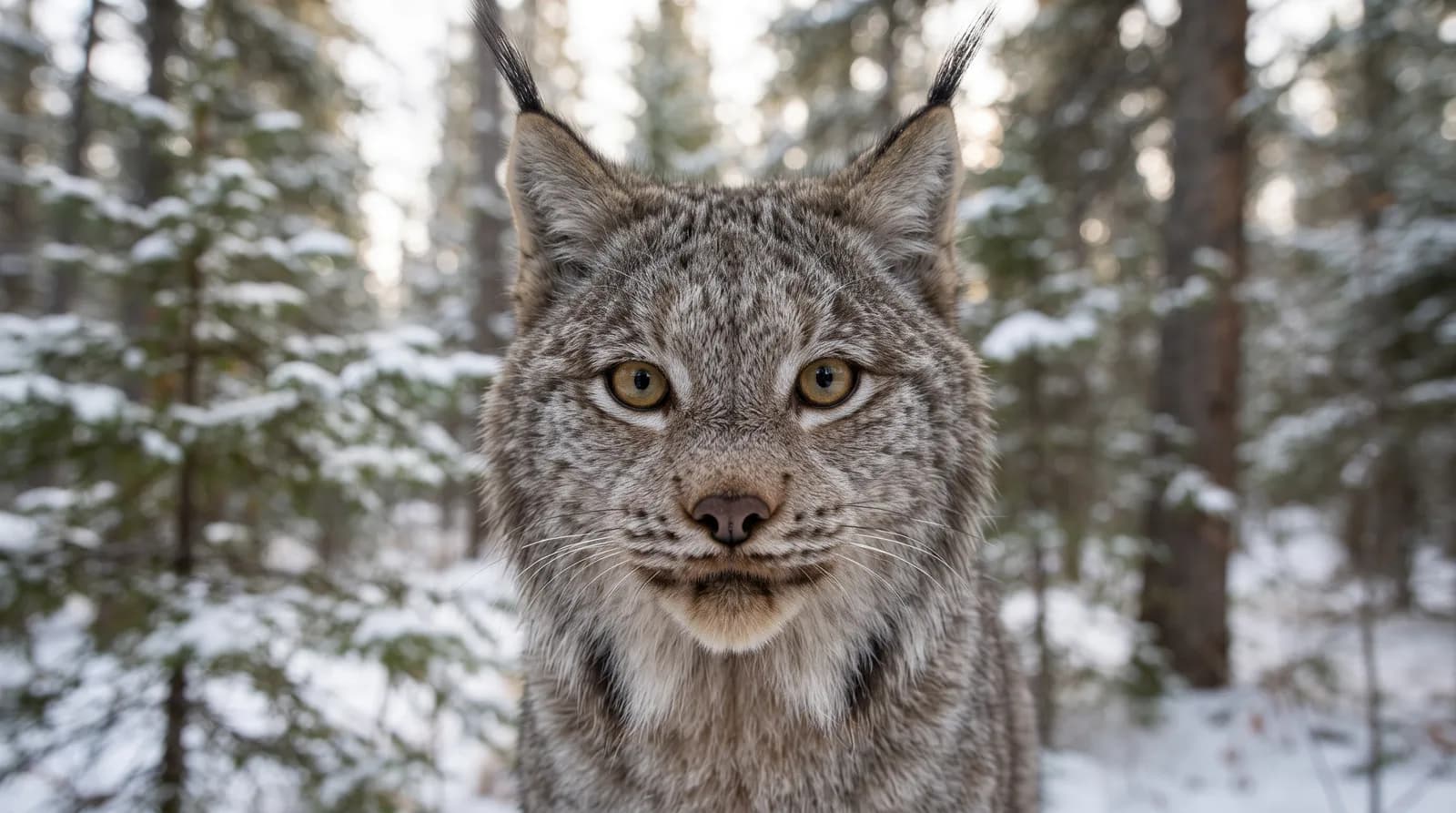
Canadian Lynx
Lynx canadensis
 Least Concern
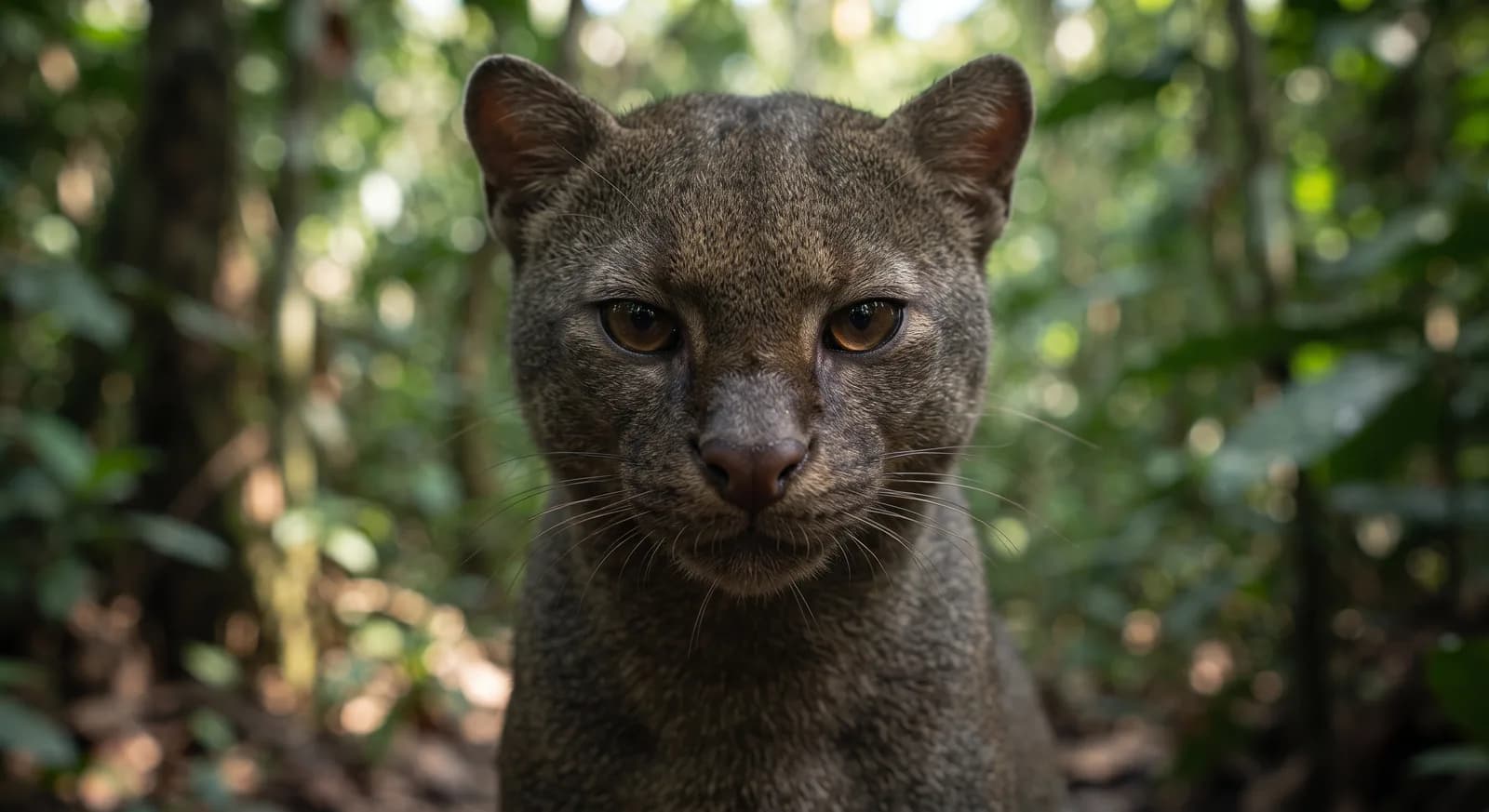
Jaguarundi
Herpailurus yagouaroundi
Virginia Opossum
Didelphis virginiana
Big Brown Bat
Eptesicus fuscus
Southern Flying Squirrel
Glaucomys volans
Keep exploring
Based on what we already know about bobcat.
Comments
Share an experience, a fun fact or a tip for seeing the bobcat.
Be the first to comment.