Mammals · Carnivora · Felidae
Kodkod
Leopardus guigna
It faces a high risk of extinction in the wild over the medium term. See full glossary
The kodkod, or güiña, is the smallest cat in the Americas and one of the most range-restricted: it lives almost exclusively in the temperate rainforest of central and southern Chile and in a narrow border strip of Argentina. It is nocturnal, an excellent climber, and hunts rodents, birds and lizards in the dense understorey. It can survive in forest fragments surrounded by timber plantations as long as they keep some native scrub, but it disappears when the understorey is cleared.
Weight
1.5 kg – 3 kg
Size
37 cm – 51 cm
Lifespan
11 years
Diet
Carnivore
Feeds mainly on other animals.
Activity
Nocturnal
Active mainly at night.
Social structure
Solitary
Lives and hunts alone, joining others only to breed.
Sighting difficulty
Moderate
Fun facts
- GeneralThe smallest cat in the Americas, at some 2 kg; it hunts birds in the trees.
- It is the smallest cat on the American continent: an adult weighs a little over two kilos, less than many domestic cats.
- Its greatest threat is not direct hunting but the replacement of native forest with pine and eucalypt plantations, which remove the understorey it depends on for hunting and hiding.
Life cycle & biology
- Skeleton type
- Vertebrate - internal bony skeleton (mammal)
- Habitat & environment
- Valdivian temperate rainforest and native scrub with dense understorey of Chile and Argentina
- Sexual maturity
- 24 months
- Gestation / incubation
- 2.5 months
- Litter / clutch size
- 2
Sources consulted: https://www.iucnredlist.org/ | https://animaldiversity.org/ | https://es.wikipedia.org/
Where to watch it
Parques y spots de buceo donde se ha documentado esta especie — se muestran 10 de 15 documentados.
Related species
Other species in the catalogue with the most in common with Kodkod — same habitat, park, country, tags or family.
Geoffroy's Cat
Leopardus geoffroyi
 Least Concern
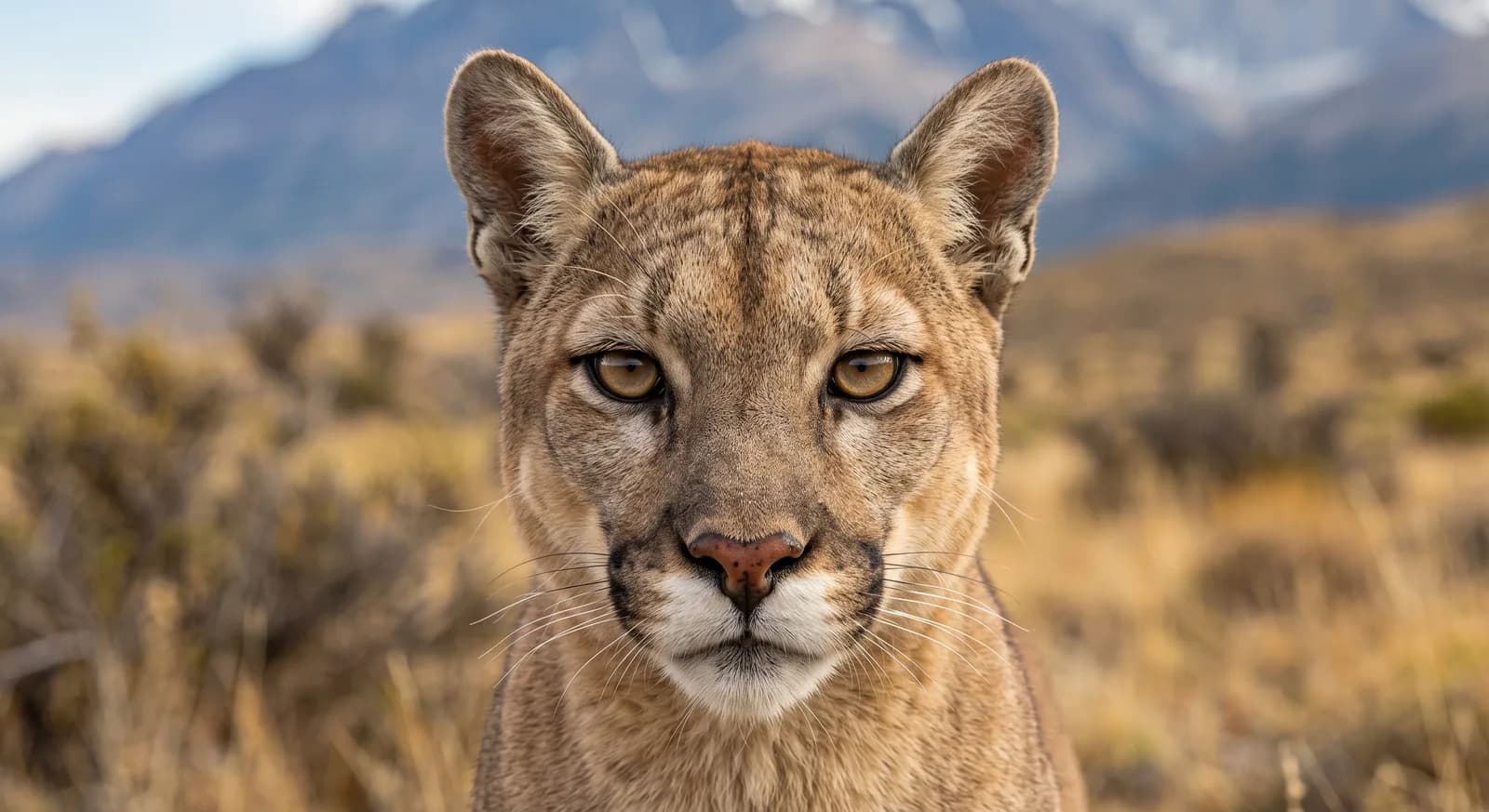
Puma
Puma concolor
Pampas Cat
Leopardus colocolo
 Least Concern
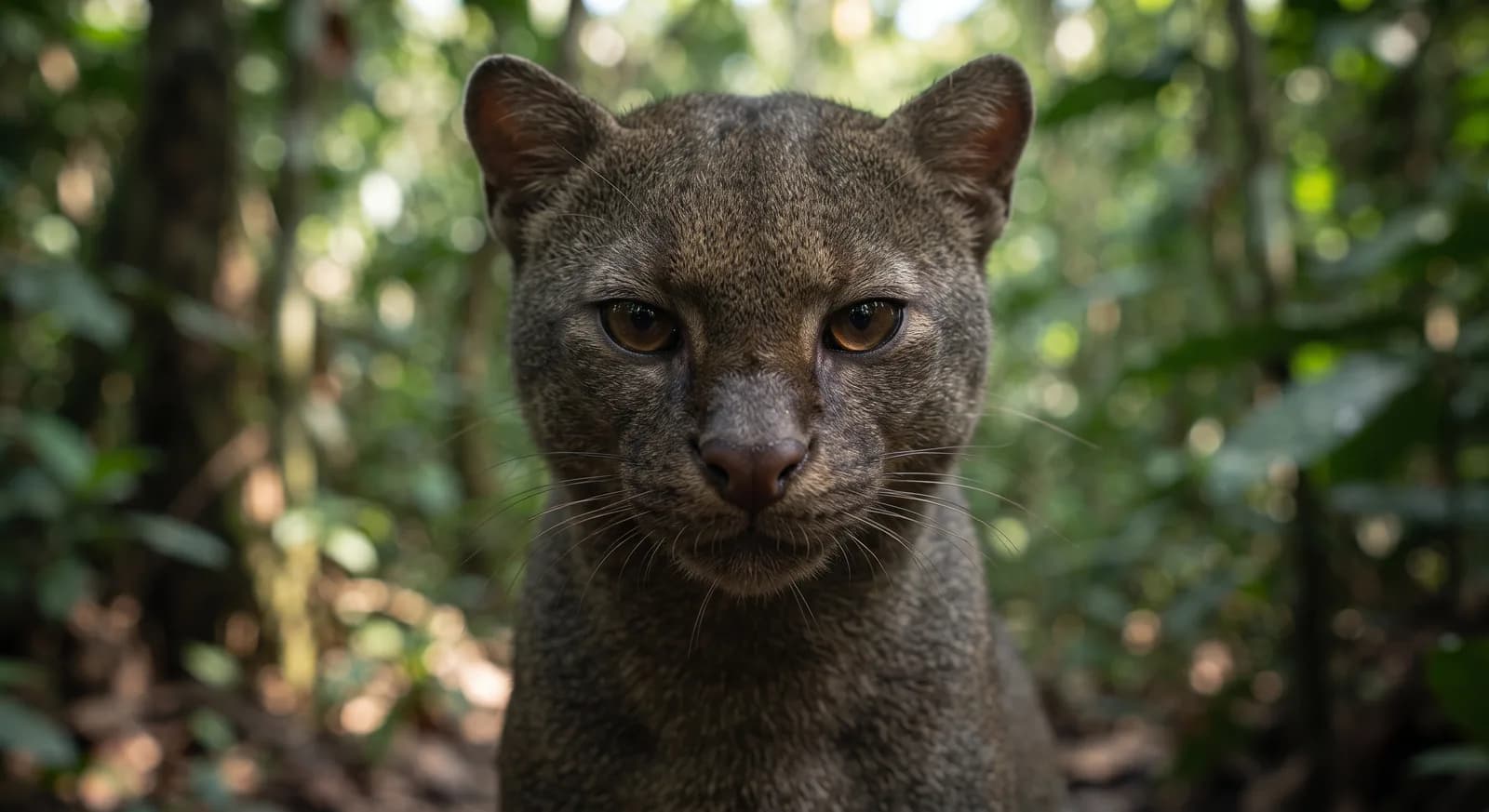
Jaguarundi
Herpailurus yagouaroundi
Southern Monito del Monte
Dromiciops gliroides
 Endangered
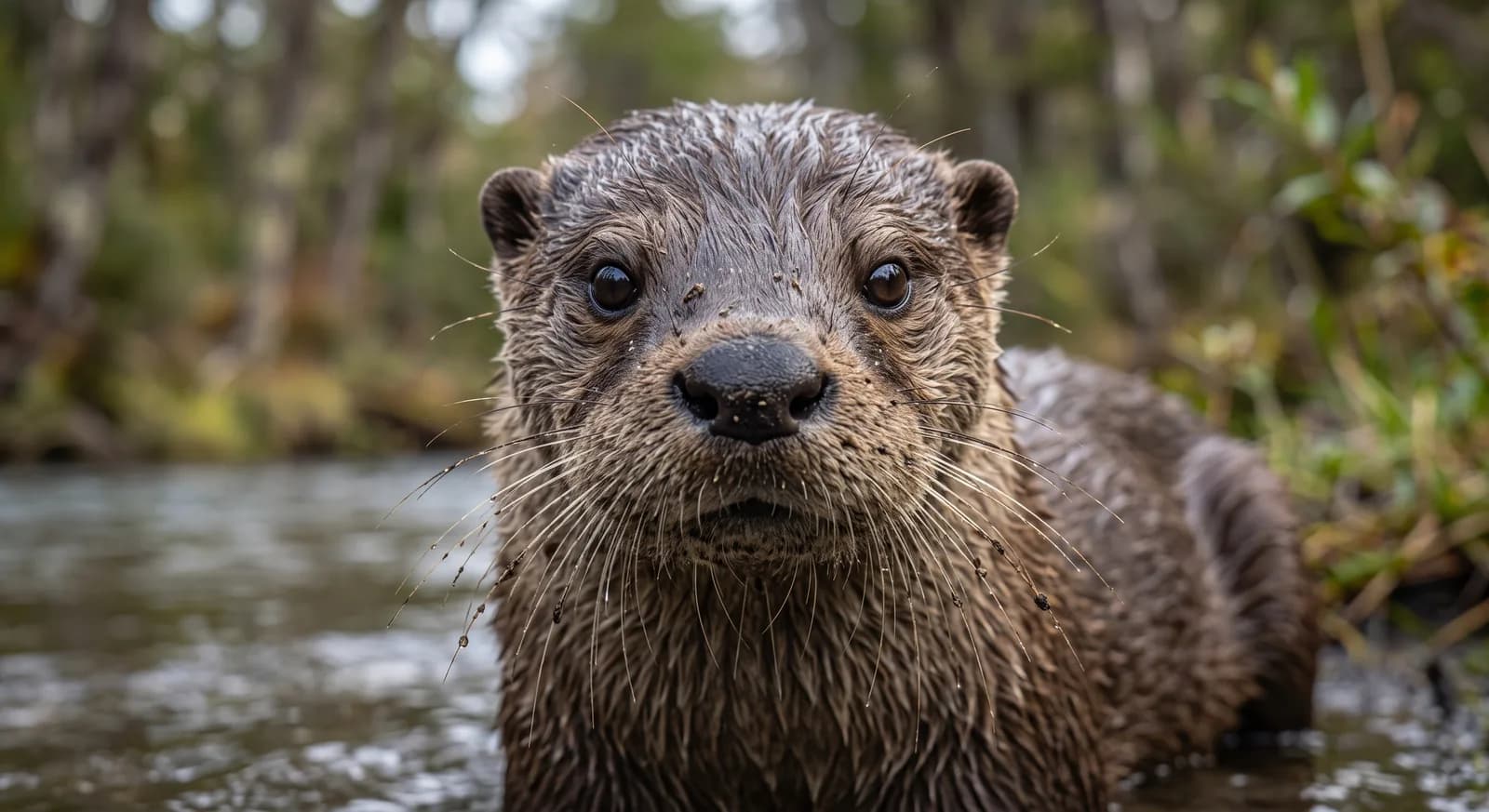
Southern River Otter
Lontra provocax
How to help
The kodkod is classified as vulnerable. Organizations such as UICN, WWF y Wildlife Conservation Society work specifically on its conservation and that of its habitat; looking into their programs is a good starting point if you want to get involved.
It's documented in 10 real protected areas — part of why protecting these places matters for its conservation.
Keep exploring
Based on what we already know about kodkod.
Comments
Share an experience, a fun fact or a tip for seeing the kodkod.
Be the first to comment.