One of the 17 foxes on WAnimals
Mammals · Carnivora · Canidae
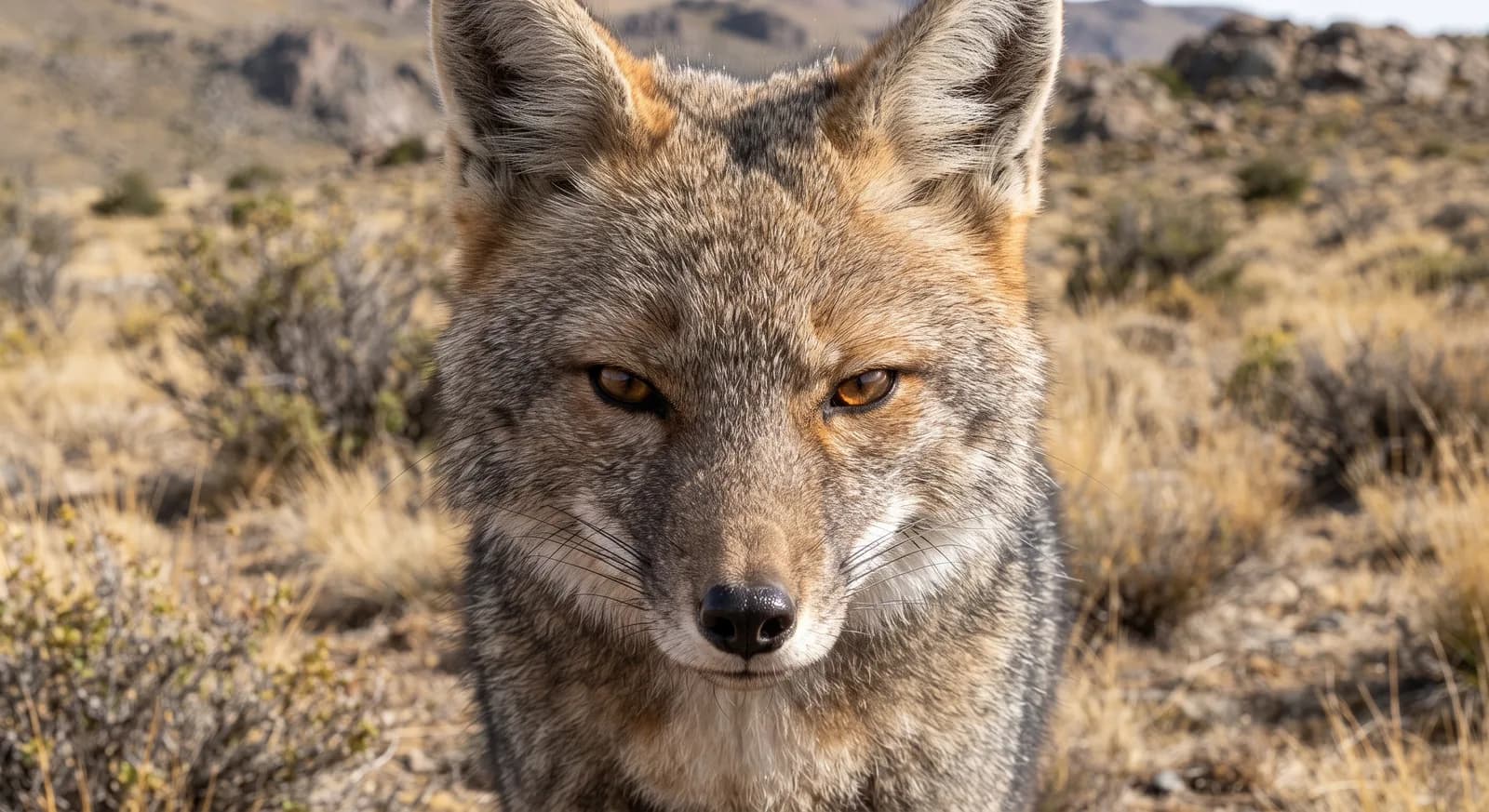
Culpeo
Lycalopex culpaeus
The species is abundant and widely distributed; it faces no significant short-term risk. See full glossary
It is the second largest native canid in South America after the maned wolf, and ranges across the Andes from sea level to 4,500 metres. Despite being called a fox, it is more closely related to wolves and jackals than to true foxes.
Weight
5 kg – 14 kg
Size
94 cm – 1.3 m
Lifespan
11 years
Diet
Carnivore
Feeds mainly on other animals.
Activity
Nocturnal
Active mainly at night.
Social structure
Solitary
Lives and hunts alone, joining others only to breed.
Sighting difficulty
Easy
Fun facts
- It is the second largest native canid in South America, behind only the maned wolf.
- It is a key seed disperser: fruits such as the peumo germinate better after passing through its gut.
- It can live anywhere from sea level to 4,500 metres up in the Andes.
- distribuciónIt is South America's largest wild canid and lives across a very wide altitudinal range, from the coast to over 4,000 metres in the Andes.
Life cycle & biology
- Skeleton type
- Vertebrate - internal bony skeleton (mammal)
- Habitat & environment
- A wide range of Andean and Patagonian habitats, from temperate forest to desert, between sea level and 4,500 m
- Birth weight
- 168 - 170 grams
- Size at birth
- Born naked and with its eyes closed
- Sexual maturity
- ~1 year
- Gestation / incubation
- 55-61 days
- Litter / clutch size
- 2 to 5 young per litter (5.2 on average according to some sources)
- Lifespan in captivity
- Documented record of 13.1 years in captivity
Sources consulted: Animal Diversity Web; AnAge; JungleDragon; Animalia.bio; Animal of the World Wiki; Quasar Expeditions; Animal Spot; Wikipedia; Beyond BA
Where to find it
See its range on the interactive mapWhere to watch it
Parques y spots de buceo donde se ha documentado esta especie — se muestran 10 de 23 documentados.
Related species
Other species in the catalogue with the most in common with Culpeo — same habitat, park, country, tags or family.
Pampas Fox
Lycalopex griseus
 Least Concern
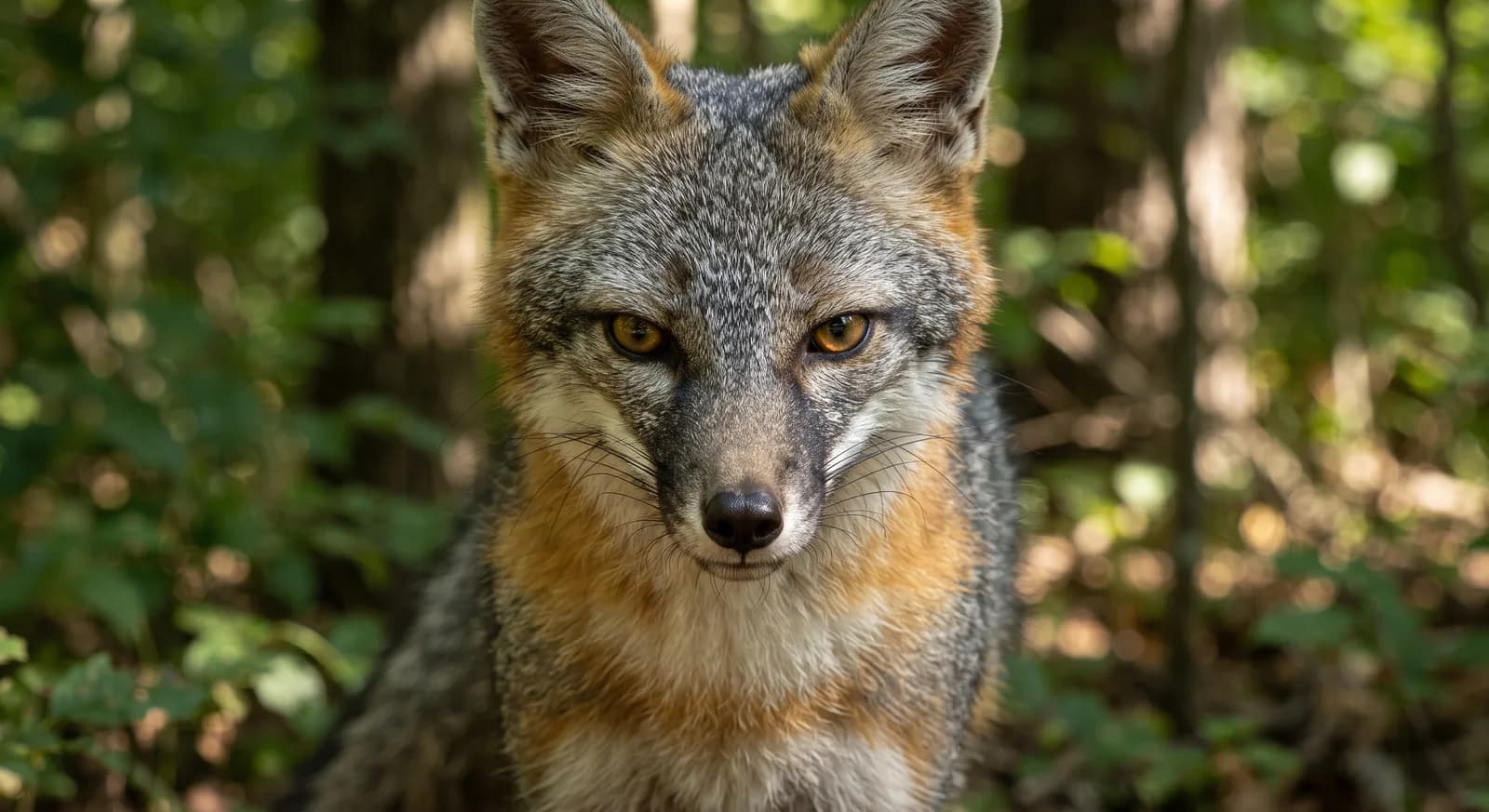
Gray Fox
Urocyon cinereoargenteus
Darwin's Fox
Lycalopex fulvipes
Pampas Fox
Lycalopex gymnocercus
Southern Monito del Monte
Dromiciops gliroides
 Least Concern
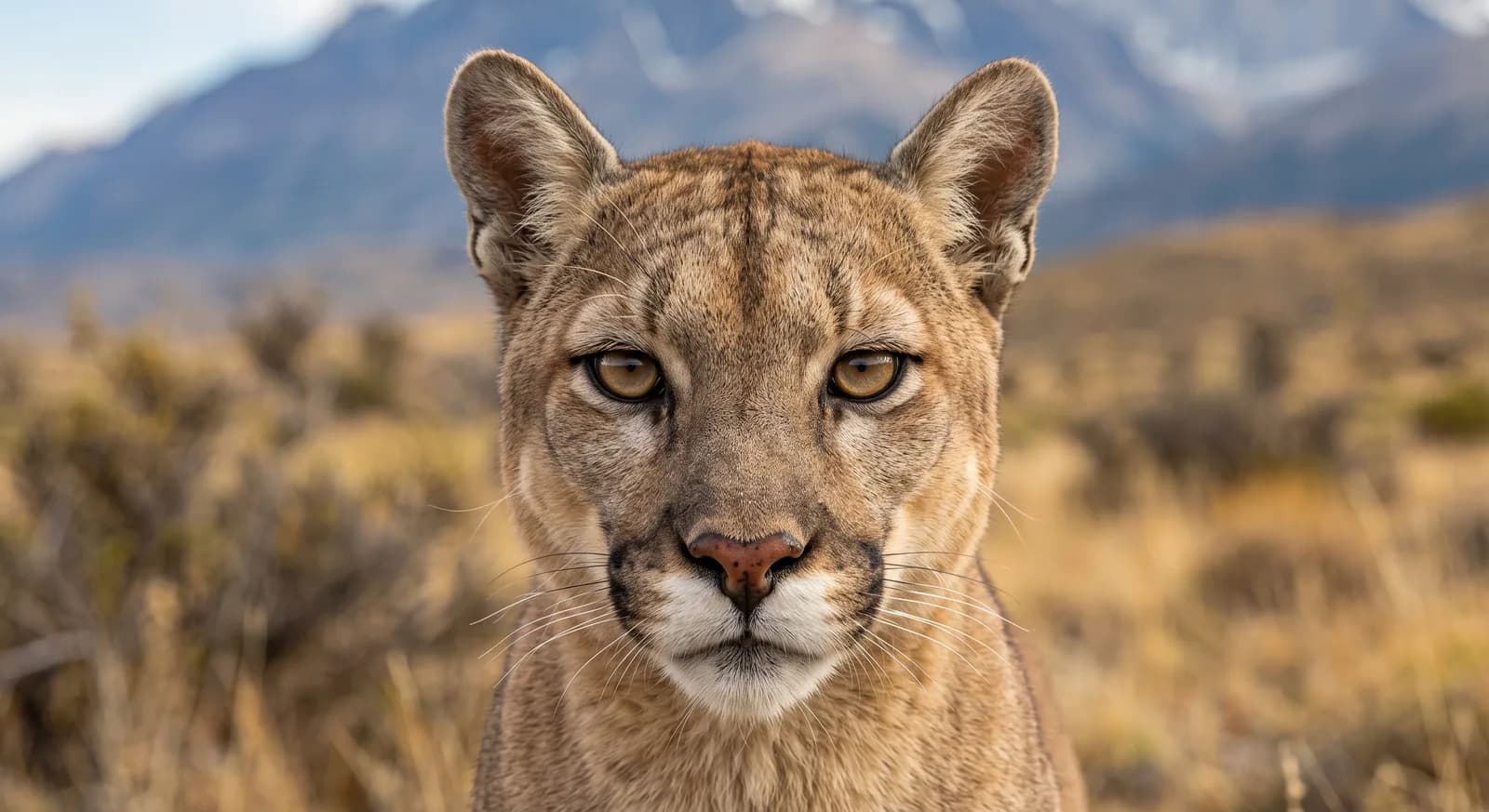
Puma
Puma concolor
Keep exploring
Based on what we already know about culpeo.
Comments
Share an experience, a fun fact or a tip for seeing the culpeo.
Be the first to comment.