One of the 17 foxes on WAnimals
Mammals · Carnivora · Canidae
Pampas Fox
Lycalopex gymnocercus
The species is abundant and widely distributed; it faces no significant short-term risk. See full glossary
The pampas fox — known in Spanish as zorro de las pampas or zorro gris pampeano — is a medium-sized canid of central and eastern South America, very like the South American grey fox but with a more easterly range. It is omnivorous and extraordinarily adaptable: rodents, birds, insects, fruit, carrion and also refuse on the edges of towns. It has benefited from the spread of farming and is now common on the Argentine and Uruguayan pampas, where stock farmers persecute it for its reputation as a lamb killer.
Weight
3 kg – 8 kg
Size
50 cm – 80 cm
Lifespan
14 years
Diet
Omnivore
Combines animal and plant food depending on availability.
Activity
Nocturnal
Active mainly at night.
Social structure
In pairs
Usually lives in pairs, sometimes for life.
Sighting difficulty
Easy
Fun facts
- GeneralCornered, it plays dead until the danger passes.
- When cornered and unable to flee it lies down on its side and plays dead, even letting itself be handled, and bolts the moment the danger is distracted: a rare behaviour among canids.
- It is one of the few South American carnivores to have extended its range along with farming: the conversion of forest into open country has opened up ground for it in areas where it was not previously found.
Life cycle & biology
- Skeleton type
- Vertebrate - internal bony skeleton (mammal)
- Habitat & environment
- Pampas, grassland, farmland and forest edges of central and eastern South America
- Sexual maturity
- 10 months
- Gestation / incubation
- 57 days
- Litter / clutch size
- 4
Sources consulted: https://www.iucnredlist.org/ | https://animaldiversity.org/ | https://es.wikipedia.org/
Where to find it
See its range on the interactive mapWhere to watch it
Parques y spots de buceo donde se ha documentado esta especie — se muestran 10 de 23 documentados.
Related species
Other species in the catalogue with the most in common with Pampas Fox — same habitat, park, country, tags or family.
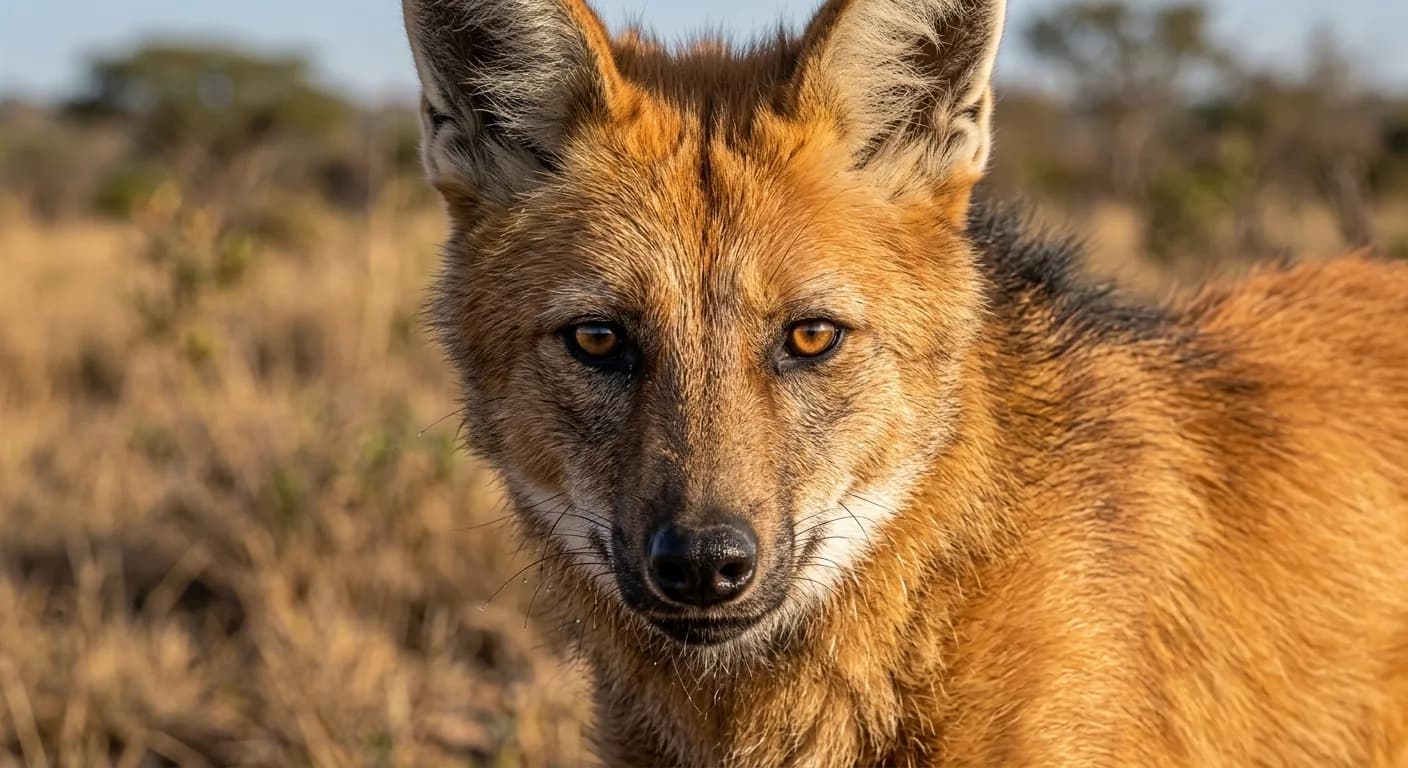 Near Threatened
Maned Wolf
Chrysocyon brachyurus
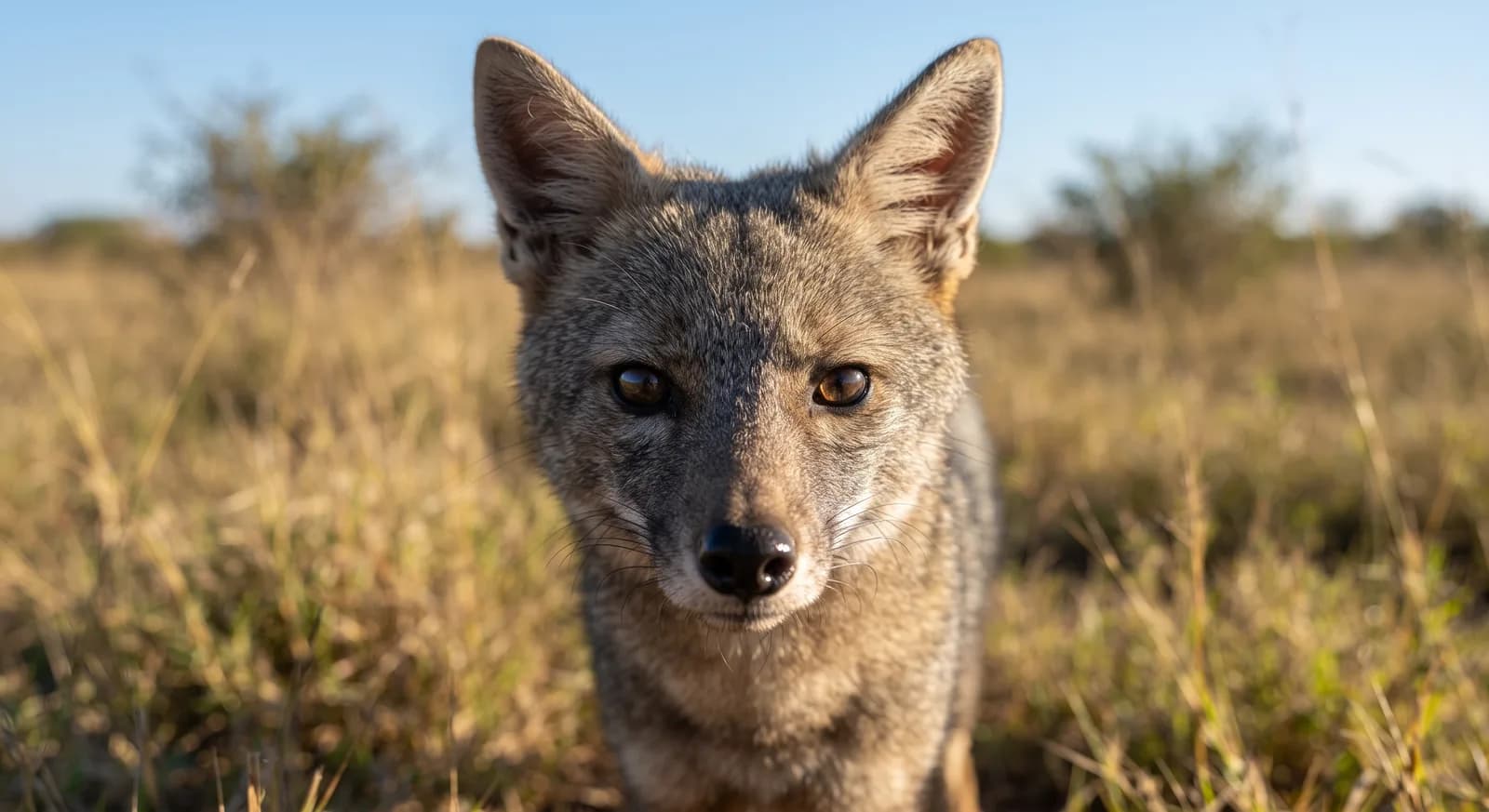 Least Concern
Crab-eating Fox
Cerdocyon thous
 Least Concern
Culpeo
Lycalopex culpaeus
 Least Concern
Gray Fox
Urocyon cinereoargenteus
Pampas Fox
Lycalopex griseus
Southern Monito del Monte
Dromiciops gliroides
Keep exploring
Based on what we already know about pampas fox.
Comments
Share an experience, a fun fact or a tip for seeing the pampas fox.
Be the first to comment.