One of the 17 foxes on WAnimals
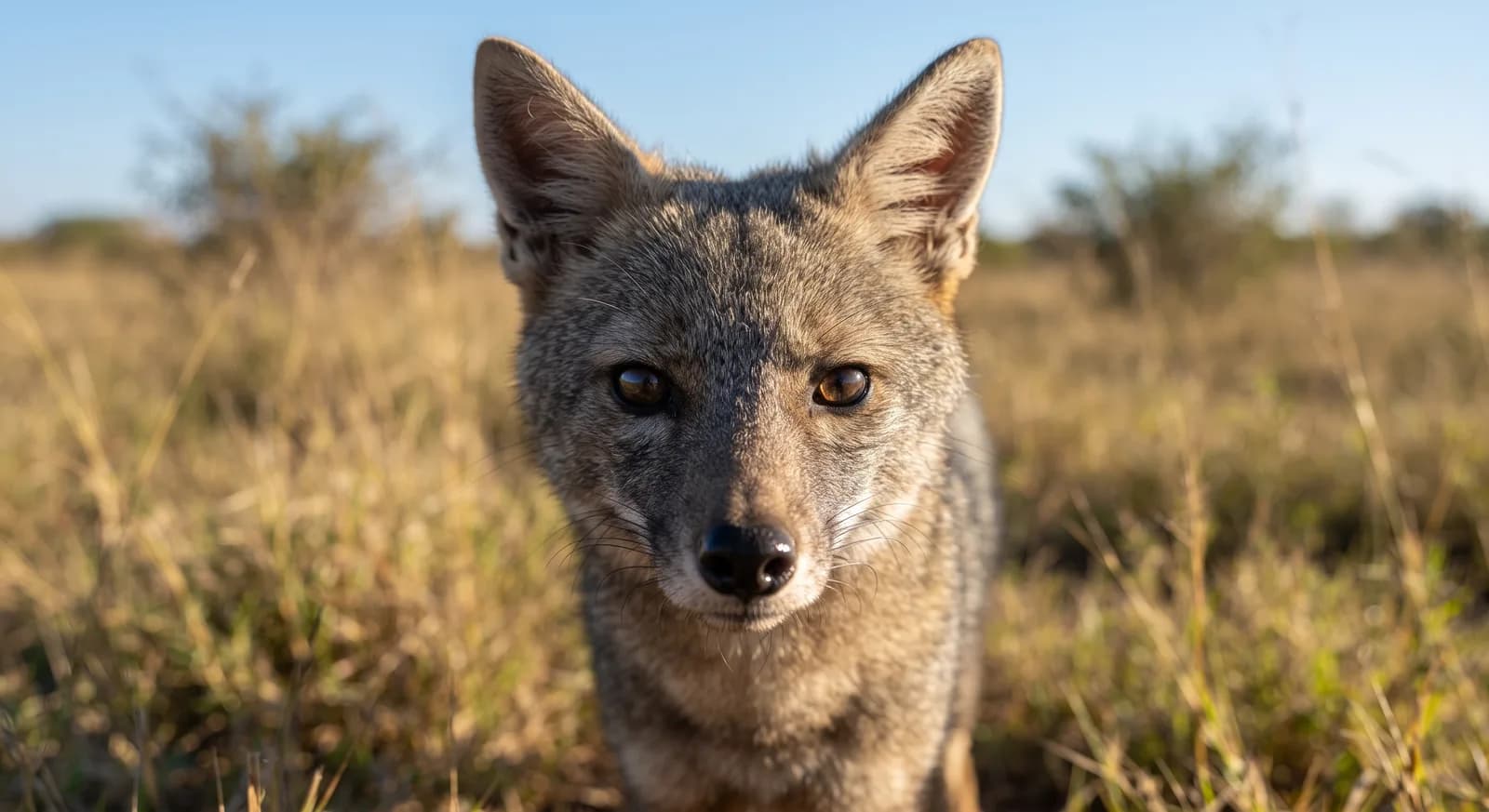
Mammals · Carnivora · Canidae
Crab-eating Fox
Cerdocyon thous
The species is abundant and widely distributed; it faces no significant short-term risk. See full glossary
It is the commonest wild canid in Brazil and plays a crucial ecological role as a seed disperser and a check on rodent numbers.
Weight
4.5 kg – 8.5 kg
Size
57 cm – 77 cm
Lifespan
10 years
Diet
Omnivore
Combines animal and plant food depending on availability.
Activity
Nocturnal
Active mainly at night.
Social structure
In pairs
Usually lives in pairs, sometimes for life.
Sighting difficulty
Easy
Fun facts
- It forms socially monogamous pairs in which both parents take an active part in rearing the pups.
- It eats fruit, insects, crabs, small vertebrates and amphibians.
- It lives in savannah, woodland and scrub across much of South America.
Life cycle & biology
- Skeleton type
- Vertebrate - internal bony skeleton (mammal)
- Habitat & environment
- Savannah, woodland and scrub across much of South America
- Birth weight
- Born blind and helpless
- Size at birth
- Born blind and helpless
- Gestation / incubation
- 52-59 days (average 56 days)
- Litter / clutch size
- 2 to 6 pups per litter (average 3-4)
- Lifespan in captivity
- Documented record of up to 11-12 years
Sources consulted: Animal Diversity Web; A-Z Animals; Onçafari; Wikipedia (Crab-eating fox); ScienceDirect Topics; PMC (Ecuador ecological genetic records study)
Where to find it
See its range on the interactive mapWhere to watch it
Parks and dive sites where this species has been documented.
Related species
Other species in the catalogue with the most in common with Crab-eating Fox — same habitat, park, country, tags or family.
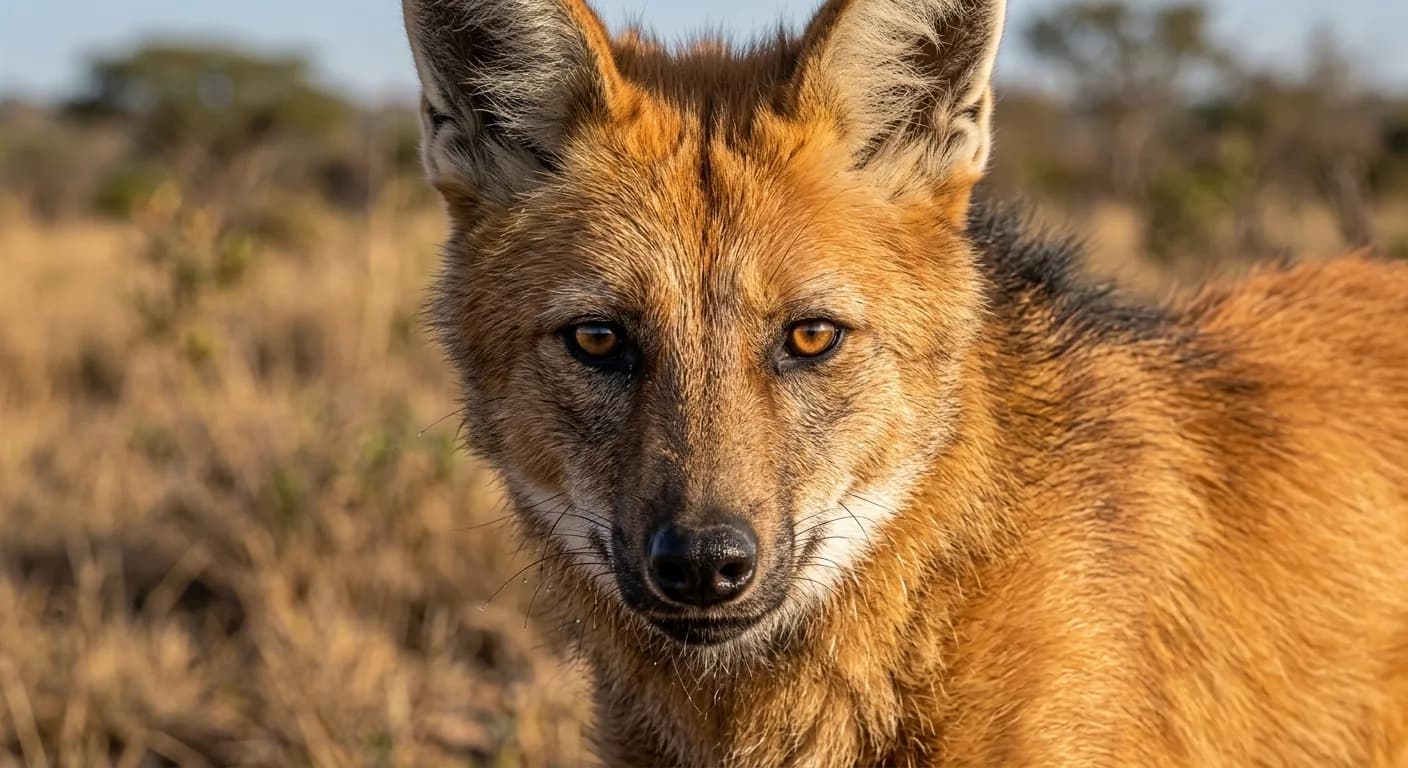 Near Threatened
Maned Wolf
Chrysocyon brachyurus
Pampas Fox
Lycalopex gymnocercus
Bush Dog
Speothos venaticus
Common Opossum
Didelphis marsupialis
Southern Tamandua
Tamandua tetradactyla
Keep exploring
Based on what we already know about crab-eating fox.
Comments
Share an experience, a fun fact or a tip for seeing the crab-eating fox.
Be the first to comment.