One of the 17 foxes on WAnimals
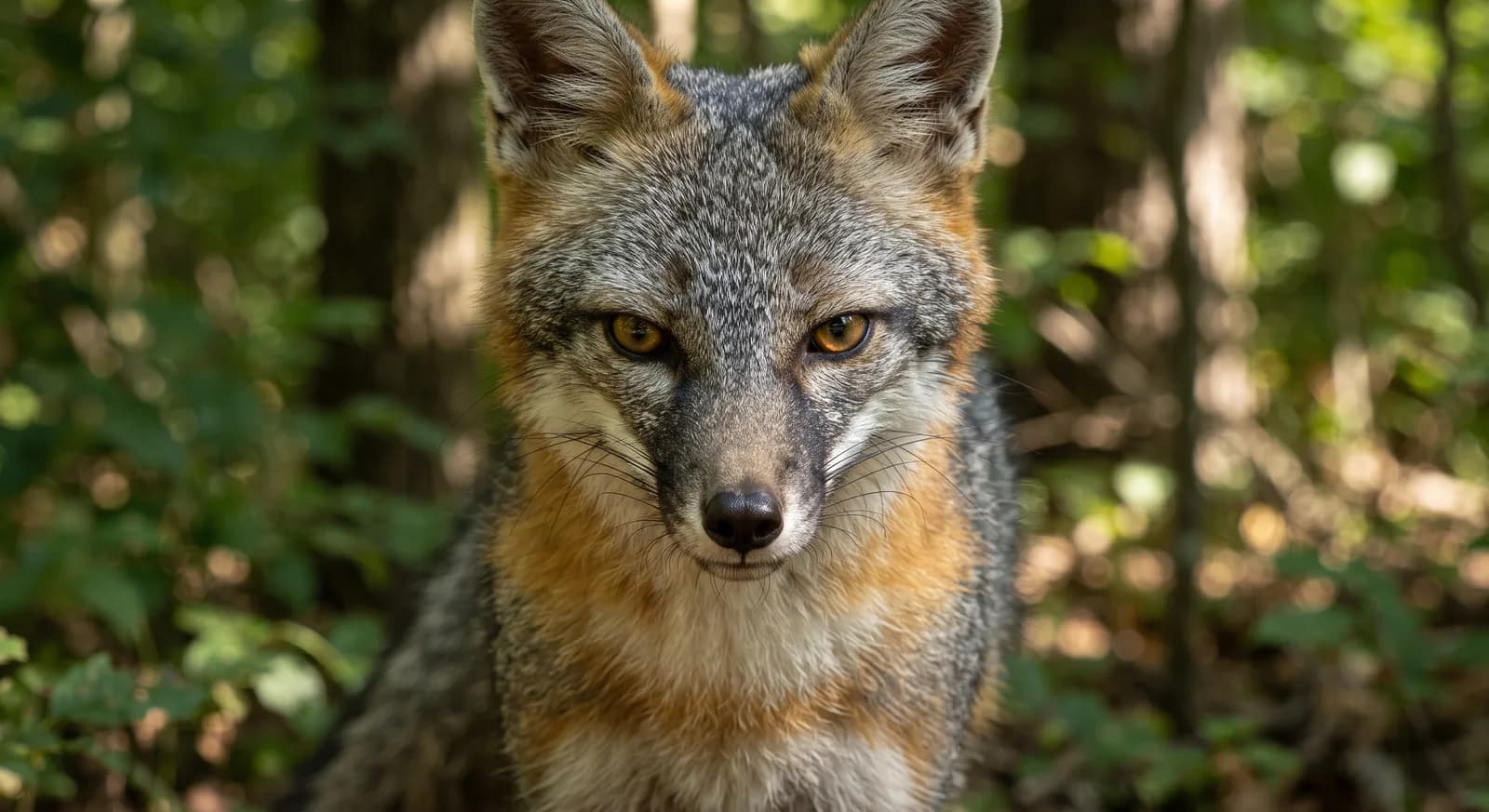
Mammals · Carnivora · Canidae
Gray Fox
Urocyon cinereoargenteus
The species is abundant and widely distributed; it faces no significant short-term risk. See full glossary
It is one of the few canids able to climb trees with any skill, thanks to semi-retractile claws and flexible wrists that let it hug the trunk.
Weight
3 kg – 7 kg
Size
75 cm – 1.1 m
Lifespan
6 years
Diet
Omnivore
Combines animal and plant food depending on availability.
Activity
Nocturnal
Active mainly at night.
Social structure
Solitary
Lives and hunts alone, joining others only to breed.
Sighting difficulty
Easy
Fun facts
- This behaviour, unique among North American canids, serves it both to escape predators and to reach fruit.
- It eats small mammals, insects, fruit and seeds.
- It lives in dense woodland across much of North America and northern South America.
- locomociónIt is one of the few canids that actively climbs trees, thanks to semi-retractile claws and more flexible forelimbs than other foxes have.
Life cycle & biology
- Skeleton type
- Vertebrate - internal bony skeleton (mammal)
- Habitat & environment
- Dense woodland across much of North America and northern South America
- Birth weight
- ~95 g at birth
- Size at birth
- ~95 g at birth
- Sexual maturity
- 10 months
- Gestation / incubation
- ~57 days
- Litter / clutch size
- 1 to 7 young per litter (average 4)
- Lifespan in captivity
- Documented record of up to 16.2 years
Sources consulted: AnAge (genomics.senescence.info); NPS Grand Canyon; USGS (ecology management); Wikipedia (comparative reference via Gray fox pages)
Where to find it
See its range on the interactive mapWhere to watch it
Parques y spots de buceo donde se ha documentado esta especie — se muestran 10 de 21 documentados.
Related species
Other species in the catalogue with the most in common with Gray Fox — same habitat, park, country, tags or family.
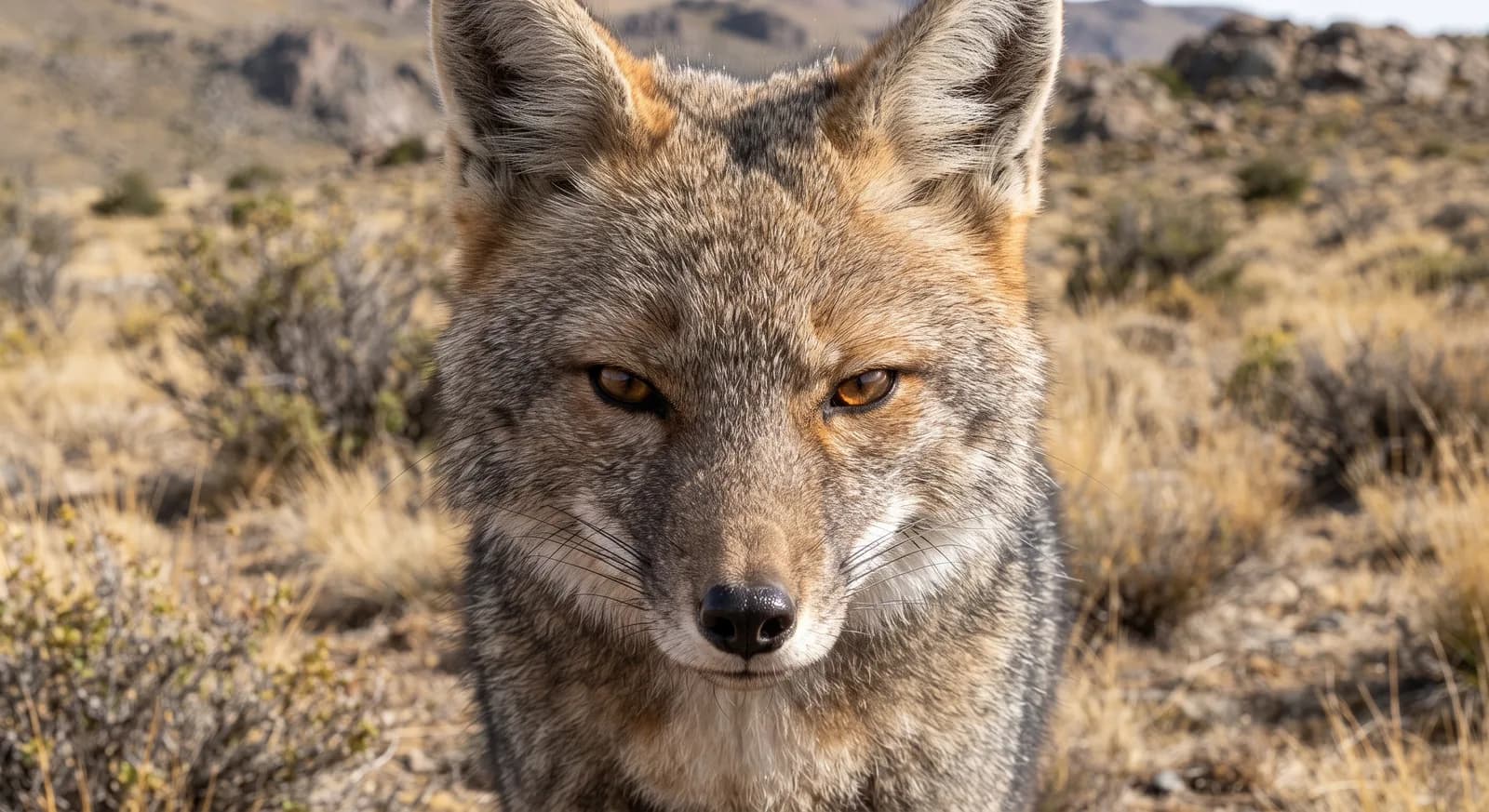 Least Concern
Culpeo
Lycalopex culpaeus
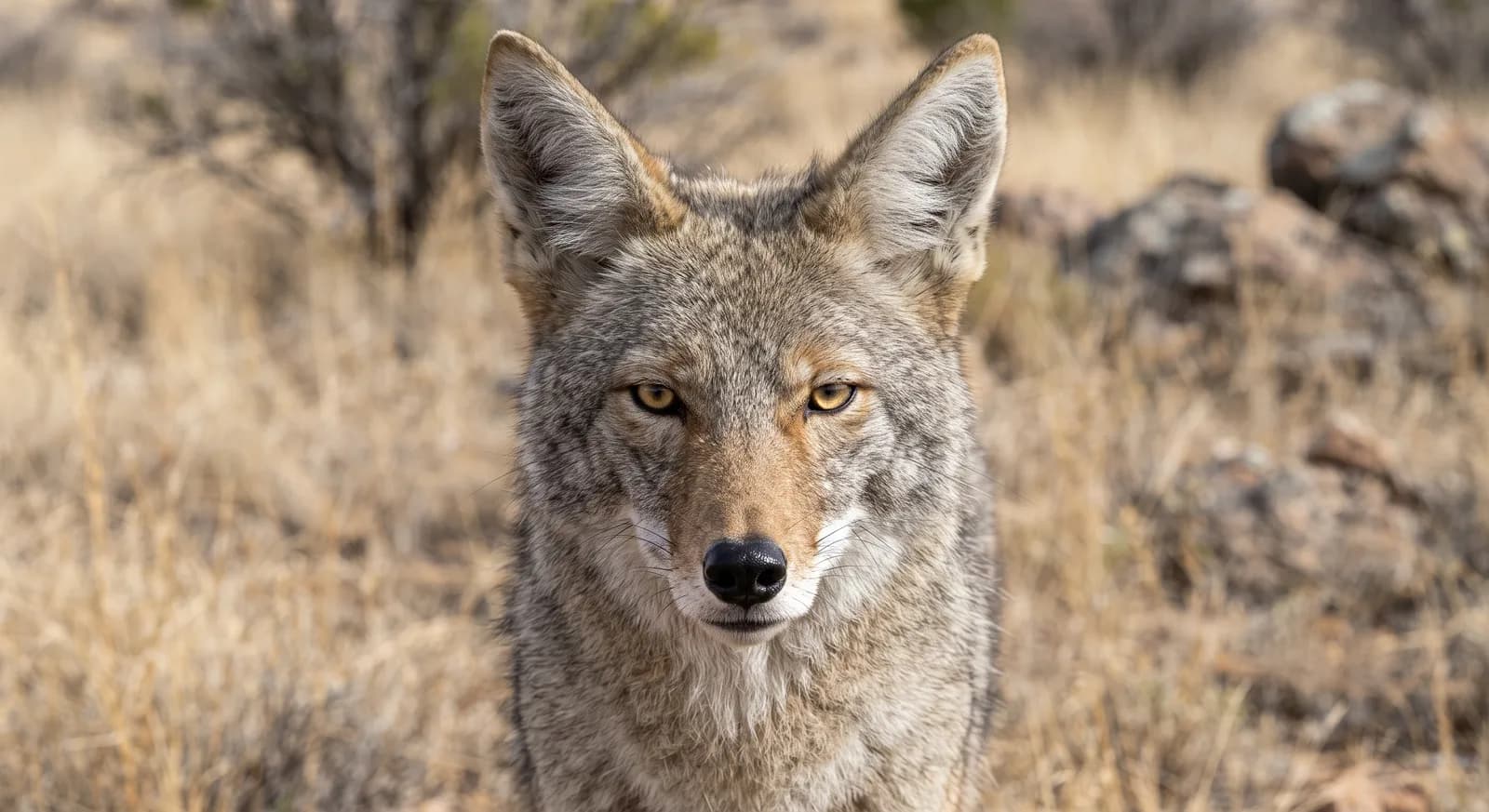 Least Concern
Coyote
Canis latrans
Pampas Fox
Lycalopex gymnocercus
Kit Fox
Vulpes macrotis
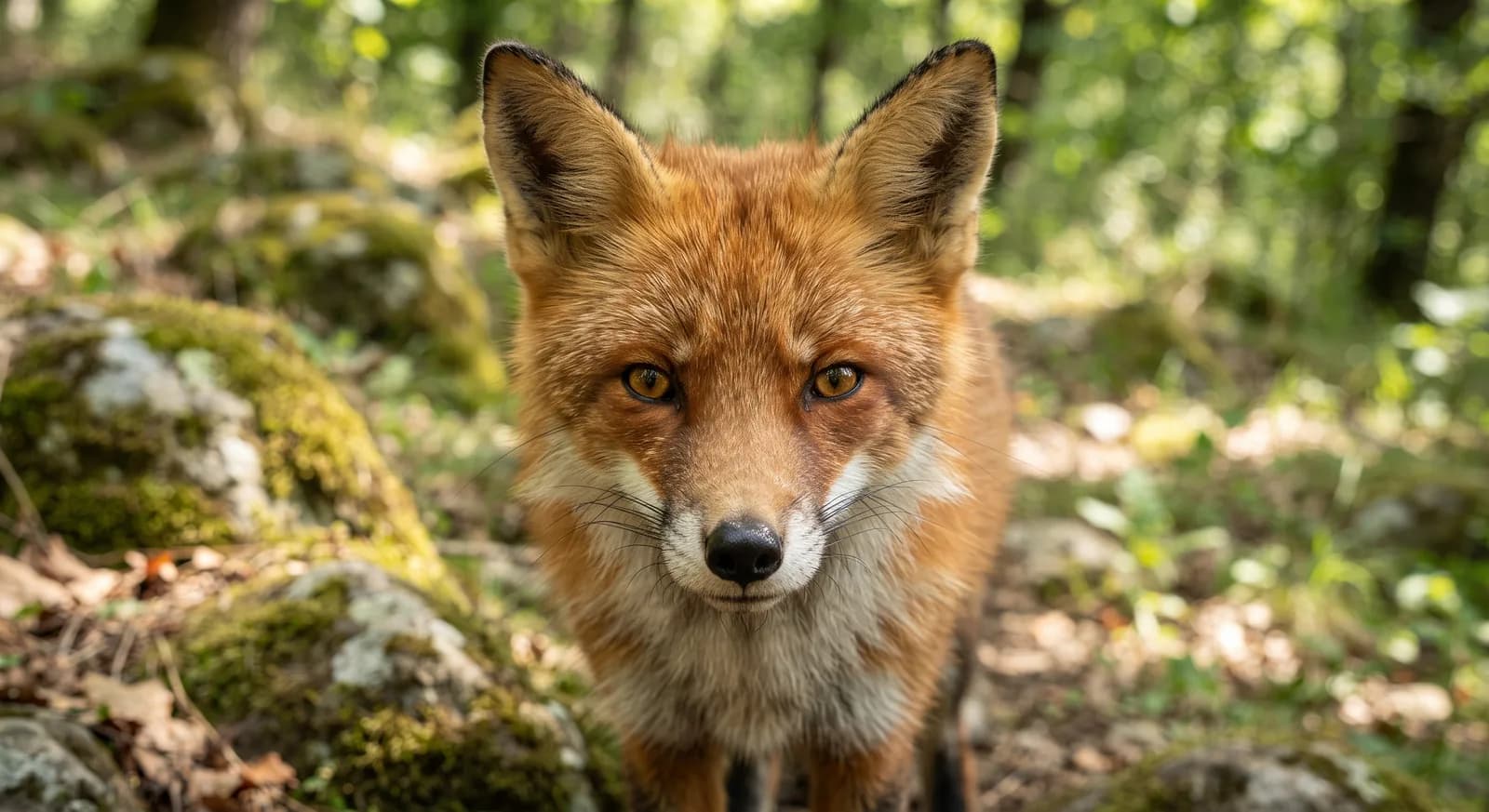 Least Concern
Red Fox
Vulpes vulpes
Virginia Opossum
Didelphis virginiana
Keep exploring
Based on what we already know about gray fox.
Comments
Share an experience, a fun fact or a tip for seeing the gray fox.
Be the first to comment.