One of the 17 foxes on WAnimals
Mammals · Carnivora · Canidae
Darwin's Fox
Lycalopex fulvipes
It faces a very high risk of extinction in the wild in the near future. See full glossary
Darwin's fox is a small, dark, short-legged canid endemic to the temperate rainforest of southern Chile. Charles Darwin collected it on the island of Chiloé in 1834 during the voyage of the Beagle, and for a long time it was considered an island subspecies of the South American grey fox. Genetic analysis in the 1990s showed that it is a species of its own and a very ancient one. It survives in two pockets: Chiloé and the Nahuelbuta range, on the mainland.
Weight
1.9 kg – 4 kg
Size
48 cm – 60 cm
Lifespan
7 years
Diet
Omnivore
Combines animal and plant food depending on availability.
Activity
Nocturnal
Active mainly at night.
Social structure
Solitary
Lives and hunts alone, joining others only to breed.
Sighting difficulty
Hard
Estimated population
Fewer than 1,000 mature individuals
Fun facts
- GeneralDiscovered by Darwin in 1834; fewer than 1,000 remain.
- Darwin collected it himself on Chiloé in 1834, and the specimen he took back to England is the type of the species that now bears his name.
- Its two populations are some 600 kilometres apart and have been out of contact for thousands of years: the one on Chiloé and the relict one in Nahuelbuta, in the coastal range.
Life cycle & biology
- Skeleton type
- Vertebrate - internal bony skeleton (mammal)
- Habitat & environment
- Valdivian temperate rainforest and coastal scrub of southern Chile and the island of Chiloé
- Gestation / incubation
- 2 months
- Litter / clutch size
- 2
Sources consulted: https://es.wikipedia.org/wiki/Lycalopex_fulvipes
Where to watch it
Parks and dive sites where this species has been documented.
Related species
Other species in the catalogue with the most in common with Darwin's Fox — same habitat, park, country, tags or family.
Pampas Fox
Lycalopex griseus
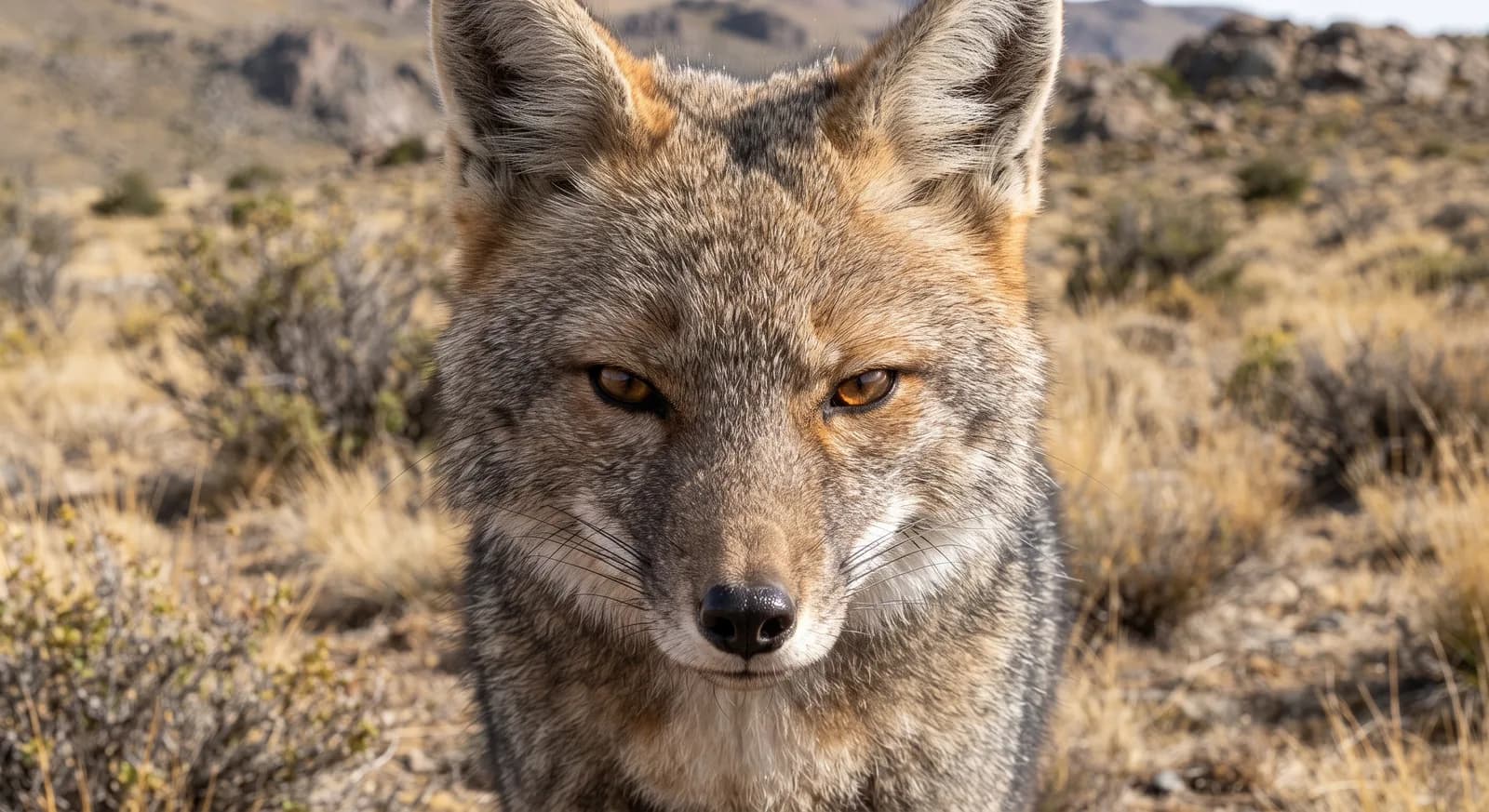 Least Concern
Culpeo
Lycalopex culpaeus
 Endangered
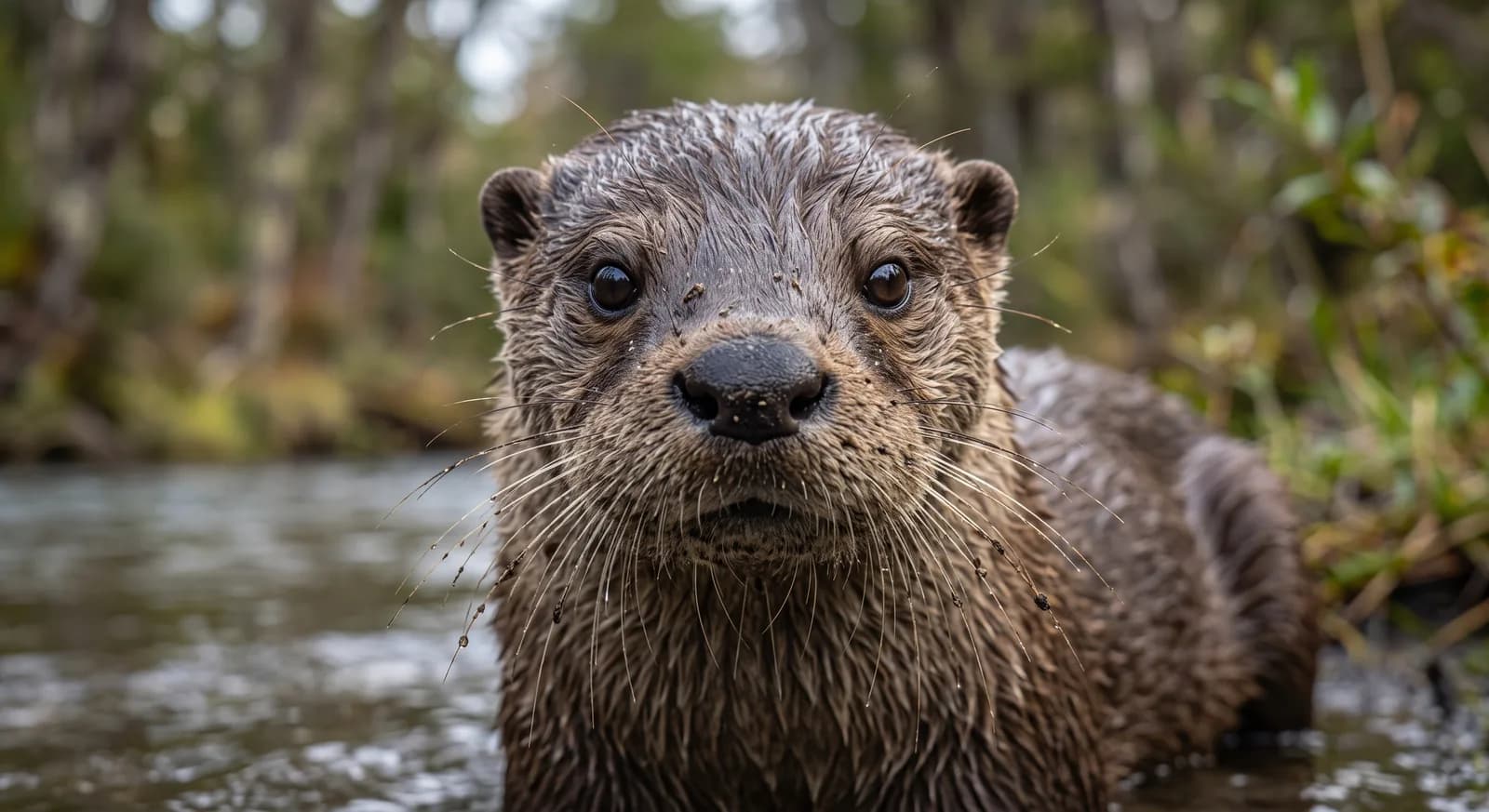
Southern River Otter
Lontra provocax
Pampas Fox
Lycalopex gymnocercus
Southern Monito del Monte
Dromiciops gliroides
 Endangered
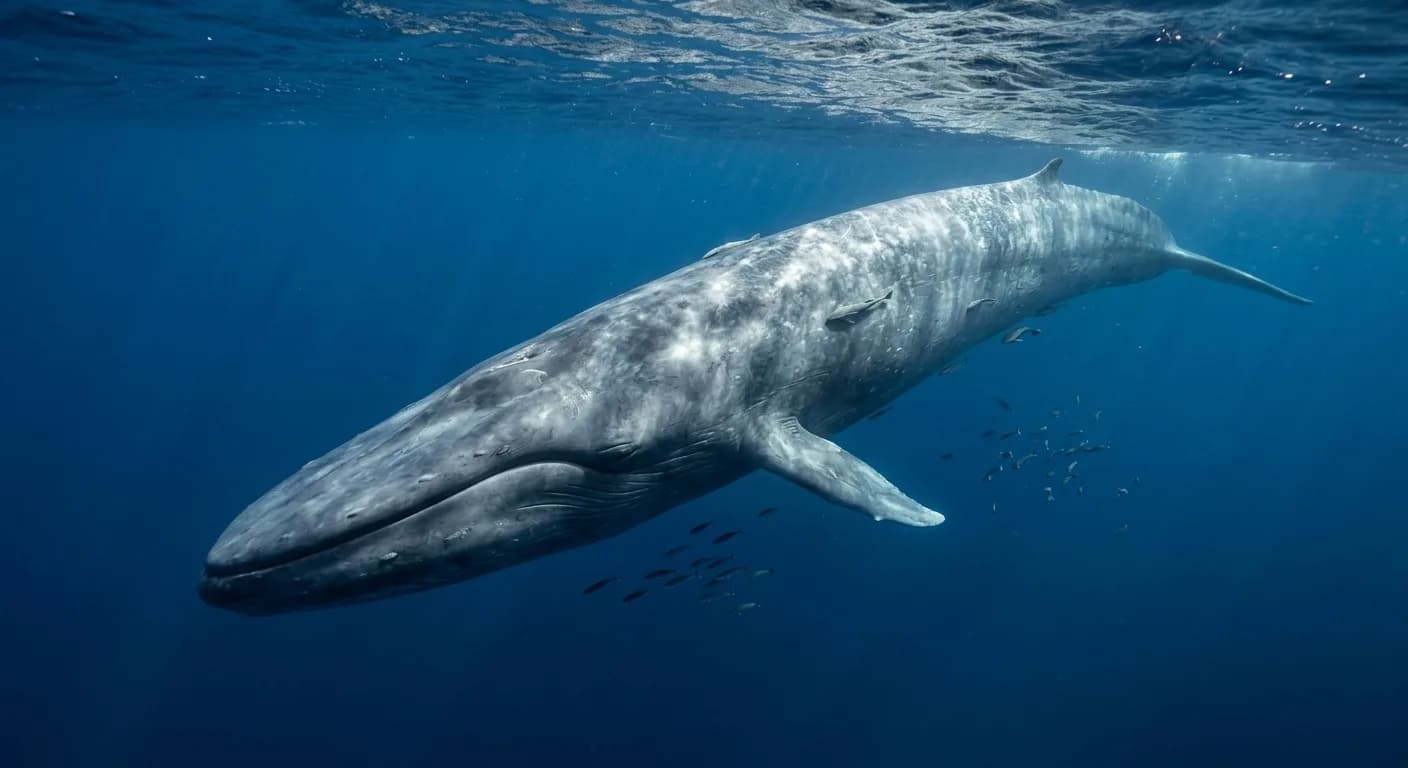
Blue Whale
Balaenoptera musculus
How to help
The darwin's fox is classified as endangered. Organizations such as UICN, WWF y Wildlife Conservation Society work specifically on its conservation and that of its habitat; looking into their programs is a good starting point if you want to get involved.
It's documented in 5 real protected areas — part of why protecting these places matters for its conservation.
Keep exploring
Based on what we already know about darwin's fox.
Comments
Share an experience, a fun fact or a tip for seeing the darwin's fox.
Be the first to comment.