Eduardo Avaroa
Bolivia · Altiplano (Potosí)It holds the Laguna Colorada, a deep red from microscopic algae, and geysers above 4,800 metres
Area
7,147 km²
Declared in
1973
Region
Altiplano (Potosí)
Climate
Tropical, Polar / frío, Montañoso
Length of its routes
3–4 days
Difficulty of its routes
Media
Plan your visit
- Length of its routes
- 3–4 days
- Difficulty of its routes
- Media
- Area
- 7,147 km²
Highlight
It holds the Laguna Colorada, a deep red from microscopic algae, and geysers above 4,800 metres
Declared in 1973, it protects a volcanic altiplano averaging over 4,500 metres in Bolivia's far south-west, celebrated for the Laguna Colorada, whose deep red comes from blooms of microscopic algae and mineral sediment, and which is critical habitat for three species of high Andean flamingo. Its geothermal fields — known as Sol de Mañana — with geysers, fumaroles and pools of boiling mud above 4,800 metres, are among the highest active geothermal systems on the planet. It is the usual final stage of the multi-day 4x4 circuits that cross the neighbouring Salar de Uyuni, the largest salt flat in the world.
Location
See on the interactive map13 species documented in Eduardo Avaroa
At conservation risk:Chinchilla de cola corta,Flamenco andino,Gato andino
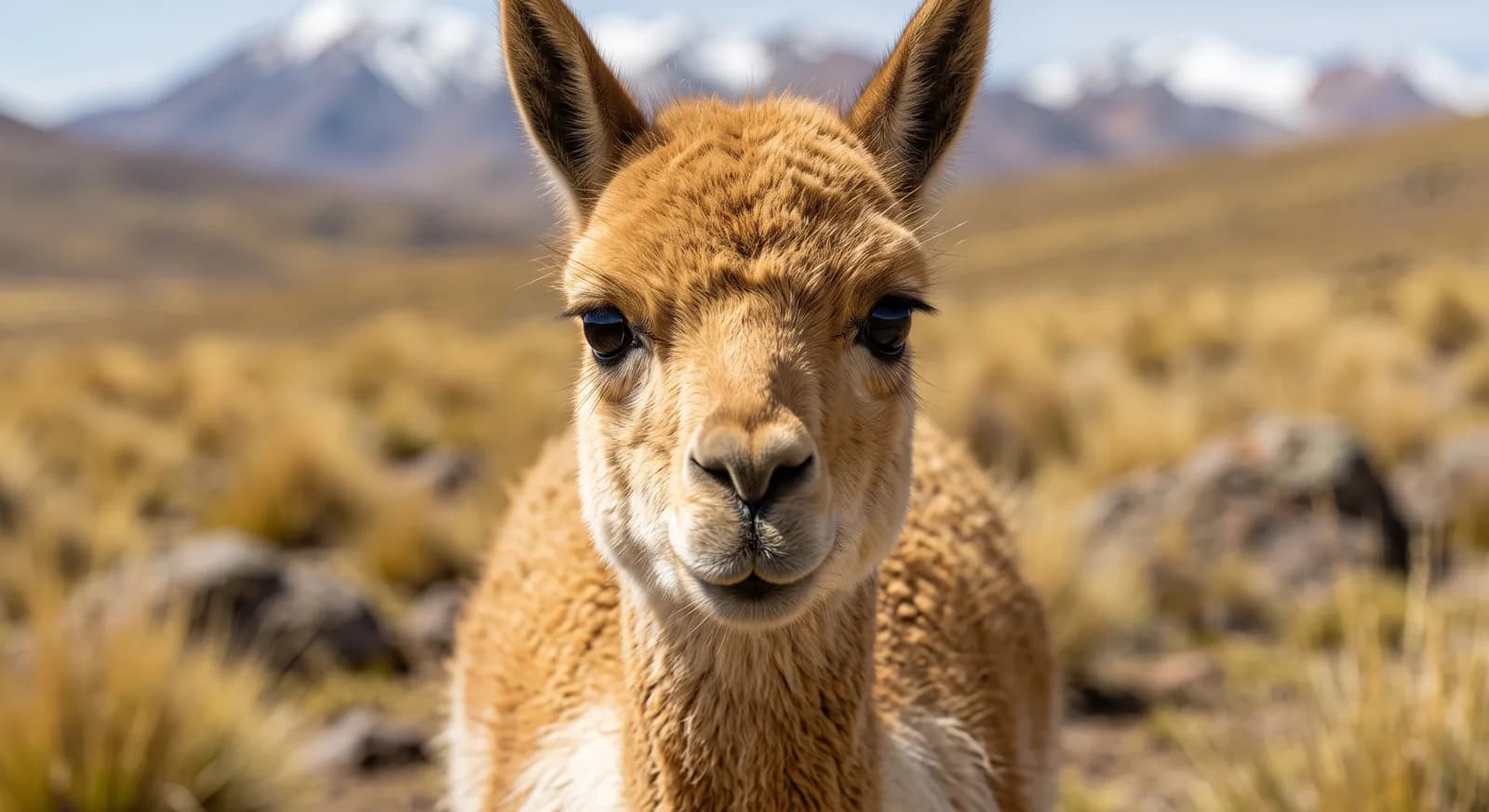 Least Concern
Vicuña
Vicugna vicugna
Chinchilla de cola corta
Chinchilla chinchilla
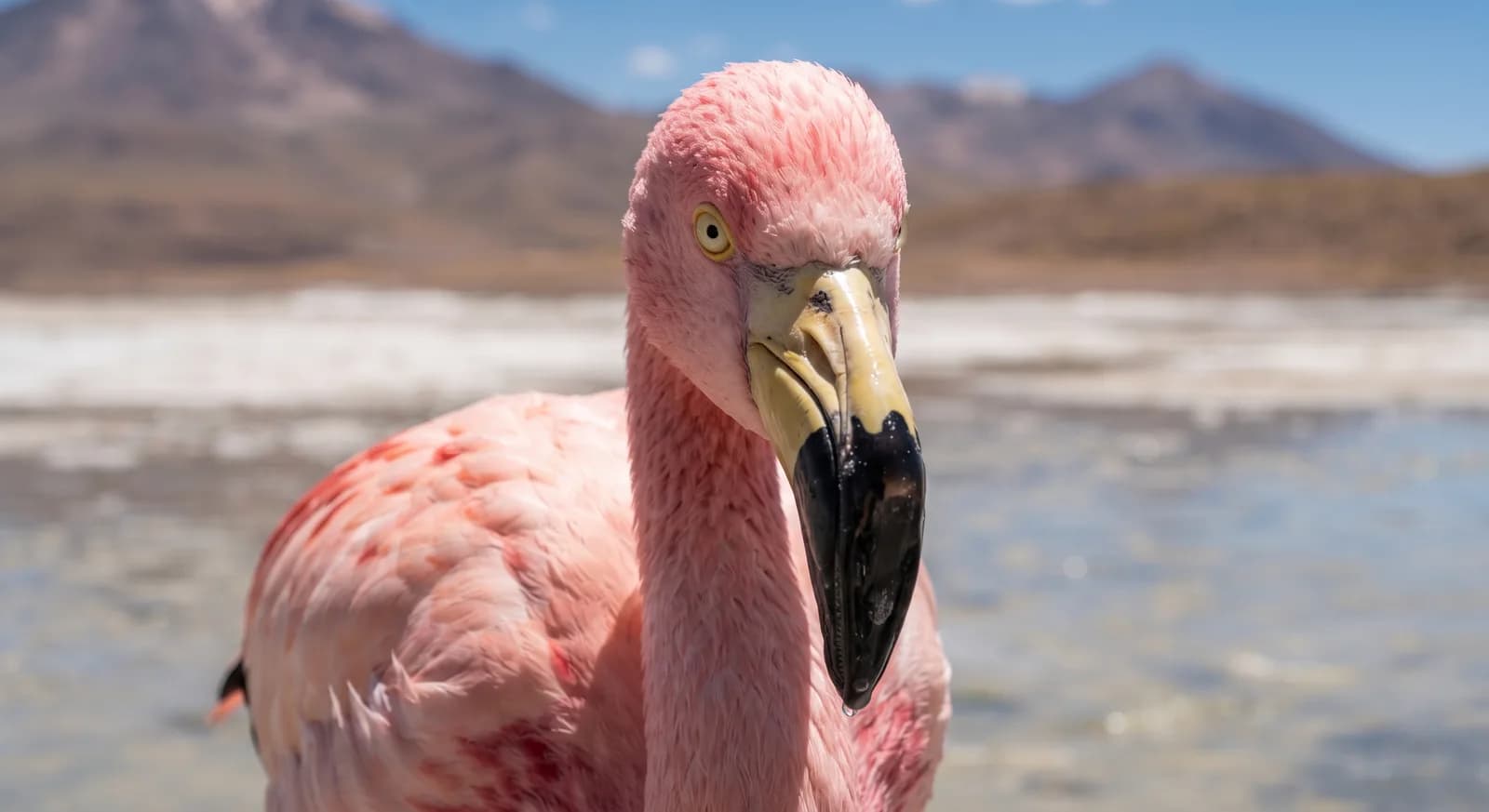 Vulnerable
Flamenco andino
Phoenicoparrus andinus
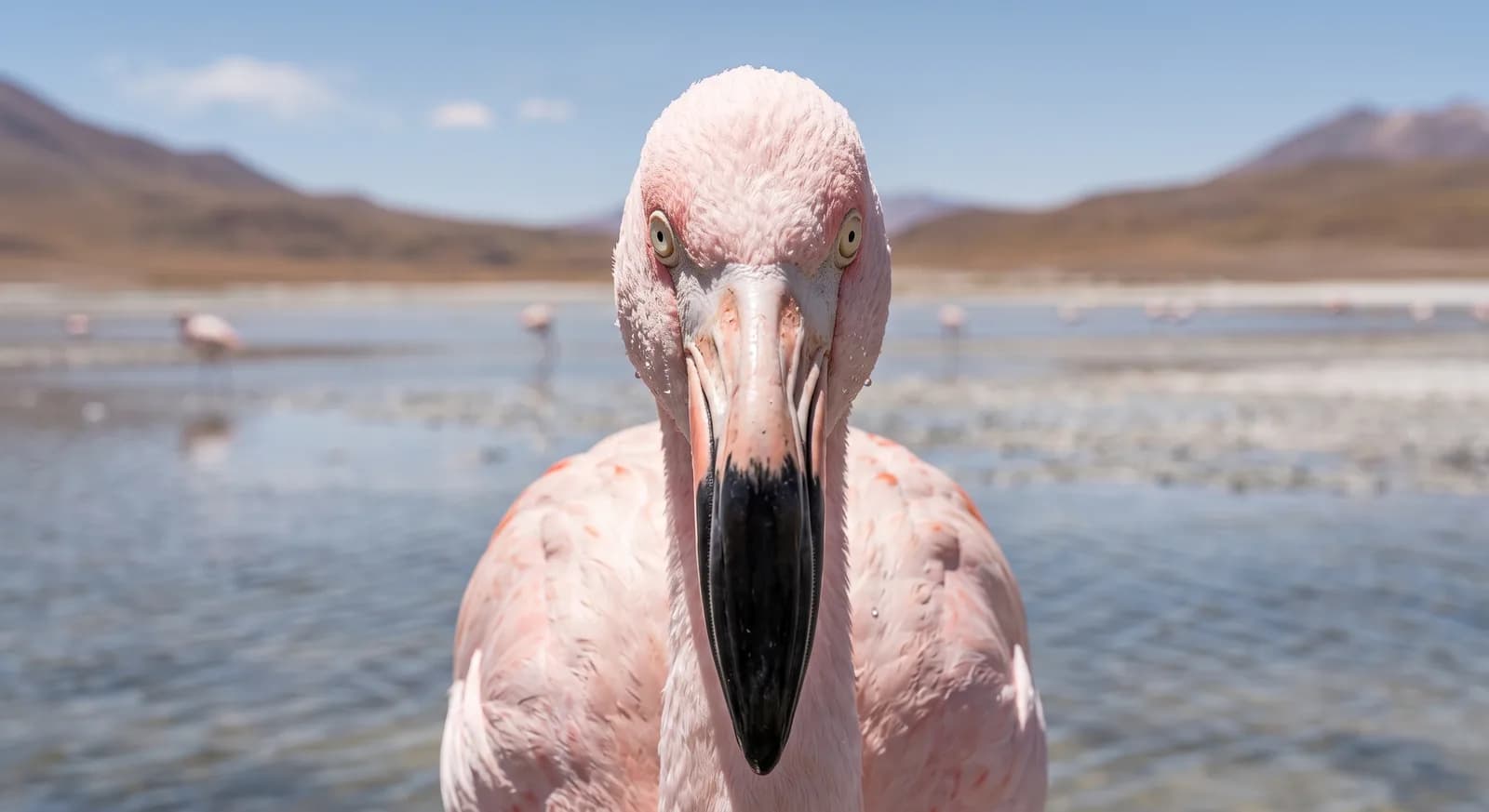 Near Threatened
Flamenco chileno
Phoenicopterus chilensis
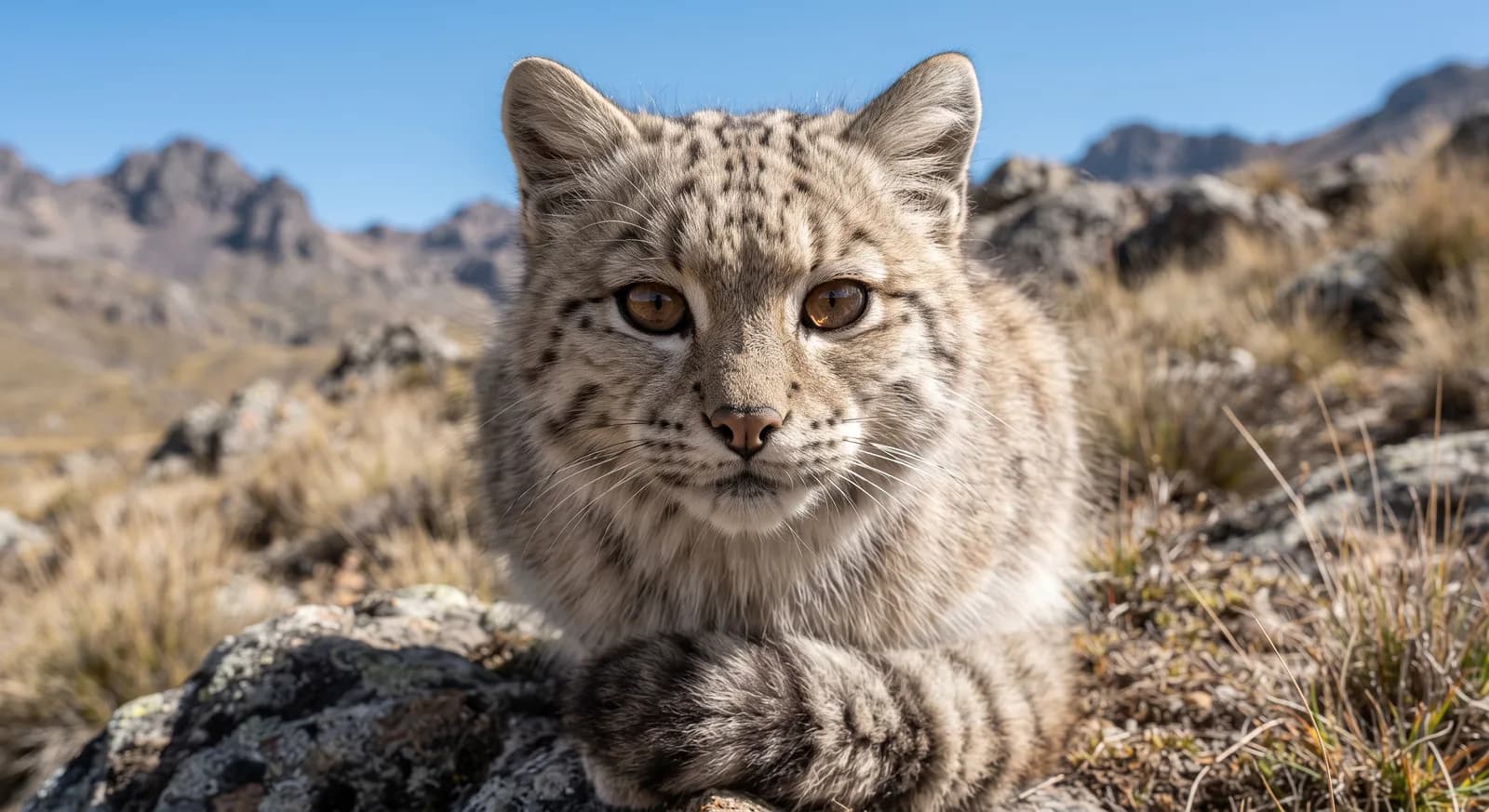 Endangered
Gato andino
Leopardus jacobita
 Least Concern
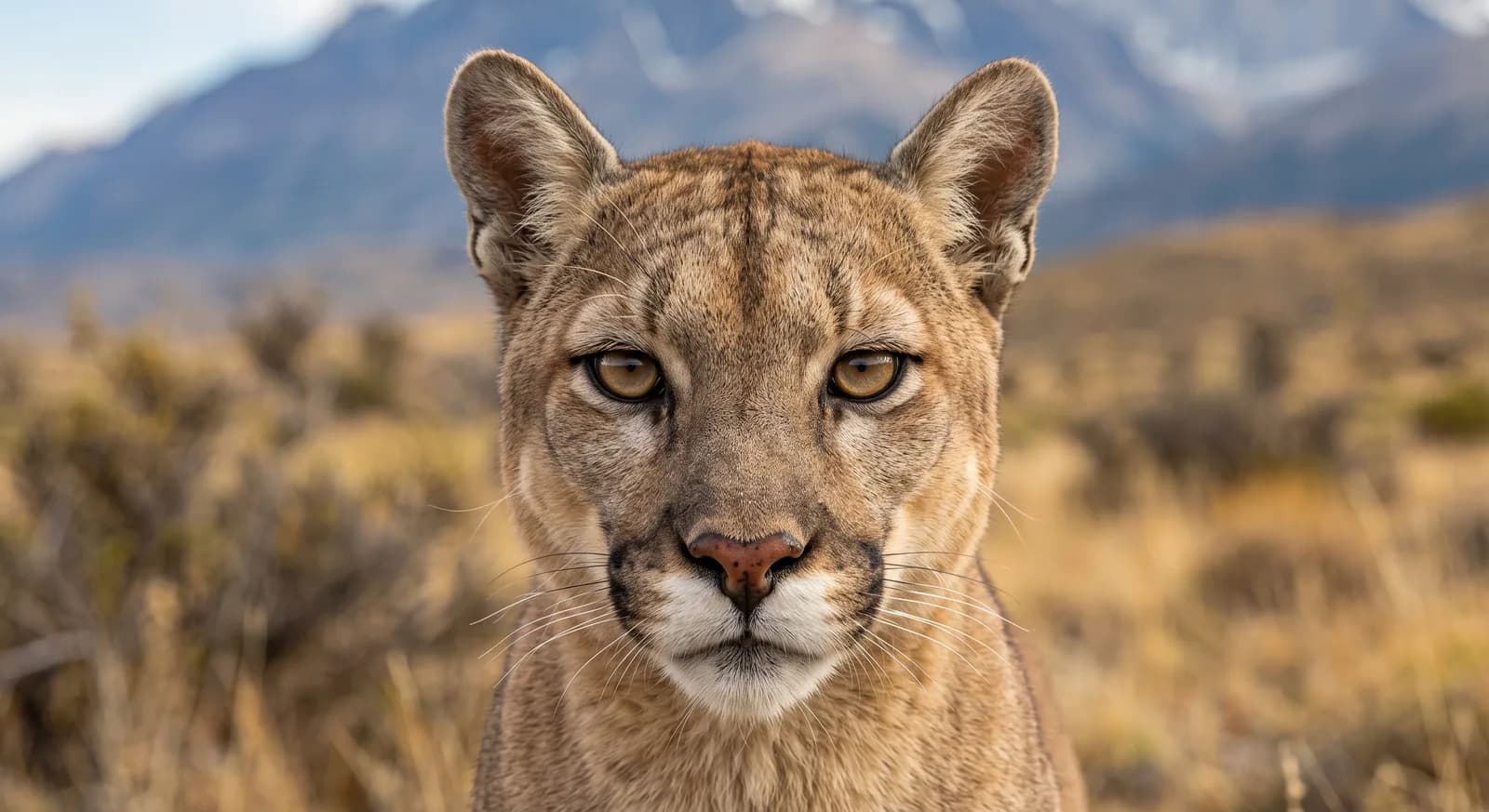
Puma
Puma concolor
 Least Concern
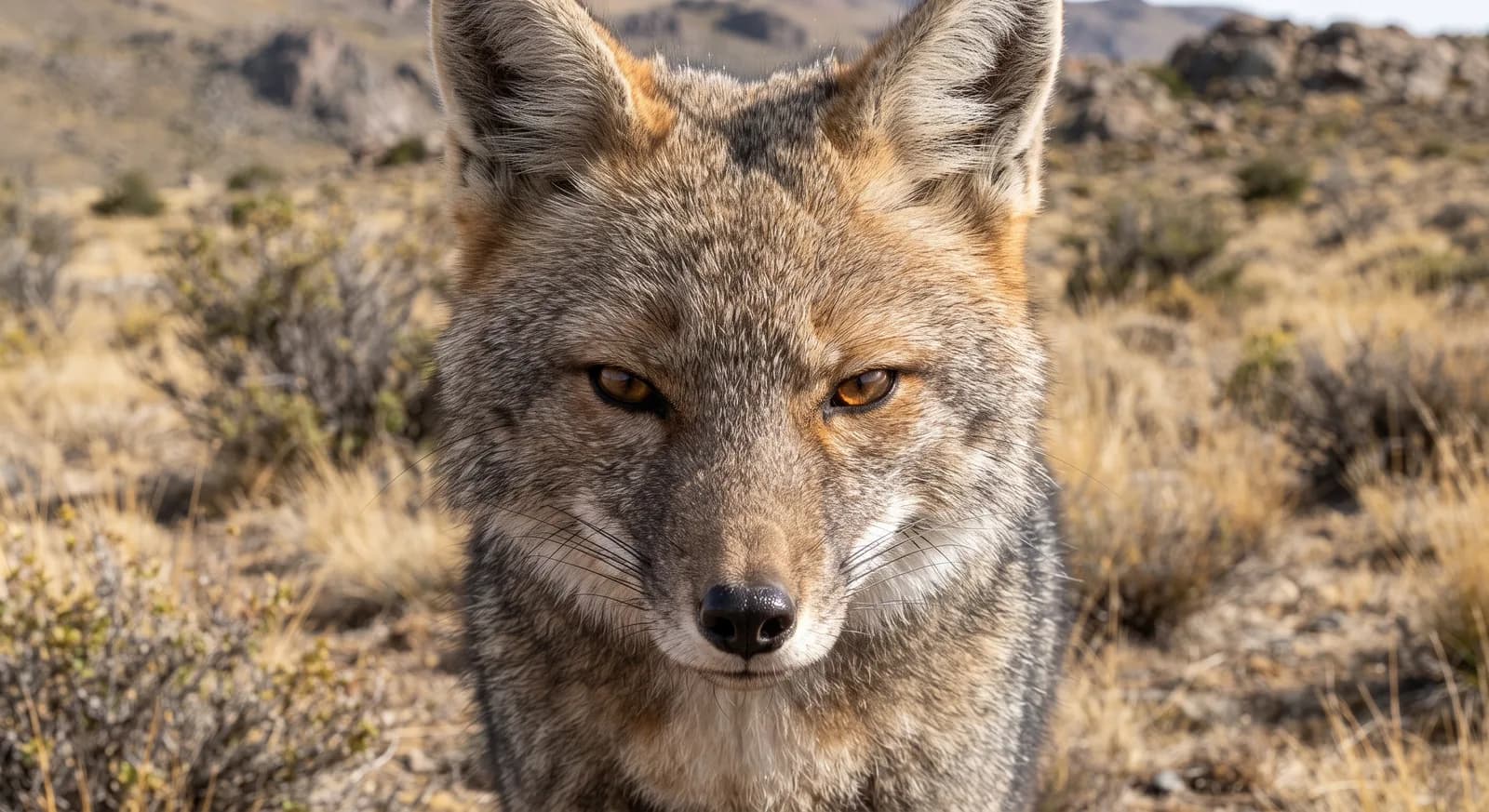
Zorro culpeo
Lycalopex culpaeus
 Near Threatened
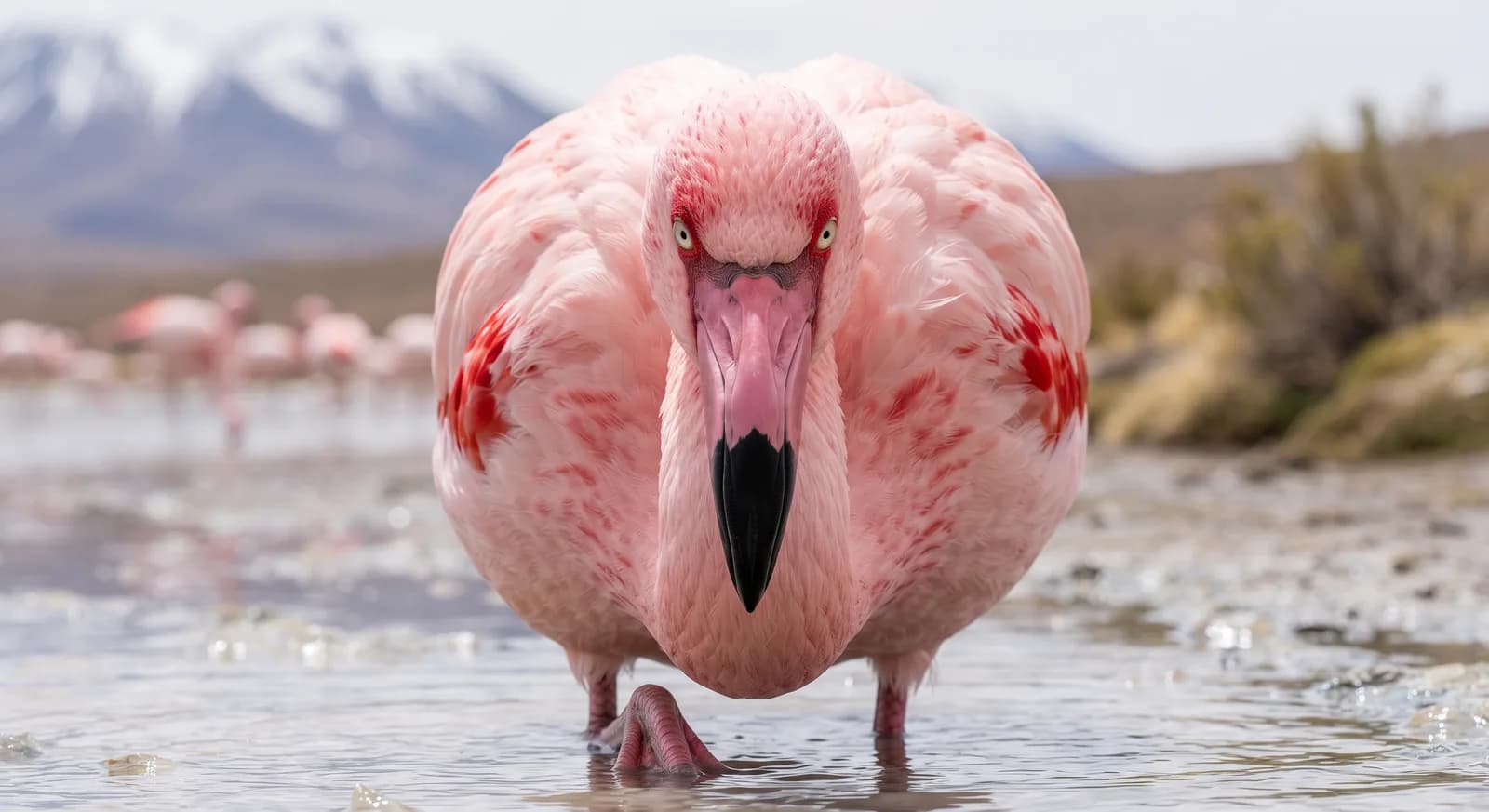
Flamenco de James
Phoenicoparrus jamesi
Colibrí gigante
Patagona gigas
Gato colocolo
Leopardus colocolo
Gaviota andina
Chroicocephalus serranus
Ñandú petiso
Rhea pennata
Flora and ecosystems
Ecosystems found in Bolivia, where Eduardo Avaroa lies.
Experiences in this park
Similar parks
Which other parks are like this one?
Amboró
Bolivia
Andean Bear · Jaguar
View parkMismo país: Bolivia
Kaa-Iya del Gran Chaco
Bolivia
Chacoan Peccary · Jaguar
View parkMismo país: Bolivia
Madidi
Bolivia
Jaguar · spectacled bear
View parkMismo país: Bolivia
Keep exploring
Based on what we already know about Eduardo Avaroa.
Your rating
How many stars would you give Eduardo Avaroa?
Comments
Share your experience visiting Eduardo Avaroa, or a tip for other travellers.
Be the first to comment.