One of the 2 rheas on WAnimals
Birds · Rheiformes · Rheidae
Lesser Rhea
Rhea pennata
It could become endangered in the near future if current threats go unchecked. See full glossary
The lesser rhea, also known as Darwin's rhea, and in Spanish as ñandú petiso, ñandú de Magallanes, choique, suri or simply ñandú, is a rheiform bird of the family Rheidae native to the southern Andean region of South America and to Patagonia. It is a large flightless bird, the smaller of the two living rhea species. It is found on the Andean altiplano of Peru and Bolivia, the northern Andean part of Argentina and Chile, and in Patagonia.
Weight
15 kg – 29 kg
Size
90 cm – 1 m
Lifespan
20 years
Diet
Omnivore
Combines animal and plant food depending on availability.
Activity
Diurnal
Active mainly during the day.
Social structure
Herd
Lives in large groups as a strategy against predators.
Sighting difficulty
Moderate
Fun facts
- The male does everything: he scrapes the nest, incubates for forty days the eggs laid by several different females in the same hollow, and then raises the brood alone, which can number more than twenty chicks.
- Its eggs were a staple food for the Tehuelche and Mapuche peoples of Patagonia, and the shells turn up frequently at archaeological sites across the steppe.
Life cycle & biology
- Skeleton type
- Vertebrate - internal bony skeleton (bird)
- Habitat & environment
- Patagonian steppe, arid scrub and high Andean puna of Argentina, Chile, Bolivia and Peru
- Birth weight
- Precocial: born covered in down and leaves the nest within a few hours
- Size at birth
- Precocial: born covered in down and leaves the nest within a few hours
- Sexual maturity
- 3 years
- Gestation / incubation
- 40 days of incubation
- Litter / clutch size
- 20 eggs
Sources consulted: https://es.wikipedia.org/wiki/Rhea_pennata
Where to find it
See its range on the interactive mapBest time: All year round on the Patagonian steppe and the Andean altiplano, by day; between October and December the males incubate and lead the broods.
Where to watch it
Parques y spots de buceo donde se ha documentado esta especie — se muestran 10 de 15 documentados.
Related species
Other species in the catalogue with the most in common with Lesser Rhea — same habitat, park, country, tags or family.
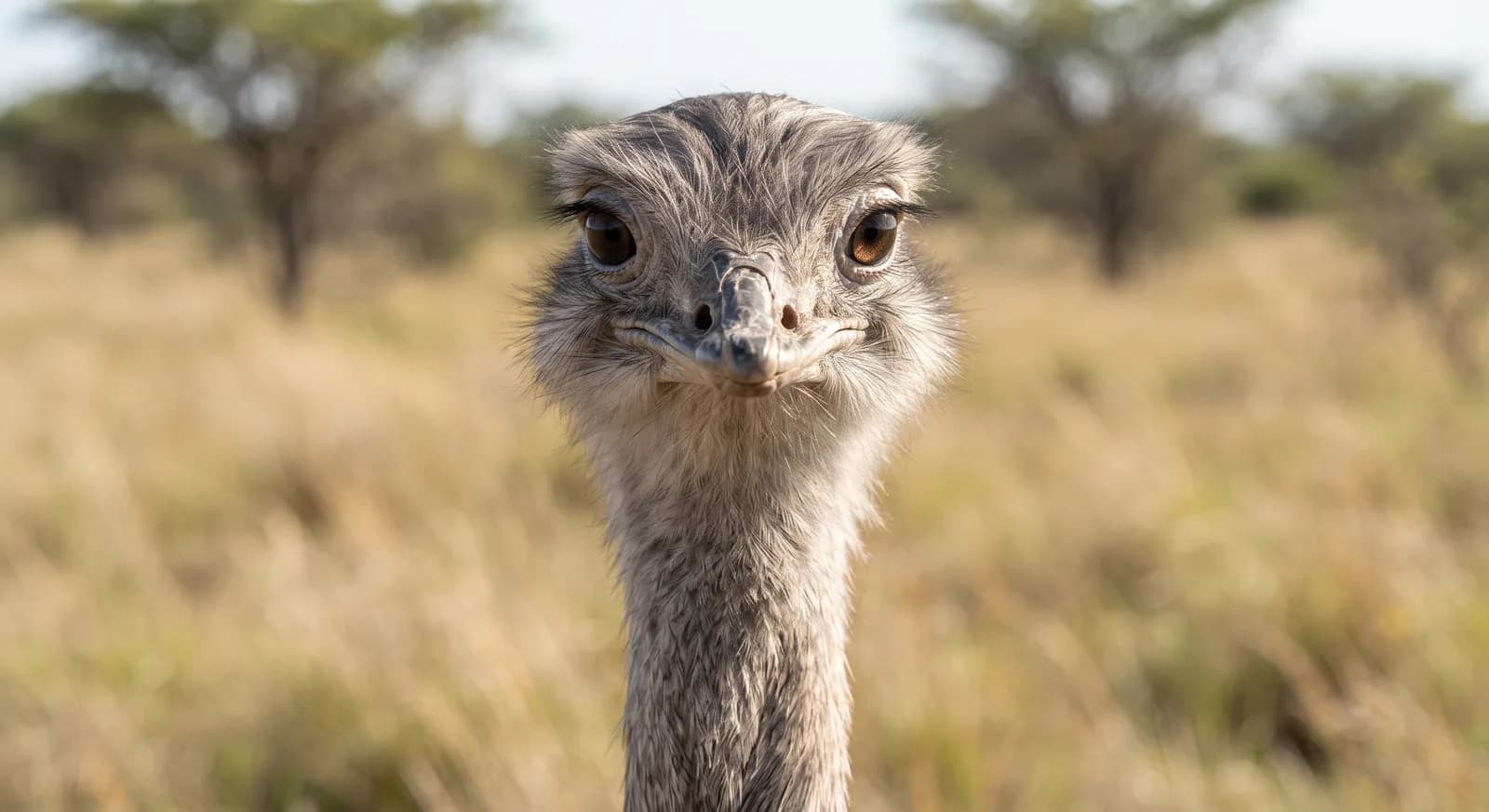 Near Threatened
Greater Rhea
Rhea americana
Pichi
Zaedyus pichiy
 Near Threatened
Patagonian Mara
Dolichotis patagonum
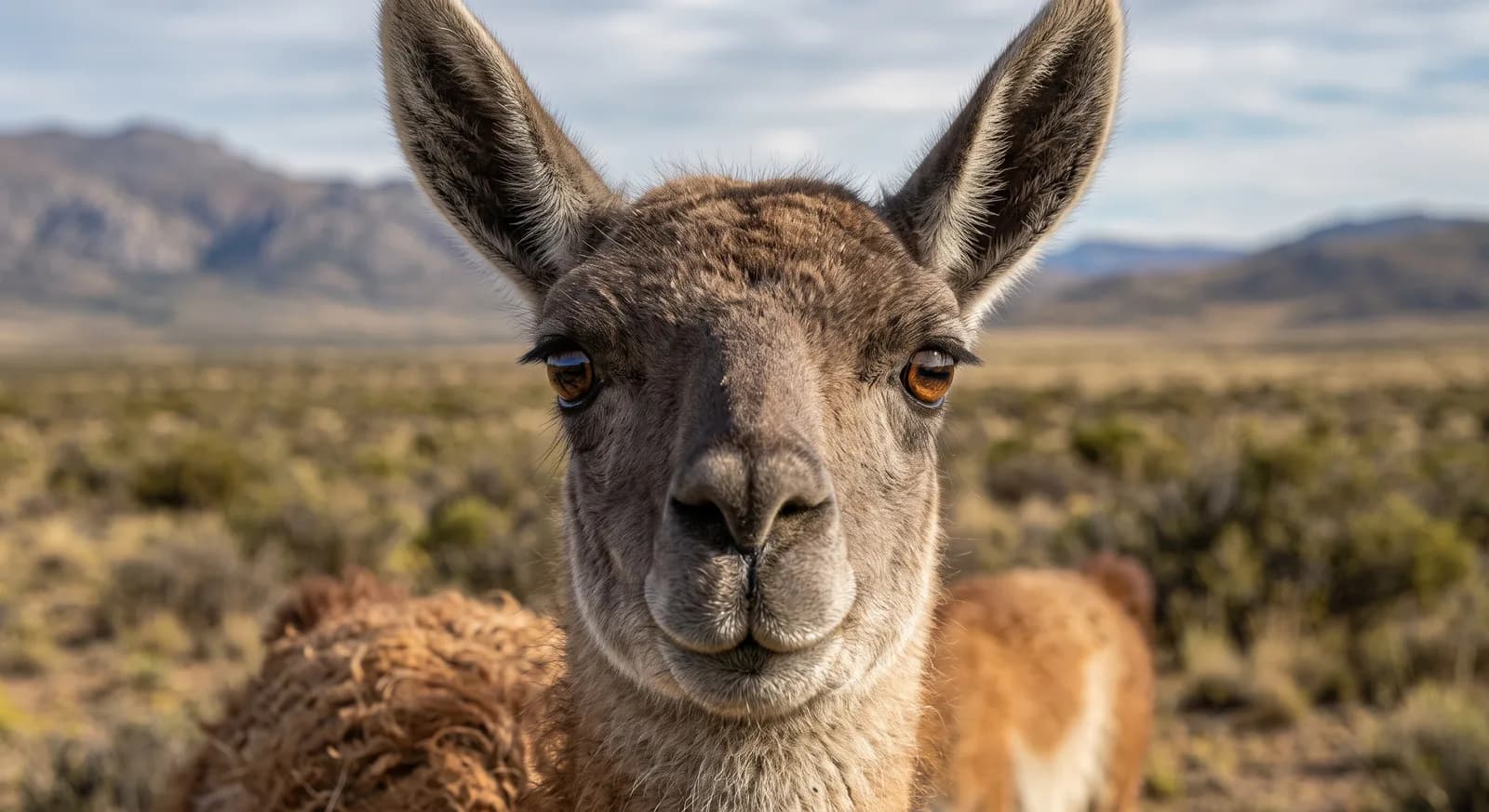 Least Concern
Guanaco
Lama guanicoe
Giant Hummingbird
Patagona gigas
Collared Trogon
Trogon collaris
Keep exploring
Based on what we already know about lesser rhea.
Comments
Share an experience, a fun fact or a tip for seeing the lesser rhea.
Be the first to comment.