One of the 2 rheas on WAnimals
Birds · Rheiformes · Rheidae
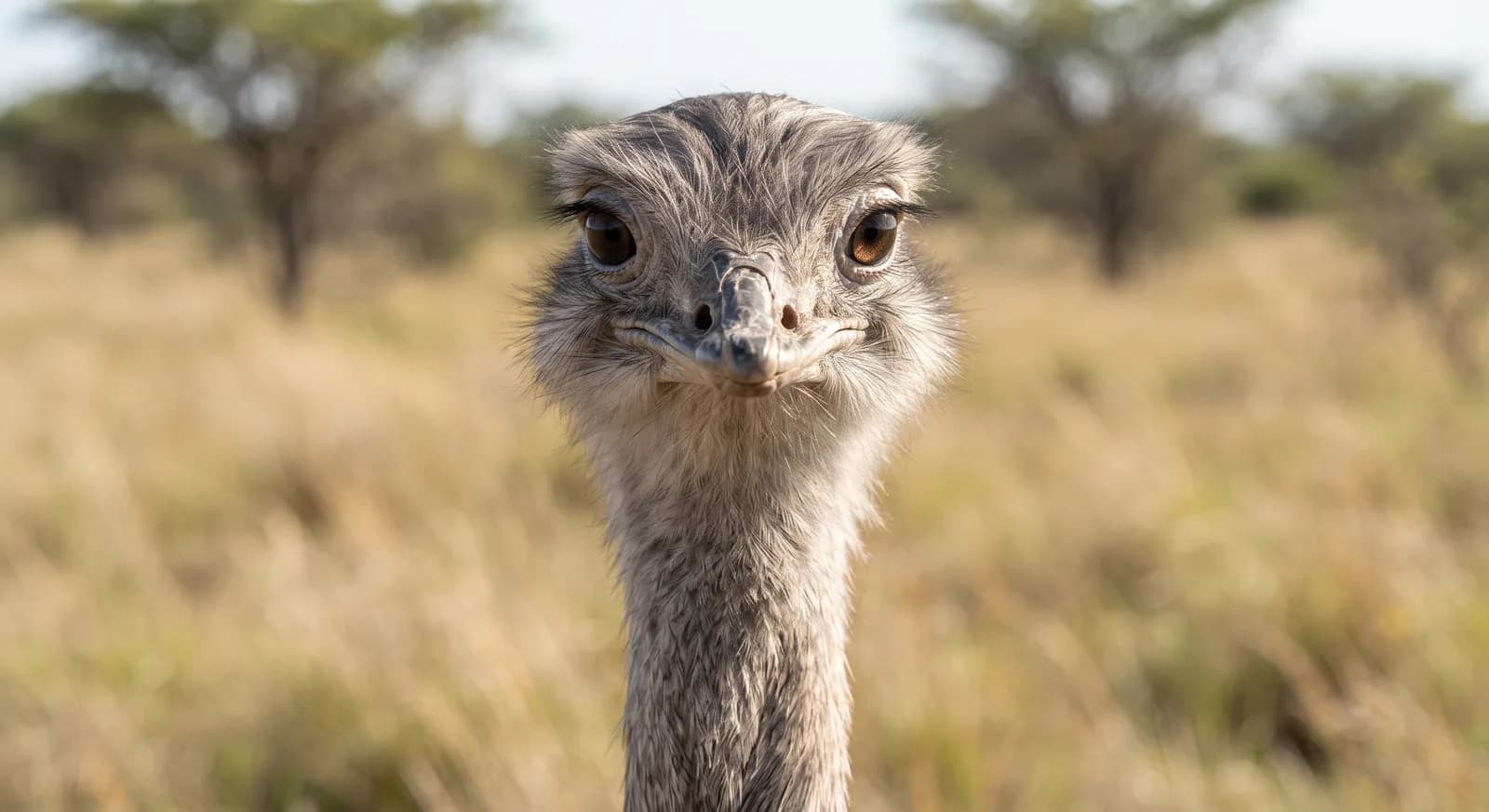
Greater Rhea
Rhea americana
It could become endangered in the near future if current threats go unchecked. See full glossary
It is the largest bird in the Americas. It breeds under a reversed polyandrous system: several females lay in the same communal nest, but it is the male that does the incubating.
Weight
30 kg – 40 kg
Size
up to 1.7 m
Lifespan
12 years
Diet
Omnivore
Combines animal and plant food depending on availability.
Activity
Diurnal
Active mainly during the day.
Social structure
Herd
Lives in large groups as a strategy against predators.
Sighting difficulty
Moderate
Fun facts
- It is the largest bird in the Americas.
- It breeds under a reversed polyandrous system: several females lay in one nest, which the male alone incubates.
- A communal nest may hold as many as 80 eggs from several females.
Life cycle & biology
- Skeleton type
- Vertebrate - non-pneumatised bony skeleton, flightless bird (ratite)
- Habitat & environment
- Open grassland, savannah, scrub and wetland of eastern and central South America
- Birth weight
- No precise weight reported (it comes to 60-70% of the egg's weight); the chick has dark lengthwise stripes
- Size at birth
- Precocial, with grey down and dark lengthwise stripes, able to move almost at once
- Sexual maturity
- 14 months (though effective breeding usually starts at around 2 years)
- Gestation / incubation
- 29-43 days, incubated by the male alone
- Litter / clutch size
- 5 to 10 eggs per female; communal nests may hold as many as 80 from several females
- Lifespan in captivity
- Documented record of up to 40 years in captivity
Sources consulted: BioDB; Study.com; Idaho Falls Zoo; Animalia.bio; Ark Encounter; Animal Diversity Web; A-Z Animals; New World Encyclopedia; PMC (seasonal hormone study)
Where to find it
See its range on the interactive mapWhere to watch it
Parks and dive sites where this species has been documented.
Related species
Other species in the catalogue with the most in common with Greater Rhea — same habitat, park, country, tags or family.
Lesser Rhea
Rhea pennata
Pichi
Zaedyus pichiy
Turquoise-fronted Amazon
Amazona aestiva
 Near Threatened
Patagonian Mara
Dolichotis patagonum
 Near Threatened
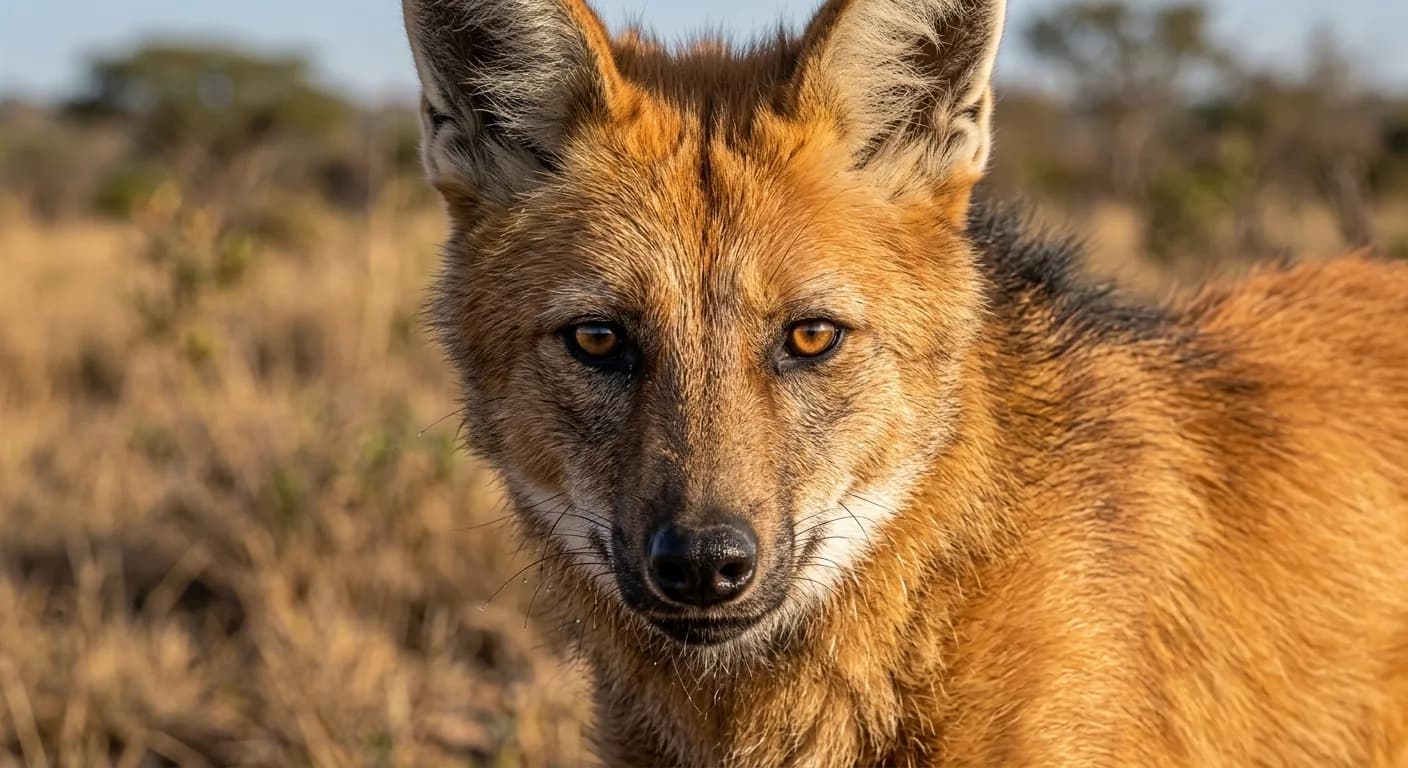
Maned Wolf
Chrysocyon brachyurus
Keep exploring
Based on what we already know about greater rhea.
Comments
Share an experience, a fun fact or a tip for seeing the greater rhea.
Be the first to comment.